
An Anatomical Guide to the Yellow Hedgehog Mushroom
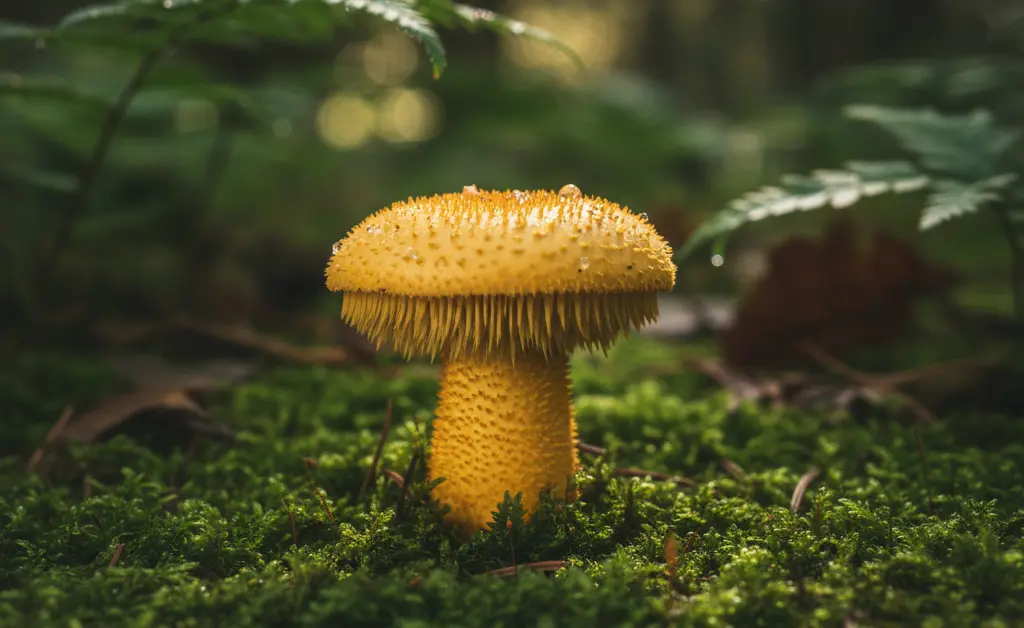
Many enthusiasts approach wild mushroom foraging with a mix of excitement and trepidation, often finding the identification process challenging and fraught with potential misidentification. This guide aims to transform that uncertainty into clarity. Instead of relying on general characteristics, readers will gain precise knowledge about a distinct species. By focusing on its unique anatomical features, habitat, and identification markers, this resource shifts the experience from tentative guesswork to confident recognition. It provides the practical insights needed to confidently identify the yellow hedgehog mushroom, ensuring that what was once a perplexing specimen becomes a reliably identified culinary find or a recognized part of the forest ecosystem. This detailed exploration is designed to equip both novice and experienced foragers with the essential tools for accurate differentiation.
What is the Yellow Hedgehog Mushroom?
The yellow hedgehog mushroom, scientifically known as Hydnum repandum, is a fascinating and sought-after fungal species known for its distinctive appearance. It belongs to a group of mushrooms characterized by spine-like projections on the underside of their caps, rather than the more common gills or pores. This particular species is widely distributed across various temperate regions, making it a familiar sight for many foragers. Its common name directly reflects its most striking feature: the soft, tooth-like spines that resemble the bristles of a hedgehog. Understanding the general nature of this mushroom sets the stage for a more detailed examination of its specific characteristics. There are several types of hedgehog mushrooms worth exploring.
Key Physical Features (Cap, Spines, Stem)
The yellow hedgehog mushroom exhibits several key physical features that aid in its identification. The cap typically ranges from cream to light yellowish-orange, sometimes developing a more brownish hue with age or in drier conditions. It is usually irregular in shape, often convex when young, flattening out or becoming depressed in the center with a wavy or lobed margin as it matures. The surface of the cap is often dry, sometimes appearing finely felted or smooth.
Perhaps the most crucial identification marker lies beneath the cap: the spines. Unlike gilled mushrooms, the yellow hedgehog mushroom has soft, brittle, downward-pointing teeth or spines that are typically paler than the cap, often white or cream. These spines are easily detached and extend down the stem to some degree, distinguishing it from all gilled mushrooms and making it a relatively unique specimen in the fungal kingdom.
The stem, or stipe, is usually off-center or eccentric, though it can sometimes be central. Its color generally matches the cap or is slightly paler, often whitish or yellowish. The stem is solid and relatively stout, tapering towards the base. The overall structure and consistency of the yellow hedgehog mushroom are firm but somewhat brittle, especially the spines.
Yellow Hedgehog Mushroom Identification
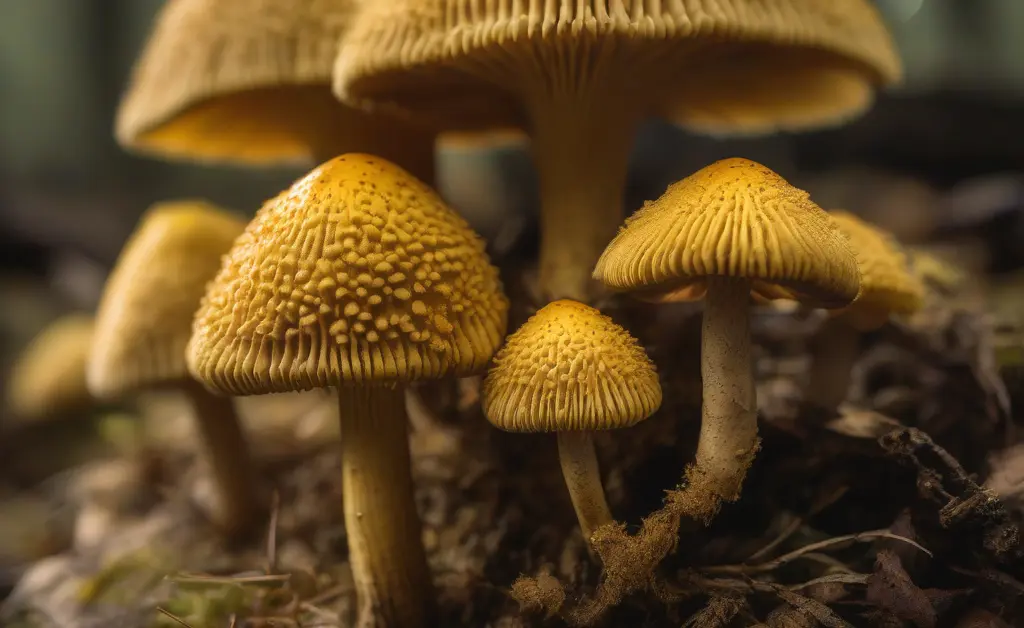
Accurate identification of the yellow hedgehog mushroom relies on a combination of its unique anatomical features and contextual clues. When evaluating a specimen, foragers should pay close attention to the spine-covered underside of the cap, which is the most definitive characteristic. The color of the cap, ranging from pale cream to light orange-yellow, and its irregular, often undulating margin, are also important indicators. Furthermore, the brittle texture of the spines and the robust, often off-center stem contribute to a positive identification. Examining the overall growth habit and the environment where it is found also plays a vital role in confirming the identity of this desirable mushroom.
Wild Hedgehog Mushrooms
Wild hedgehog mushrooms, encompassing species like the yellow hedgehog mushroom, thrive in specific woodland environments. They are typically found growing on the ground, often among moss or leaf litter, in coniferous and deciduous forests. These mushrooms do not grow on wood, which helps distinguish them from some other fungi. Their appearance in the wild can vary slightly based on local conditions, such as humidity and light exposure, but the core features of cap color, spine structure, and stem shape remain consistent. Understanding these broader characteristics of wild hedgehog mushrooms aids in pinpointing the specific yellow hedgehog mushroom within its natural habitat. The violet hedgehog mushroom is another species in this genus.
Habitat and Season of Yellow Hedgehog Mushrooms
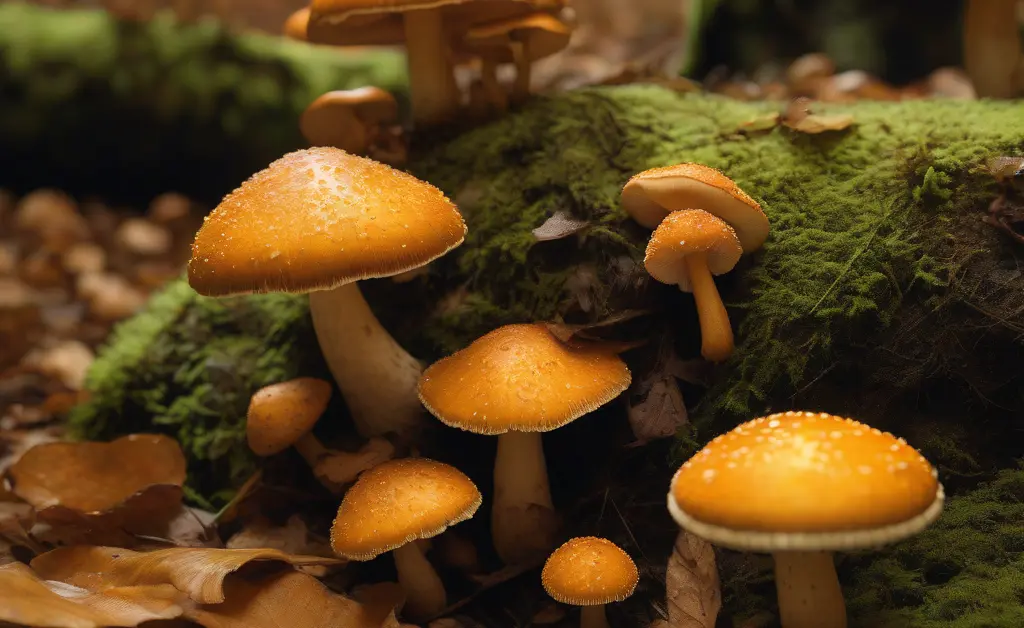
The yellow hedgehog mushroom prefers to grow in specific habitats and appears during particular seasons, providing important clues for foragers. These fungi are commonly found in both coniferous and deciduous woodlands, often growing solitarily or in scattered groups on the forest floor. They have a preference for mossy areas and leaf litter, indicating a need for consistent moisture and rich organic material in the soil. While they are often associated with various tree species, they are mycorrhizal, forming a symbiotic relationship with tree roots.
Their primary season for emergence is typically late summer through autumn, and sometimes into early winter in milder climates. The appearance of the yellow hedgehog mushroom is often triggered by cool, damp weather following dry spells. This seasonal pattern, combined with the preferred woodland habitat, helps narrow down the search for this distinctive species, increasing the likelihood of a successful foraging trip.
Yellow Hedgehog Mushroom Edible
The yellow hedgehog mushroom is widely regarded as an excellent edible mushroom, prized for its firm texture and mild, slightly peppery or nutty flavor. Its edibility makes it a popular choice among foragers, and it is often used in a variety of culinary applications, from sautéing and stir-fries to soups and stews. Prior to cooking, it is often recommended to gently scrape off the spines from older, larger specimens, as they can sometimes become slightly bitter or watery when cooked, though this is not strictly necessary for consumption. The firm flesh holds up well during cooking and does not typically become slimy, which is a desirable trait in edible fungi. The distinct characteristics of the yellow hedgehog mushroom make it a valuable find for those seeking quality wild edibles.
Yellow Hedgehog Mushroom Poisonous
The yellow hedgehog mushroom itself is not considered poisonous. It is a well-known and highly-regarded edible species. However, as with all wild mushroom foraging, the risk lies in misidentification. Consuming any wild mushroom without absolute certainty of its identity can carry risks, as many species, even those with similar appearances, may be toxic. While there are no truly poisonous look-alikes that share the exact spine structure and overall appearance of the yellow hedgehog mushroom, it is always crucial to exercise extreme caution. Foragers should never consume a mushroom unless they are 100% confident in its identification, ideally after consulting multiple reliable sources or an experienced expert. For further information on mushroom safety and toxicology, consult resources from the National Institutes of Health. This due diligence is paramount for safe foraging practices.
Yellow Hedgehog Mushroom Look Alike
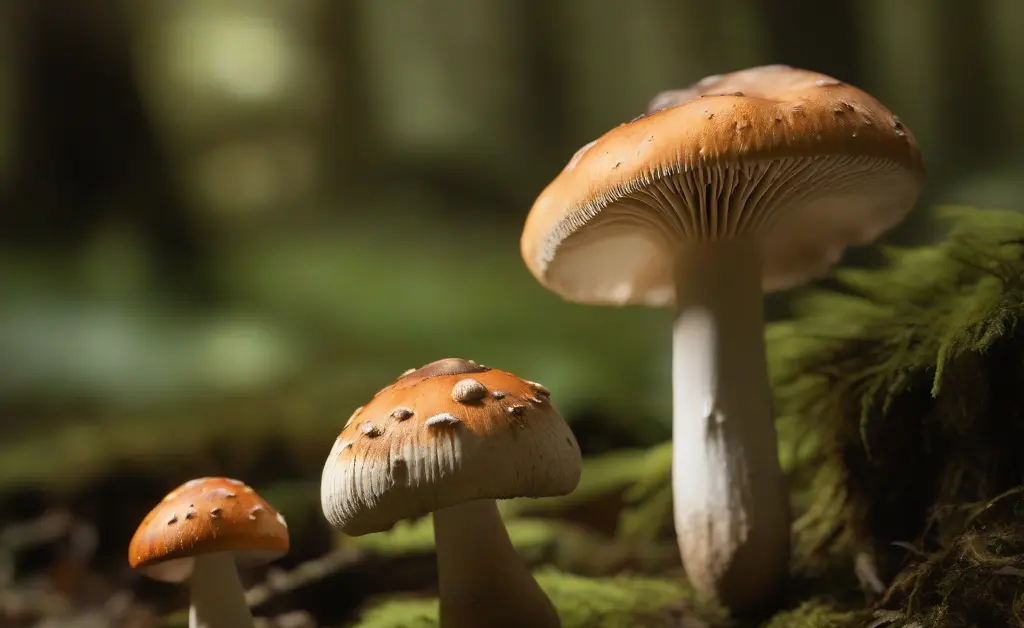
While the distinct spine-like teeth of the yellow hedgehog mushroom make it relatively easy to identify among many other mushroom types, there are a few species that could potentially be confused with it, especially by less experienced foragers. The most common “look-alikes” are other members of the *Hydnum* genus, such as the white hedgehog mushroom (*Hydnum albidum*), which is generally paler but shares the same fundamental characteristics. Another species sometimes mentioned is *Hydnum rufescens*, which tends to have a more orange-brown cap.
Some foragers might initially confuse the yellow hedgehog mushroom with chanterelles (*Cantharellus* species) due to similar cap colors and their shared habit of growing on the ground in woodlands during the same season. However, chanterelles have blunt, gill-like folds (false gills) that are decurrent (running down the stem), rather than the distinct, brittle spines of the hedgehog mushroom. The edges of chanterelle false gills are typically rounded and often forked, completely different from the sharply pointed, easily detached teeth of the yellow hedgehog mushroom. Always carefully inspect the underside of the cap to confidently distinguish between these species.
The journey of identifying wild mushrooms is a rewarding blend of scientific observation and practical experience. By focusing on the unique anatomical markers, habitat preferences, and seasonal patterns of the yellow hedgehog mushroom, foragers can approach its identification with confidence. Understanding its key physical features, recognizing potential look-alikes, and appreciating its culinary value transforms a casual encounter into an informed and safe foraging experience. This guide emphasizes the importance of precise knowledge, reinforcing that accurate identification is the cornerstone of responsible wild mushroom collection.
This material is shared for educational insight, not for clinical decision-making. Information regarding foraging and mushroom identification is provided for general knowledge and should not replace expert advice or comprehensive field guides. It is crucial to confirm the identity of any wild mushroom with multiple reliable sources or an experienced mycologist before consumption, as misidentification can lead to serious health risks. The responsibility for safe foraging and consumption lies solely with the individual.
FAQ
Is the yellow hedgehog mushroom edible?
Yes, the yellow hedgehog mushroom is a choice edible mushroom. It has a mild, nutty flavor and a firm texture that holds up well in various culinary preparations.
How do you identify a yellow hedgehog mushroom?
The yellow hedgehog mushroom is distinguished by its bright yellow to orange cap and its distinctive gills, which are actually tooth-like projections or spines running down the stem. These unique “teeth” are a key identifying feature. The entire mushroom is typically funnel-shaped.
Where do yellow hedgehog mushrooms typically grow?
These mushrooms are commonly found in deciduous and mixed forests across North America and Europe. They often grow in clusters or fairy rings on the forest floor, particularly under oak and beech trees.