
A Guide to the Healthiest Edible Mushrooms
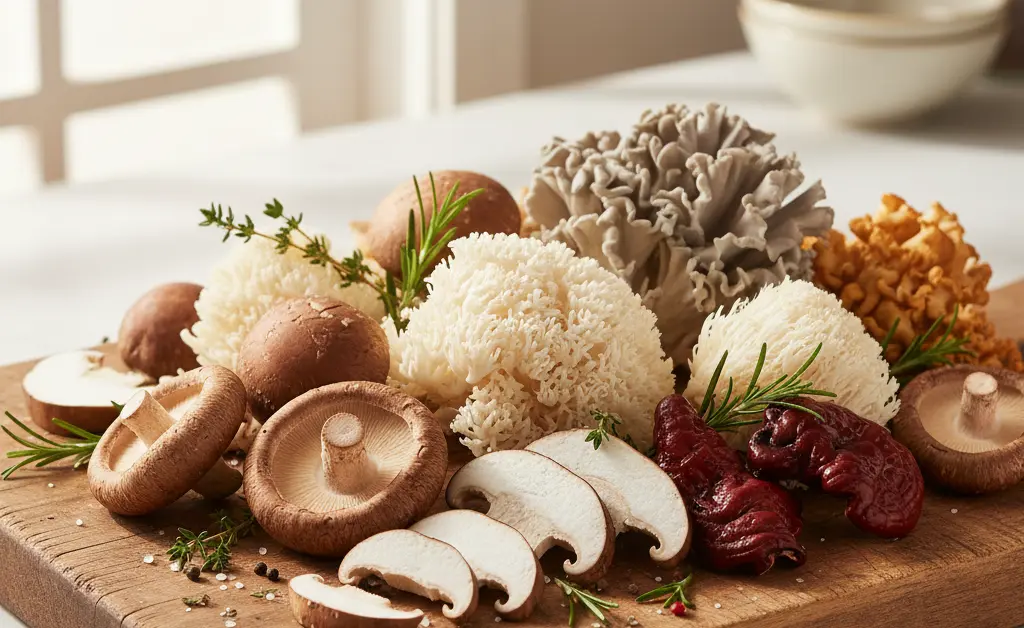
What if some of the most common ingredients in our kitchens also held powerful secrets for well-being? For centuries, various mushroom species have been valued not only for their unique flavors but also for their purported medicinal properties across diverse cultures. Modern science is increasingly confirming these traditional insights, revealing a wealth of nutritional compounds and bioactive substances within these fungi. This guide explores the best edible mushrooms for health, delving into their specific benefits, from bolstering immune function to supporting cognitive health and providing essential nutrients. Understanding which varieties offer the most significant advantages can empower individuals to make informed dietary choices for enhanced vitality.
Top Edible Mushrooms for Optimal Health
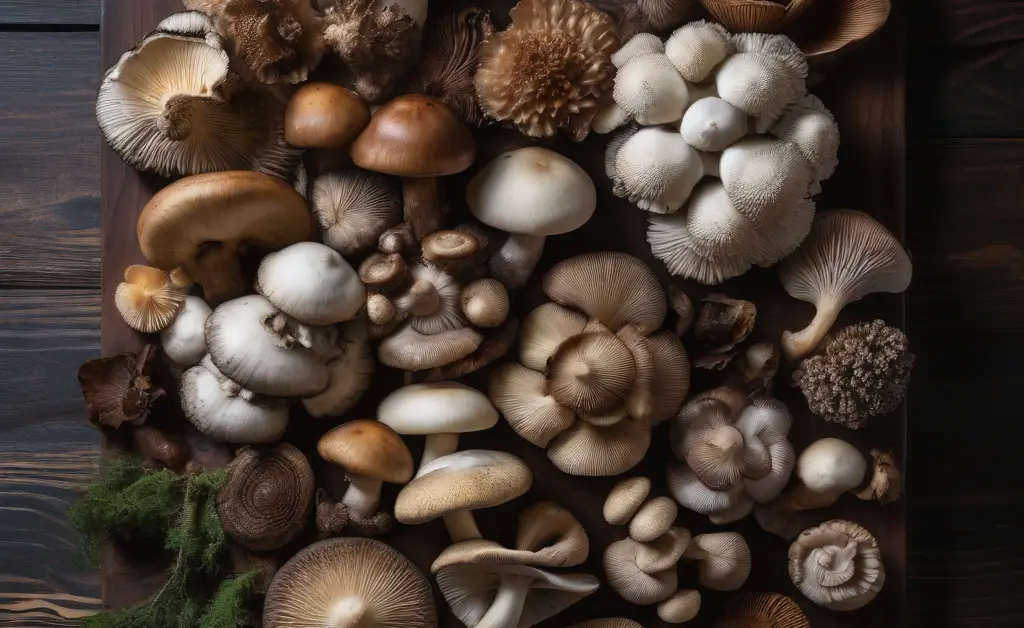
Incorporating a variety of mushrooms into one’s diet can provide a spectrum of benefits, contributing to overall well-being. These fungi are celebrated not only for their unique textures and savory flavors but also for their rich nutritional profiles and potential health-promoting compounds. When considering the best edible mushrooms for health, certain species consistently stand out due to their well-researched properties and historical use in traditional practices.
Shiitake Mushrooms
Shiitake mushrooms are among the most well-known and consumed edible fungi globally, prized for their rich, umami flavor and meaty texture. Beyond their culinary appeal, they are a traditional staple in Eastern medicine, particularly valued for their potential immune-modulating properties. These mushrooms contain lentinan, a polysaccharide that has been studied for its ability to support immune cell activity. They also offer B vitamins, vitamin D (when exposed to UV light), and various antioxidants that may contribute to cardiovascular well-being.
Oyster Mushrooms
Oyster mushrooms, easily recognizable by their fan-like shape and delicate flavor, are another excellent choice for health-conscious individuals. They are a good source of B vitamins, especially niacin, riboflavin, and pantothenic acid. Research suggests that oyster mushrooms contain compounds that may help maintain healthy cholesterol levels. Their antioxidant content also contributes to cellular protection, making them a beneficial addition to a balanced diet.
Lion’s Mane Mushrooms
Lion’s Mane mushrooms are distinctive for their shaggy, white appearance, resembling a lion’s mane. They are particularly renowned for their potential to support cognitive and neurological health. This species contains unique compounds, such as hericenones and erinacines, which have been explored for their neurotrophic properties, potentially encouraging nerve growth factor (NGF) production. This makes them a subject of interest for supporting memory, focus, and overall brain function.
Reishi Mushrooms
Often referred to as the “Mushroom of Immortality” in traditional Asian medicine, Reishi mushrooms are woody and bitter, typically consumed as an extract or tea rather than whole. Beyond general adaptogenic properties, some individuals explore specific applications like using mushroom extract for joint pain. They are classified as adaptogens, meaning they may help the body adapt to stress. Reishi is rich in triterpenes and polysaccharides, compounds believed to contribute to its immune-modulating and potential calming effects. While not typically a culinary mushroom, its profound health benefits place it among the top functional fungi.
Maitake Mushrooms
Maitake mushrooms, also known as “Hen of the Woods,” grow in clusters at the base of trees and are appreciated for their earthy flavor and feathery texture. They are particularly noted for their potent beta-glucans, which are polysaccharides widely studied for their significant immune-supportive capabilities. Maitake mushrooms have also been investigated for their potential role in maintaining healthy blood sugar levels and promoting overall metabolic balance.
White Button Mushrooms
White button mushrooms are the most commonly consumed mushroom globally and are surprisingly nutritious despite their mild flavor. Their low-calorie count and fiber content make button mushrooms for weight loss a frequently discussed topic. They are a valuable source of selenium, B vitamins (riboflavin, niacin, pantothenic acid), and potassium. These ubiquitous fungi also contain ergothioneine, a powerful antioxidant, contributing to cellular defense against oxidative stress. Their accessibility and versatility make them an easy addition to everyday meals for general health support.
Portobello Mushrooms
Portobello mushrooms are simply mature cremini mushrooms, known for their large, flat caps and rich, earthy flavor, making them a popular meat substitute. Research suggests that the nutrient profile of cremini mushrooms for baby food can be a valuable consideration for parents. Like their smaller counterparts, Portobellos are packed with B vitamins, especially riboflavin and niacin, which are crucial for energy production. They also provide a good amount of potassium, which is important for maintaining fluid balance and healthy blood pressure. Their robust texture and flavor make them an excellent way to boost nutrient intake in various dishes.
Best Edible Mushrooms for Health
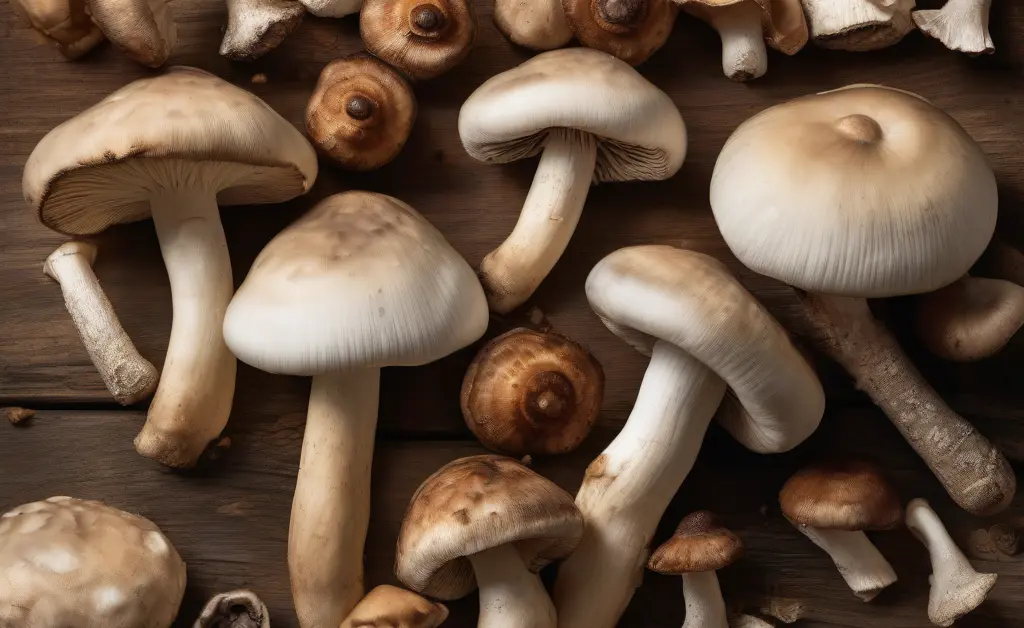
Beyond individual species, understanding the general properties that make fungi valuable additions to your diet can help you appreciate the broad spectrum of advantages. Exploring the overarching benefits of the best edible mushrooms for health reveals why they are increasingly recognized as superfoods. These benefits stem from a complex interplay of bioactive compounds, vitamins, and minerals.
Antioxidant Properties
Many edible mushrooms are rich in powerful antioxidants, such as ergothioneine, glutathione, and selenium. These compounds play a crucial role in protecting the body’s cells from oxidative stress caused by free radicals. Oxidative stress is associated with various chronic conditions and aging. By neutralizing these harmful molecules, mushrooms may help support cellular integrity and overall health. For more detailed information on maintaining health and preventing chronic conditions, reputable sources like the CDC provide extensive guidance.
Immune System Support
A hallmark benefit of many edible mushrooms is their potential to support and modulate the immune system. This is largely attributed to their high content of polysaccharides, particularly beta-glucans. These complex carbohydrates interact with immune cells, potentially enhancing their activity and response. Regular consumption of certain mushrooms may contribute to a more resilient immune defense.
Heart Health Benefits
Incorporating mushrooms into your diet may contribute to cardiovascular wellness. Some varieties contain compounds that might help manage cholesterol levels. For instance, certain fiber types found in mushrooms can bind to dietary cholesterol, aiding its excretion. Additionally, their potassium content contributes to healthy blood pressure regulation, and their anti-inflammatory properties may support overall heart function.
Brain Function and Cognitive Health
Specific mushrooms, such as Lion’s Mane, have garnered attention for their potential neuroprotective qualities. Compounds found in these fungi may promote nerve growth factor (NGF) synthesis, which is vital for the growth, maintenance, and survival of neurons. This research suggests a potential role for these mushrooms in supporting cognitive functions like memory, focus, and overall brain vitality.
Rich Source of Vitamins and Minerals
Edible mushrooms are a treasure trove of essential micronutrients that are vital for numerous bodily functions. Their unique growth environment allows them to absorb and concentrate various vitamins and minerals, making them a valuable dietary component.
Vitamins (B Vitamins, Vitamin D)
Mushrooms are an excellent source of B vitamins, including riboflavin (B2), niacin (B3), and pantothenic acid (B5), which are crucial for energy metabolism, nerve function, and red blood cell production. Furthermore, some mushrooms, particularly those exposed to UV light, can naturally produce vitamin D, an essential nutrient for bone health and immune system regulation, which is often difficult to obtain solely through diet.
Minerals (Selenium, Potassium, Copper)
These fungi also provide significant amounts of vital minerals. Selenium acts as a powerful antioxidant and plays a role in thyroid function. Potassium is essential for maintaining fluid balance, nerve signals, and muscle contractions, including those of the heart. Copper is necessary for iron metabolism, energy production, and the proper functioning of the immune system.
Fiber Content
Like other plant-based foods, mushrooms are a good source of dietary fiber. Fiber is crucial for digestive health, promoting regularity and supporting a healthy gut microbiome. It can also contribute to feelings of fullness, which may aid in weight management. The specific types of fiber in mushrooms, including chitin and beta-glucans, also contribute to their unique health benefits.
Protein and Amino Acids
While not a complete protein source in the same way as animal products, many edible mushrooms offer a respectable amount of protein, making them a valuable addition to vegetarian and vegan diets. They contain various essential amino acids, which are the building blocks of protein, important for muscle repair, enzyme production, and overall bodily function. The protein content can vary by species, but it generally contributes to their savory umami flavor.
Embracing the rich diversity of edible mushrooms offers a delicious and nutritious way to enhance overall health. From common white buttons to exotic Shiitake and Reishi, these fungi provide a spectrum of benefits, including powerful antioxidants, robust immune support, and vital vitamins and minerals. Integrating these fascinating organisms into your regular diet can be a flavorful strategy to bolster well-being and explore the profound connection between food and vitality.
This content is for informational use and should not be considered medical instruction. It is not intended to provide medical advice, diagnosis, or treatment. Always consult with a qualified healthcare professional before making any decisions about your health or diet, especially if you have existing health conditions or concerns. Individual responses to foods and supplements can vary.
FAQ
Which mushroom is best for immunity?
Certain mushrooms, like Reishi and Turkey Tail, have been studied for their potential to support immune function. These mushrooms contain compounds that can interact with immune cells, helping to modulate the body’s natural defenses. Their complex structures offer a range of beneficial polysaccharides.
Are oyster mushrooms good for you?
Oyster mushrooms offer a good source of B vitamins, minerals like potassium and iron, and dietary fiber. They also contain unique compounds that have been investigated for their cholesterol-lowering properties. Including them in your diet can contribute to overall nutritional intake.
What are the benefits of shiitake mushrooms?
Shiitake mushrooms are recognized for their rich flavor and their contribution of nutrients such as copper and selenium. They contain beta-glucans, which are known for their role in supporting immune responses. Historically, shiitakes have been a part of traditional wellness practices.
Which mushroom has the most antioxidants?
Wild mushrooms, particularly varieties like the porcini, often display higher antioxidant levels compared to commonly cultivated mushrooms. Antioxidants are important for helping the body combat oxidative stress. The exact antioxidant content can vary based on growing conditions and species.
What is the healthiest way to eat mushrooms?
The healthiest way to consume mushrooms generally involves cooking them to enhance nutrient bioavailability and break down potentially indigestible components. Sautéing, roasting, or grilling are excellent methods that preserve their nutritional value. Considering the best edible mushrooms for health involves looking at diverse options and preparation techniques.