
A Grower’s Guide to Button Mushroom Farming in Odisha
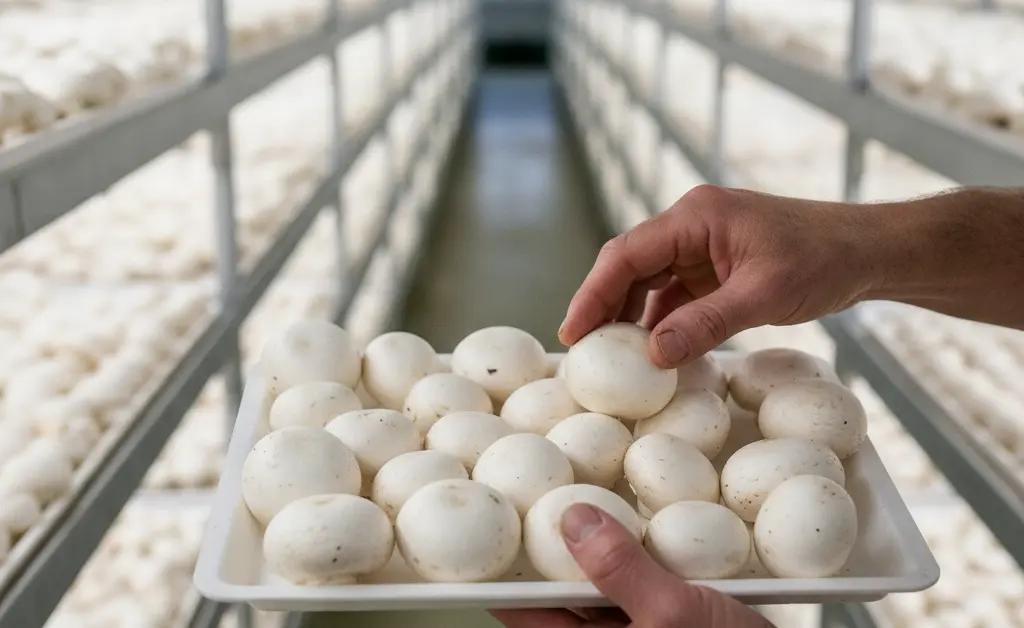
Many people today are keen on healthier eating, exploring diverse culinary ingredients, and understanding the origins of their food. Button mushrooms, with their delicate flavor and numerous health benefits, have become a staple in kitchens worldwide, from everyday meals to gourmet dishes. This growing demand, coupled with a focus on local produce and sustainable practices, presents significant opportunities. For aspiring agricultural entrepreneurs or existing farmers looking to diversify, button mushroom farming in Odisha offers a promising venture. This guide explores the complete process, from initial setup and cultivation techniques to market strategies and available support, providing a comprehensive roadmap for successful mushroom production in the region.
Button Mushroom Farming in Odisha: Costs and Profitability
Understanding the financial landscape is crucial for anyone considering a new agricultural enterprise. Button mushroom farming in Odisha, like any commercial endeavor, requires careful planning regarding initial investments, operational costs, and projected returns. While specific figures can fluctuate based on scale, location, and market dynamics, a thorough assessment of these factors provides a clear picture of potential profitability. A detailed overview of the button mushroom farming process can be found to aid in this planning.
Investment and Setup Costs
The initial investment for a button mushroom farm can vary significantly depending on the scale of operation, ranging from small-scale home-based units to large commercial facilities. Key cost components include land preparation or shed construction/rent, procurement of essential equipment such as air conditioners, humidifiers, and exhaust fans for environmental control, and the initial purchase of high-quality spawn and composting materials. Additionally, expenses for water supply, electricity, and initial labor should be factored into the setup budget. Investing in durable, efficient infrastructure can reduce long-term operational costs and enhance productivity.
Local Market Analysis
A comprehensive understanding of the local market in Odisha is paramount for successful mushroom farming. This involves researching the existing demand for button mushrooms in urban and semi-urban centers, identifying potential buyers such as hotels, restaurants, caterers, and local retailers, and understanding consumer preferences. Analyzing the supply chain, including current mushroom prices and competitor activities, helps in strategically positioning the farm’s produce. A strong local market demand can reduce transportation costs and ensure a steady sales channel, contributing significantly to profitability.
Pricing Strategies
Establishing effective pricing strategies is vital for competitiveness and revenue generation. Farmers can consider various models, such as wholesale pricing for bulk buyers, retail pricing for direct sales to consumers, and premium pricing for organic or specialty mushrooms. Factors influencing pricing include production costs, market demand, competitor prices, and the quality of the produce. Building relationships with buyers and offering consistent quality can help maintain stable pricing and foster repeat business.
Profit Margin Estimation
Estimating profit margins involves calculating the difference between total revenue and total expenses. This includes considering yields per square foot, the number of cropping cycles per year, and the average selling price per unit. While initial margins may be modest as the farm scales up, efficient resource management, consistent production, and strong market linkages can lead to healthy profits. Potential farmers should develop a detailed business plan outlining projected revenues and expenses to forecast profitability accurately.
Button Mushroom Farming in Odisha Project
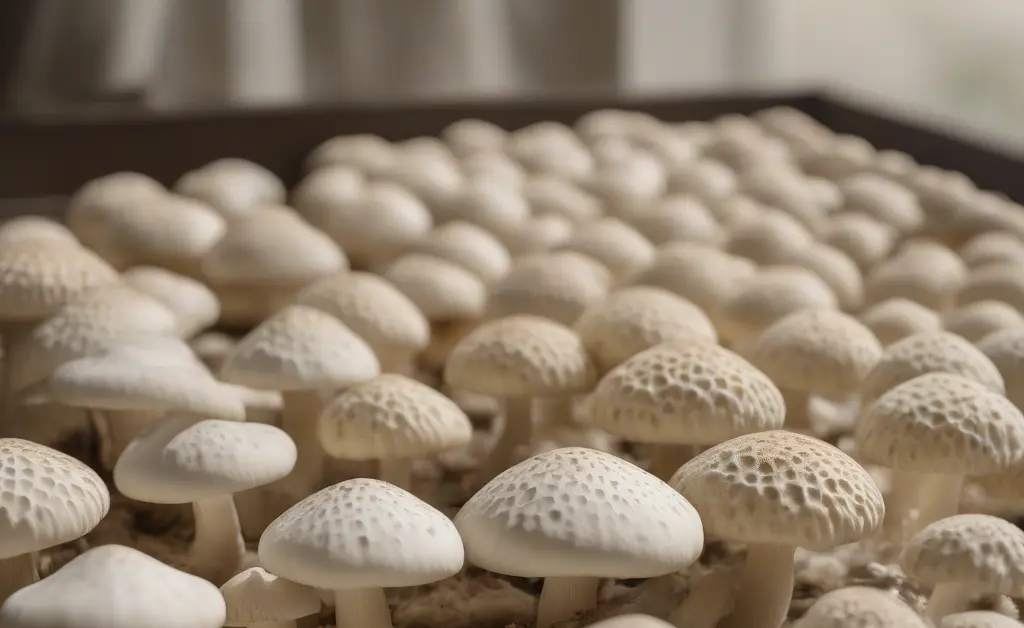
Embarking on a button mushroom farming in Odisha project requires a structured approach, starting from foundational knowledge to practical implementation. This section outlines the essential steps and considerations for establishing a successful mushroom cultivation venture, whether for personal consumption or commercial distribution.
Getting Started with Button Mushroom Farming
The journey into button mushroom farming begins with acquiring fundamental knowledge about mushroom biology, cultivation techniques, and environmental requirements. This often involves attending training programs, consulting experienced farmers, or studying comprehensive guides. Securing a suitable location with access to water and electricity is an early critical step. Developing a detailed business plan that covers financing, production targets, and market outlets provides a roadmap for the entire project, ensuring all aspects are considered before significant investment.
Suitability for Beginners
Button mushroom cultivation is often considered suitable for beginners in agriculture due to its relatively controlled environment and predictable growth cycle compared to traditional field crops. While it requires attention to detail and specific environmental conditions, the cultivation process can be learned and mastered with dedication. The comparatively smaller land footprint needed also makes it accessible for those with limited agricultural space. Many resources and support systems are available to guide novice farmers through the initial stages.
Space Requirements
Button mushrooms can be cultivated in various spaces, from small dedicated rooms in homes to purpose-built large sheds or climate-controlled warehouses for commercial operations. The key is to provide a dark, humid, and temperature-controlled environment. Vertical farming techniques, using racks, can maximize yield in smaller footprints. For commercial ventures, sufficient space is needed not only for growing chambers but also for composting areas, spawn inoculation rooms, harvesting, and packaging facilities, along with storage for raw materials and finished products.
Essential Equipment and Materials
A successful button mushroom farm relies on specific equipment and quality materials. Key equipment includes air conditioners or cooling units to maintain optimal temperatures, humidifiers to control air moisture, and exhaust fans for ventilation. Shelving or racking systems are necessary to organize growing trays or bags efficiently. Essential materials include high-quality mushroom spawn, compost (often made from agricultural waste like straw and animal manure), and a casing layer (a mixture of peat moss and chalk). Sterilization equipment, watering cans or sprayers, and harvesting tools are also indispensable. Understanding the intricacies of button mushroom compost preparation is vital for a good harvest.
Cultivation Process for Button Mushrooms in Odisha
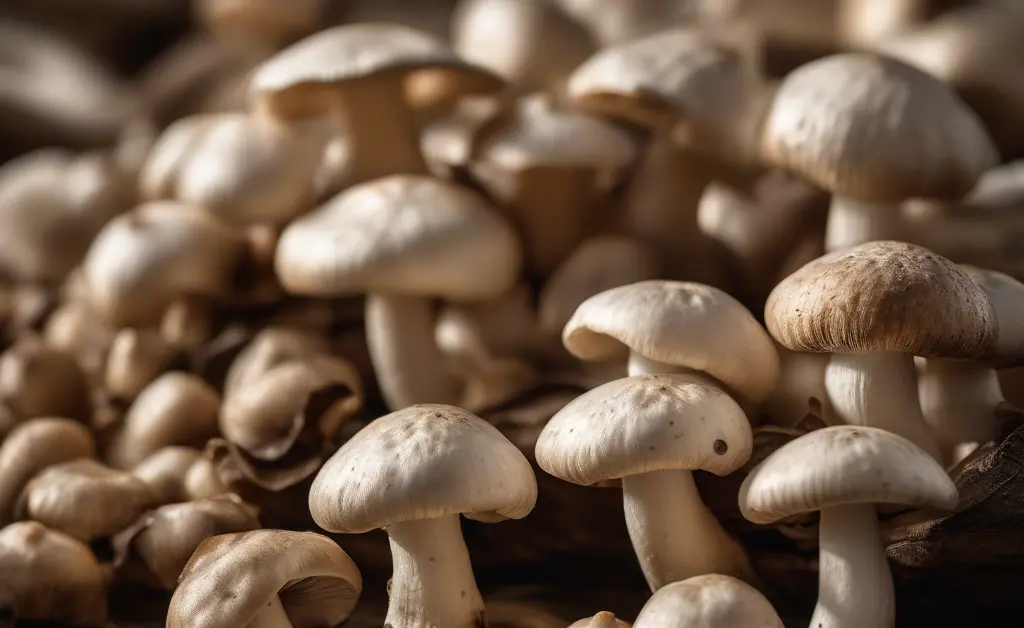
The cultivation of button mushrooms is a precise process that involves several distinct stages, each critical for optimal growth and yield. Adhering to proper techniques throughout these stages is essential for successful button mushroom farming in Odisha, ensuring high-quality produce and a sustainable operation. The entire button mushroom farming process is detailed to ensure growers are well-informed.
Substrate Preparation and Composting
The foundation of button mushroom cultivation lies in preparing the substrate, which is typically a carefully formulated compost. This process, known as composting, involves mixing agricultural waste materials such as wheat straw, rice straw, horse manure, poultry litter, and gypsum. These ingredients undergo a controlled fermentation, often in two phases, to break down complex organic matter and create a selective medium that favors mushroom mycelium growth while suppressing competing organisms. Proper composting ensures the substrate has the right nutrient balance, moisture content, and aeration for healthy mushroom development.
Spawning and Incubation
Once the compost is ready, it is “spawned” by mixing it with mushroom spawn, which consists of mushroom mycelium growing on grain kernels. This mixture is then placed into bags, trays, or beds and moved to an incubation room. During incubation, typically lasting a few weeks, the mycelium colonizes the compost, spreading its thread-like structures throughout the substrate. This phase requires a dark environment with stable temperature and humidity, allowing the mycelium to fully establish itself without interference from light or extreme conditions.
Casing and Fruiting
After the compost is fully colonized by the mycelium, a “casing layer” is applied. This layer, usually a mixture of peat moss and chalk, does not provide nutrients but serves several crucial functions: it holds moisture, protects the mycelium, and stimulates the formation of fruiting bodies (the mushrooms). Following casing, the environmental conditions are adjusted—temperature is lowered, humidity is increased, and fresh air is introduced. This change in environment triggers the mycelium to form pins, which then grow into mature button mushrooms, a process known as fruiting.
Harvesting and Post-Harvest Handling
Mushrooms are typically ready for harvest a few days after the appearance of pinheads. They are usually picked when the caps are firm and before the veil under the cap breaks open. Harvesting is done by gently twisting and pulling the mushroom from the casing layer, taking care not to disturb surrounding pins. After harvesting, proper post-harvest handling is crucial to maintain freshness and extend shelf life. This involves careful sorting, trimming, and immediate cooling. Mushrooms should be packaged in breathable containers and stored in a cool environment to preserve their quality until they reach the consumer.
Challenges and Solutions in Button Mushroom Farming in Odisha
While button mushroom farming in Odisha presents significant opportunities, growers may encounter various challenges. Addressing these proactively with effective solutions is key to ensuring a sustainable and profitable operation.
Climate Considerations
Odisha’s tropical climate, characterized by high temperatures and humidity for much of the year, can pose significant challenges for button mushroom cultivation, which ideally requires cooler, controlled environments. High temperatures can inhibit mycelial growth and fruiting, while uncontrolled humidity can lead to disease. Solutions involve investing in climate control infrastructure such as insulated growing sheds, air conditioning, and evaporative cooling systems. Utilizing advanced humidifiers and dehumidifiers can help maintain optimal moisture levels. Strategic scheduling of cropping cycles to align with cooler months or developing robust, climate-controlled indoor facilities are also viable strategies.
Pest and Disease Management
Mushroom farms are susceptible to various pests, including mites, flies, and nematodes, and diseases caused by fungi, bacteria, and viruses. These can significantly reduce yield and quality. Effective management relies on a multi-pronged approach. Strict farm hygiene, including thorough cleaning and sanitation of growing rooms and equipment, is paramount. Using pasteurized or sterilized compost and spawn from reputable sources helps prevent initial contamination. Integrated Pest Management (IPM) strategies, which combine biological controls, physical barriers, and judicious use of approved pesticides (if necessary and permitted), can effectively control infestations without harming the crop or the environment. Regular monitoring and early detection are crucial for rapid intervention.
Quality Control
Maintaining consistent quality is essential for market acceptance and profitability. Factors affecting quality include mushroom size, texture, color, and absence of blemishes or pest damage. Challenges may arise from inconsistent growing conditions, improper harvesting techniques, or inadequate post-harvest handling. Solutions involve implementing standardized operating procedures for all stages of cultivation. This includes precise climate control, appropriate watering, and careful harvesting by trained personnel. Rapid cooling and proper packaging immediately after harvest help preserve freshness and prevent spoilage, ensuring that only high-quality mushrooms reach the market.
Government Support and Resources for Mushroom Farming in Odisha

Recognizing the potential of mushroom cultivation, the government of Odisha, along with central initiatives, offers various forms of support to encourage farmers and entrepreneurs. Accessing these resources can significantly boost the viability and success of mushroom farming ventures. Many countries, such as Zimbabwe, have also seen success with button mushroom farming.
Government Schemes and Subsidies
Both state and central governments often introduce schemes aimed at promoting agricultural diversification and enhancing farmers’ income. For mushroom farming, these can include financial subsidies for setting up infrastructure like climate-controlled sheds, purchasing specialized equipment, and procuring quality spawn and composting materials. Schemes may also offer capital subsidies, interest subvention on loans, or grants for innovative farming practices. Farmers interested in mushroom cultivation should regularly check the websites of the Department of Agriculture, Horticulture, and related agencies in Odisha for updated information on available schemes and eligibility criteria.
Training and Consultancy Services
Lack of technical knowledge can be a barrier for new entrants. To address this, government agricultural departments, agricultural universities, and Krishi Vigyan Kendras (KVKs) often organize training programs, workshops, and seminars on scientific mushroom cultivation techniques. These programs cover various aspects, from compost preparation and spawning to pest management and post-harvest handling. Additionally, consultancy services may be available, offering expert advice on farm planning, management, and troubleshooting. Availing these training and consultancy services can equip farmers with the necessary skills and knowledge to establish and manage a successful mushroom farm effectively.
In conclusion, button mushroom farming in Odisha presents a compelling opportunity for agricultural growth and economic development. With a burgeoning demand for healthy, fresh produce and increasing awareness about sustainable farming practices, this venture holds significant promise. Success hinges on a clear understanding of investment requirements, diligent adherence to scientific cultivation techniques, effective market strategies, and proactive engagement with available government support. By carefully planning and executing each stage, from substrate preparation to post-harvest handling, and by addressing potential challenges with informed solutions, farmers in Odisha can cultivate a profitable and impactful button mushroom enterprise, contributing to both their livelihoods and the regional food supply. For further health benefits and research, information from resources like the NIH can be valuable.
not applicable
FAQ
What is the best time to start button mushroom farming in Odisha?
The ideal period for initiating button mushroom cultivation in Odisha typically spans from October to March, aligning with the cooler ambient temperatures that these mushrooms prefer for optimal growth. This seasonal window allows for controlled environmental conditions crucial for successful fruiting.
What are the basic requirements for setting up a small-scale button mushroom farm in Odisha?
Setting up a small-scale operation necessitates a dedicated, well-ventilated space, such as a shed or room, that can maintain consistent temperature and humidity levels. You will also need access to clean water, a reliable source of casing material, and spawn for inoculation.
How much investment is needed for commercial button mushroom farming in Odisha?
The investment for commercial button mushroom farming in Odisha can vary significantly based on the scale of operation, technology employed, and infrastructure development. Factors such as building construction or modification, equipment for climate control, spawn, compost preparation materials, and labor costs contribute to the overall capital outlay.
What are the common problems faced by mushroom farmers in Odisha?
Mushroom farmers in Odisha commonly encounter challenges related to pest and disease management, maintaining precise environmental controls for temperature and humidity, and securing a consistent market for their produce. Fluctuations in weather patterns can also pose difficulties in managing growing conditions.
Where can I find consultancy services for button mushroom farming in Odisha?
Consultancy services for button mushroom farming in Odisha can often be found through the state’s Department of Horticulture, agricultural universities, Krishi Vigyan Kendras (KVKs), and private agricultural consultants specializing in mushroom cultivation. These resources can provide valuable guidance and technical support.
Is mushroom farming profitable in Odisha?
Mushroom farming can be a profitable venture in Odisha, provided that farmers adopt good agricultural practices, manage their crops effectively, and have access to stable markets. Profitability is influenced by yield, quality of produce, production costs, and the prevailing market prices.
Is button mushroom farming subsidy in Odisha?
Odisha’s government, through its agricultural departments and schemes, often provides subsidies and financial assistance to promote mushroom cultivation. These incentives are typically aimed at encouraging the establishment and expansion of mushroom farming units, including those focused on button mushrooms.
Continue reading
You May Also Like

A Home Grower's Guide to Button Mushrooms
This guide makes button mushroom farming at home simple with proven steps for setting up your space, cultivating the crop, and harvesting.

A Home Grower's Guide to Button Mushrooms
This guide makes button mushroom farming at home simple with proven steps for setting up your space, cultivating the crop, and harvesting.
The Business of Button Mushroom Farming in Zimbabwe
This expert guide offers a clear look at button mushroom farming in Zimbabwe, covering cultivation, cost requirements, and potential profitability.