
A Beginner’s Guide to Button Mushroom Growing Kits
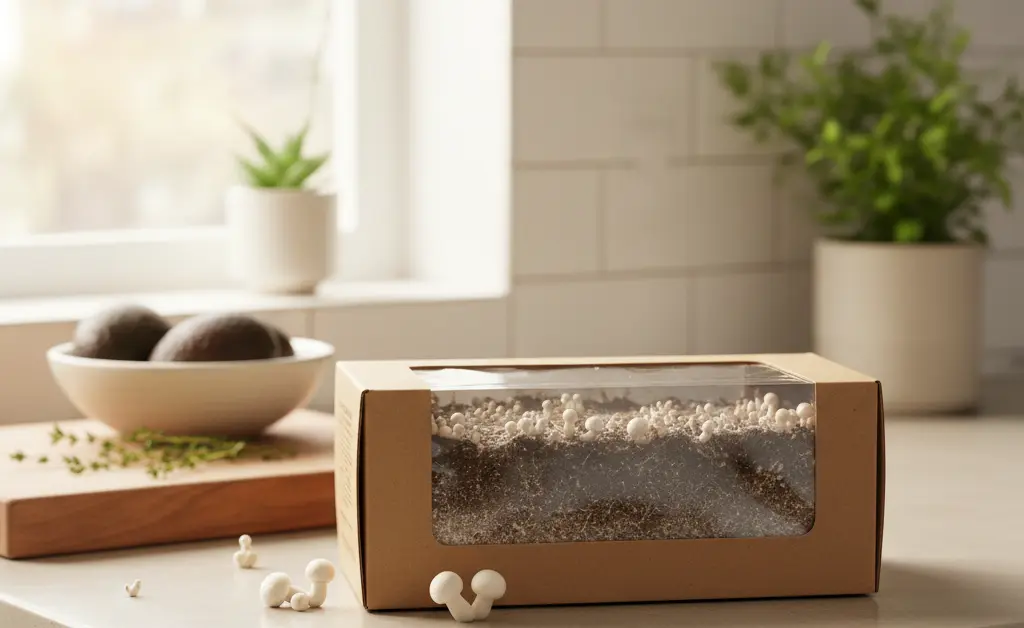
Imagine moving from consistently purchasing fresh button mushrooms at the grocery store, uncertain of their origin or freshness, to effortlessly cultivating your own supply directly in your kitchen. This guide is designed to facilitate that transformation. Many aspiring home growers face initial hesitations about the complexity or space required for mushroom cultivation. However, with the right approach and equipment, growing delicious button mushrooms can be a surprisingly straightforward and rewarding endeavor. This article will demystify the process, demonstrating how a simple button mushroom growing kit can turn a novice into a successful urban farmer. We will cover everything from selecting the ideal kit to watering, harvesting, and even re-flushing, providing practical steps to ensure you enjoy a continuous bounty of fresh, homegrown fungi.
Button Mushroom Grow Kit
What is a Button Mushroom Growing Kit?
A button mushroom growing kit provides a convenient, self-contained environment for cultivating edible fungi at home. These kits typically include a substrate, which is a nutrient-rich block inoculated with mushroom mycelium, the vegetative part of the fungus. Often, the substrate comes pre-colonized, meaning the mycelium has already begun to grow throughout the material. Common components of a grow kit also include a casing layer, usually peat moss or a similar medium, that helps retain moisture and encourages the mushrooms to “pin” or form small fruiting bodies. Some kits may also include a humidity tent or bag, and detailed instructions to guide growers through the process. The design of a button mushroom growing kit aims to simplify cultivation, making it accessible even for those without prior experience.
Choosing the Right Button Mushroom Growing Kit
Selecting the appropriate button mushroom growing kit can significantly influence your success and enjoyment. Consider factors such as the kit’s size and expected yield, as some are designed for a single flush while others may produce multiple harvests. Evaluate whether you prefer an organic or non-organic option, as some kits prioritize all-natural, pesticide-free materials. Research reputable suppliers known for providing fresh, viable mycelium and clear instructions. Customer reviews can also offer valuable insights into the ease of use and overall performance of different kits. A good quality button mushroom growing kit provides a strong foundation for a fruitful cultivation experience.
How to Use a Button Mushroom Growing Kit
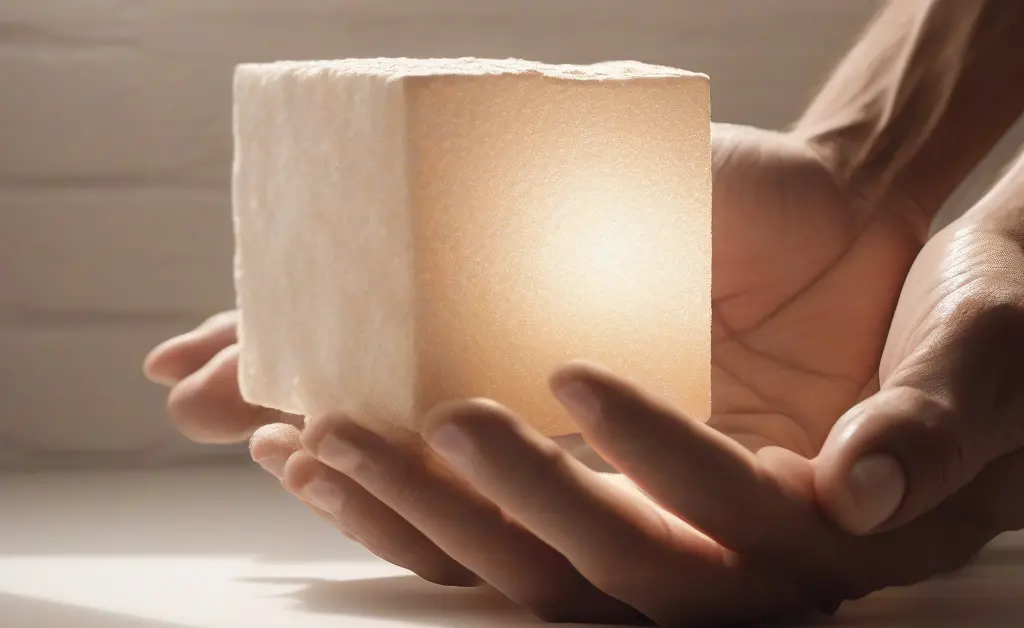
Unboxing and Setup
Once you’ve chosen your button mushroom growing kit, the first step involves careful unboxing and setup. Typically, you’ll need to remove the substrate block from its packaging, making sure not to damage the mycelium. Many kits require you to add a casing layer to the top of the block; this layer is crucial for moisture retention and helps stimulate the mushroom growth cycle. Follow the specific instructions provided with your kit, as setup procedures can vary slightly. Often, the kit setup will also involve placing the block in a suitable environment, such as a humidity tent or bag, to maintain optimal conditions for development.
Watering and Misting
Proper hydration is critical for the successful growth of button mushrooms. Most kits require a consistent level of humidity and moisture. This is usually achieved through a combination of watering the casing layer and misting the air around the kit. Avoid directly spraying the mycelium or young mushrooms with a strong stream of water, which could damage them. Instead, use a fine misting bottle to keep the air humid, and gently water the casing layer as needed to prevent it from drying out. The goal is to create a damp, but not waterlogged, environment that mimics the natural conditions button mushrooms thrive in. Maintaining consistent moisture with your button mushroom growing kit supports robust fruiting.
Harvesting Your Mushrooms
Knowing when and how to harvest your button mushrooms is an essential part of the growing process. Button mushrooms are typically ready for harvest when their caps have fully opened but before the gills underneath begin to darken significantly or release spores. A good indicator is when the cap separates from the stem, exposing the gills. To harvest, gently twist each mushroom off at its base rather than pulling, which can damage the mycelium and potentially harm future flushes. Some growers prefer to use a sharp knife to cut the stem at the base. Timely harvesting encourages the kit to produce more mushrooms in subsequent flushes.
Re-flushing Your Kit (if applicable)
Many button mushroom growing kits are capable of producing multiple “flushes” or harvests. After your first harvest, the kit may enter a resting period. To encourage re-flushing, some kits suggest re-hydrating the substrate block. This often involves soaking the entire block in water for a period. Follow your specific kit’s instructions for re-flushing, as the process can vary. Once re-hydrated, return the block to its growing environment and continue with watering and misting. With proper care, your kit reuse can yield several rounds of fresh button mushrooms.
Benefits of Using a Button Mushroom Growing Kit
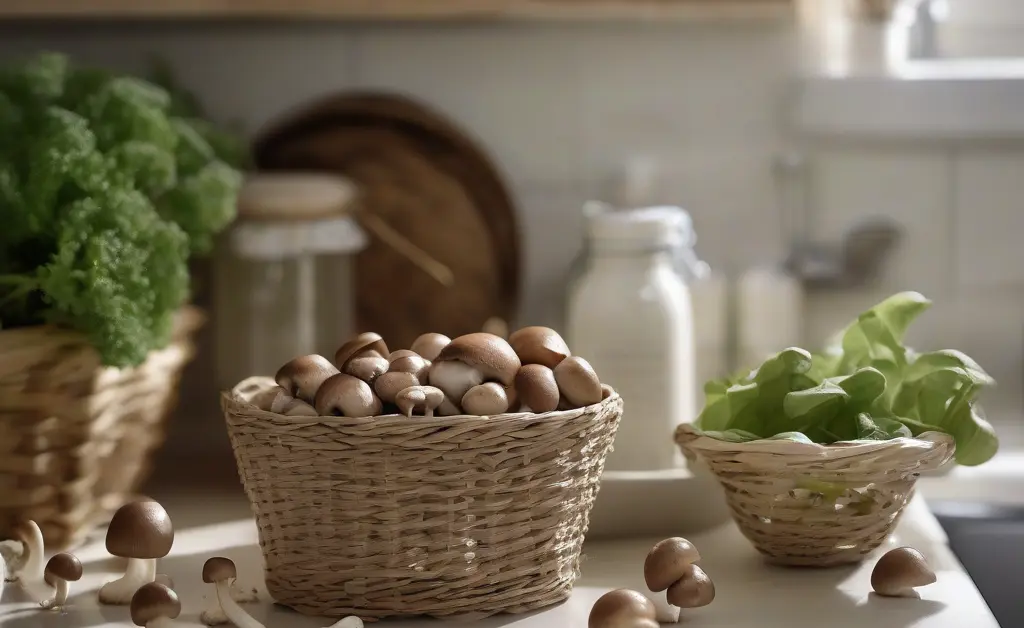
Utilizing a button mushroom growing kit offers a multitude of advantages for home cultivators. One significant benefit is the sheer convenience and ease of use; these kits simplify what can otherwise be a complex process, making mushroom cultivation accessible to beginners. You gain access to fresh, homegrown mushrooms right in your kitchen, ensuring superior flavor and quality compared to store-bought options. This direct cultivation also provides peace of mind regarding the origin and growing conditions of your food. Beyond the culinary rewards, a button mushroom growing kit can be an incredibly educational and fun activity, offering a hands-on learning experience about mycology and sustainable living. It’s a rewarding way to connect with your food source.
Troubleshooting Common Button Mushroom Growing Kit Issues
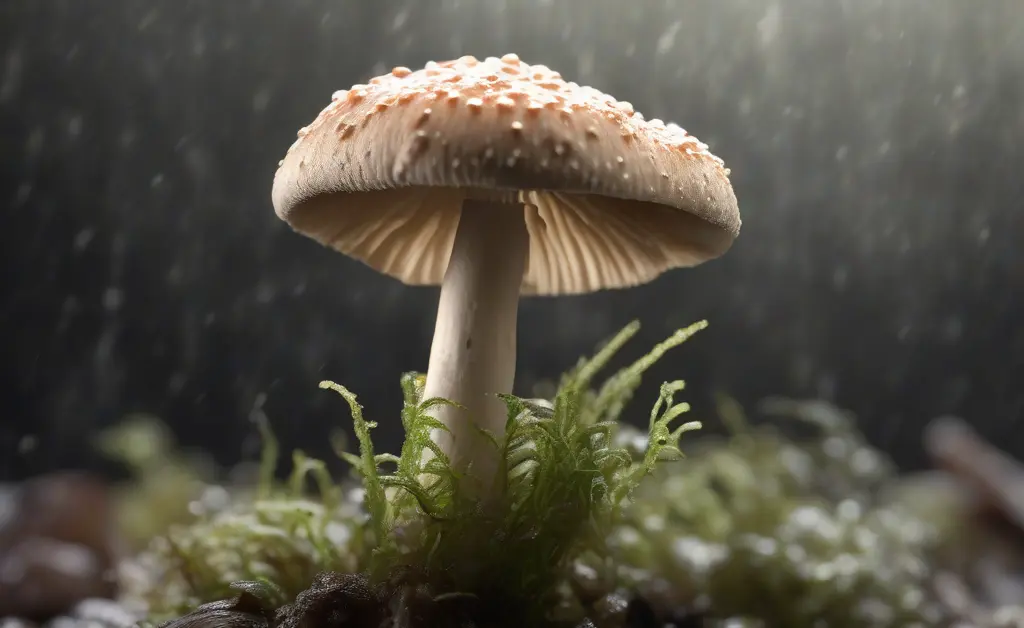
Even with the best intentions, growers might encounter common issues when using a button mushroom growing kit. One frequent problem is a lack of pinning, where no small mushroom primordia appear. This can often be attributed to insufficient humidity, inadequate air exchange, or inconsistent temperatures. Another issue involves mushrooms not growing to full size, which might indicate a need for more humidity, a lack of fresh air, or that the substrate has become exhausted. Contamination issues, recognizable by unusual molds or off-putting smells, can occur if the growing environment isn’t clean or if the kit was compromised. While frustrating, many of these problems can be resolved by carefully reviewing and adjusting environmental factors like humidity, light, temperature, and ventilation, as well as ensuring proper hygiene. Adhering closely to the instructions that came with your button mushroom growing kit can help prevent many of these challenges.
Cultivating your own button mushrooms at home with a dedicated growing kit can be a deeply satisfying experience, transforming your kitchen into a miniature farm. From the initial setup to the joy of harvesting your first flush, the process offers both simplicity and profound rewards. With careful attention to detail, consistent moisture, and a little patience, you can ensure a continuous supply of fresh, delicious fungi, enhancing your meals and your connection to the food you eat.
This content is for informational use and should not be considered medical instruction. It is not intended to provide medical advice, diagnosis, or treatment. Always consult with a qualified healthcare professional for any health concerns or before making any decisions related to your health or well-being. The information presented here should not be used as a substitute for professional medical advice.
FAQ
How long does a button mushroom growing kit take to grow?
The timeline for fruiting can vary, but typically the mushrooms begin to appear within one to three weeks after the kit is initiated. Consistent environmental conditions, such as humidity and temperature, play a significant role in the speed of development. Patience is key as the mycelium colonizes and prepares to produce its first flush of mushrooms.
Can I reuse a button mushroom growing kit?
After the first harvest, a kit may produce a second or even a third flush of mushrooms, though yields tend to decrease with each subsequent harvest. Proper care and maintenance of the substrate between flushes can encourage further growth. Eventually, the nutrient reserves in the substrate will be depleted, at which point the kit is no longer viable for mushroom production.
What are the best button mushroom growing kits?
Choosing a high-quality kit often depends on factors like the supplier’s reputation and the specific strains of mushrooms offered. Reputable brands typically ensure the substrate is fully colonized and ready for fruiting upon arrival. Exploring reviews and consulting with experienced growers can help identify reliable options for a successful cultivation experience.
Where can I buy a button mushroom growing kit?
You can find a button mushroom growing kit from a variety of online retailers specializing in gardening supplies and gourmet foods. Many local nurseries and farmer’s markets also carry these kits, especially during the spring and fall seasons. Some specialty food stores might also offer them, providing a convenient option for home cultivation.