
An Essential Guide to the Humble Button Mushroom
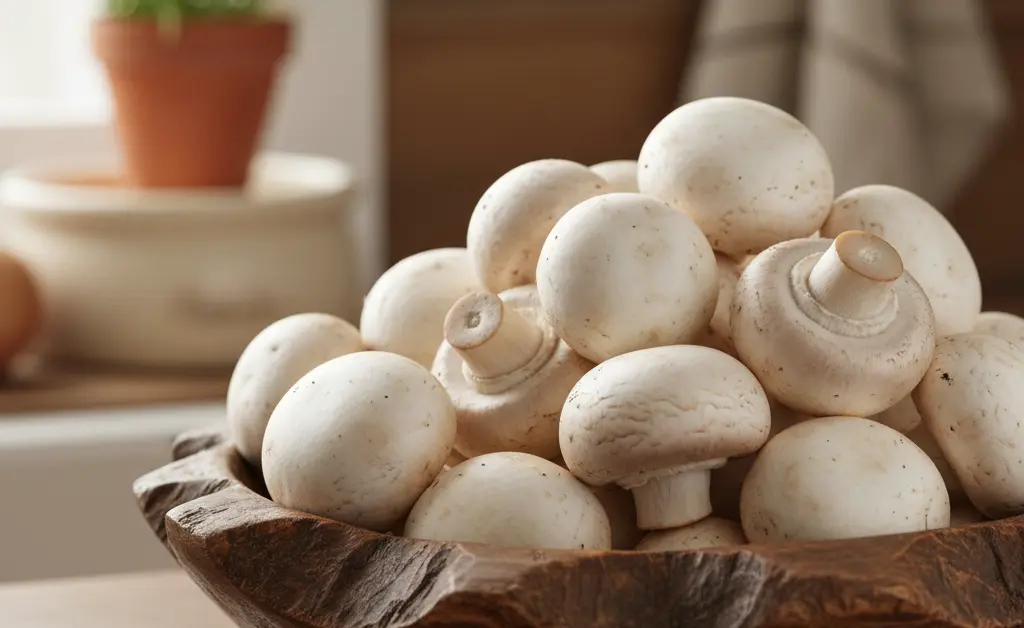
In today’s culinary landscape, where home cooking and healthy eating are increasingly prioritized, understanding versatile ingredients becomes essential. Among the most widely recognized and frequently used fungi is the humble button mushroom. These small, earthy delights are a staple in kitchens worldwide, prized for their mild flavor and ability to adapt to numerous dishes, from quick weeknight meals to elaborate gourmet creations. Beyond their culinary flexibility, button mushrooms also offer a surprising array of nutritional benefits, making them a smart choice for those seeking both taste and wellness. This guide explores everything from their cultivation and health advantages to their diverse uses in cooking, helping you fully appreciate this everyday edible.
Button Mushroom Varieties
What is a button mushroom?
The button mushroom, scientifically known as Agaricus bisporus, is one of the most widely consumed and cultivated mushrooms globally. It is characterized by its relatively small, rounded cap and short stem, often appearing in a uniform, compact shape, hence the name “button.” This fungi is native to grasslands in Europe and North America and has been domesticated for commercial cultivation for centuries. Its mild flavor and firm texture make it an exceptionally versatile ingredient in a multitude of cuisines. For those interested in exploring other mushroom types, there are fascinating varieties like the chanterelle mushroom and the morel mushroom.
Button mushroom appearance
In its most common form, the button mushroom presents with a smooth, white cap that can range from about 1 to 5 centimeters in diameter. The cap is typically rounded or slightly flattened. Beneath the cap, the gills are initially pale pink, darkening to brown as the mushroom matures. The stem is short, thick, and white, often with a subtle ring or veil remnant. While the classic white appearance is most recognized, this species also develops into the darker, more robust crimini and portobello varieties as it grows.
Types of button mushrooms
While often referred to as “button mushrooms,” Agaricus bisporus actually encompasses several popular varieties, differing primarily in their maturity and color. The common white button mushroom is the youngest and most delicate. As the mushroom grows and matures slightly, its cap often darkens to a light brown, becoming known as a crimini mushroom (also called baby bella). These have a slightly deeper, earthier flavor and firmer texture than their white counterparts. When allowed to mature fully, with an open cap, the same species becomes a portobello mushroom, which is much larger, has a rich, meaty texture, and a more intense flavor. All three are stages of the same mushroom, offering a spectrum of culinary possibilities. If you are considering growing mushrooms at home, a button mushroom growing kit can be a great starting point.
Button Mushroom Nutrition
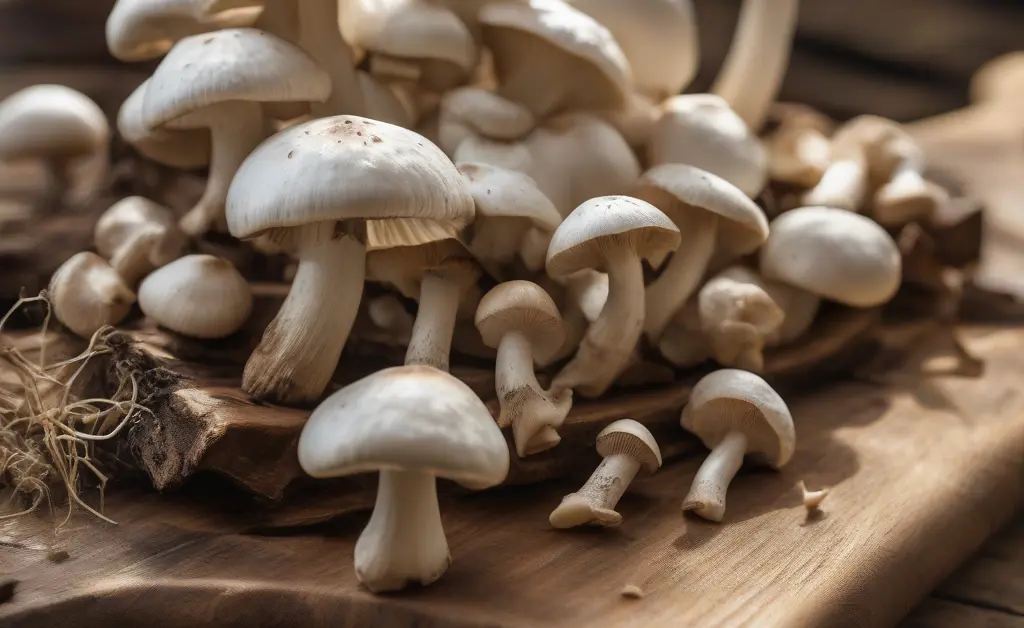
Nutritional content of button mushrooms
The nutritional profile of the button mushroom makes it a valuable addition to many diets. These fungi are remarkably low in calories and fat, yet provide a good source of dietary fiber, which supports digestive wellness. They contain several essential vitamins, including B vitamins like riboflavin, niacin, and pantothenic acid, which play roles in energy metabolism. Button mushrooms are also known to offer minerals such as selenium, potassium, copper, and phosphorus. Furthermore, they are one of the few non-animal sources of vitamin D, especially when exposed to ultraviolet light, contributing to bone health. These nutritional components can also be found in various natural supplements.
Button Mushroom Benefits
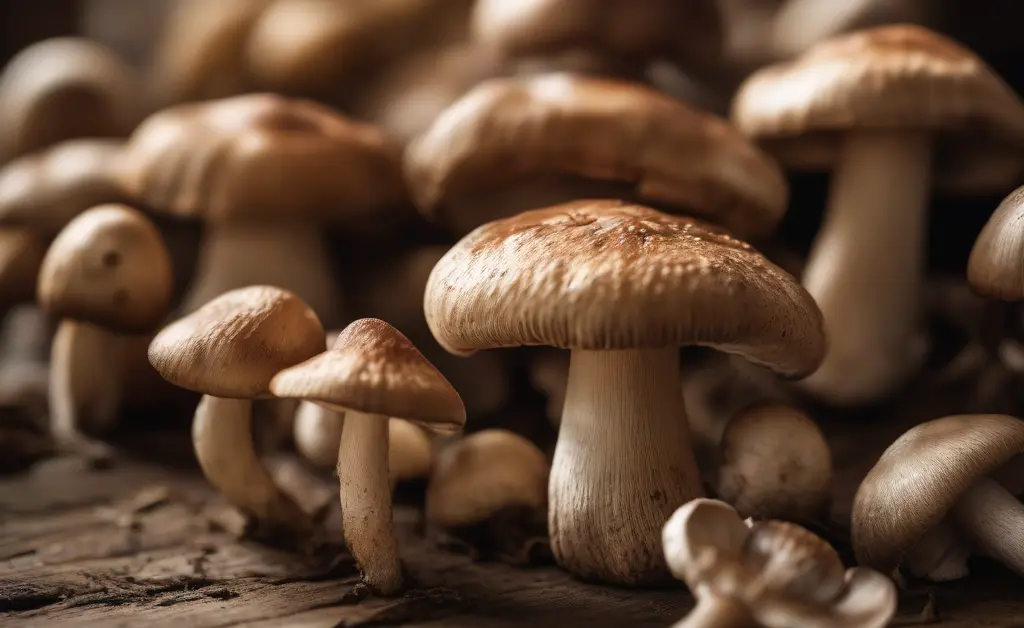
Is a button mushroom good for health?
Incorporating button mushrooms into one’s diet may offer several health-supporting properties. Their rich array of nutrients, combined with their low calorie count, makes them a beneficial choice for those managing weight or seeking to enhance their overall diet quality. The presence of various vitamins and minerals means they can contribute to several bodily functions, from immune support to cellular health. Their unique compounds are also a subject of ongoing research for their potential roles in wellness.
Health advantages of button mushrooms
Exploring the health advantages of the button mushroom reveals several potential areas of benefit. They contain antioxidants, such as selenium and ergothioneine, which may help protect cells from oxidative stress. Some compounds found in these mushrooms are studied for their potential to support immune system function. Additionally, the fiber content in button mushrooms can contribute to satiety and aid in maintaining healthy digestion. Their contribution to vitamin D intake, particularly in UV-exposed varieties, is also a notable advantage for bone health and general well-being. It is important to note specific dietary considerations, such as button mushroom during pregnancy.
Button Mushroom Cultivation
Button mushroom farming
Commercial button mushroom farming is a highly specialized and controlled process, typically conducted indoors to maintain optimal environmental conditions. The cultivation process begins with the preparation of a substrate, usually a composted mixture of straw, hay, corn cobs, and gypsum. This compost is then pasteurized to eliminate competing organisms. After cooling, the compost is inoculated with mushroom spawn, which consists of grains colonized by the mushroom’s mycelium. The mycelium grows through the compost, and a layer of casing soil (a mixture of peat moss and limestone) is applied. Under precise temperature and humidity control, the mycelium colonizes the casing layer, eventually producing the fruiting bodies – the button mushrooms – which are then harvested by hand. Further information on mushroom identification can be found through button mushroom identification guides.
Growing button mushrooms at home
Growing button mushrooms at home can be a rewarding endeavor, though it requires attention to detail. Starter kits are widely available, simplifying the process for amateur growers. These kits typically come with pre-inoculated substrate or spawn. The key to successful home cultivation involves maintaining consistent temperatures, often around 60-70°F (15-21°C), and high humidity, usually achieved by misting or covering the growing medium. Good air circulation is also important to prevent mold. Button mushrooms usually appear in “flushes” over several weeks, allowing for multiple harvests from a single kit. Patience and adherence to the kit’s specific instructions are crucial for a successful yield.
Button Mushroom Recipe
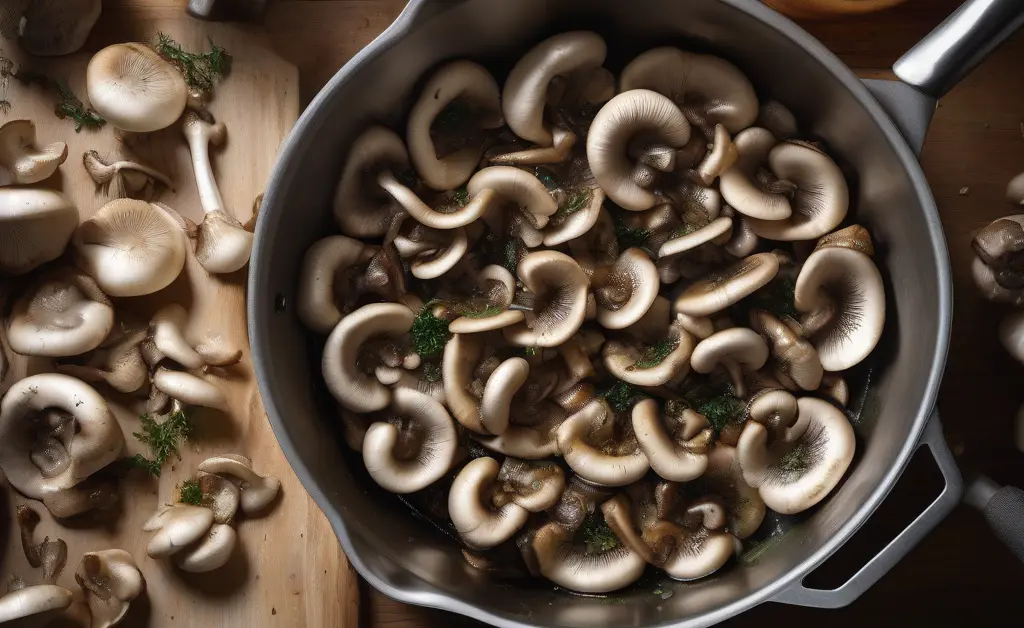
Button mushroom culinary uses
The versatility of the button mushroom in the kitchen is almost unparalleled. Its mild, earthy flavor and absorbent nature allow it to blend seamlessly into a wide array of dishes. They are excellent when sautéed with garlic and herbs as a side dish, added to stir-fries, or incorporated into omelets and quiches. Button mushrooms can be sliced and tossed raw into salads for a delicate crunch or simmered in soups and stews to deepen their flavor. They are also a popular ingredient in pasta sauces, risottos, and as a topping for pizzas, providing a subtle umami note to almost any meal. For health-related information on mushrooms, resources like the National Library of Medicine can be very helpful.
Button mushroom flavor profile
The flavor profile of the button mushroom is generally mild and earthy. It possesses a subtle umami taste, a savory depth that can enhance other ingredients without overpowering them. While young white button mushrooms have a very delicate flavor, as they mature into crimini and portobello varieties, their flavor becomes more pronounced and intensely earthy. This gentle character allows them to be a chameleon in the kitchen, absorbing and complementing the flavors of other ingredients they are cooked with.
Button mushroom texture
When raw, button mushrooms have a firm, somewhat crisp texture. Upon cooking, their texture typically becomes tender yet still holds its shape, offering a satisfying chewiness. This robust texture makes them suitable for various cooking methods, from quick sautéing to longer braising, without becoming overly soft or mushy. The stem is generally as tender as the cap, allowing the entire mushroom to be used in most preparations, contributing to the overall mouthfeel of a dish.
Button mushroom storage
Proper storage is essential to maintain the freshness and quality of button mushrooms. They are best stored in a paper bag in the refrigerator, which allows them to breathe and prevents them from becoming slimy. Avoid storing them in plastic bags, as this traps moisture and can accelerate spoilage. Ideally, mushrooms should not be washed until just before use, as excess moisture can also lead to premature deterioration. When stored correctly, button mushrooms can remain fresh for several days to a week.
Button Mushroom Price
The price of button mushrooms can vary depending on several factors, including seasonality, geographic location, whether they are organic or conventionally grown, and the specific retailer. Generally, white button mushrooms are among the most affordable and widely available fresh produce items. Crimini mushrooms tend to be slightly higher in price due to their slightly longer growing cycle and perceived richer flavor, while portobello mushrooms, being the most mature stage, often command the highest price. Despite these variations, all forms of the button mushroom remain a cost-effective and nutritious choice for many households, offering excellent value for their versatility and health benefits.
The button mushroom stands as a testament to the idea that simple ingredients can offer profound culinary and nutritional value. From its humble origins to its sophisticated use in diverse global cuisines, this fungi demonstrates remarkable adaptability. Whether you’re drawn to its nutritional benefits, its subtle flavor, or its ease of use, the button mushroom continues to be a staple ingredient that enriches meals and supports well-being. Understanding its varieties, cultivation, and culinary potential can empower home cooks and food enthusiasts to explore new dimensions in their everyday cooking.
This article is meant for general informational use and awareness. It is not intended to provide medical advice, diagnosis, or treatment. Always consult with a qualified healthcare professional for any health concerns or before making any decisions related to your health or diet. Individual results from dietary choices may vary.
FAQ
What is the scientific name for a button mushroom?
The scientific name for a button mushroom is Agaricus bisporus. This is the binomial nomenclature used globally to identify this specific species of fungus.
What are other names for button mushrooms?
Button mushrooms are also known by several other common names, including white mushrooms, common mushrooms, and table mushrooms. These names often reflect their appearance or typical culinary use.
Is a button mushroom safe to eat?
Button mushrooms are widely consumed and recognized as safe for eating when properly prepared. They are a common ingredient in many cuisines worldwide.
How do button mushrooms grow?
Button mushrooms develop from mycelium, which is a network of fine, white threads that grows underground or within a substrate. Under favorable conditions of temperature and humidity, the mycelium forms tiny structures that mature into the familiar mushroom caps.
Can you grow button mushrooms indoors?
Button mushrooms can indeed be cultivated indoors in controlled environments. This involves providing a suitable substrate, maintaining specific temperature and humidity levels, and managing light exposure to encourage fruiting.