
A Definitive Guide to Button Mushroom Identification
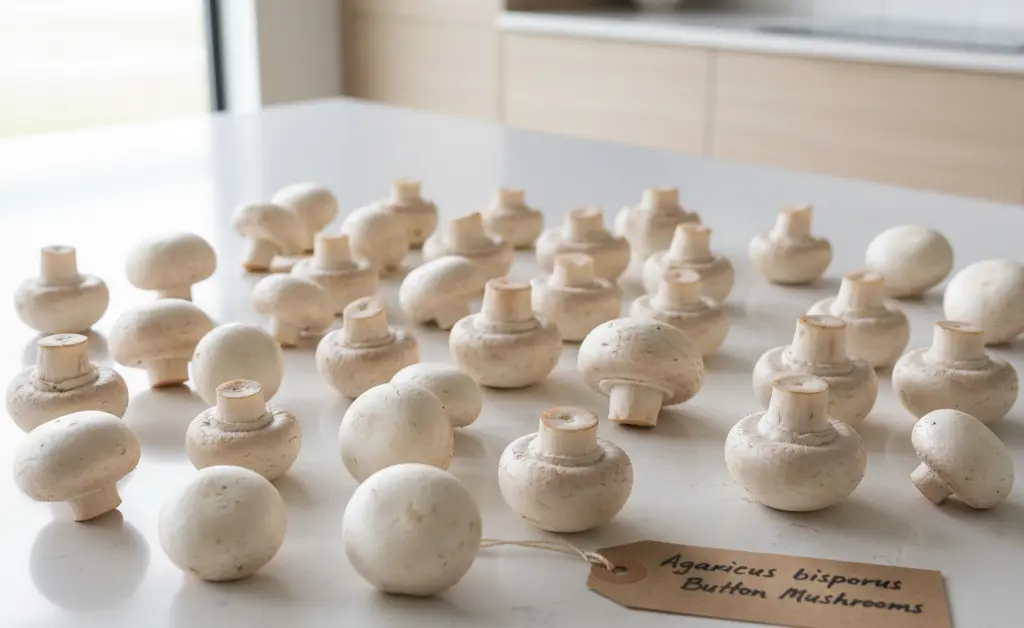
Just last week, while I was preparing a creamy mushroom risotto, I found myself staring at a pile of pristine white mushrooms at the grocery store. It’s easy to grab them and toss them into a pan, assuming they’re all the same. But have you ever paused to consider what makes that common culinary staple truly unique, or how to ensure you’re picking the right one? Understanding the nuances of button mushroom identification is more than just academic knowledge; it’s about confidence in your cooking and ensuring you select the freshest, most appropriate ingredient for your dish. This guide delves into the specific characteristics that define the widely loved button mushroom, helping you distinguish it from similar varieties and appreciate its distinct qualities.
How to Identify White Button Mushrooms
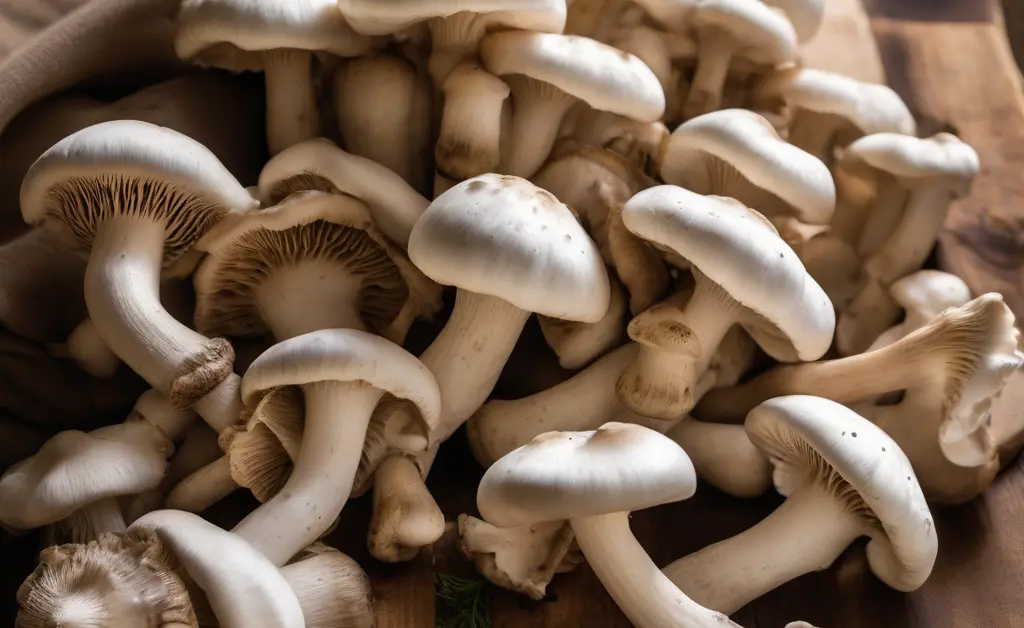
Proper button mushroom identification relies on observing several key morphological features. White button mushrooms, often the first fungal encounter for many home cooks, possess distinct attributes that make them easily recognizable. Familiarizing oneself with these characteristics can enhance both culinary experience and confidence in selection.
Agaricus bisporus
The white button mushroom is scientifically known as Agaricus bisporus, a species cultivated globally and responsible for a significant portion of the world’s mushroom production. This single species is remarkably versatile, presenting itself in various stages of maturity, which leads to different culinary names. Understanding its scientific classification is the first step in precise button mushroom identification, as it clarifies its relationship to its cremini and portobello counterparts.
Common Characteristics
White button mushrooms typically exhibit a firm, smooth texture when fresh. They are characterized by their relatively uniform appearance, lacking any dramatic color variations or unusual growths. Their aroma is generally mild and earthy, becoming more pronounced as they mature. The overall structure is compact and robust, making them resilient for handling and cooking.
Cap Shape and Color
The cap of a white button mushroom is initially rounded or bell-shaped, often curling inward towards the stem. As the mushroom matures, the cap tends to flatten out, though it usually retains a slightly convex form. The color is consistently white to off-white, a defining feature that gives it its common name. The surface of the cap is generally smooth and unblemished, though slight scaling may be present in older specimens.
Gills and Veil Structure
Beneath the cap, the gills of young white button mushrooms are typically pale pink to grayish-brown. As the mushroom ages and its spores mature, these gills darken considerably, becoming a rich dark brown. This color change is a crucial aspect for button mushroom identification. A partial veil often connects the cap to the stem in younger mushrooms, protecting the developing gills. As the mushroom grows, this veil breaks, leaving behind a characteristic ring or skirt on the stem. A detailed button mushroom diagram can illustrate these features.
Stem and Base Features
The stem of a white button mushroom is usually sturdy, central, and white, complementing the cap’s color. Its texture is firm and relatively smooth, though some specimens may show slight fibrousness. The base of the stem is typically uniform, without any distinctive bulbous or volva structures often found in other, potentially harmful, mushroom species. The presence of a ring or annulus, formed from the remnants of the partial veil, is a common feature on the upper part of the stem.
Spore Print (for advanced identification)
For more advanced or confirmatory button mushroom identification, a spore print can be helpful. This involves placing the cap, gill-side down, on a piece of paper (half white, half dark for best contrast) for several hours, covered to prevent drying. The spores of Agaricus bisporus are dark brown, creating a brown to purplish-brown print. While typically not necessary for store-bought buttons, a spore print can be a definitive diagnostic tool for mushroom enthusiasts.
Distinguishing White Button Mushrooms from Other Varieties
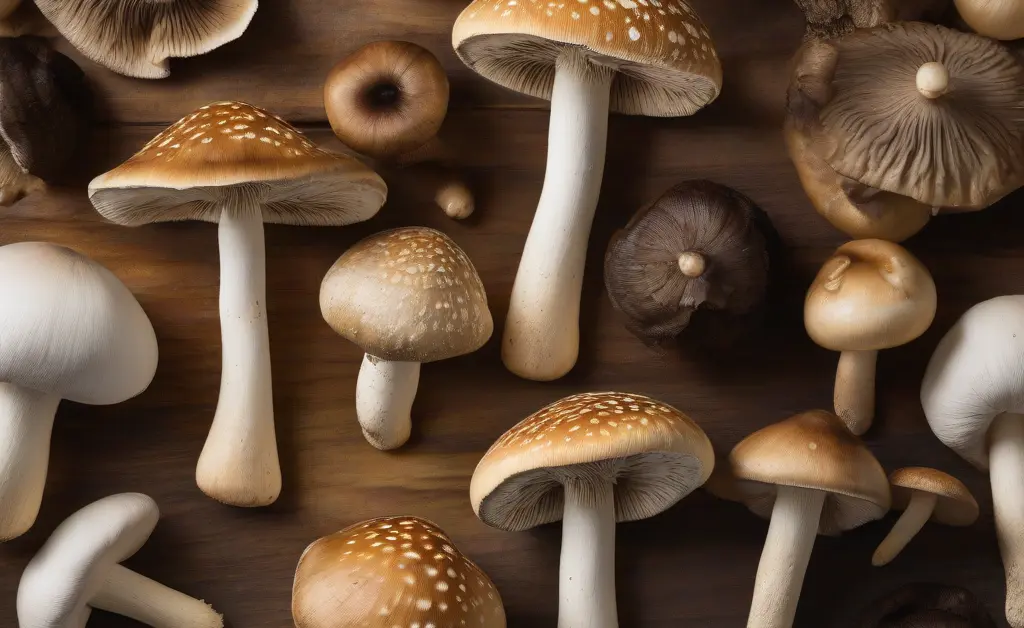
Accurate button mushroom identification extends beyond simply recognizing the white variety; it also involves understanding how they relate to, and differ from, other commonly available or wild mushrooms. This comparative knowledge is essential for both culinary diversity and safety.
vs. Cremini Mushrooms
Cremini mushrooms are, in fact, simply a more mature stage of the same species, Agaricus bisporus, as the white button mushroom. The key distinction lies in their age and appearance: creminis are allowed to grow longer, developing a light brown cap and a more pronounced earthy flavor. Their gills are typically darker, having had more time to mature their spores. Nutritionally and structurally, they are very similar, with the primary differences being color, flavor intensity, and texture, which becomes slightly firmer as they age.
vs. Portobello Mushrooms
Continuing the life cycle, portobello mushrooms are the fully mature stage of Agaricus bisporus. Their caps are broad, flat, and dark brown, often reaching several inches in diameter. The gills are fully exposed and very dark, sometimes appearing almost black. The “button mushroom vs portobello” distinction highlights the significant size and flavor differences that develop with full maturity. Portobellos offer a rich, meaty texture and a deeper, more robust umami flavor, making them suitable for grilling or as meat substitutes.
vs. Wild Edible Mushrooms (Cautionary Note)
While supermarket button mushrooms are safe to eat, distinguishing them from wild varieties is critical due to the potential presence of poisonous mushrooms. Many wild mushrooms can resemble edible ones, and misidentification can have serious consequences. For instance, some species of Amanita, which include some of the most toxic mushrooms, can sometimes be confused with members of the Agaricus genus in their button stage. It is crucial never to consume wild mushrooms unless identified by an expert. Proper button mushroom identification in a wild setting requires extensive knowledge and caution to ensure safety. For general health information, consult resources like the WHO.
Red button mushroom identification
The term “red button mushroom identification” can be a bit misleading as there isn’t a universally recognized single species commonly referred to as a “red button mushroom” in the same way as a white button mushroom. Some mushrooms may have reddish caps, especially when young, or certain edible species like some Russula or Lactarius varieties might be found in a “button” stage with red coloration. However, these are distinct species from Agaricus bisporus. For any red-capped mushroom found in the wild, meticulous identification is paramount, as many red or brightly colored mushrooms can be toxic. In a culinary context, “red button” might occasionally refer to a small, red-capped gourmet mushroom variety, but it’s not a standard commercial category like the white button mushroom.
Brown button mushroom
When people refer to a “brown button mushroom,” they are almost invariably talking about cremini mushrooms. As previously discussed, these are simply a slightly older, brown-capped version of the white button mushroom (Agaricus bisporus). They are cultivated and sold commercially as creminis, valued for their slightly deeper flavor and firmer texture compared to their younger, white counterparts. Therefore, understanding that brown button mushrooms are essentially creminis simplifies button mushroom identification in the produce aisle.
Button mushroom vs white mushroom
In common culinary parlance, the terms “button mushroom” and “white mushroom” are often used interchangeably to refer to the young, white-capped stage of Agaricus bisporus. So, when discussing “button mushroom vs white mushroom,” there is generally no distinction; they are one and the same. The “button” descriptor refers to their compact, unopened shape in their early growth stage, while “white” refers to their characteristic color. Both terms accurately describe the most widely consumed mushroom variety in many parts of the world.
Mastering button mushroom identification is a practical skill that enhances your culinary journey. By understanding the subtle differences between its various growth stages and distinguishing it from other varieties, you can confidently select and utilize this versatile ingredient. Whether you’re choosing a pristine white button for a delicate sauce, a hearty cremini for a stir-fry, or a robust portobello for grilling, your knowledge will ensure you’re always working with the best possible ingredient for your dish. Understanding the different button mushroom types is key.
This content is for informational use and should not be considered medical instruction. It is not intended to be a substitute for professional advice, diagnosis, or treatment. Always seek the advice of a qualified professional with any questions regarding health or safety, particularly concerning the consumption of wild plants or fungi. Never consume any wild mushroom unless it has been positively identified as edible by a trained expert.
FAQ
How do I know if a button mushroom is safe to eat?
Commercially grown button mushrooms are cultivated under controlled conditions to ensure safety and consistency. Foraging for wild mushrooms requires expert knowledge, as misidentification can lead to serious health consequences. Always rely on reputable sources or experienced foragers when considering wild mushrooms.
What do the gills of a button mushroom look like?
In young button mushrooms, the gills are tightly closed, appearing as a pale pinkish-white and protected by a veil. As the mushroom matures, this veil breaks, and the gills expand, revealing their characteristic pink to dark brown color. The development and appearance of these gills are key indicators of the mushroom’s life stage.
Can button mushrooms be confused with poisonous mushrooms?
While the common button mushroom (Agaricus bisporus) has distinct characteristics, certain wild toxic mushrooms can sometimes share superficial resemblances. It is crucial to be able to differentiate key features, such as gill color changes and the presence or absence of a universal veil, to avoid dangerous mistakes. Precise button mushroom identification is vital for safe foraging.
What is the difference between a button mushroom and a cremini mushroom?
Button mushrooms, cremini mushrooms, and portobello mushrooms are all the same species, *Agaricus bisporus*, just at different stages of maturity. A button mushroom is the youngest, followed by the cremini, which is slightly more mature with developing gills and a deeper brown color. The portobello is a fully mature cremini, with fully opened caps and dark brown gills.
How do I identify my mushroom?
Identifying a mushroom involves carefully observing a combination of features, including cap shape and color, gill attachment and color, stem characteristics, and spore print color. It is essential to consult reliable field guides or connect with local mycological societies for accurate identification. Misidentification of wild mushrooms can pose significant health risks.