
A Closer Look at Button Mushroom Varieties
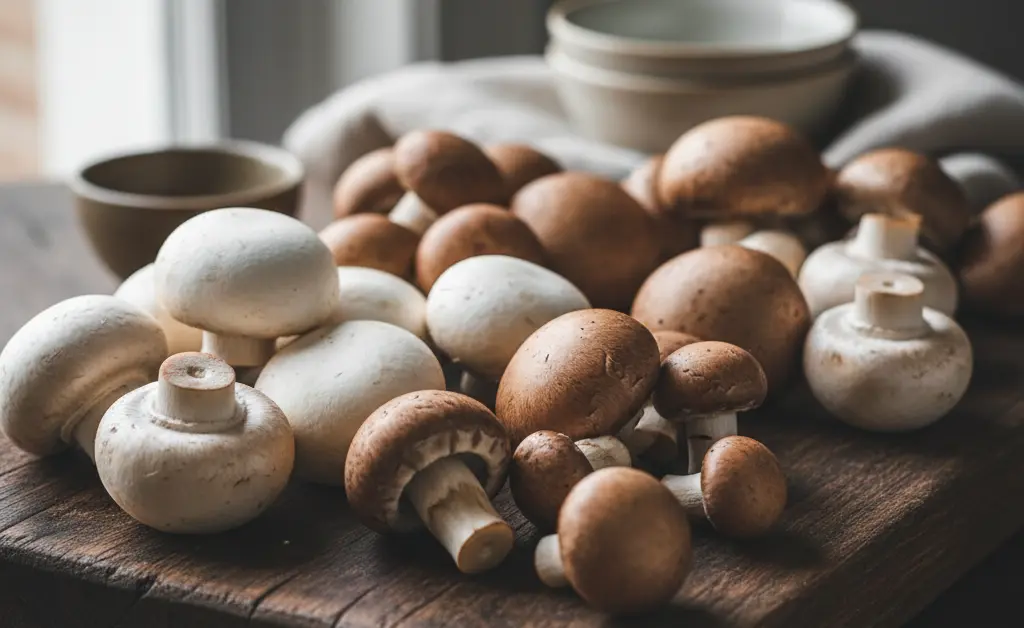
Many home cooks and culinary enthusiasts often encounter the humble button mushroom in grocery stores, seeing it as a versatile staple for countless dishes. What many people might not realize is that this seemingly simple fungus encompasses a fascinating spectrum of varieties, each offering unique characteristics and culinary applications. Beyond the common white button mushroom, there are distinct stages and closely related varieties that contribute different flavors and textures to meals. Understanding these differences can significantly enhance one’s cooking experience and appreciation for fungi. This exploration will delve into the various button mushroom types, highlighting their unique attributes, how they are grown, and the best ways to incorporate them into your kitchen, from stir-fries to gourmet main courses.
Button Mushroom Types and Pictures
While often grouped under a single umbrella, the world of button mushrooms is surprisingly diverse, showcasing a range of characteristics that appeal to different palates and culinary requirements. Exploring the various button mushroom types reveals nuances in color, texture, and flavor that can elevate any dish. These mushrooms are cultivated widely, making them accessible staples in kitchens around the globe, and their growth cycle allows for distinct harvest stages, each valued for specific traits. You can find detailed button mushroom identification here.
Brown button mushroom
The brown button mushroom, often known as cremini or crimini, represents a slightly more mature stage of the same species as the common white button mushroom. Its cap is typically light to dark brown, and it possesses a firmer texture and a more pronounced, earthy flavor compared to its younger, white counterpart. This richer flavor makes it a favorite for dishes where a deeper mushroom essence is desired, such as stews, sauces, and stir-fries. Brown button mushrooms also tend to retain their shape well during cooking, contributing to a satisfying mouthfeel in various recipes. They are commonly available and offer a good balance of flavor and versatility.
Understanding White Button Mushrooms
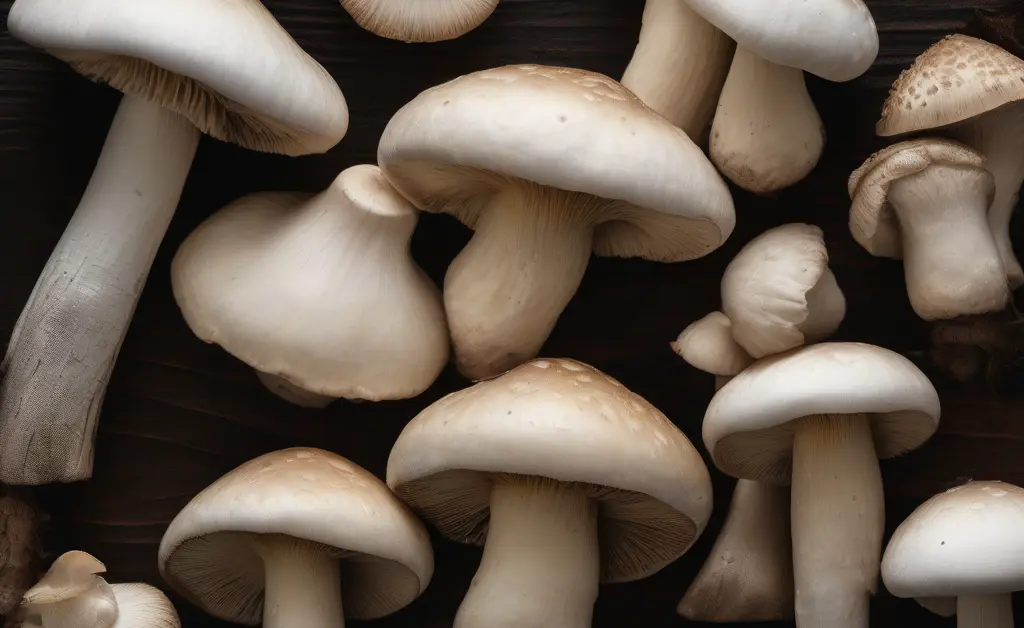
The white button mushroom is perhaps the most ubiquitous and recognizable of all the button mushroom types. Its mild flavor and firm texture make it incredibly adaptable, suitable for a vast array of culinary preparations. These mushrooms are harvested at an early stage of development, contributing to their delicate profile. Despite their widespread presence, understanding their specific attributes can help home cooks maximize their potential in the kitchen.
The White Button Mushroom: More Than Meets the Eye!
Often perceived as a generic vegetable, the white button mushroom (scientifically known as Agaricus bisporus) is a foundational ingredient in global cuisine. It is harvested when young and unopened, resulting in its characteristic smooth, white cap and mild taste. This variety’s popularity stems from its gentle flavor, which complements rather than overwhelms other ingredients, making it an excellent choice for a wide range of dishes. From being sliced raw into salads to being sautéed as a side dish or blended into soups, its versatility is unmatched. Its cultivation process is highly efficient, allowing for year-round availability and consistent quality. Learn more about the specific button mushroom diagram to understand their structure.
Common Characteristics of White Button Mushrooms
White button mushrooms are distinguished by their pristine white or off-white color, smooth cap, and short stem. They typically have a delicate, slightly sweet, and earthy flavor that is less intense than their mature counterparts. Their texture is generally firm but becomes tender when cooked. These mushrooms are known for their nutritional value, providing various vitamins and minerals, while being low in calories and fat. They also contain antioxidant properties, potentially contributing to overall wellness. White button mushrooms are exceptionally versatile: they can be enjoyed raw in salads, sautéed quickly for side dishes, added to enrich the flavor of soups and stews, or even hollowed out and stuffed for an elegant appetizer. When selecting fresh white button mushrooms, look for firm caps, an even color, and avoid any signs of sliminess or dark spots. Proper storage in a paper bag in the refrigerator can help maintain their freshness for an extended period. Research on the health benefits of mushrooms can be found on sites like NCBI.
Button Mushroom vs Portobello
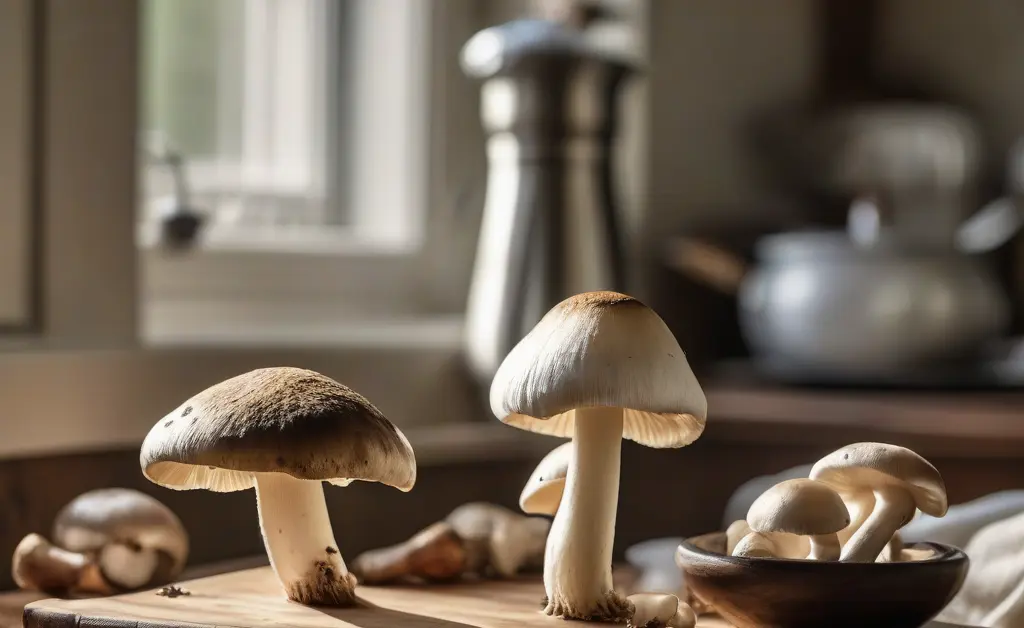
The comparison between different button mushroom types often sparks curiosity, especially when considering their culinary applications. While they may appear distinct on a grocery store shelf, the white button mushroom, cremini, and portobello are, in fact, different stages of the same remarkable fungus, Agaricus bisporus. Understanding this relationship can unlock new dimensions in cooking and appreciation for these versatile ingredients.
White Button vs. Cremini vs. Portobello: The Same Mushroom Different Stages
The journey from a tiny spore to a mature mushroom reveals the fascinating transformation of Agaricus bisporus. The white button mushroom is the youngest stage, harvested early, with its small size, white cap, and mild flavor making it a staple. As this mushroom grows a little older, its cap begins to open and darken slightly, developing into what is known as the cremini, or brown button mushroom. Creminis offer a firmer texture and a richer, more earthy flavor compared to their younger white counterparts. Finally, if the cremini is allowed to fully mature, its cap expands significantly, often reaching several inches in diameter, and the gills underneath become fully exposed and dark. At this stage, it is known as a portobello mushroom. Portobellos boast a robust, meaty texture and an intensely savory, umami-rich flavor, making them an excellent substitute for meat in vegetarian dishes, perfect for grilling or stuffing. Each of these button mushroom types, while genetically identical, provides a unique culinary experience due to its stage of maturity, offering a spectrum of flavors and textures for diverse recipes.
The diverse world of button mushrooms, from the delicate white button to the rich cremini and the hearty portobello, offers a spectrum of flavors and textures to enhance any culinary creation. Recognizing these distinct button mushroom types and their unique attributes empowers cooks to make informed choices, transforming everyday meals into extraordinary dining experiences. Whether seeking a mild complement or a robust, meaty substitute, there is a button mushroom variety perfectly suited for every dish, proving that this humble fungus truly is a versatile star in the kitchen.
While this article discusses health-related topics, it does not provide medical guidance. The information presented is for informational purposes only and should not be considered a substitute for professional medical advice, diagnosis, or treatment. Always consult with a qualified healthcare professional before making any decisions about your health or treatment plan.
FAQ
What are the different types of button mushrooms?
Button mushrooms are a single species, *Agaricus bisporaceus*, that come in different color and maturity stages. These variations are commonly referred to as different button mushroom types, even though they are biologically the same mushroom. The most common forms include white, cremini, and portobello, which are simply older versions of the same mushroom.
Are white button mushrooms the same as cremini?
White button mushrooms and cremini mushrooms are indeed the same species but at different stages of maturity. White button mushrooms are harvested when young, while cremini mushrooms are allowed to mature further, developing a firmer texture and a richer, earthier flavor. This maturation process also leads to their characteristic brown color.
How do I cook white button mushrooms?
White button mushrooms can be prepared in a multitude of ways, lending themselves well to sautéing, roasting, or adding to sauces and stews. They absorb flavors readily and can add a savory depth to dishes. Their mild taste makes them a versatile ingredient in many culinary applications.
What is the nutritional value of white button mushrooms?
White button mushrooms offer a good source of B vitamins, particularly riboflavin and niacin, which are important for energy production. They also contribute minerals like selenium and potassium to the diet. Additionally, they contain antioxidants that play a role in cellular protection.
Can you eat white button mushrooms raw?
Yes, white button mushrooms can be consumed raw and are often used in salads or as a crunchy snack. When eaten raw, they offer a crisp texture and a mild, slightly earthy taste. However, cooking can enhance their flavor and digestibility for some individuals.