
Button Mushroom Shelf Life: A Freshness Guide
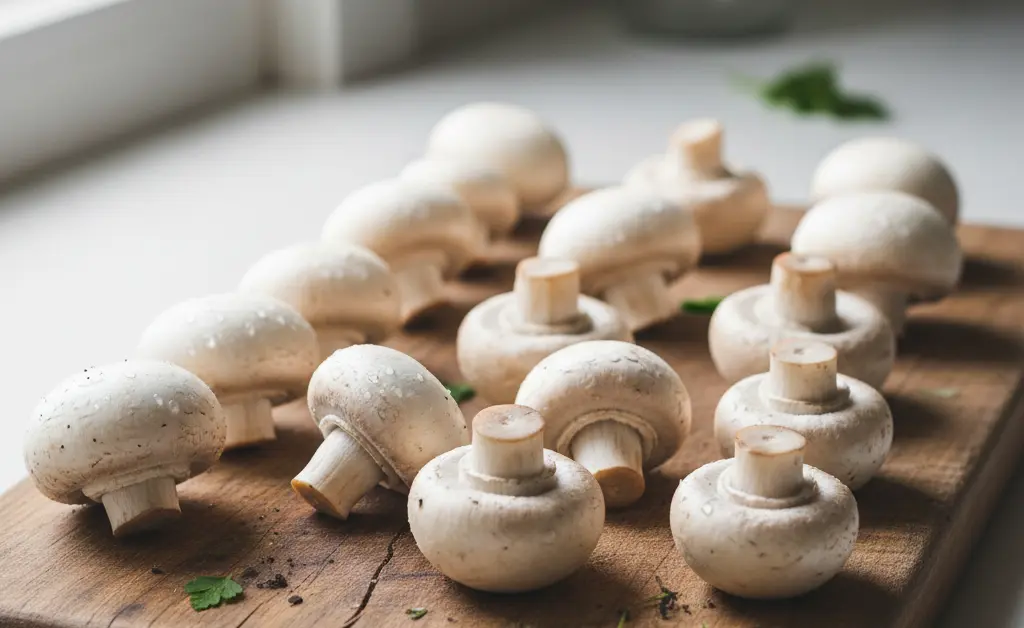
Many home cooks often find themselves wondering how to keep their produce fresh for as long as possible, and mushrooms are no exception. A common question concerns the optimal storage and longevity of these versatile fungi. Understanding the nuances of button mushroom shelf life is crucial for minimizing food waste and ensuring that your culinary creations always feature ingredients at their peak. This guide explores the various factors influencing how long these mushrooms last, from initial purchase to proper storage techniques, and helps you identify the signs of spoilage. We’ll delve into best practices for refrigeration, packaging, and handling to maximize their freshness and flavor, ensuring they remain a delightful addition to your meals.
Understanding Button Mushroom Shelf Life
The duration for which button mushrooms remain fresh and edible, commonly referred to as their button mushroom shelf life, is influenced by several factors, including their initial quality, how they are handled, and the environmental conditions in which they are stored. Knowing these factors is key to preventing premature spoilage and enjoying your mushrooms at their best. While appearing delicate, these fungi have a surprisingly complex structure that impacts their longevity.
White button mushroom shelf life
White button mushrooms are among the most popular varieties consumed worldwide, known for their mild flavor and tender texture. Their shelf life is typically consistent with other common mushroom types, assuming similar handling and storage conditions. The freshness of white button mushrooms greatly depends on how quickly they are brought from harvest to your kitchen and subsequently stored. Any damage during transport or prolonged exposure to unfavorable conditions can significantly reduce their lifespan.
Typical Shelf Life at Room Temperature
Storing mushrooms at room temperature is generally not recommended if you intend to keep them fresh for more than a very short period. Without the cooling effects of refrigeration, mushrooms tend to dehydrate rapidly and can become slimy or develop dark spots within a day or two. The ambient temperature and humidity levels in a kitchen can accelerate this deterioration, making them lose their desirable texture and flavor quickly. For optimal mushroom freshness, avoiding prolonged room temperature storage is crucial.
Typical Shelf Life Under Refrigeration
Refrigeration is the most effective method for extending the button mushroom shelf life. The cooler temperatures slow down the enzymatic processes and microbial growth that lead to spoilage. When stored correctly in a refrigerator, fresh button mushrooms can typically maintain their quality for several days, often up to a week. The exact duration can still vary based on the initial condition of the mushrooms and the specific storage techniques employed, aiming for consistent coolness and moderate humidity. For advice on potential issues with mushrooms, you can refer to button mushroom black inside.
Factors Affecting Button Mushroom Shelf Life
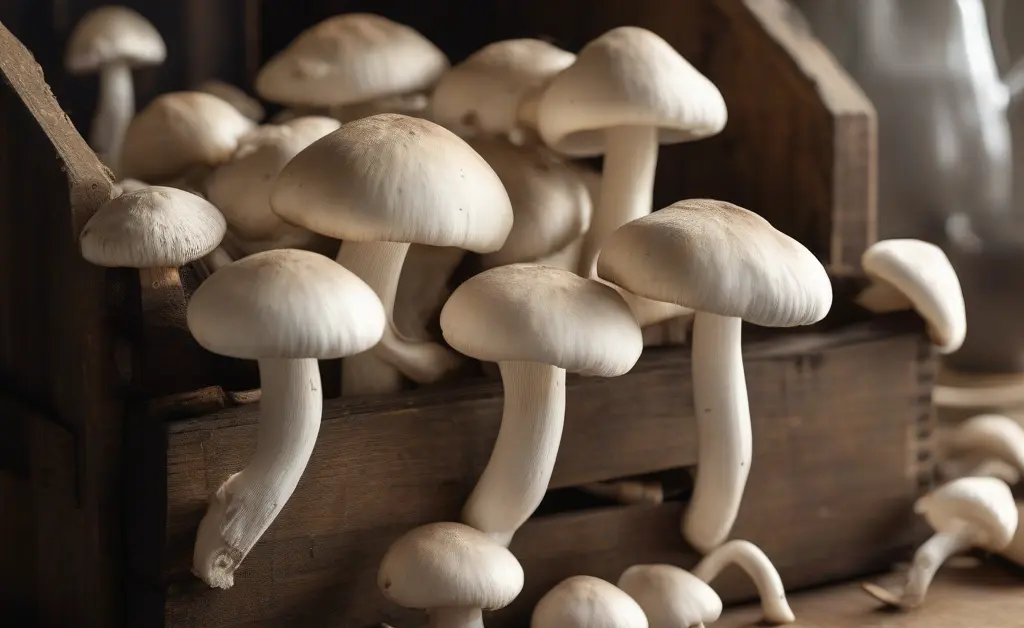
Several elements play a critical role in determining how long your button mushrooms will stay fresh. Understanding these factors can help you make informed decisions about purchasing and storage to maximize their usability. The inherent biology of mushrooms makes them particularly sensitive to their environment, directly impacting their button mushroom shelf life.
One primary factor is the initial quality and handling of the mushrooms. Mushrooms that have been recently harvested, are firm to the touch, and free from blemishes or excessive moisture will naturally have a longer shelf life. Conversely, mushrooms that show signs of damage or have been handled roughly will spoil more quickly.
Temperature and humidity are equally significant. Mushrooms thrive in cool, slightly humid environments, which is why refrigeration is so effective. High temperatures and excessive humidity can accelerate spoilage, leading to sliminess and discoloration. On the other hand, extremely low humidity can cause them to dry out and shrivel. For more information on mushroom-related topics, consider exploring resources from the EFSA. The EFSA provides valuable data on food safety. EFSA.
The packaging methods also contribute to longevity. Store-bought mushrooms are often packaged in plastic-wrapped trays, which can trap moisture and accelerate decay once opened. Proper home storage involves allowing some air circulation while preventing excessive moisture loss. Washing and preparation before storage is another critical point; mushrooms absorb water easily, and storing them wet will significantly reduce their shelf life due to increased moisture leading to bacterial growth.
How to Store Button Mushrooms for Maximum Shelf Life
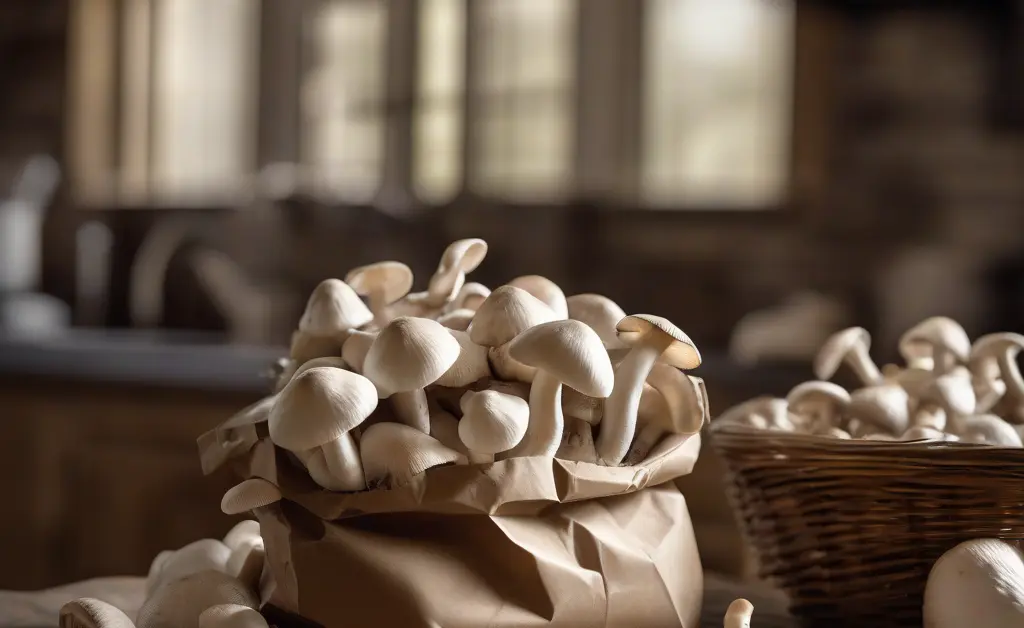
Achieving maximum button mushroom shelf life involves a combination of careful handling and appropriate storage techniques. The goal is to create an environment that minimizes moisture accumulation while allowing the mushrooms to breathe, thereby slowing down the natural decay process and preserving their texture and flavor for as long as possible.
Refrigeration Best Practices
Refrigeration is undoubtedly the best way to store fresh mushrooms. To optimize their stay in the fridge, avoid placing them in the coldest parts, as this can sometimes cause them to freeze slightly, altering their texture. A crisper drawer, which offers slightly higher humidity than other refrigerator sections, can be ideal. However, it’s crucial that they are not sealed tightly within the drawer, as some air circulation is necessary to prevent condensation buildup that leads to sliminess.
Proper Packaging for Storage
When it comes to packaging, the principle is to allow air circulation while preventing dehydration. The common practice of using paper bags, such as a brown paper lunch bag, is highly effective. The paper absorbs excess moisture released by the mushrooms, preventing them from becoming slimy, while still allowing them to breathe. Alternatively, if keeping them in their original container, consider poking a few holes in the plastic wrap to facilitate air exchange. Avoid airtight plastic containers, which trap moisture and speed up spoilage.
Storing Whole vs. Sliced
Generally, whole button mushrooms tend to have a longer shelf life compared to sliced ones. Slicing exposes more surface area to air, increasing the rate of oxidation and moisture loss. This can lead to faster browning and a quicker decline in texture and freshness. If you need to slice them, it’s best to do so just before use. If you must slice them ahead of time, store them in the refrigerator using the proper packaging methods described above, but plan to use them sooner.
Signs of Spoiled Button Mushrooms
Identifying spoiled mushrooms is essential to avoid consuming unsafe food and to understand when your button mushroom shelf life has been exceeded. While they may not always pose a severe health risk, spoiled mushrooms will certainly detract from the taste and texture of your dishes.
Visual Indicators of Spoilage
The first signs of spoilage are often visual. Fresh button mushrooms are typically firm, uniformly colored (white or off-white), and have a relatively dry surface. As they begin to spoil, you might notice dark spots or patches appearing on their caps or stems. A common visual cue is a slimy or sticky film on their surface. Many wonder, “Can you eat button mushrooms that are a little slimy?” While a slight sliminess might sometimes be acceptable if other signs are absent, a prominent slimy coating usually indicates that they are past their prime and should not be consumed.
Smell and Texture Changes
Beyond visual cues, changes in smell and texture are strong indicators of spoilage. Fresh mushrooms have a mild, earthy aroma. If your mushrooms emit a strong, fishy, or sour odor, it’s a clear sign they have gone bad. As for texture, fresh button mushrooms are firm and plump. Spoiled mushrooms, on the other hand, will feel soft, spongy, or even squishy. They may also appear shriveled or wilted. Any of these significant changes suggest that the mushrooms should be discarded.
Tips for Extending Button Mushroom Freshness
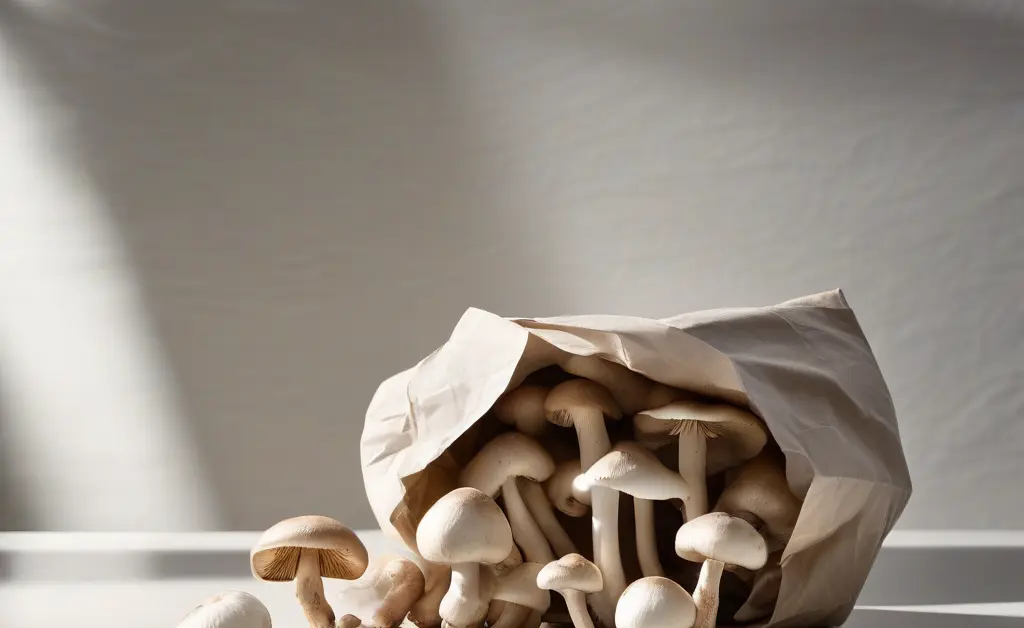
Beyond proper storage, a few additional practices can help you get the most out of your button mushrooms and extend their freshness even further. These strategies aim to address common issues like moisture buildup and provide options for longer-term preservation, ensuring you maximize the button mushroom shelf life.
Avoiding moisture build-up is paramount. Never wash mushrooms until you are ready to use them, as excess water can cause them to become soggy and spoil faster. If they are visibly dirty, gently brush off any soil with a dry cloth or a soft mushroom brush. Another tip is to buy them in bulk from a reputable source, where they are less likely to have been stored in airtight plastic for extended periods. For long-term storage, freezing mushrooms is an excellent option. While their texture may change slightly upon thawing, they are still perfect for cooked dishes like soups, stews, and sauces. Blanching or sautéing them lightly before freezing can help preserve their quality. For those interested in other mushroom types, understanding potential side effects is also important, such as those associated with tremella mushroom side effects.
Button mushroom shelf life in fridge
The refrigerator is undeniably the best environment for prolonging button mushroom shelf life. To truly optimize their longevity in this setting, consider the specific conditions within your fridge. Avoid placing them near strong-smelling foods, as mushrooms can absorb odors. Ensure they are not squashed by other items, as physical pressure can damage their delicate structure and hasten decay. Regularly check on your stored mushrooms, removing any that show early signs of spoilage to prevent contamination of the rest. By consistently applying these refrigerated storage principles, you can significantly enhance the period over which your button mushrooms remain fresh and ready for culinary use.
Mastering the art of storing button mushrooms is a simple yet effective way to enhance your cooking and minimize food waste. By understanding the factors that influence their shelf life, from initial quality to environmental conditions, you can ensure your mushrooms remain fresh and flavorful for longer. Always remember that proper refrigeration, allowing them to breathe with appropriate packaging like paper bags, and keeping them dry until use are key practices. Being vigilant for signs of spoilage will help you enjoy these versatile fungi at their best, adding an earthy depth to countless dishes.
not applicable
FAQ
How long do button mushrooms last in the fridge?
Button mushrooms, when stored properly in the refrigerator, typically maintain good quality for about a week. Keeping them in their original packaging or a breathable container helps regulate moisture, which is key to extending their freshness.
How do I know if mushrooms have gone bad?
Signs of spoilage in mushrooms include a slimy texture and an ammonia-like odor. Discoloration, such as dark spots or a general dulling of their white appearance, can also indicate they are no longer fresh.