
Finding the Perfect Button Mushroom Substitute
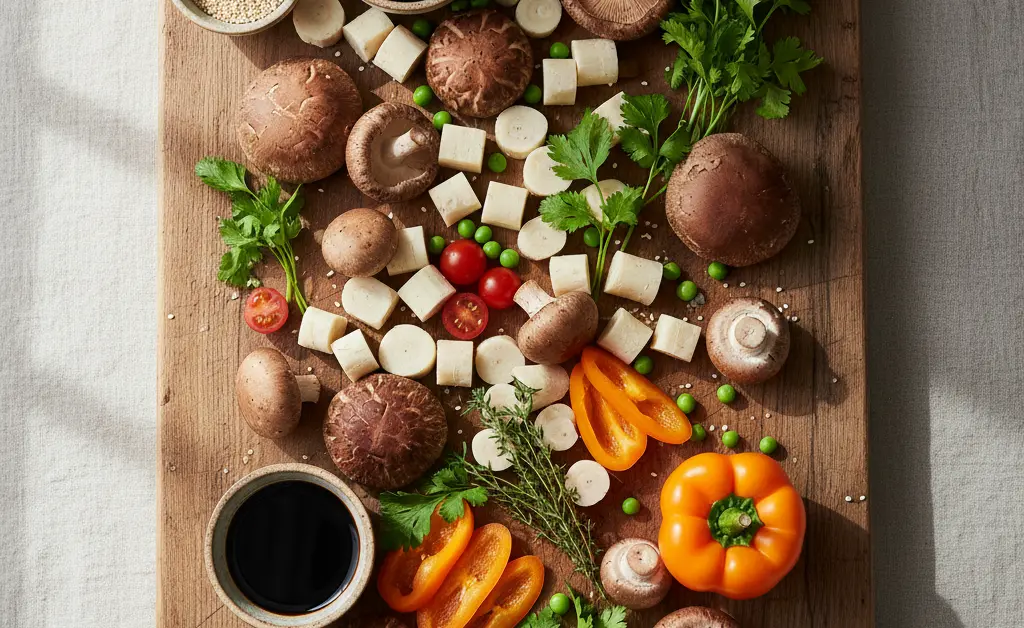
Many home cooks find themselves in situations where button mushrooms aren’t available, or perhaps a diner has an aversion or allergy. As someone who has navigated countless culinary challenges, I understand the need for versatile alternatives that can maintain the integrity and flavor profile of a dish. Selecting the appropriate button mushroom substitute is crucial for ensuring your recipes still deliver that desired umami depth and textural interest. This guide offers practical solutions, exploring a range of ingredients that can successfully fill the void left by these popular fungi, from maintaining richness in sauces to providing a satisfying bite in stir-fries. We’ll delve into various options, ensuring your meals remain delicious and complete, even without the classic white mushroom.
Best Button Mushroom Substitutes for Various Dishes
When seeking a suitable button mushroom substitute, it’s essential to consider the specific role the mushroom plays in your dish. Whether it’s for texture, flavor absorption, or simply adding bulk, different ingredients excel in different contexts. Exploring a variety of options allows for culinary flexibility without compromising the overall quality of your meal.
Substitutes for Savory Dishes (Soups, Stews, Sauces)
For dishes that rely on the deep, earthy notes and tender texture of button mushrooms, several alternatives can perform admirably. Rehydrated dried mushrooms, such as shiitake or porcini, offer an intensified umami flavor and a satisfying chewiness, often enhancing the richness of broths and gravies. Vegetables like eggplant, when diced and simmered, can absorb flavors beautifully and provide a soft, meaty texture. Zucchini and artichoke hearts also work well, particularly when aiming for a slightly brighter, less intense earthy note. Sun-dried tomatoes can add a concentrated savory depth and a pleasant chew, especially in tomato-based sauces.
Substitutes for Sautéing and Stir-Frying
In sautéed dishes and stir-fries, the goal is often a tender yet slightly firm texture that can hold its shape and absorb the flavors of accompanying ingredients. Oyster mushrooms, if not entirely avoiding fungi, have a delicate texture and mild flavor that sauté beautifully. For non-mushroom options, firm tofu or tempeh, pressed and cubed, can be stir-fried to achieve a satisfying bite and readily soak up marinades and sauces. Bell peppers and celery, cut into similar sizes as sliced mushrooms, offer a crisp-tender texture and contribute their own unique sweetness and aromatics to the mix.
Substitutes for Pizza and Toppings
Button mushrooms are a classic pizza topping, providing a soft, earthy addition. For alternatives, roasted red peppers offer a sweet and smoky flavor with a tender texture. Caramelized onions bring a deep, savory sweetness that complements many pizza profiles. Black olives provide a briny contrast, while thinly sliced zucchini or marinated artichoke hearts can add a delicate bite and Mediterranean flair. Sun-dried tomatoes, diced, offer intense flavor without adding excessive moisture, ensuring a crisp crust.
Substitutes for Stuffing and Casseroles
In stuffings and casseroles, button mushrooms contribute moisture, umami, and a pleasing texture that blends well with other ingredients. Water chestnuts, finely chopped, offer a delightful crunch and mild flavor. Celery, onions, and leeks are classic aromatic additions that provide bulk and a savory base. For a heartier alternative, cooked wild rice or lentils can be incorporated, adding substance and earthy notes. Roasted chestnuts, when chopped, can also mimic the soft, meaty texture and mild, earthy flavor of cooked mushrooms.
Mushroom substitute in stroganoff
Stroganoff traditionally features mushrooms prominently, offering a rich, savory component to the creamy sauce. An excellent button mushroom substitute for this dish can be eggplant, diced and sautéed until tender and browned; it absorbs the sauce beautifully and provides a satisfying ‘meaty’ texture. Seitan, a wheat-based protein, can also be sliced and browned, offering a firm, chewy consistency that holds up well in the sauce. For those who can tolerate other mushroom varieties, sliced portobello or cremini mushrooms, with their deeper flavor, might be an option if button mushrooms are specifically being avoided.
Mushroom substitute in pasta
When incorporating a button mushroom substitute into pasta dishes, you want an ingredient that can integrate seamlessly with the sauce and other components. Diced zucchini or eggplant, gently sautéed until tender, are versatile options that absorb the flavors of the pasta sauce. Artichoke hearts, either quartered or chopped, add a tangy and slightly briny note, along with a tender texture. Roasted red peppers, especially when jarred, can be sliced and mixed in for a sweet and smoky element. Olives, particularly Kalamata or black olives, contribute a salty, umami depth, while sun-dried tomatoes offer a concentrated chewiness and rich flavor that pairs well with many pasta sauces.
How to Choose the Right Button Mushroom Substitute
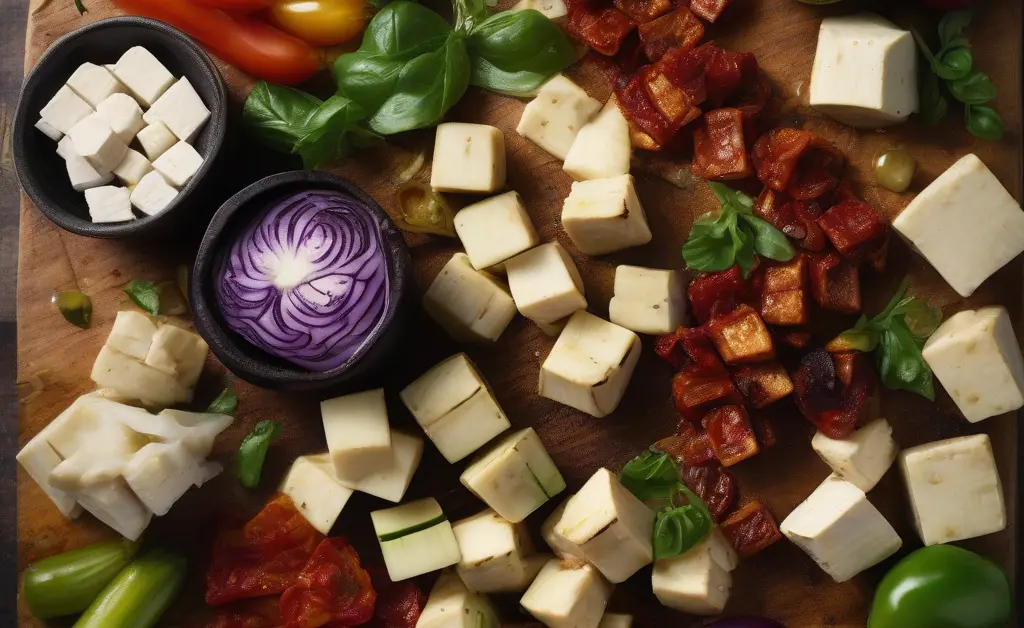
Selecting the ideal button mushroom substitute involves a careful assessment of what you aim to achieve in your dish. Consider the primary function of the mushroom: is it for texture, flavor, moisture, or a combination? If texture is paramount, options like eggplant, firm tofu, or even certain root vegetables might be appropriate. For deep umami flavor, rehydrated dried mushrooms or ingredients with concentrated savory notes like sun-dried tomatoes can be effective. Dietary restrictions, such as vegan preferences or specific allergies, will also guide your selection, ensuring the chosen alternative meets all requirements. The cooking method is another crucial factor; some substitutes excel in long-simmered stews, while others are best for quick sautés or as a raw topping. Always think about how the substitute will interact with the other ingredients in your recipe to maintain a harmonious flavor profile.
15 Best Mushroom Substitutes (+ 2 Worst)
Choosing the right alternative means understanding what each ingredient brings to the table. Here are some of the most effective button mushroom substitutes and a couple that might be less ideal for replicating their unique qualities.
15 Best Substitutes:
- **Oyster Mushrooms:** Offer a delicate, savory flavor and tender texture, suitable for sautéing.
- **Shiitake Mushrooms:** Provide a strong umami punch and meaty texture, especially good when dried and rehydrated.
- **Portobello Mushrooms:** Larger and meatier, excellent for grilling or roasting, bringing a robust flavor.
- **Eggplant:** Absorbs flavors well and offers a soft, ‘meaty’ texture when cooked.
- **Zucchini:** Mild in flavor, it adds moisture and a tender bite, blending well in many dishes.
- **Artichoke Hearts:** Tangy and tender, they provide a unique flavor and soft texture.
- **Sun-Dried Tomatoes:** Concentrated umami flavor and a chewy texture, great for sauces and toppings.
- **Firm Tofu:** Pressed and cooked, it can mimic a tender, absorbent texture in stir-fries and stews.
- **Tempeh:** Offers a firmer, nuttier texture than tofu, ideal for heartier dishes.
- **Bell Peppers:** Adds sweetness, crunch, and color, particularly good in stir-fries or as toppings.
- **Carrots:** When finely diced and cooked, they contribute sweetness and a tender texture, suitable for many savory dishes.
- **Celery:** Offers a subtle peppery flavor and a crisp-tender texture, often used in stuffings and mirepoix.
- **Leeks:** Sweet and oniony when cooked, they provide a soft texture and aromatic depth.
- **Chestnuts:** Cooked and chopped, they can mimic the earthy, soft texture of mushrooms in stuffings.
- **Lentils:** Cooked lentils offer an earthy flavor and soft texture, suitable for bulking up stews or pasta sauces.
2 Less Ideal Substitutes (and why):
- **Water-rich Vegetables (like cucumber or raw lettuce):** While healthy, they contain too much water and lack the required structure and depth of flavor when cooked, often resulting in a watery, insubstantial addition that doesn’t hold up.
- **Strongly Flavored Herbs/Spices (as a standalone substitute):** While herbs and spices are crucial for flavor, they can’t replicate the texture or bulk of a button mushroom substitute. Relying solely on them might leave a dish feeling incomplete.
Tips for Using Button Mushroom Substitutes
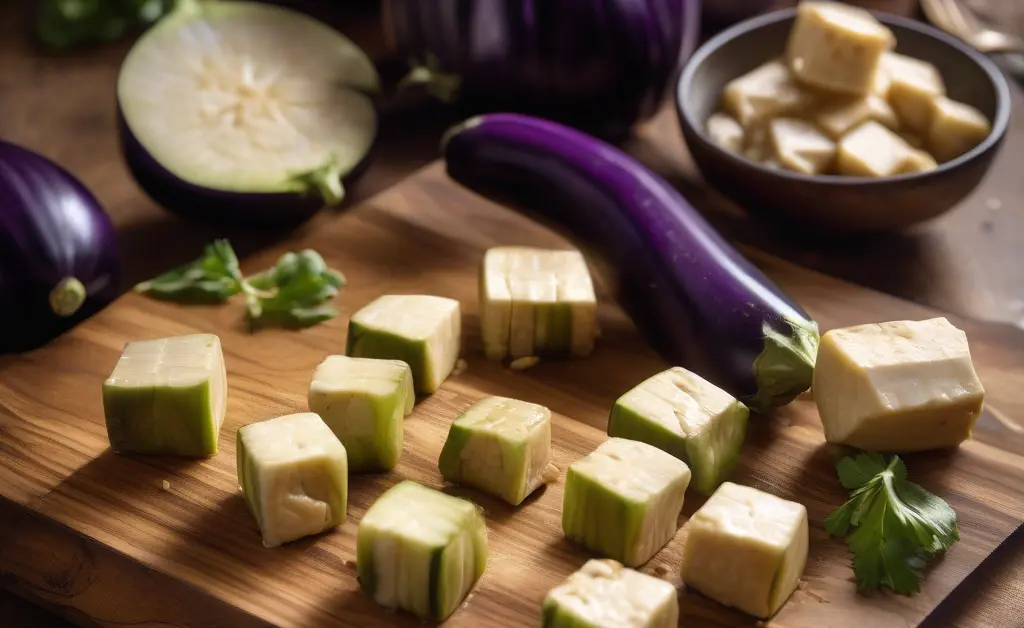
Successfully integrating a button mushroom substitute into your cooking involves more than just swapping ingredients. It requires an understanding of how to optimize the replacement for the best results. One key tip is to consider the texture you’re aiming for; some substitutes may require different cooking times or preparation methods to achieve a desirable consistency. For instance, eggplant may need to be salted and drained to reduce bitterness and excessive moisture, while tofu often benefits from pressing to firm it up. Adjusting seasonings is also vital. Button mushrooms provide a natural umami, so you might consider adding a dash of soy sauce, nutritional yeast, or a rich vegetable broth to your dish to enhance the savory depth when using a milder substitute. Additionally, mimicking the way mushrooms brown can be achieved by sautéing many vegetable substitutes until they develop a rich, caramelized exterior. Don’t be afraid to experiment with different combinations to find what works best for your palate and the specific recipe.
button mushroom substitute vegan
For individuals adhering to a vegan diet, finding a suitable button mushroom substitute that also aligns with plant-based principles is straightforward, as many non-mushroom alternatives are naturally vegan. Ingredients like eggplant, zucchini, artichoke hearts, sun-dried tomatoes, and various peppers are excellent choices, offering diverse textures and flavors that can enhance a wide range of vegan dishes. Firm tofu and tempeh are particularly valuable as a button mushroom substitute in vegan cooking, providing a robust, protein-rich element that can absorb marinades and sauces, mimicking the heartiness often associated with mushrooms. Even certain types of nuts, like chopped walnuts or pecans, can offer a satisfying texture in stuffings or as a topping. When considering a button mushroom substitute for vegan recipes, focus on ingredients that contribute not only to the dish’s texture but also to its overall savory depth, ensuring a complete and satisfying plant-based meal.
Healthy button mushroom substitute

When seeking a healthy button mushroom substitute, the focus often shifts to vegetables that offer similar benefits in terms of nutrients, fiber, and low calorie content. Many excellent choices fit this criterion, providing a wholesome alternative without compromising flavor or texture. Eggplant, for example, is rich in fiber and antioxidants, and when cooked, it offers a soft, satisfying texture. Zucchini is another healthy option, low in calories and a good source of vitamins, blending seamlessly into various dishes. Artichoke hearts provide fiber and a unique flavor profile. Bell peppers, vibrant and nutrient-dense, contribute vitamins and a pleasant sweetness. Legumes like lentils can also be a fantastic button mushroom substitute, adding protein and fiber to stews and sauces. These healthy alternatives allow you to maintain or even boost the nutritional value of your meals while successfully replacing button mushrooms.
The culinary landscape is vast and varied, offering a wealth of ingredients that can step in when button mushrooms are unavailable or undesired. From the earthy notes of rehydrated dried mushrooms to the satisfying texture of eggplant or tofu, there’s a substitute for every dish and preference. Experimentation is key to discovering new favorite flavors and textures, ensuring that your cooking remains dynamic and delicious. Embrace these alternatives, and you’ll find that your kitchen creativity knows no bounds, allowing you to craft meals that are both innovative and deeply satisfying, even without the classic button mushroom.
This content is for informational use and should not be considered medical instruction. It is not intended to provide medical advice, diagnosis, or treatment. Always consult with a qualified healthcare professional for any health concerns or before making any decisions related to your health or well-being.
FAQ
What can I use if I don’t have button mushrooms?
When button mushrooms are unavailable, consider using cremini mushrooms, which offer a similar texture and a slightly deeper flavor. Shiitake mushrooms can also be a good option, providing a more robust umami taste and a chewier texture.
What is a good substitute for mushrooms in a recipe?
If you’re looking for something entirely different from mushrooms, consider ingredients that can provide a savory or “meaty” element. For instance, finely chopped and sautéed eggplant can offer a tender texture and absorb flavors well. Some people also find that cooked lentils or crumbled tempeh can add substance and richness to dishes where mushrooms might otherwise be used.
Can I use other mushrooms instead of button mushrooms?
Certainly, many other mushroom varieties can be used in place of button mushrooms. Cremini mushrooms are a very common and effective substitution, often being the same mushroom at a different stage of maturity. Oyster mushrooms present a delicate flavor and a slightly different texture, while shiitake mushrooms can bring a more intense, earthy taste to your cooking.
Continue reading
You May Also Like
Finding the Perfect Enoki Noodle Substitute
Find a simple enoki mushroom substitute for noodles from seven options that offer a similar delicate texture for healthy, keto, or vegan meals.

Perfect Air Fryer Button Mushrooms
Get perfectly roasted, tender-crisp mushrooms in just minutes with our healthy button mushroom air fryer recipe for a fast and easy side.

Crafting the Perfect Button Mushroom Biryani
This detailed guide provides a step-by-step recipe for a flavorful and aromatic button mushroom biryani, including key tips for preparation.