
Understanding Vitamin D in Button Mushrooms
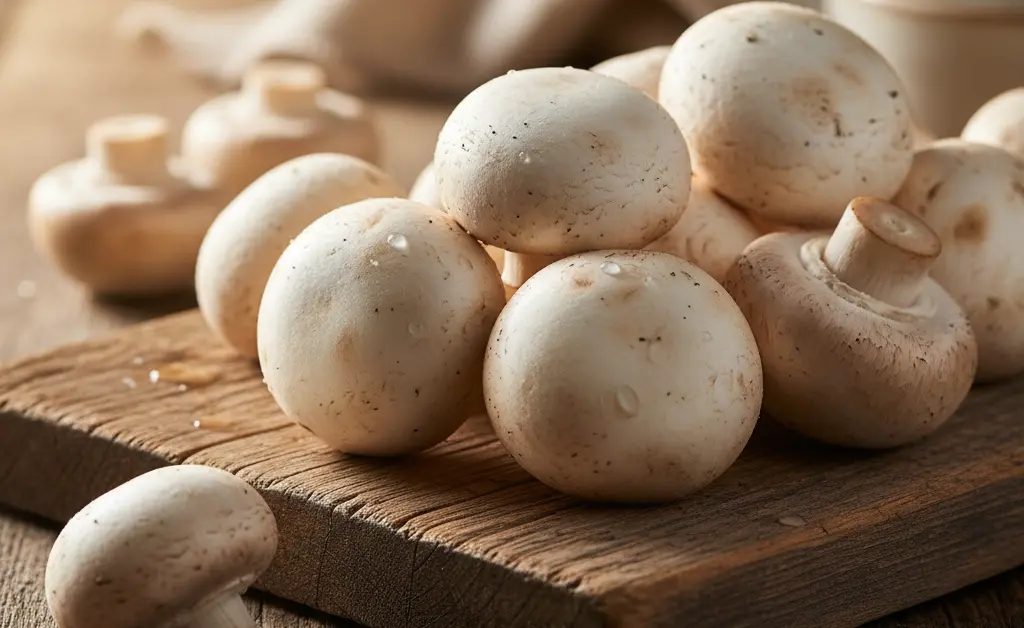
Incorporating button mushrooms into one’s diet offers a practical way to supplement vitamin D intake, especially for those seeking plant-based or alternative sources of this essential nutrient. Vitamin D plays a crucial role in bone health, immune function, and overall well-being, yet deficiencies are common globally. While sunlight exposure is a primary natural source, and fortified foods contribute, understanding how specific dietary items can help is valuable. This article delves into the fascinating process by which button mushrooms acquire and store vitamin D, exploring factors like UV exposure and cultivation methods that influence their final content. We will also compare their vitamin D levels to other sources and discuss practical ways to incorporate these beneficial fungi into your daily meals to enhance your vitamin D status. The presence of button mushroom vitamin d is a significant nutritional advantage that many are unaware of.
Button Mushroom Vitamin D Production
The ability of button mushrooms to produce vitamin D is a unique biological process, making them a distinctive plant-based source of this essential nutrient. Unlike animals, which produce cholecalciferol (vitamin D3), mushrooms synthesize ergocalciferol (vitamin D2) when exposed to ultraviolet (UV) light. This conversion process is similar to how human skin produces vitamin D from sunlight. The inherent capacity for button mushroom vitamin d production is rooted in their natural biology, particularly the presence of a sterol called ergosterol within their cell walls.
Button Mushroom Vitamin D Sunlight Exposure
The key to unlocking vitamin D content in mushrooms lies in their exposure to UV radiation. Just as sunlight triggers vitamin D synthesis in human skin, it does the same for button mushrooms. Wild mushrooms naturally absorb UV light from the sun as they grow in outdoor environments. However, commercially grown button mushrooms are often cultivated in dark, controlled environments to ensure consistent color and texture, which limits their natural vitamin D content. To enhance their vitamin D levels, these mushrooms can be purposefully exposed to UV light, such as from UV lamps, for a specified duration, mimicking natural sunlight exposure. This controlled exposure allows the ergosterol within the mushrooms to convert into vitamin D2. The World Health Organization (WHO) provides further information on sun exposure and health. You can learn more about turkey tail mushroom nutrition facts.
How Button Mushrooms Get Their Vitamin D
At a molecular level, button mushrooms acquire their vitamin D through a photobiochemical reaction. Inside the mushroom cells, ergosterol acts as a precursor to vitamin D2. When UV radiation penetrates the mushroom tissue, it converts ergosterol into previtamin D2, which then rapidly isomerizes into ergocalciferol, or vitamin D2. This mechanism is an efficient way for these fungi to develop and store vitamin D. The amount of vitamin D produced depends on several factors, including the intensity and duration of UV exposure, as well as the mushroom species and its ergosterol content. This natural process highlights how a simple intervention like light exposure can significantly enhance the nutritional profile of button mushrooms.
Button Mushroom Vitamin D Content Comparison
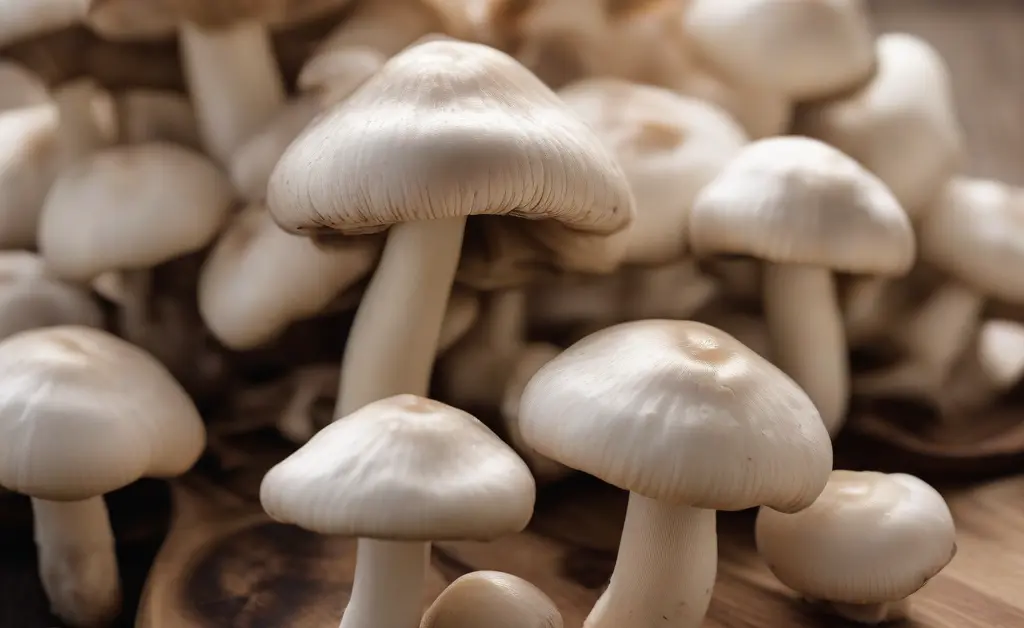
When considering dietary sources of vitamin D, button mushrooms offer a compelling option, particularly for those following vegetarian or vegan diets. To truly appreciate the value of button mushroom vitamin d, it’s helpful to compare its levels with other common dietary sources. While fatty fish and fortified dairy products are well-known for their vitamin D content, UV-treated button mushrooms can also contribute significantly to daily intake. They primarily provide vitamin D2, which, while structurally different from vitamin D3 found in animal sources, is also recognized by the body and can help raise vitamin D levels.
Button Mushroom Vitamin D2 Levels
Button mushrooms primarily contain vitamin D2 (ergocalciferol). The levels of vitamin D2 can vary significantly based on whether the mushrooms have been exposed to UV light. Mushrooms naturally grown in sunlight or commercially treated with UV lamps can have substantially higher vitamin D2 content compared to those grown in dark conditions. Studies have shown that a serving of UV-treated button mushrooms can provide a notable amount of vitamin D2, making them a valuable contributor to dietary vitamin D. This vitamin D2 contributes to bone health and immune function, similar to how vitamin D3 functions in the body. Discover the enoki mushroom vitamins content.
Factors Affecting Vitamin D Levels in Mushrooms
Several factors can influence the final vitamin D content in mushrooms. The most critical factor is UV light exposure; mushrooms grown in darkness contain very little vitamin D, whereas those exposed to UV light can accumulate considerable amounts. The duration and intensity of UV exposure also play a role, with longer and more intense exposure generally leading to higher vitamin D levels, up to a saturation point. Additionally, the specific species of mushroom, its maturity, and even post-harvest handling can impact how much vitamin D it contains. For instance, slicing mushrooms before UV exposure can increase their surface area, potentially allowing for greater vitamin D conversion. Understanding these factors can help consumers and producers maximize the nutritional benefits of mushrooms. Did you know about enoki mushroom carbs?
Button Mushrooms and Vitamin D Content
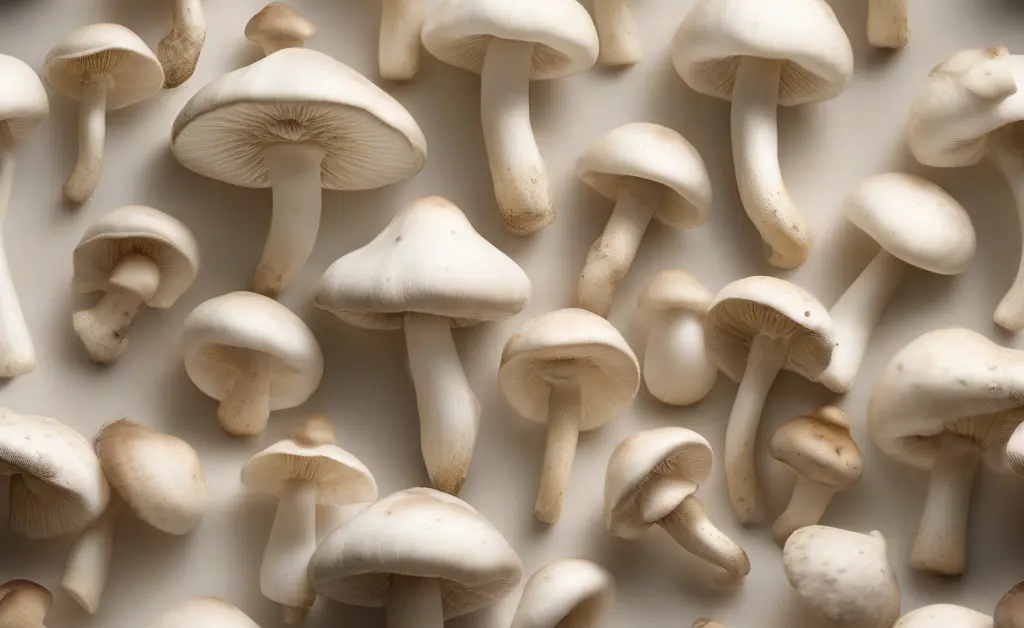
Incorporating button mushrooms into a regular diet can be a straightforward strategy to boost vitamin D intake, particularly for individuals seeking diverse sources beyond fortified foods or animal products. The presence of button mushroom vitamin d offers a practical solution to contribute to overall nutritional well-being. Understanding how preparation methods might influence this content is beneficial for maximizing their dietary impact.
Vitamin D in Raw vs. Cooked Button Mushrooms
A common question concerns how cooking affects the vitamin D content in button mushrooms. Research suggests that vitamin D, whether D2 or D3, is relatively stable under typical cooking temperatures. Therefore, cooking methods such as sautéing, grilling, or baking are unlikely to significantly degrade the vitamin D levels in mushrooms. This means that whether you enjoy your UV-treated button mushrooms raw in a salad or cooked into a stir-fry, they can still provide their valuable vitamin D contribution. The stability of vitamin D during cooking ensures that their nutritional benefit remains accessible through various culinary preparations. Some individuals may need to be aware of enoki mushroom high in uric acid.
Button Mushroom Vitamin D Deficiency Solutions
Given the widespread prevalence of vitamin D insufficiency, dietary sources like button mushrooms can play a supportive role in addressing this public health concern. For individuals who may have limited sun exposure, dietary restrictions, or simply wish to diversify their nutrient intake, button mushrooms offer a natural and accessible option. Regular consumption of UV-treated button mushrooms, as part of a balanced diet, may help contribute to maintaining adequate vitamin D levels. They serve as a plant-based alternative that can complement other vitamin D sources and help meet daily nutritional needs, thereby supporting bone health and immune system function.
How To Get Your Button Mushroom Vitamin D
Maximizing the intake of button mushroom vitamin D is quite simple. When purchasing mushrooms, look for labels indicating “UV-treated” or “high vitamin D,” as these mushrooms have been specifically exposed to UV light to boost their ergocalciferol content. If you have access to fresh button mushrooms, you can even enhance their vitamin D content at home by exposing them to direct sunlight for a period before consumption. Placing them gill-side up for a duration, for example, can significantly increase their vitamin D levels. Once prepared, these mushrooms can be added to a wide array of dishes, from omelets and soups to pasta and stir-fries, making it easy to integrate this beneficial nutrient into your meals.
The content provided in this article is intended for informational learning, not clinical application. This information is for general knowledge and educational purposes only, and does not constitute medical advice. It is essential to consult with a qualified healthcare professional for any health concerns or before making any decisions related to your health or treatment. Reliance on any information provided in this article is solely at your own risk.
FAQ
Do button mushrooms naturally contain vitamin d?
Button mushrooms possess a unique ability to produce vitamin D when exposed to ultraviolet (UV) light, similar to how human skin synthesizes it. This process converts a precursor molecule within the mushroom into vitamin D2. While they contain the building blocks, their natural vitamin D levels are typically low without UV exposure.
How much vitamin d is in a serving of button mushrooms?
The amount of vitamin D in a serving of button mushrooms can vary significantly based on their UV light exposure. Some commercially grown mushrooms are intentionally exposed to UV light to boost their vitamin D content. Without such treatment, the levels are generally quite modest.
Can you get vitamin d from eating mushrooms exposed to sunlight?
Yes, mushrooms exposed to sunlight or other UV light sources can become a good source of vitamin D2. This exposure triggers the conversion of ergosterol, a compound found in mushrooms, into vitamin D. Therefore, mushrooms that have been intentionally cultivated or naturally exposed to UV radiation are more likely to contribute to vitamin D intake.
Continue reading
You May Also Like
Understanding Button Mushroom Pricing in Sri Lanka
Get a current overview of the button mushroom price in Sri Lanka, with detailed comparisons based on variety, quality, and market factors.
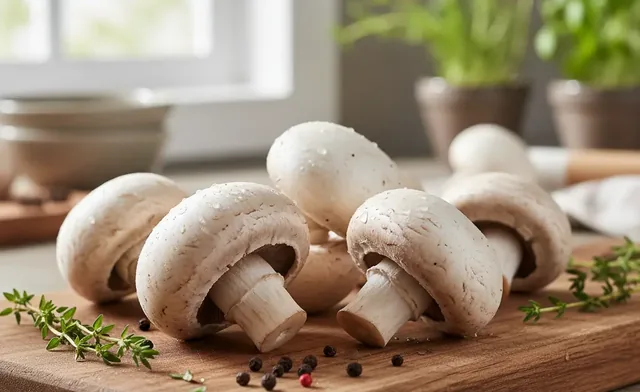
Understanding the Side Effects of Button Mushrooms
While a popular food, some people may experience button mushroom side effects, including digestive discomfort, skin irritation, or other reactions.
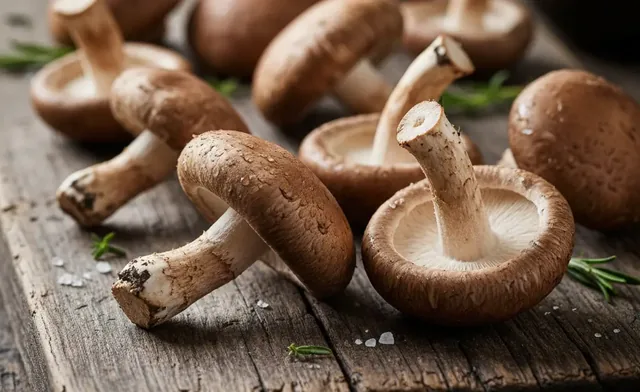
Understanding Shiitake Mushroom Vitamin D: Benefits and How to Optimize Levels
Delve into the fascinating world of shiitake mushroom vitamin d, understanding its benefits and effective techniques for maximizing its nutritional…