
Button vs. Cremini: A Guide to Flavor and Use
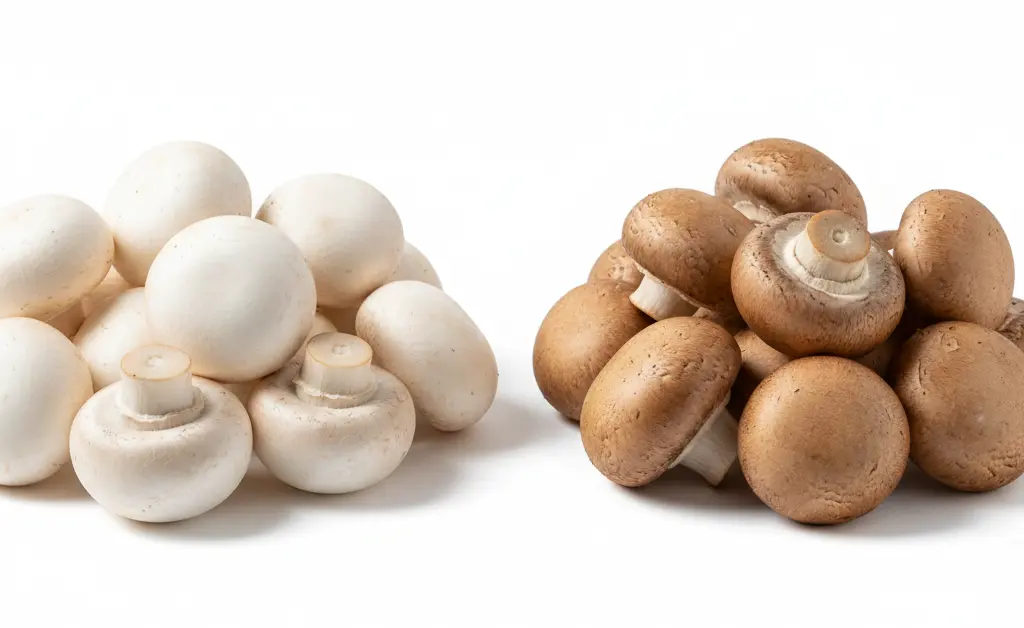
Often appearing similar in grocery store produce aisles, the button and cremini mushrooms are two of the most popular varieties consumed globally, frequently leading to questions about their distinctions. Both are staples in home kitchens and professional culinary environments, known for their earthy umami notes and adaptable textures that enhance a wide array of dishes. While they share a common lineage, subtle yet significant differences exist in their maturity, flavor profile, and ideal applications. Understanding the nuances involved in the button mushroom vs cremini debate can elevate your cooking and ensure you select the perfect fungal counterpart for any recipe, unlocking their full potential. This guide will delve into their characteristics, culinary uses, and nutritional aspects to clarify their individual contributions.
Button Mushroom vs Cremini
When discussing the common culinary query of button mushroom vs cremini, it’s essential to understand their shared origins before diving into their individual traits. Both mushrooms are incredibly versatile and widely available, making them fundamental ingredients in many cuisines.
The Common Ancestor: Agaricus bisporus
Both button and cremini mushrooms originate from the same species: Agaricus bisporus. This widely cultivated fungus is responsible for several popular mushroom varieties available today. The differences between these well-known mushrooms are primarily due to their growth stage and harvesting time, rather than distinct genetic lineages. Understanding this common ancestry helps demystify why they share many characteristics while also exhibiting subtle variations.
From White to Brown: The Evolution of Mushrooms
The journey from a young, white button mushroom to a more mature, brown cremini mushroom is a fascinating aspect of their development. Essentially, cremini mushrooms are simply button mushrooms that have been allowed to grow for a longer period. This extended growth time allows them to develop deeper colors, firmer textures, and more pronounced flavors. This evolutionary process within the same species accounts for the slight differences in their culinary attributes.
Appearance: Size, Color, and Shape
Visually, the most obvious differences between button and cremini mushrooms lie in their color and overall appearance. Button mushrooms are typically small, with a pristine white cap and stem. Their caps are usually tightly closed around the stem. Cremini mushrooms, on the other hand, boast a light to dark brown cap and a slightly more open veil, often revealing their gills. They tend to be slightly larger and firmer than their younger, white counterparts, though still generally smaller than their fully mature form, the portobello.
Maturity Stage
The maturity stage is the primary differentiator in the button mushroom vs cremini discussion. Button mushrooms are harvested when they are very young, resulting in their small size, delicate texture, and mild flavor. Cremini mushrooms are harvested at a slightly later stage of maturity, allowing them more time to develop. This extended growth contributes to their firmer texture, deeper color, and more robust taste profile compared to button mushrooms.
Button Mushroom Characteristics
Button mushrooms are characterized by their delicate flavor and tender texture. Their mild taste makes them a versatile ingredient that readily absorbs the flavors of other ingredients in a dish. They are often preferred for their pristine white appearance, which can be aesthetically pleasing in certain culinary presentations. These characteristics make them a staple in many kitchens, suitable for a wide range of recipes where a subtle mushroom note is desired.
Cremini Mushroom Characteristics
Cremini mushrooms possess a more earthy, savory flavor and a firmer, denser texture than button mushrooms. Their slightly longer maturity period contributes to a richer umami presence. This makes them a preferred choice for dishes where a more pronounced mushroom flavor is sought after. Their brown color also adds a rustic visual appeal to cooked meals, distinguishing them from their lighter counterparts.
Flavor and Texture Profile
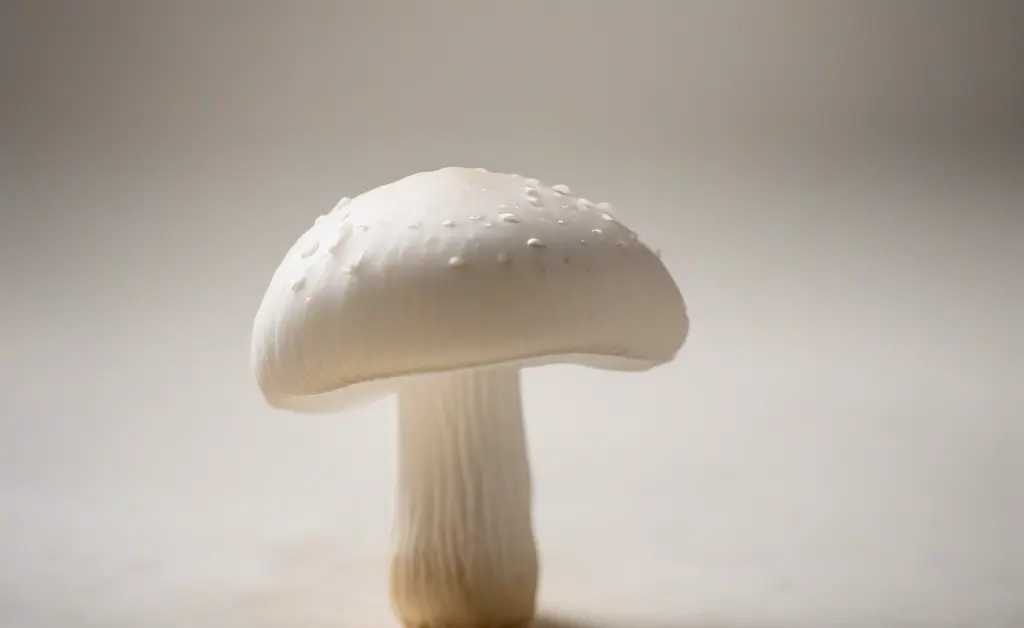
The nuances in flavor and texture are key differentiators in the button mushroom vs cremini comparison, significantly influencing their suitability for various dishes. While both offer a characteristic umami, the intensity and mouthfeel vary noticeably.
Comparing Taste and Mouthfeel
Button mushrooms, being the younger of the two, typically have a milder, more delicate taste. Their flavor is subtle, often described as fresh and slightly earthy, making them excellent vehicles for absorbing other flavors in a dish. Their texture is tender and soft, which can sometimes become quite watery when cooked, especially if not prepared properly. Cremini mushrooms, in contrast, offer a more robust and earthy flavor. Their extended growth period allows for a deeper concentration of umami, often described as richer and more savory. The texture of cremini mushrooms is firmer and meatier than button mushrooms, holding up better during cooking and providing a more substantial bite. This firmer texture also means they tend to release less water during cooking, allowing for better browning and caramelization. For those seeking an alternative to noodles, consider exploring how enoki mushroom substitute for noodles can offer a unique texture.
Culinary Applications
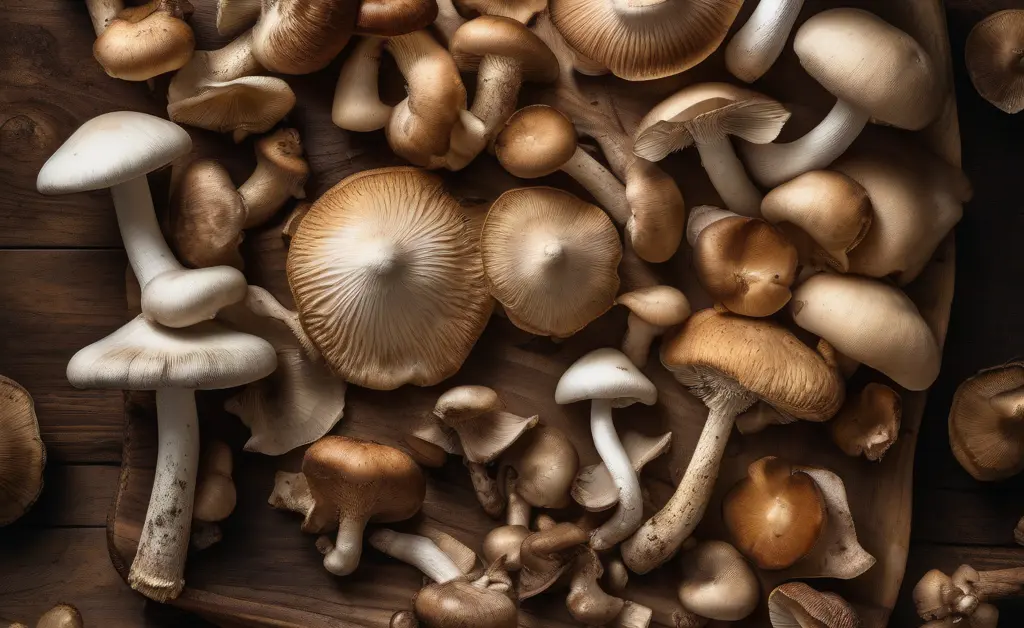
Understanding the ideal culinary applications for each mushroom is crucial for mastering the button mushroom vs cremini choice in your kitchen. Their distinct characteristics lend themselves to different cooking methods and dishes.
Best Uses for Button Mushrooms
Given their mild flavor and tender texture, button mushrooms are ideal for dishes where a subtle mushroom presence is desired, or where they can absorb the flavors of other ingredients. They are excellent in raw preparations like salads, where their fresh crunch can be appreciated. Cooked applications include light stir-fries, omelets, quiches, and delicate sauces. They also blend well into creamy soups without overpowering other elements. Because they can release a lot of water, quick cooking methods or sautéing over higher heat can help achieve a pleasant texture.
Best Uses for Cremini Mushrooms
Cremini mushrooms, with their firmer texture and more intense, earthy flavor, are well-suited for heartier dishes. Their robust taste makes them a fantastic addition to stews, gravies, roasts, and pasta sauces, where they can contribute a significant umami depth. They brown beautifully when sautéed, adding a rich, caramelized flavor and appealing texture to dishes like risottos, stratas, and even pizzas. Their ability to hold their shape makes them a good choice for grilling or roasting, offering a satisfying, meaty bite. When comparing different mushroom varieties, understanding the difference between enoki mushroom vs seafood mushroom can also be insightful.
When to Substitute One for the Other
While distinct, button and cremini mushrooms can often be substituted for each other in many recipes, especially if the mushroom is not the absolute star ingredient. If a recipe calls for button mushrooms and you only have cremini, expect a slightly deeper, earthier flavor and a firmer texture in the final dish. Conversely, using button mushrooms instead of cremini will result in a milder flavor and a softer texture. For recipes where the mushroom flavor is meant to be a background note, the substitution may go unnoticed. However, for dishes where mushrooms are central, such as a mushroom-heavy sauce or a main course, choosing the recommended variety can significantly impact the final taste and texture experience.
Nutritional Comparison
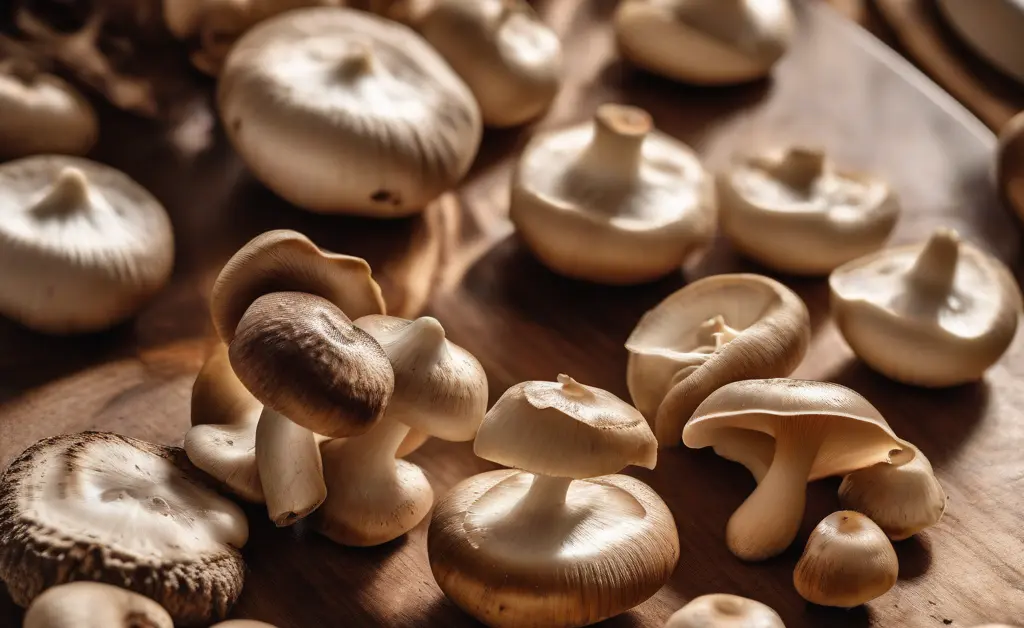
Beyond flavor and texture, a look at the nutritional aspects of button mushroom vs cremini reveals further insights into these popular fungi. Both varieties offer beneficial nutrients, contributing to a balanced dietary intake. Mushrooms are a source of various nutrients that contribute to overall health, and you can find more information on this at NCBI. For instance, exploring the benefits of other fungi like tremella mushroom vs collagen can highlight different nutritional profiles.
Both button and cremini mushrooms are low in calories and provide a range of vitamins and minerals. They are naturally fat-free and low in sodium. In terms of micronutrients, mushrooms are known to contain B vitamins, such as riboflavin, niacin, and pantothenic acid. They also offer minerals like selenium, copper, and potassium. While specific nutrient concentrations can vary slightly due to maturity, cultivation methods, and environmental factors, both types generally offer similar nutritional benefits. The primary difference often lies in the concentration of certain compounds, with the slightly more mature cremini sometimes exhibiting a marginally higher content of some nutrients compared to their younger button counterparts, but these differences are usually minor in the context of a varied diet.
In conclusion, while button and cremini mushrooms share a common lineage, their differences in maturity lead to distinct characteristics in appearance, flavor, and texture. Button mushrooms are ideal for delicate dishes requiring a mild taste, while cremini mushrooms shine in heartier preparations where a more robust, earthy flavor is desired. Understanding these nuances empowers you to make informed culinary choices, enhancing your cooking and maximizing the delicious potential of these versatile fungi.
The information presented in this article is educational and not meant as professional medical counsel. This content aims to provide general knowledge about mushrooms for informational purposes only. It should not be used as a substitute for professional medical advice, diagnosis, or treatment. Always consult with a qualified healthcare provider or registered dietitian for any health concerns or before making any dietary changes. Reliance on any information provided in this article is solely at your own risk.
FAQ
Are button mushrooms and cremini mushrooms the same?
Yes, button mushrooms and cremini mushrooms are different stages of the same mushroom species, Agaricus bisporus. Young, immature button mushrooms are harvested before they mature, while cremini mushrooms are allowed to grow for a longer period. This difference in maturity affects their flavor, texture, and color.
What is the difference between button and cremini mushrooms?
The primary difference lies in their maturity and development. Button mushrooms are harvested when young and have a mild flavor and firm texture. Cremini mushrooms, also known as baby bellas, are more mature, developing a richer, earthier flavor and a slightly softer texture with a tan to light brown cap.
Which mushroom is better, button or cremini?
Neither mushroom is inherently “better” than the other; their suitability depends on the intended use and personal preference. Button mushrooms offer a subtle flavor that makes them versatile for many dishes, while cremini mushrooms provide a more pronounced, savory taste that can enhance soups, stews, and sauces.
Can I substitute button mushrooms for cremini mushrooms?
Yes, you can often substitute button mushrooms for cremini mushrooms, especially in recipes where the mushroom flavor is not the dominant element. The milder taste of button mushrooms will be less noticeable, but their texture is similar enough to work in many preparations. However, for dishes where a deeper mushroom flavor is desired, cremini would be the preferred choice.