
The Remarkable Health Benefits of Chanterelle Mushrooms
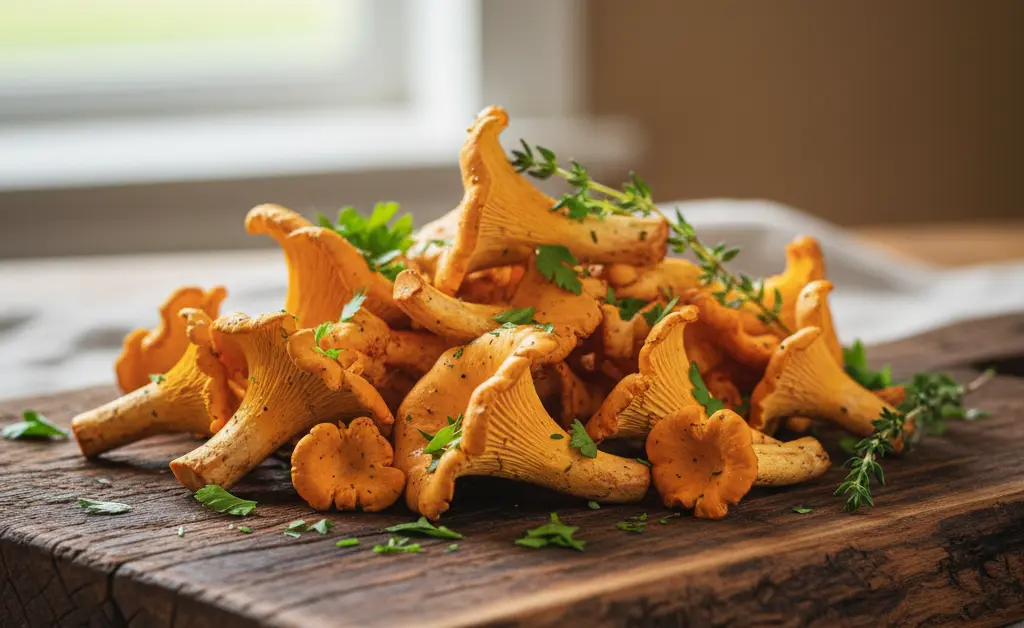
As home chefs increasingly seek out unique and nutrient-dense ingredients to elevate their culinary creations, the chanterelle mushroom is experiencing a well-deserved surge in popularity. Beyond their delightful, subtly peppery flavor and beautiful golden hue, these woodland treasures offer a compelling array of wellness advantages that align perfectly with a holistic approach to healthy living. Incorporating chanterelles into your diet is more than just a gourmet choice; it’s a delicious way to tap into a rich source of essential vitamins, minerals, and bioactive compounds. Discovering the chanterelle mushroom benefits reveals why these fungi are becoming a staple for both discerning cooks and health-conscious individuals.
Chanterelle Mushroom Nutrition
The golden chanterelle is more than just a culinary delight; it boasts a rich nutritional profile that contributes significantly to its reputation as a functional food. These mushrooms are low in calories and fat while providing a surprising amount of essential nutrients that support various bodily functions.
An Exceptional Source of Vitamin D
Chanterelle mushrooms are one of the best plant-based sources of vitamin D, particularly ergocalciferol (vitamin D2). Like human skin, mushrooms can produce vitamin D when exposed to ultraviolet (UV) light. This makes them a valuable dietary addition, as vitamin D is crucial for calcium absorption, immune function, and maintaining overall health. For those following plant-centric diets, chanterelles offer a natural way to obtain this vital nutrient.
Rich in B Vitamins for Energy Metabolism
These mushrooms are also a good source of several B vitamins, including niacin (B3), riboflavin (B2), and pantothenic acid (B5). These vitamins are fundamental to energy metabolism, playing a key role in the process of converting carbohydrates, fats, and proteins from food into usable energy for the body’s cells. A diet rich in B vitamins helps support sustained energy levels and overall vitality.
Essential Minerals like Potassium and Iron
Chanterelles provide important minerals that are sometimes lacking in the modern diet. They contain a notable amount of potassium, an electrolyte essential for regulating fluid balance, nerve signals, and muscle contractions. Additionally, they offer a source of iron, a critical component of hemoglobin, the protein in red blood cells responsible for transporting oxygen throughout the body. Adequate iron intake is vital for preventing fatigue and maintaining healthy cellular function.
High in Dietary Fiber and Polysaccharides
A significant portion of the carbohydrates in chanterelle mushrooms comes from dietary fiber, including complex polysaccharides like beta-glucans. This fiber is indigestible by humans but plays a crucial role in promoting digestive regularity and supporting a healthy gut environment. The polysaccharides are also a subject of scientific interest for their potential bioactive properties within the body.
Chanterelles: a prebiotic packed with vitamin D and fiber
The combination of dietary fiber and vitamin D makes chanterelles particularly interesting for gut health. The fiber acts as a prebiotic, serving as a food source for beneficial bacteria in the colon. A thriving gut microbiota is linked to numerous aspects of wellness, from digestion to immune response. When combined with the immune-supporting potential of vitamin D, chanterelles represent a synergistic food for maintaining a balanced internal ecosystem.
Core Health Benefits of Chanterelles
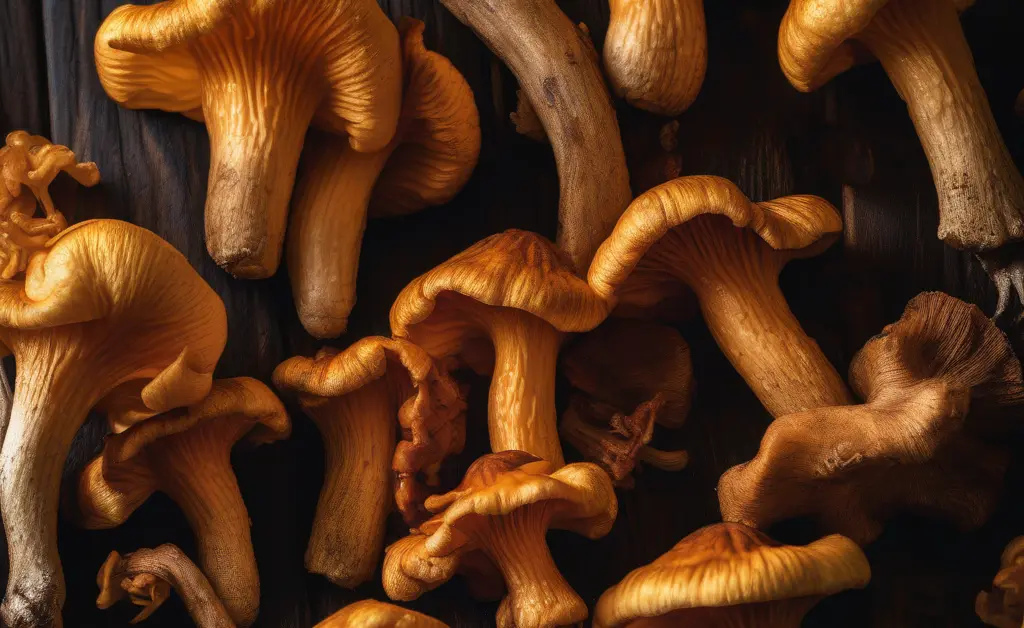
Beyond their basic nutritional value, chanterelles contain a variety of bioactive compounds that are studied for their potential to promote long-term health and well-being. These properties elevate them from a simple food to a functional ingredient in a health-conscious diet.
Potent Anti-Inflammatory Properties
Chronic inflammation is considered a contributing factor to many long-term health issues. Chanterelle mushrooms contain specific compounds that have been investigated for their anti-inflammatory effects. These natural substances may help modulate the body’s inflammatory pathways, potentially contributing to a more balanced internal state when consumed as part of a varied and healthy diet.
Support for the Immune System
The immune-supporting qualities of chanterelle mushrooms are one of their most celebrated attributes. This is largely due to their content of beta-glucans, a type of polysaccharide known to interact with immune cells and enhance their activity. Combined with their significant vitamin D content, which is also essential for a properly functioning immune system, chanterelles can be a valuable dietary component for reinforcing the body’s natural defenses.
Contribution to Bone Health
Strong, healthy bones depend on an adequate supply of key nutrients, and chanterelles provide several. Their high vitamin D content is paramount, as it facilitates the absorption of calcium, the primary building block of bone tissue. Furthermore, the presence of minerals like potassium may also contribute to bone health by helping to preserve bone mineral density.
Antioxidant Effects to Fight Oxidative Stress
Chanterelles are rich in antioxidants, including phenolic compounds and carotenoids, which give them their characteristic golden color. These antioxidants help protect the body’s cells from damage caused by oxidative stress. Oxidative stress results from an imbalance between free radicals and antioxidants in the body, and it is implicated in the aging process and various health concerns. Incorporating antioxidant-rich foods like chanterelles can help support cellular health. The full spectrum of chanterelle mushroom benefits is tied to these protective compounds.
Chanterelle Mushroom Benefits for Skin
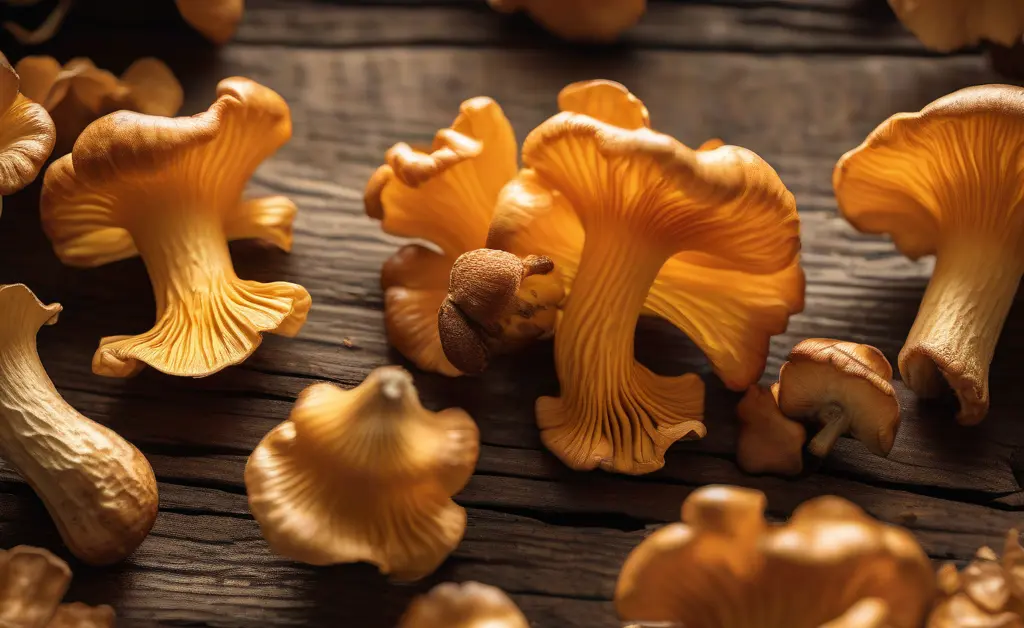
The nutritional composition of chanterelles may also translate to benefits for skin health. The antioxidants present in these mushrooms help combat oxidative stress from environmental factors like UV radiation and pollution, which can accelerate skin aging. Additionally, B vitamins contribute to healthy skin by supporting cellular energy and repair processes. The hydrating properties of potassium can also help maintain skin’s moisture balance. By supporting overall cellular health from the inside, the consistent inclusion of these mushrooms in a balanced diet may contribute to a more vibrant and resilient complexion. Exploring the chanterelle mushroom for hair and skin reveals a natural way to nourish your body’s largest organ.
Chanterelle Mushroom Benefits for Liver
The liver is the body’s primary detoxification organ, and it is constantly exposed to compounds that can cause oxidative stress. The antioxidant and anti-inflammatory compounds found in chanterelles may offer supportive effects for liver health. By helping to neutralize free radicals and modulate inflammatory responses, these mushrooms could potentially assist in protecting liver cells from damage. While not a treatment, incorporating chanterelles into a diet low in processed foods and rich in whole foods is a proactive step toward supporting overall liver function. The potential chanterelle mushroom benefits for the liver underscore their value in a holistic wellness approach.
Chanterelle Mushroom Benefits
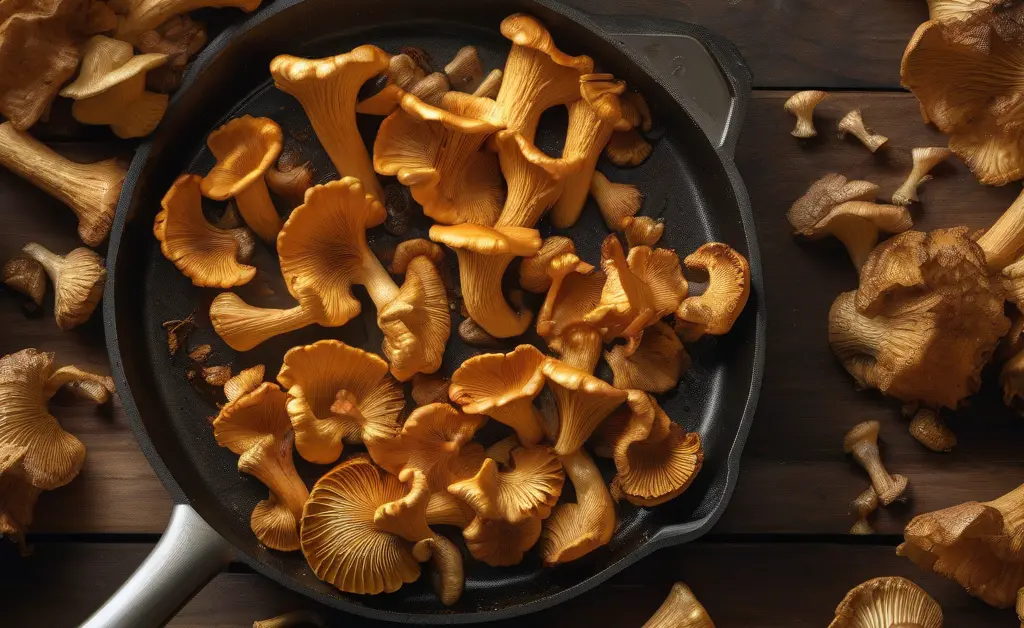
When considering the overall chanterelle mushroom benefits, it’s important to view them as part of a complete lifestyle. Their unique combination of vitamins, minerals, fiber, and bioactive compounds makes them a powerful addition to any meal plan. It is crucial, however, to observe safety guidelines. Wild chanterelles must be identified with absolute certainty, as poisonous look-alikes exist. If you are not an expert forager, it is safest to purchase them from a reputable source. Furthermore, chanterelles should always be cooked before consumption. Eating them raw can cause digestive upset and prevents the full absorption of their nutrients, as cooking helps break down their tough cell walls. Proper cooking methods, such as sautéing or roasting, not only enhance their flavor but also unlock their wellness potential.
The appeal of chanterelles lies in their dual identity as both a gourmet ingredient and a nutrient-dense functional food. Their delightful peppery flavor and firm texture make them a versatile addition to countless dishes, from simple sautés to elegant sauces. At the same time, their rich supply of vitamin D, B vitamins, essential minerals, and powerful antioxidants offers a compelling reason to include them in a health-focused diet. By supporting everything from immune function and bone health to cellular protection, these golden fungi truly stand out as a treasure of the forest.
The information in this article is intended for knowledge purposes only. It is not a substitute for professional medical advice, diagnosis, or treatment. Always seek the advice of your physician or another qualified health provider with any questions you may have regarding a medical condition. Never disregard professional medical advice or delay in seeking it because of something you have read in this article.
FAQ
Are chanterelle mushrooms a good source of Vitamin D?
Chanterelle mushrooms can contain Vitamin D, especially when exposed to UV light during their growth. This vitamin is crucial for bone health and immune function, and its presence in chanterelles is a notable nutritional aspect.
Do chanterelle mushrooms help with inflammation?
Certain compounds found in chanterelle mushrooms have been studied for their potential antioxidant properties. These compounds may contribute to the body’s ability to manage oxidative stress, which is relevant to inflammatory processes.
What are the main nutrients in chanterelles?
Chanterelles are a source of various B vitamins, essential minerals like potassium and copper, and dietary fiber. They also provide protein and are relatively low in calories.
How do chanterelles support the immune system?
The beta-glucans present in chanterelle mushrooms are known for their role in modulating immune responses. These complex carbohydrates interact with immune cells, helping to support a balanced and effective immune system. The chanterelle mushroom benefits extend to this immune support function.
Continue reading
You May Also Like
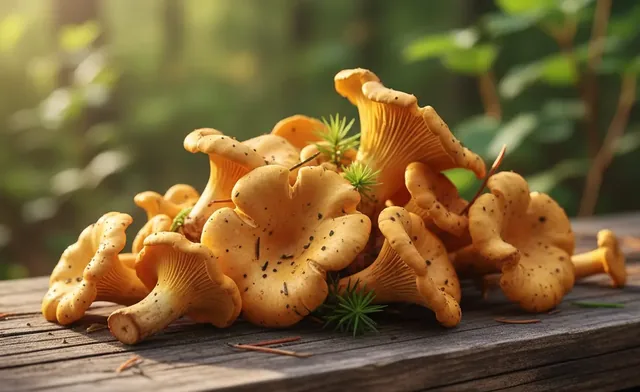
How Chanterelle Mushrooms Support Liver Health
Prized for their unique flavor, chanterelles also contain compounds that may support organ health, including the chanterelle mushroom benefits for…
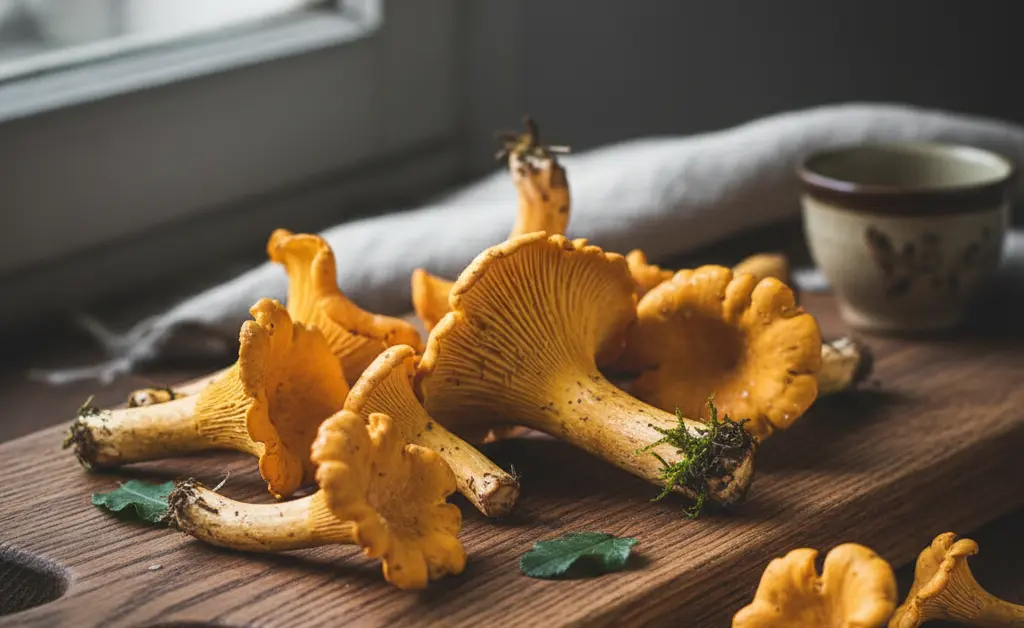
How Chanterelle Mushrooms Support Liver Health
Prized for their unique flavor, chanterelles also contain compounds that may support organ health, including the chanterelle mushroom benefits for…
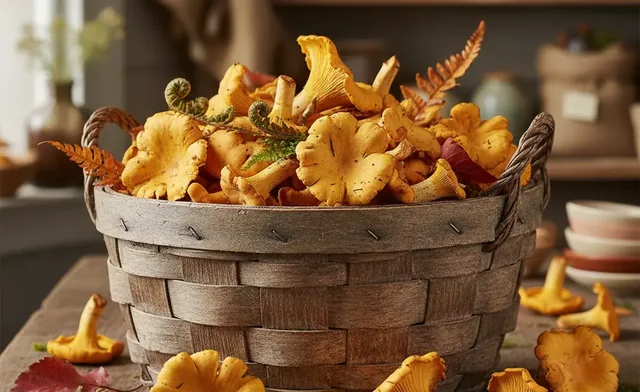
Your Source for Fresh Chanterelle Mushrooms
Buy chanterelle mushrooms picked fresh and shipped directly to your door with our freshness guarantee, ready for your favorite culinary dishes.