
Your Essential Guide to Chanterelle Mushroom Extract
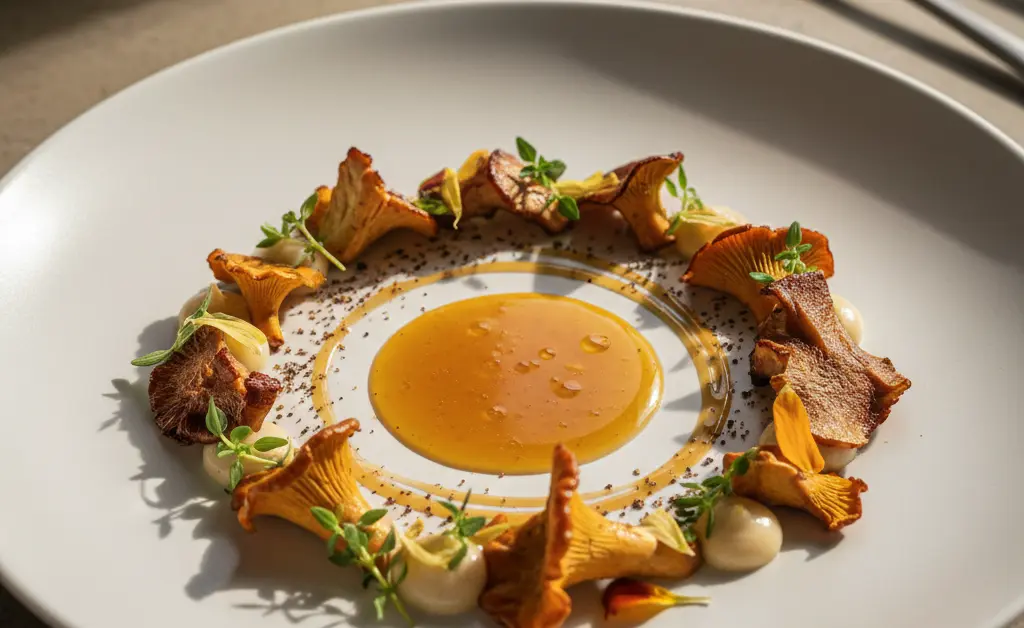
Have you ever wondered what gives certain dishes that elusive, sophisticated umami depth? It’s often a culinary secret whispered among chefs, a touch of something wild yet refined that elevates simple ingredients into memorable experiences. For those seeking to capture this essence in their own kitchens, the distinctive flavor and aroma of chanterelle mushrooms, now available in convenient extract and powder forms, offer a remarkable solution. This guide delves into the world of chanterelle mushroom extract, exploring its unique sensory profile, versatile applications, and how to best incorporate this exceptional ingredient into your cooking to unlock a new dimension of taste.
Understanding Chanterelle Mushroom Extract and Powder
Chanterelle mushroom products are typically available in two main forms: a concentrated liquid extract or a finely milled powder. While both capture the essence of the fresh mushroom, they have slightly different production methods and uses. Chanterelle powder is created by carefully drying wild-harvested chanterelle mushrooms and then grinding them into a fine, consistent powder. This process preserves the mushroom’s distinctive flavor and aroma, creating a shelf-stable ingredient that is easy to store and use. Liquid extracts, on the other hand, often involve using a solvent like water or alcohol to pull the beneficial compounds and flavor molecules from the mushroom material, resulting in a potent, concentrated liquid.
Key Flavor and Aroma Characteristics
The sensory profile of chanterelle mushroom powder and extract is what makes it so prized in the culinary world. The aroma is complex, often described as having distinct notes of apricot or peach, with a delicate, fruity sweetness. This is complemented by a subtle peppery quality and a deep, earthy foundation. In terms of flavor, chanterelles provide a rich, savory umami taste that can enhance the overall depth of a dish without overpowering other ingredients. This unique combination of fruity, peppery, and earthy notes makes it an incredibly versatile and sophisticated flavoring agent. Learn more about chanterelle mushroom.
Enhancing Sauces, Soups, and Gravies
One of the most effective ways to use chanterelle powder is to incorporate it into wet preparations like sauces, soups, and gravies. The fine powder dissolves easily, infusing the entire dish with its rich, complex flavor. It can be whisked into a cream sauce for a luxurious finish, added to a broth-based soup to build a deeper savory character, or stirred into a gravy to complement roasted meats. The powder acts as a natural flavor enhancer, adding a layer of sophistication and umami that can elevate a simple recipe into something truly special.
A Savory Seasoning for Pasta, Risotto, and Grains
Chanterelle powder is a perfect seasoning for a wide variety of carbohydrate-rich dishes. For pasta, it can be mixed into the sauce or simply tossed with the cooked pasta along with butter or olive oil for a simple yet elegant meal. When making risotto, adding the powder along with the broth allows the grains to absorb the mushroom’s nuanced flavor from the very beginning of the cooking process. It also works beautifully with other grains like quinoa, farro, and polenta, transforming them from a simple side dish into a flavorful main component.
Adding Depth to Meat and Vegetable Dishes
The savory, earthy flavor of chanterelle powder makes it an excellent addition to both meat and vegetable preparations. It can be used as a key component in a dry rub for chicken, pork, or even steak, where it helps to create a delicious crust and infuses the meat with its unique taste. For vegetables, a light sprinkle before roasting or grilling can add a wonderful umami depth. It pairs particularly well with root vegetables, asparagus, and green beans, enhancing their natural flavors without masking them.
Recommended Serving Suggestions for Flavor
When using a concentrated product like chanterelle powder for culinary purposes, it is always best to start with a small amount and adjust to your personal taste. Because the flavor is potent, a little goes a long way. For a pot of soup or sauce, beginning with a small spoonful and tasting before adding more is a wise approach. When using it as a finishing seasoning, a gentle pinch sprinkled over a dish is often sufficient to impart its signature aroma and flavor. The goal is to complement and enhance the other ingredients, not to overwhelm them.
Rehydrating Powder for Specific Recipes
In some recipes, you may want the flavor of chanterelles without the texture of a dry powder. In these cases, the powder can be easily rehydrated. Simply mix a small amount of the chanterelle powder with a few tablespoons of warm water, broth, or wine. Stir until it forms a smooth paste or a concentrated liquid. This rehydrated mixture can then be stirred into marinades, dressings, wet batters, or any dish where a smooth, consistent integration of the mushroom flavor is desired.
Nutritional Profile and Potential Benefits of Chanterelle Mushroom Extract
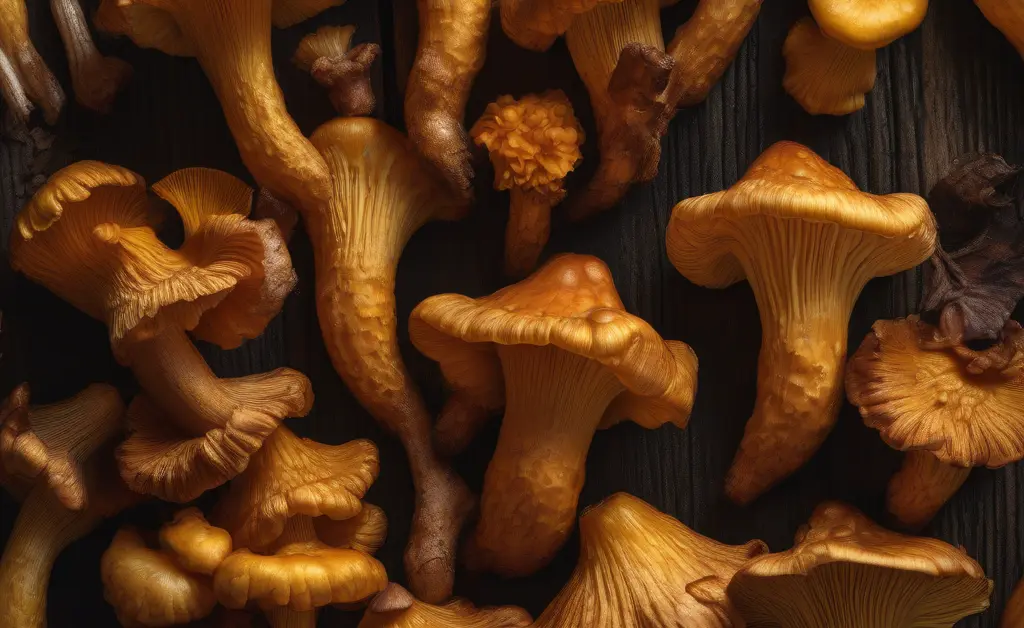
Chanterelle mushrooms are recognized for their nutritional content. They are a natural source of several vitamins and minerals that are important for a balanced diet. These mushrooms contain B vitamins, which play a role in energy metabolism, as well as vitamin D. They also provide minerals such as potassium and iron. In addition to their vitamin and mineral content, chanterelles are noted for containing natural antioxidant compounds. These compounds are studied for their role in helping the body manage oxidative stress. The nutritional components found within chanterelle mushroom extract contribute to its reputation as a valuable food, and it is sometimes incorporated into wellness routines for its potential to support overall health. Research into the benefits of various mushrooms can be found at PubMed.
What to Look for in a Quality Chanterelle Product
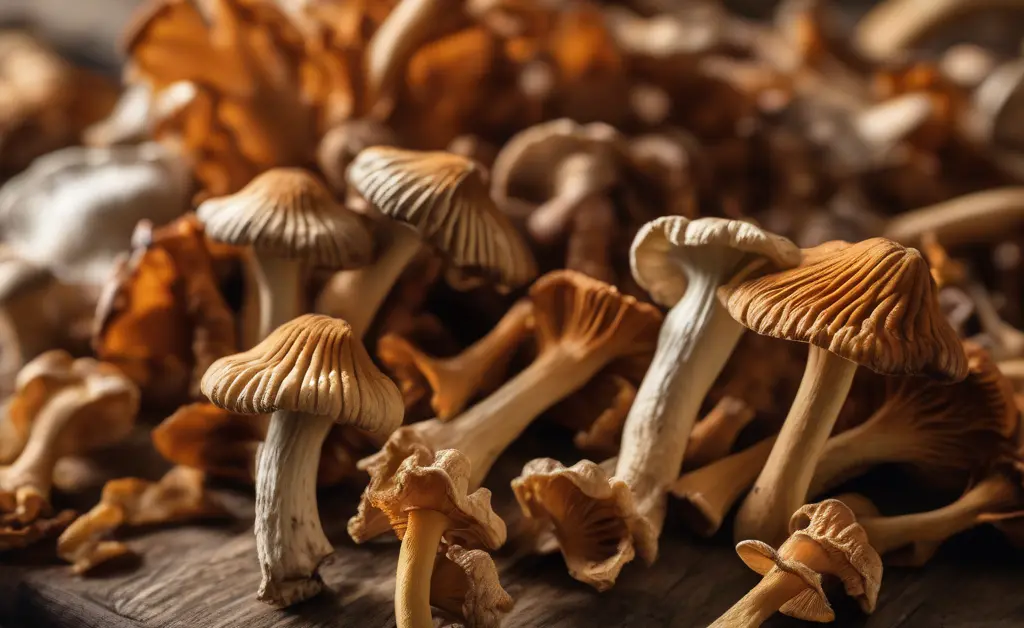
When selecting a chanterelle mushroom product, paying attention to its source and purity is crucial for ensuring you receive a high-quality ingredient. Look for products that specify their sourcing, with wild-harvested or certified organic options being excellent choices. This helps ensure the mushrooms were grown in clean environments, free from unwanted contaminants. It is also important to check the ingredient list for purity standards. A high-quality product should contain only the mushroom, with no unnecessary additives, fillers, preservatives, or artificial flavorings. Additionally, check for dietary certifications like vegan, gluten-free, and non-GMO if those are important for your needs. A transparent company will provide clear information about its sourcing and production processes.
Proper Storage and Usage Guidelines for Chanterelle Mushroom Extract
To preserve the delicate flavor, potent aroma, and overall quality of your chanterelle powder, proper storage is essential. The product should be kept in a tightly sealed, airtight container to protect it from exposure to air and humidity, which can cause clumping and degrade its quality. Store the container in a cool, dark place, such as a pantry or cupboard, away from direct sunlight and heat sources like the stove. When stored correctly, the powder can maintain its freshness for an extended period. When using the product, always use a dry spoon to prevent introducing moisture into the container. As it is a concentrated form of the mushroom, remember that a small amount is often sufficient to achieve the desired flavor in your culinary creations.
Chanterelle Mushroom Extract Side Effects

For most individuals, chanterelle mushrooms are considered safe when consumed as part of a normal diet. The same generally applies to products derived from them, such as powders and extracts. However, as with any food product, there is a potential for allergic reactions in sensitive individuals. People with known allergies to mushrooms should avoid using chanterelle mushroom extract. Symptoms of an allergic reaction could range from mild to severe. If you are pregnant, breastfeeding, have a pre-existing medical condition, or are taking any medications, it is always a prudent measure to consult with a qualified healthcare professional before incorporating any new supplement or concentrated food product into your routine.
Chanterelle mushroom extract and powder offer a fantastic way to bring the sophisticated and sought-after flavor of wild chanterelles into your everyday cooking. From enriching sauces and soups to seasoning meats and vegetables, its versatility is remarkable. By understanding its unique flavor profile and how to use it effectively, you can unlock new layers of taste and complexity in your favorite dishes. When choosing a product, prioritizing quality and purity will ensure you get the best possible culinary experience from this exceptional ingredient.
This information should be viewed as educational rather than medical advice. The content provided is not intended to diagnose, treat, cure, or prevent any disease. Always consult with a qualified healthcare professional before making any decisions about your health or incorporating new supplements into your regimen. Individual needs and health conditions vary, and professional guidance is essential for personalized advice.
FAQ
What does chanterelle mushroom extract taste like?
Chanterelle mushroom extract typically carries a delicate, slightly peppery, and sometimes fruity aroma reminiscent of apricots. The flavor profile is generally mild, with earthy undertones that are less intense than many other mushroom varieties. This nuanced taste makes it a versatile ingredient that complements rather than overpowers other flavors.
Continue reading
You May Also Like
The Essential Facts About Chanterelle Mushrooms
A detailed review of chanterelle mushroom facts, from their unique nutritional value and health benefits to important safety guidelines for…
AHCC Mushroom Extract: An Evidence-Based Overview
This guide offers a professional overview of ahcc mushroom extract, covering its potential health benefits, common side effects, and dosage research.
Which Mushroom Extract Brands Are Worth Buying?
Our editorial review compares the best mushroom extract brands based on sourcing integrity, extraction purity, and independent lab verification.