
An Explorer’s Guide to Chanterelle Habitats
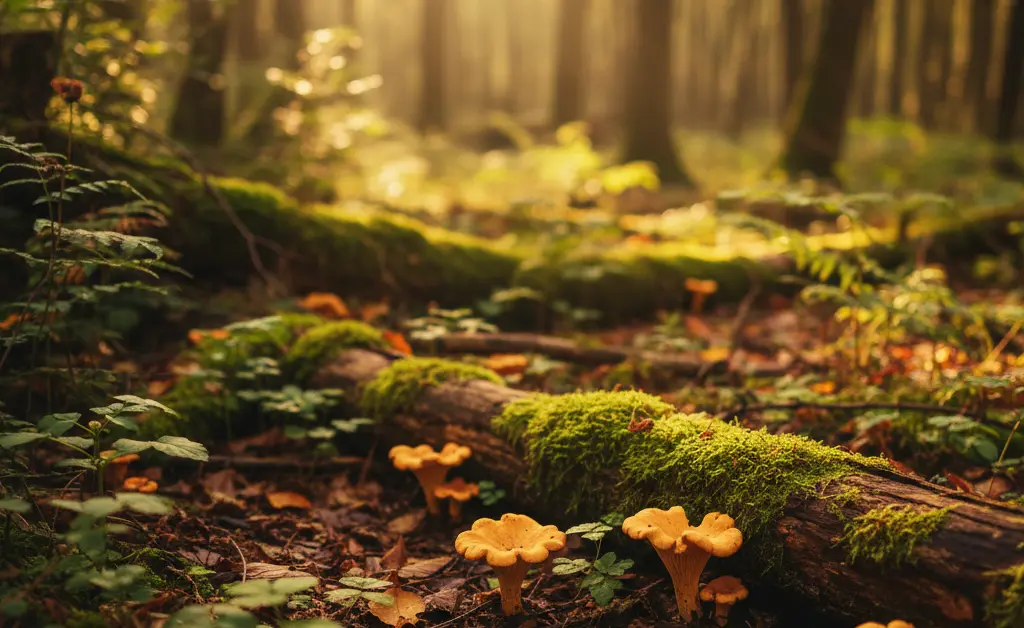
Foraging for wild edibles has become a cherished weekend pursuit for many, blending outdoor adventure with the potential for delicious culinary rewards. Among the most sought-after treasures in the forest is the chanterelle mushroom, renowned for its delicate peppery flavor and golden hue. While finding these elusive fungi can feel like a stroke of luck, understanding their specific needs offers a significant advantage to the discerning forager. Delving into the chanterelle mushroom habitat is the first crucial step towards a successful and rewarding hunt, transforming a casual stroll into a targeted expedition. This guide aims to illuminate the intricate relationships that allow these prized mushrooms to flourish.
Understanding the Chanterelle’s Mycorrhizal Nature
Unlike fungi that grow on decaying matter, chanterelles are mycorrhizal. This means they form a symbiotic, or mutually beneficial, relationship with the root systems of living trees and plants. The fungus extends a vast network of fine filaments, known as mycelium, into the surrounding soil. This network acts as an extension of the tree’s own roots, dramatically increasing its ability to absorb water and essential nutrients like phosphorus and nitrogen. In return, the host tree provides the fungus with carbohydrates—sugars produced through photosynthesis—which the fungus cannot create on its own. This intricate partnership is the foundation of the entire chanterelle life cycle and dictates where they can be found. A healthy, thriving forest with established host trees is the essential bedrock of a productive chanterelle mushroom habitat. Understanding these ecological connections can be further explored through scientific literature found on platforms like PubMed.
Primary Forest Types for Chanterelle Growth
Because of their mycorrhizal nature, chanterelles are inextricably linked to specific forest ecosystems. The type of forest is one of the most significant clues for a forager. While regional variations exist, certain forest compositions consistently prove more fruitful than others.
Deciduous Woodlands
Deciduous forests, particularly those dominated by hardwoods, are classic hunting grounds for chanterelles. The broad leaves of trees like oak and beech create a shaded canopy that helps maintain soil moisture throughout the warmer months. In the autumn, the fallen leaves form a thick layer of litter on the forest floor. This litter, or duff, serves multiple purposes: it insulates the soil, retains humidity after rainfall, and slowly decomposes to enrich the soil, creating the perfect conditions for the mycelial network to thrive and eventually produce mushrooms.
Coniferous Groves
While often associated with hardwoods, many chanterelle species also form strong partnerships with conifers. In these groves, the environment can be quite different. The ground is often covered with a mat of fallen needles rather than leaves, which can contribute to a more acidic soil composition. Forests of pine, fir, and hemlock can be highly productive, especially in regions with wetter climates. The dense canopy of evergreen trees provides year-round shade, which is beneficial for regulating ground temperature and moisture levels.
Mixed Hardwood and Conifer Forests
Perhaps the most dynamic and productive environments are mixed forests where both deciduous and coniferous trees grow together. These ecosystems offer a wider array of potential host trees, increasing the chances of finding chanterelles. The combination of leaf litter and pine needles creates a complex soil structure and chemistry that can support a diverse fungal community. Furthermore, the varied canopy can create a mosaic of light and shade, leading to different microclimates that may extend the fruiting season of the mushrooms.
Key Host Trees to Look For
Identifying specific tree species is a forager’s most powerful tool. Since chanterelles depend on their symbiotic partners, learning to recognize key host trees will dramatically narrow your search area and increase your odds of success. Focusing your attention around the base of these trees is a fundamental strategy for any chanterelle hunter. For those seeking comprehensive guidance, a dedicated chanterelle mushroom foraging guide can prove invaluable.
Oak Trees (Quercus)
Across many parts of the world, oak trees are the quintessential host for chanterelles. The robust and extensive root systems of mature oaks provide an ideal partner for the mushroom’s mycelium. Forests with a significant population of white oak or red oak are prime locations to begin a search. Look in areas where the oaks are well-established, often on gentle slopes or in rolling hills where drainage is good.
Beech Trees (Fagus)
Similar to oaks, beech trees are another classic hardwood associate for chanterelles. Beech-maple or pure beech stands often have the open, shaded understory that chanterelles favor. The smooth, grey bark of the beech is easy to identify. The soil in beech forests is often rich and loamy, providing an excellent medium for fungal growth, making this tree a reliable indicator of a potential chanterelle mushroom habitat.
Pine Trees (Pinus)
In many regions, particularly in sandier soils or at certain elevations, various species of pine are important hosts. The specific type of pine can vary geographically, from the jack pines of the east to the lodgepole pines of the west. The ground beneath pines is often covered in a thick layer of needles, which helps maintain the acidic and moist conditions that some chanterelle species prefer. Finding chanterelles in pine forests often requires searching in mossy patches where moisture is retained.
Douglas Fir (Pseudotsuga menziesii)
In the Pacific Northwest of North America, the Douglas fir is arguably the most important host tree for several commercially harvested chanterelle species. These towering conifers create the iconic damp, temperate rainforest environment where chanterelles flourish. Foragers in this region learn to scan the forest floor around the base of mature Douglas firs, especially in second-growth forests where the canopy is not yet impenetrably dense.
Analyzing Ideal Ground and Soil Conditions
Beyond the forest and tree type, the specific conditions of the ground itself play a critical role. The soil’s composition, moisture content, and ground cover all contribute to creating the perfect micro-environment for chanterelles to fruit. Paying close attention to these details can help you pinpoint the exact spots where mushrooms are likely to appear.
Preferred Soil Acidity and Composition
Chanterelles generally favor soil that is slightly acidic and well-drained. They do not thrive in heavy, compacted clay soils that retain too much water and restrict air movement. Instead, they prefer loamy or sandy soils that allow their mycelial network to spread easily. The presence of coniferous needles or decomposing oak leaves naturally contributes to the preferred level of soil acidity.
The Role of Moisture and Drainage
Moisture is the trigger for fruiting. Chanterelles typically appear after significant rainfall, once the ground has been thoroughly saturated. However, standing water is detrimental. The best locations are those that hold moisture but also drain well, preventing the ground from becoming waterlogged. This is why areas with a gentle slope are often more productive than perfectly flat or low-lying, swampy ground.
Importance of Moss and Leaf Litter
A healthy layer of ground cover is a fantastic indicator of a productive spot. Moss, in particular, acts like a sponge, soaking up rainwater and releasing it slowly, keeping the underlying soil consistently damp. Similarly, a thick carpet of leaf litter or “duff” protects the delicate mycelium from the drying effects of sun and wind. Peeling back a small patch of moss or duff to check for soil moisture can be a good way to assess an area’s potential.
Finding Chanterelles on Slopes and Hillsides
Gentle, north-facing slopes can be excellent places to search, as they are more shaded and retain moisture longer than sun-drenched south-facing slopes. Old logging roads, game trails, and the banks of seasonal creeks can also concentrate moisture and create ideal fruiting conditions. The subtle topography of the forest floor often dictates where water flows and settles, and learning to read these contours is a key element of finding the ideal chanterelle mushroom habitat.
Geographical Distribution and Regional Variations
Chanterelles are found across the globe, but the specific species and their preferred environments can vary significantly from one continent to another. Understanding these regional differences is essential for foragers looking to apply their knowledge in a new area. What works in the southeastern United States might not apply in the mountains of Europe or the forests of the Pacific Northwest.
Common Habitats in North America
In eastern North America, chanterelles are most commonly found in mixed hardwood forests, with oak and beech being primary hosts. The season typically runs through the summer months, triggered by humid weather and thunderstorms. On the West Coast, the season is often later, beginning in the fall and sometimes extending into early winter. Here, the mushrooms are predominantly associated with coniferous trees like Douglas fir and hemlock in damp, mossy coastal forests.
Typical Environments in Europe
Across Europe, chanterelles are a celebrated part of culinary tradition. They are widespread, from Scandinavia down to the Mediterranean. In countries like Germany, France, and Poland, they are most often sought in old-growth beech and oak forests, similar to those in eastern North America. The soil is often well-established and undisturbed. European foragers have passed down knowledge of specific forest patches, or “terroirs,” for generations.
Habitat Indicators in the Pacific Northwest
The Pacific Northwest is famous for its prolific chanterelle harvests. The key indicators in this region are tied to the temperate rainforest ecosystem. Foragers look for second-growth forests of Douglas fir, western hemlock, and Sitka spruce. The ideal chanterelle mushroom habitat here is characterized by a damp, moss-covered forest floor, often on slopes that provide good drainage. The presence of other indicator plants, like huckleberry bushes, can also signal a promising area for these golden fungi.
Ultimately, the search for chanterelles is a journey of observation and learning. Understanding their symbiotic relationship with trees, the forest types they prefer, and the specific ground conditions they need to fruit transforms foraging from a game of chance into a rewarding ecological puzzle. Success comes from patience, a keen eye for detail, and a growing appreciation for the complex, interconnected web of life within the forest. With each expedition, you build a mental map of your local woods, learning to read the landscape and recognize the subtle signs that point to these hidden golden treasures.
This information should be viewed as educational rather than medical advice. The content provided is for informational purposes only and is not intended to be a substitute for professional guidance. Identifying wild mushrooms requires expert knowledge, as many poisonous species can closely resemble edible ones. Never consume a wild mushroom unless you are absolutely certain of its identity, and it is highly recommended to consult with an experienced mycologist or a local foraging expert before consumption.
FAQ
What kind of trees do chanterelles grow under?
Chanterelle mushrooms form symbiotic relationships with the roots of certain trees. They are commonly found growing under hardwoods like oak, beech, and birch, as well as conifers such as pine and fir. This mycorrhizal association allows the fungus to receive sugars from the tree in exchange for providing water and nutrients.
Do chanterelles grow in pine forests?
Yes, chanterelles can be found in pine forests, particularly those with well-established trees. While they associate with a variety of tree species, their presence in conifer stands is not uncommon. The specific conditions within the forest, such as soil type and moisture, are also important factors.
Where is the best place to find chanterelle mushrooms?
The best place to find chanterelle mushrooms is often in mature forests with healthy tree growth and a suitable understory. Look for areas with dappled sunlight and good soil drainage, typically near deciduous trees like oak or birch, and sometimes alongside conifers. The chanterelle mushroom habitat is crucial for their successful growth and fruiting.
What kind of ground do chanterelles grow in?
Chanterelles prefer well-drained soils that are often slightly acidic. They are frequently found in mossy areas, around the base of trees, or in leaf litter within a forest ecosystem. The ground should retain some moisture but not become waterlogged, supporting the mycorrhizal relationship with tree roots.
Do chanterelles grow in oak forests?
Oak forests are a prime location for finding chanterelles, as these mushrooms commonly form symbiotic relationships with oak trees. The presence of mature oaks provides the necessary resources for the chanterelles’ growth. Look for them on the forest floor, often in areas with moss or leaf litter.
Continue reading
You May Also Like
Your Source for Fresh Chanterelle Mushrooms
Buy chanterelle mushrooms picked fresh and shipped directly to your door with our freshness guarantee, ready for your favorite culinary dishes.
Chanterelle Mushrooms: A Guide From Forest to Table
This guide teaches you how to safely identify, forage, and cook the prized chanterelle mushroom, with tips on cleaning and delicious recipes.
Navigating a Potential Chanterelle Mushroom Allergy
If you're concerned about a chanterelle mushroom allergy, this guide calmly explains the symptoms and what to do for a suspected reaction.