
Chanterelle Liquid Culture: From Recipe to Inoculation
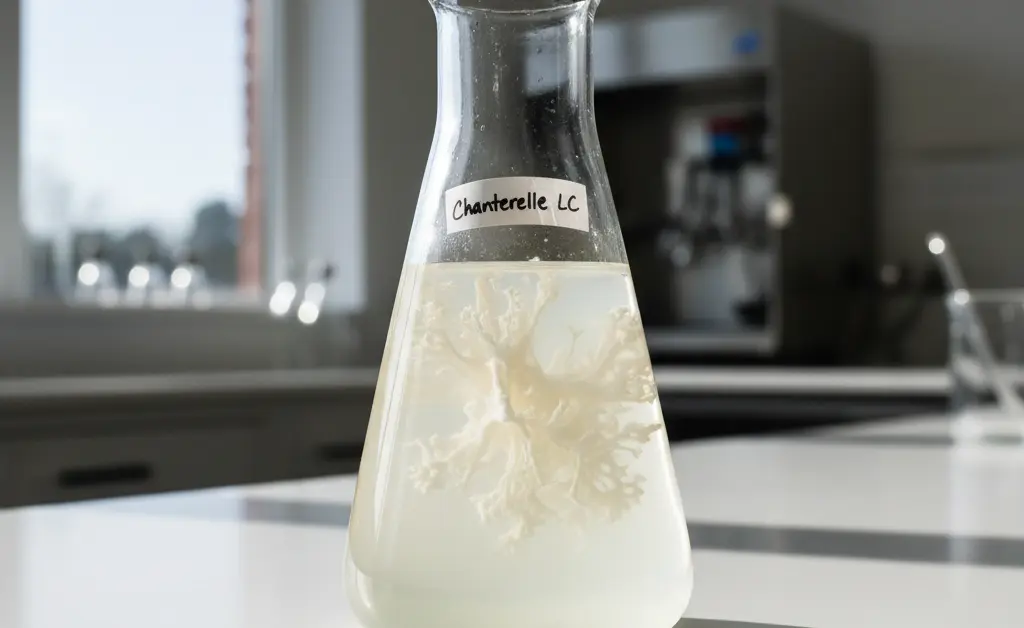
Transitioning from the excitement of foraging to the controlled environment of cultivation can feel like a significant leap. For many enthusiasts, the idea of propagating delicate chanterelle mushrooms at home begins with a desire to move beyond seasonal availability and unreliable wild finds. Successfully cultivating these sought-after fungi often starts with a reliable method for expanding mycelium, like preparing chanterelle mushroom liquid culture. This technique allows you to create a consistent, viable source of mycelial growth that can then be used to inoculate various substrates, paving the way for a more predictable and abundant harvest, thereby transforming the practice from occasional discovery to consistent enjoyment.
Chanterelle Mushroom Liquid Culture Recipe
The “recipe” for a chanterelle liquid culture refers to its precise composition, a carefully balanced blend of living mycelium suspended in a sterile nutrient broth. Unlike many other mushroom species, chanterelles are mycorrhizal, meaning they form a complex symbiotic relationship with the roots of host trees. This makes creating a successful culture exceptionally challenging and is why the process is typically reserved for specialized labs. The liquid medium is generally composed of sterilized water and specific simple sugars, such as malt extract or dextrose. This broth serves not to grow mushrooms, but to sustain and preserve the delicate mycelial network during storage and transport, ensuring it arrives vigorous and ready for introduction to its new environment.
Golden Chanterelle (Cantharellus cibarius) Liquid Culture
The Golden Chanterelle is perhaps the most famous and sought-after of its kind, celebrated for its unique fruity aroma and beautiful golden hue. A liquid culture for Cantharellus cibarius is developed from mycelium specifically selected for its ability to form partnerships with common host trees like oaks, firs, and hemlocks. The genetic material is isolated from robust wild specimens known for their prolific fruiting. The resulting culture in the nutrient broth contains mycelial fragments poised to initiate the crucial connection with the root systems of compatible tree seedlings, which is the first step in attempting to establish a colony. For those looking for simpler approaches, a chanterelle mushroom grow kit might offer a more accessible starting point.
Blue Chanterelle (Polyozellus multiplex) Liquid Culture
The Blue Chanterelle, while distinct from the golden varieties, presents its own unique cultivation journey. This striking mushroom, known for its deep blue or black vase-like clusters, also relies on a mycorrhizal relationship, typically with conifers such as spruce and fir. A liquid culture for Polyozellus multiplex is specifically tailored to the needs of this species. The mycelium is isolated and expanded in a nutrient solution that keeps it viable until it can be introduced to the roots of an appropriate conifer seedling. The development of such a culture acknowledges the species-specific requirements necessary to even begin the long-term project of chanterelle cultivation. While not suitable for chanterelles due to their mycorrhizal nature, some mushrooms can be grown on a chanterelle mushroom log as a substrate.
How to Use Your Liquid Culture for Inoculation
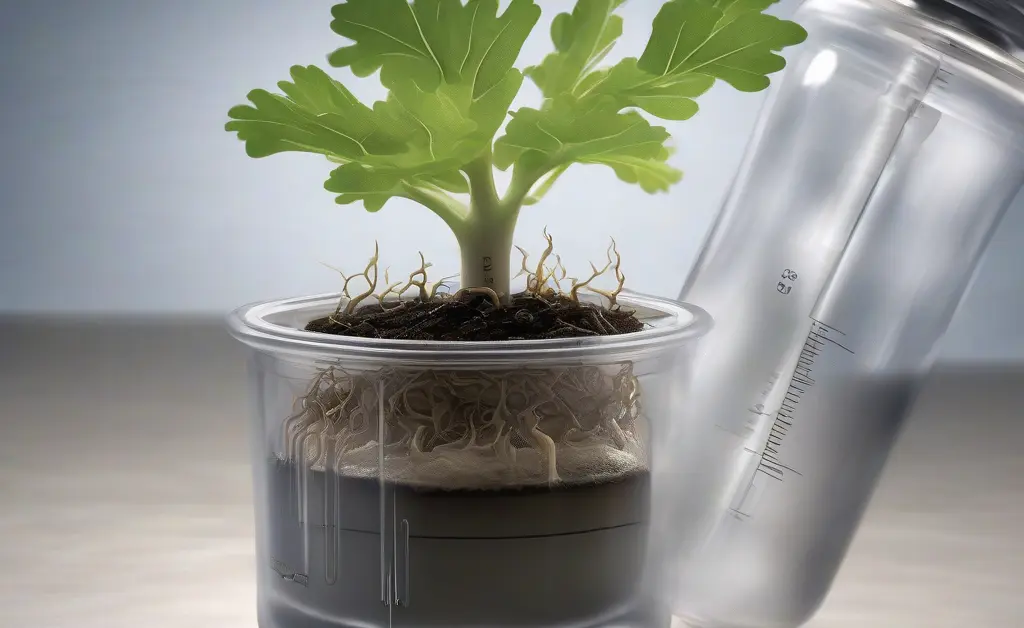
Using a chanterelle mushroom liquid culture for inoculation is a delicate process focused on introducing the mycelium to the roots of a suitable host tree seedling. Chanterelles will not grow on simple substrates like wood chips or straw alone; they require this living partnership. Unlike many other species, starting with chanterelle mushroom spores for sale is generally not recommended for mycorrhizal fungi due to the complex symbiotic relationship required. The general procedure involves carefully preparing a young, healthy seedling of a compatible tree species, such as oak, birch, or pine. The liquid culture, typically housed in a sterile syringe, is then gently applied directly to the fine root hairs of the seedling. The goal is to allow the mycelium to make contact and begin forming the symbiotic mycorrhizal network. After inoculation, the seedling requires careful management of its environment—including soil moisture, light, and temperature—to encourage the mycelium to establish and grow. This process is a long-term investment, as it can take several years for the mycelial network to mature enough to potentially produce mushrooms.
Key Features of Our Cantharellus cibarius Culture
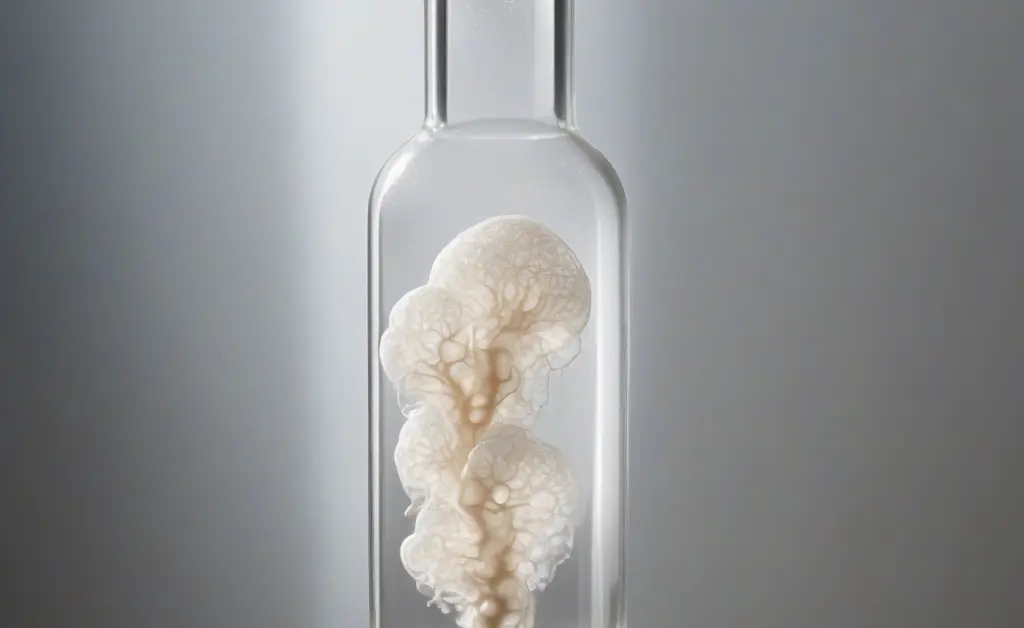
Successfully cultivating a mycorrhizal species as complex as the Golden Chanterelle depends almost entirely on the quality of the starting genetics. Unlike saprophytic mushrooms that thrive on decaying matter, chanterelles need to form a living bond with a host tree, a process that cannot begin with weak or contaminated mycelium. A professionally prepared chanterelle mushroom liquid culture provides the best possible foundation for this challenging but rewarding endeavor. The features of a premium culture are designed to overcome the initial hurdles of chanterelle propagation, giving the cultivator a significant advantage from the very beginning.
High-Quality, Viable Mycelium in a Nutrient Broth
The core of the product is the living mycelium itself, suspended within a specially formulated nutrient broth. This solution is not designed for growth but for preservation, ensuring the mycelium remains vigorous and viable from the laboratory to your home. Each syringe contains countless fragments of mycelial tissue, ready to expand and seek out host roots upon inoculation. This high density of viable mycelium increases the probability of establishing a successful mycorrhizal connection with a compatible tree seedling, which is the most critical step in the entire process.
Sourced from Robust Wild Specimens
The genetic lineage of any culture is paramount. Our cultures are derived from robust wild specimens of Cantharellus cibarius, selected for their demonstrated health and vitality in a natural setting. By starting with genetics from a proven, prolific mushroom, the resulting culture carries the inherent traits for strong growth and successful symbiotic partnership. This careful selection process is key to developing a culture that is well-adapted and possesses the resilience needed to establish itself in a new environment.
Contaminant-Free and Ready for Use
Mushroom cultivation is a battle against contamination. Any competing bacteria, yeast, or mold can easily outcompete the desired mycelium. Our liquid cultures are produced under strict laboratory conditions using sterile techniques to ensure they are completely free of such contaminants. Adherence to strict hygiene protocols, as recommended by organizations like the WHO, is crucial in preventing contamination. The culture is then packaged in a sterile syringe, which not only protects its purity but also makes application simple and clean. This ready-to-use format minimizes the risk of introducing foreign microbes during the inoculation process, safeguarding your investment and effort.
While the journey of cultivating chanterelles is famously challenging due to their mycorrhizal nature, it represents a pinnacle of achievement for dedicated mushroom enthusiasts. The process begins not with spores, but with living mycelium, and a high-quality liquid culture is the most reliable way to begin. By introducing viable, lab-grade mycelium to the roots of a compatible host tree, cultivators can embark on the long-term project of establishing their own chanterelle patch. This bridges the gap between the unpredictability of foraging and the controlled art of cultivation, turning a seasonal delicacy into a potential perennial feature of a home garden.
This article aims to inform, not to replace professional healthcare advice. The information provided is for educational purposes regarding mushroom cultivation and should not be interpreted as medical or health guidance. Always consult with a qualified professional for any health concerns. Furthermore, be absolutely certain of mushroom identification before consumption, and when in doubt, do not consume.
FAQ
How do you use a chanterelle liquid culture syringe?
A chanterelle mushroom liquid culture syringe contains living fungal mycelium suspended in a nutrient-rich liquid. This preparation is typically used as an inoculum to introduce the mycelium to a new sterile substrate, such as grain or sawdust, which it will then colonize. The mycelium utilizes the nutrients in the liquid and the substrate to grow and expand.
What is the difference between chanterelle spores and liquid culture?
Chanterelle spores are microscopic reproductive units, analogous to seeds in plants, and are genetically distinct from each other. Liquid culture, on the other hand, contains actively growing fungal mycelium, which is a vegetative, haploid or diploid stage of the fungus. Spores require specific conditions to germinate and initiate growth, whereas mycelium from a liquid culture is already established and ready to colonize a substrate.
How should I store my mushroom liquid culture syringe?
Mushroom liquid culture syringes are best stored in a cool, dark place, such as a refrigerator, to slow down the metabolic activity of the mycelium. This controlled environment helps to maintain the viability of the mycelium for extended periods. Consistent temperature and protection from light are key factors in preserving the culture.