
Navigating the Risks of Chanterelle Mushrooms
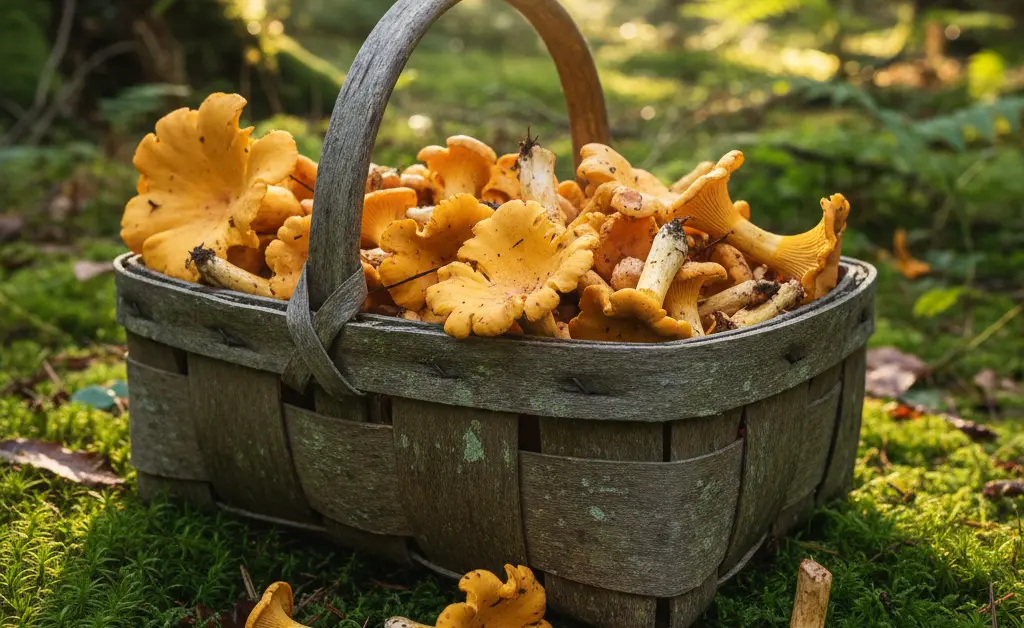
Have you ever marveled at the golden hue and delicate, fruity aroma of a chanterelle mushroom, wondering if such a culinary delight could possibly carry any hidden dangers? While these prized fungi are generally safe and celebrated for their unique flavor, a closer look at chanterelle mushroom side effects reveals that caution and accurate identification are paramount. Misidentification, improper handling, or even individual sensitivities can transform a potentially delicious meal into an unpleasant or even hazardous experience. This guide aims to demystify the risks associated with chanterelles, ensuring that foraging and culinary adventures with these mushrooms remain both safe and enjoyable.
Understanding Chanterelle Mushroom Dangers
The allure of foraging for chanterelle mushrooms is undeniable, but it comes with a responsibility to understand the associated dangers. While true chanterelles are considered a safe and delicious wild edible, the primary risks do not stem from the mushroom itself but from external factors. The single most significant danger is misidentification, which can lead to consuming toxic look-alikes. Beyond this critical error, even true chanterelles can cause issues if they are not fresh or are prepared improperly. Fully understanding the spectrum of potential issues is the first step toward safe consumption.
The Primary Cause: Misidentification with False Chanterelles
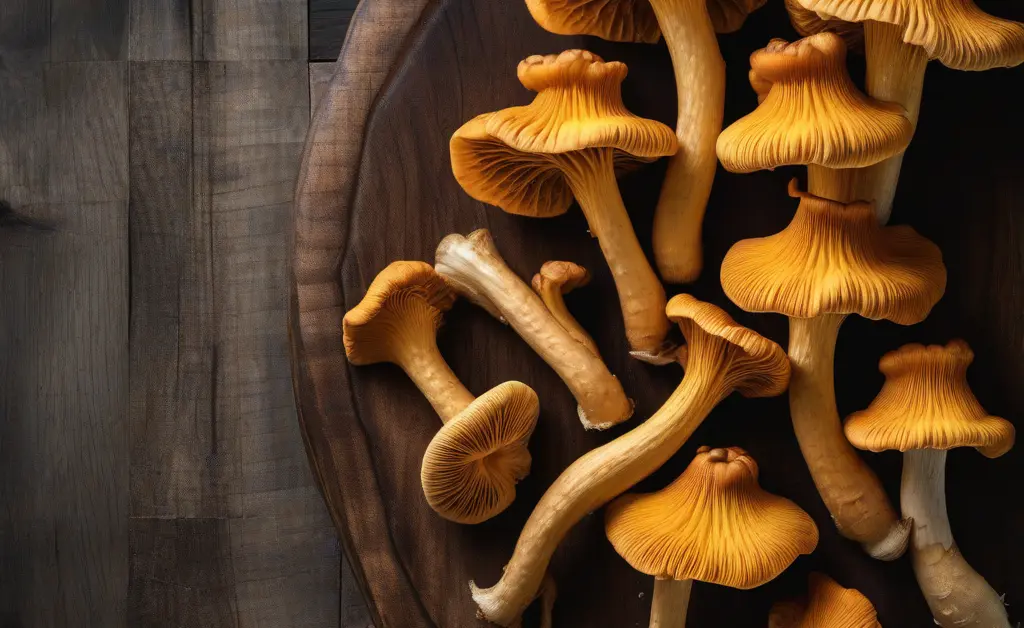
The most common and serious error a forager can make is confusing a true chanterelle with a look-alike species. The primary culprit is the False Chanterelle, scientifically known as Hygrophoropsis aurantiaca. While not deadly, it can cause significant gastrointestinal distress. Another more dangerous look-alike is the Jack-o’-lantern mushroom, which is toxic and can cause severe cramps, vomiting, and diarrhea. Key differences exist that allow for proper identification. True chanterelles have false gills, which are actually wrinkles or folds that run down the stem, whereas look-alikes often have true, blade-like gills. The color, smell, and growth habit are also important distinguishing features that require careful study and ideally, mentorship from an experienced mycologist.
Symptoms Specifically Caused by False Chanterelles
Ingesting a False Chanterelle is a classic case of mushroom poisoning, though its effects are typically less severe than those of other toxic fungi. Individuals who eat this mushroom commonly experience a range of unpleasant gastrointestinal symptoms. These may include stomach cramps, diarrhea, vomiting, and general malaise. The onset of these symptoms can occur within a few hours of consumption. While recovery is the usual outcome, the experience can be highly uncomfortable and distressing. The severity of the reaction can vary based on the amount consumed and an individual’s sensitivity.
Potential Risks of Eating Chanterelle Mushrooms
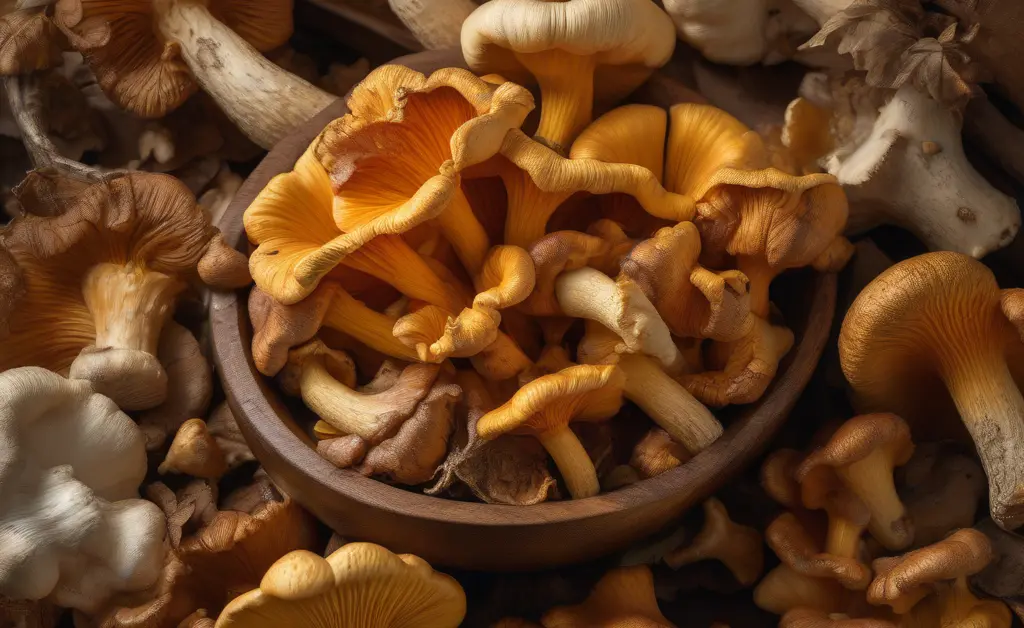
Even when you are certain you have a true, correctly identified chanterelle, there are still potential risks to consider. These issues are not related to toxicity but rather to individual sensitivities, allergies, and how the mushrooms are handled from forest to plate. Examining these potential chanterelle mushroom side effects helps provide a complete picture of safe consumption practices.
Gastrointestinal Symptoms
Some individuals may experience gastrointestinal upset even after eating properly cooked, true chanterelles. Mushrooms contain a complex sugar called chitin, which is the same substance that makes up the exoskeletons of insects. Human stomachs can have difficulty breaking down chitin, which can lead to gas, bloating, or stomach cramps in sensitive people, particularly when mushrooms are consumed in large quantities. For this reason, it’s always wise to start with a small portion when trying chanterelles for the first time.
Neurological Sensations like Numbness
While extremely rare, there have been anecdotal reports of unusual neurological sensations, such as temporary numbness or tingling in the extremities, after consuming chanterelles. These occurrences are not well-documented in scientific literature and are generally considered idiosyncratic reactions, meaning they happen to specific individuals due to unique physiological sensitivities. Such a reaction is not typical and underscores the variability in how different bodies can respond to the same food.
Allergic Reactions in Sensitive Individuals
Like any food, chanterelle mushrooms can trigger an allergic reaction in susceptible individuals. An allergy to mushrooms is a specific response by the immune system. Symptoms can range from mild, such as skin rashes, hives, or itching, to more significant reactions. Anyone with a known allergy to other types of mushrooms should exercise extreme caution or avoid chanterelles altogether. If you suspect an allergic reaction, it is important to stop eating the food and monitor your symptoms. Understanding chanterelle mushroom allergy is crucial for those with sensitivities.
Effects of Improper Preparation or Spoilage
One of the most practical risks comes from how chanterelles are prepared and stored. They should never be eaten raw. Raw chanterelles are difficult to digest and may contain compounds that can cause stomach upset, which are neutralized during the cooking process. Furthermore, like any fresh produce, mushrooms can spoil. Eating spoiled chanterelles that have developed mold or bacteria can lead to food poisoning, with symptoms like vomiting and diarrhea that are unrelated to the mushroom itself.
Chanterelle Mushroom Side Effects Explained
To fully grasp the safety profile of these golden fungi, it’s helpful to summarize the potential issues. Adverse reactions can be broadly categorized into two groups: those caused by misidentification and those occurring despite correct identification. While the former represents a serious poisoning event, the latter involves individual intolerance, allergies, or improper handling. Understanding these distinctions helps to clarify the nature of chanterelle mushroom side effects.
Potential Reactions to Properly Identified Chanterelles
Can true chanterelles make you sick? The answer is yes, but typically not because they are inherently toxic. A reaction to a correctly identified chanterelle is usually a matter of digestibility, quantity, or individual sensitivity. For someone with a sensitive digestive system, the chitin in the mushroom’s cell walls can be challenging to process, leading to bloating and discomfort. Overconsumption can overwhelm anyone’s digestive capacity. Finally, a true food allergy, though uncommon, can cause a range of immune responses. Therefore, while chanterelles are considered safe, they are not entirely without the potential for causing a reaction in certain individuals or circumstances.
What to Do After an Adverse Reaction
Experiencing an unexpected symptom after eating any mushroom can be alarming. The appropriate response depends on the severity and nature of the symptoms. While mild digestive discomfort might resolve on its own, other situations require a more cautious approach. Knowing how to react is as important as knowing how to identify the mushroom in the first place, and it’s essential for anyone exploring wild fungi to be aware of how to manage potential chanterelle mushroom side effects.
When to Seek Medical Advice
You should seek prompt medical advice if you or someone you are with experiences severe symptoms after eating mushrooms. This includes intense vomiting or diarrhea, confusion, vision disturbances, or any neurological symptoms like numbness. If there is any suspicion that a poisonous mushroom was accidentally consumed, do not wait for symptoms to worsen. Go to the nearest emergency room. If possible, it is incredibly helpful to bring a sample of the mushroom that was eaten—not a piece that was cooked, but a whole, raw specimen. Saving a sample can be crucial for medical professionals and toxicologists to make a correct diagnosis and determine the appropriate treatment. For advice on poisoning and potential health concerns, consulting with reliable health services like the NHS is recommended.
This article offers a general overview of the potential risks associated with chanterelle mushrooms, emphasizing the importance of correct identification and proper preparation. By understanding the possible side effects, from mild gastrointestinal upset to the more serious consequences of misidentification, enthusiasts can better appreciate and safely enjoy these celebrated wild fungi. Always prioritize safety, and when in doubt about a mushroom’s identity, it is best to err on the side of caution and not consume it.
Readers should understand that this article does not offer medical diagnosis or treatment. The information provided is for educational and informational purposes only and should not be considered a substitute for professional medical advice. If you experience adverse symptoms after consuming any mushroom, it is crucial to seek immediate attention from a qualified healthcare provider. For mushroom identification, always consult with a trained mycologist or a trusted local expert before consumption.
FAQ
What are the symptoms of chanterelle poisoning?
Continue reading
You May Also Like
Navigating a Potential Chanterelle Mushroom Allergy
If you're concerned about a chanterelle mushroom allergy, this guide calmly explains the symptoms and what to do for a suspected reaction.

Navigating the Potential Risks of Maitake Mushroom
What research indicates about maitake mushroom side effects, safety considerations, and possible interactions.
Your Source for Fresh Chanterelle Mushrooms
Buy chanterelle mushrooms picked fresh and shipped directly to your door with our freshness guarantee, ready for your favorite culinary dishes.