
The Art of Preparing Mushrooms for Beef Wellington
Picture this: you’re meticulously planning a special meal, the centerpiece of which is a majestic Beef Wellington. You’ve sourced the finest beef, prepared the delicate pastry, but then you pause at the mushrooms. Many home cooks might underestimate the critical role these fungi play, yet perfectly prepared mushrooms are the secret to preventing a soggy crust and achieving that rich, earthy depth that defines a truly exceptional Beef Wellington. This guide will walk you through the essential steps and techniques for cooking mushrooms for Beef Wellington, ensuring your duxelles are dry, flavorful, and contribute impeccably to the overall masterpiece. Mastering this component transforms a good dish into an unforgettable culinary experience, avoiding common pitfalls and elevating your skills.
Why Cooking Mushrooms is Crucial for Beef Wellington
The success of a Beef Wellington hinges on several perfectly executed components, and the mushroom duxelles is arguably one of the most critical. When done correctly, cooking mushrooms for Beef Wellington creates a concentrated layer of intense, earthy flavor that complements the richness of the beef. More importantly, it acts as a protective barrier between the tenderloin and the delicate puff pastry. Improperly cooked mushrooms, retaining too much moisture, will release their liquids during baking, inevitably leading to a soggy bottom and sides, undermining the integrity of the pastry and the entire dish. This step ensures that the Beef Wellington original recipe maintains its intended textural contrast and rich flavor profile.
Preparing Mushrooms: Washing vs. Wiping
When starting with fresh mushrooms for your duxelles, the initial preparation can significantly impact the final outcome. The debate between washing and wiping mushrooms is particularly relevant here. Mushrooms are highly porous and can absorb water readily. While a quick rinse might seem like the most sanitary approach, it introduces additional moisture that you will then need to cook out later. For duxelles, where moisture evaporation is paramount, it is generally recommended to gently wipe mushrooms clean with a damp cloth or a soft brush. This method helps preserve the Mushroom Freshness and Quality while minimizing excess water, setting the stage for a drier, more concentrated duxelles. For general guidance on healthy eating and food preparation, refer to reliable sources like the NHS.
Choosing the Right Mushrooms for Beef Wellington
The type of mushroom you select for your duxelles can influence both the flavor and texture of your finished Beef Wellington. While many varieties can be used, certain types lend themselves better to the intense cooking process required for duxelles, ensuring a robust flavor without overpowering the other Beef Wellington ingredients. Understanding the characteristics of different mushrooms is key to making the best choice when cooking mushrooms for Beef Wellington. Learning about different culinary mushrooms can greatly enhance your cooking repertoire.
Best Mushroom Varieties for Duxelles
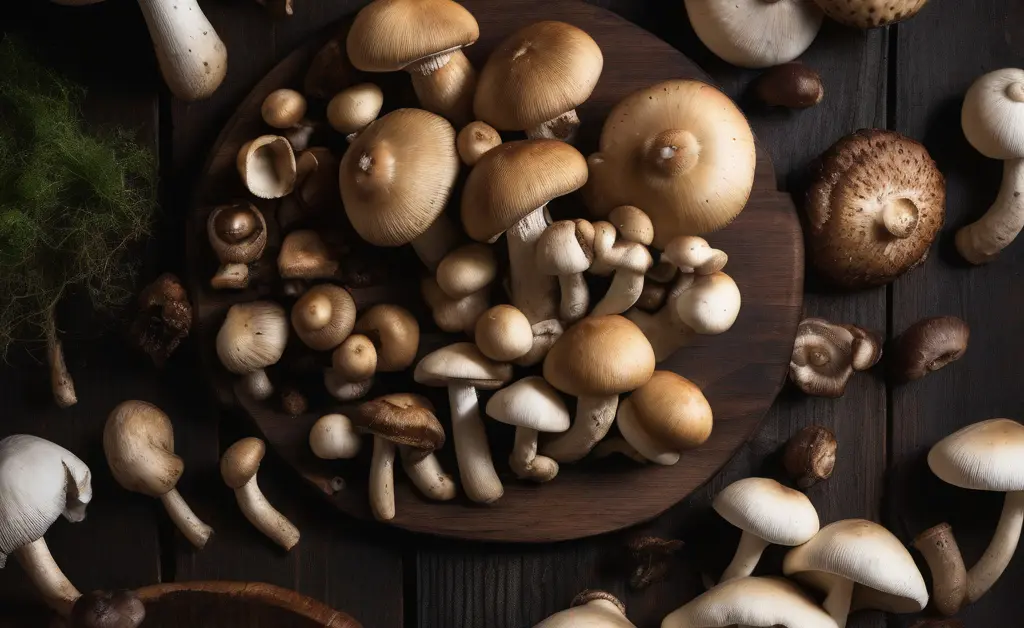
For duxelles, varieties known for their earthy flavor and relatively low water content are ideal. Cremini mushrooms, often called “baby bellas,” are a popular choice. They offer a deeper, more savory flavor than common white button mushrooms and hold up well to the rigorous cooking process. White button mushrooms can also be used, though their flavor is milder. A blend of different mushroom varieties, such as incorporating a small amount of shiitake or porcini, can add layers of complexity and a more pronounced umami character to the duxelles. The key is to select fresh, firm mushrooms that will yield rich flavor after significant moisture reduction.
The Art of Sautéing Mushrooms for Duxelles
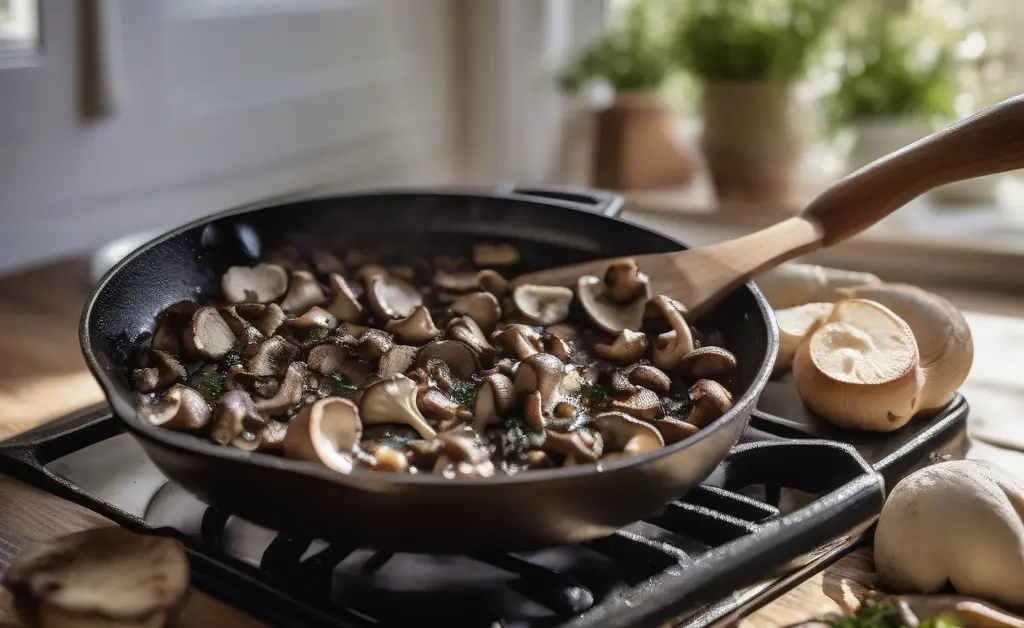
Sautéing is the cornerstone of creating perfect mushroom duxelles for Beef Wellington. This seemingly simple step is where the magic happens, transforming fresh fungi into a concentrated flavor powerhouse and, crucially, removing the excess moisture that could ruin your pastry. Mastering the technique of cooking mushrooms for Beef Wellington through proper sautéing is indispensable for a successful dish.
Chopping Technique for Even Cooking
The consistency of your mushroom chop is vital for even cooking and moisture evaporation. Mushrooms should be finely diced to ensure they cook down uniformly and release their liquids efficiently. A food processor can be a time-saver for this task, but be careful not to over-process them into a paste; a fine, even chop is the goal. If chopping by hand, aim for pieces no larger than a grain of rice, as smaller pieces will cook faster and dry out more completely.
The Sautéing Process: Step-by-Step
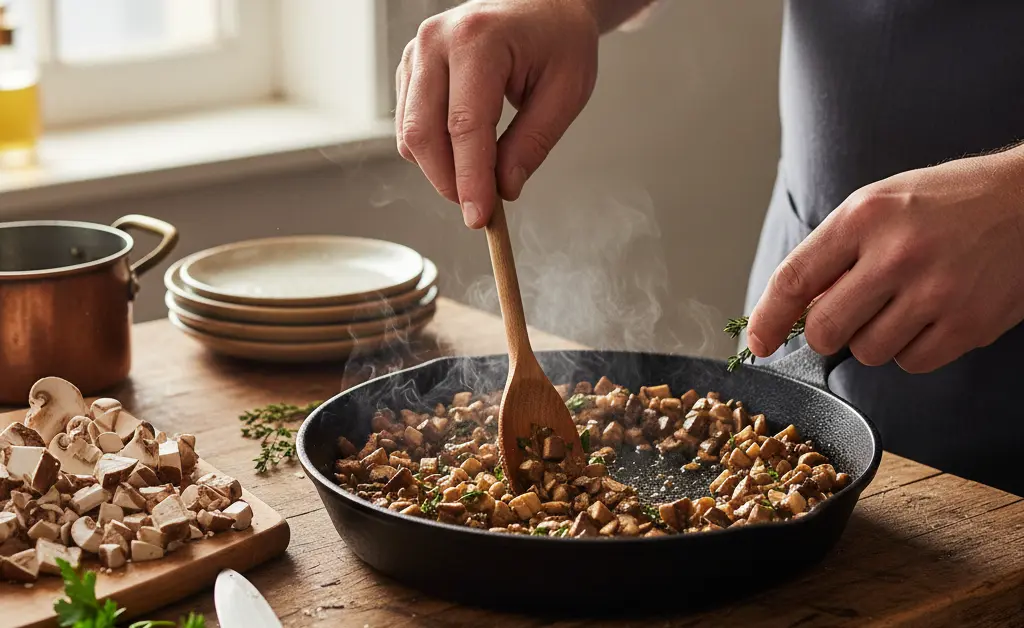
Begin by heating a wide, heavy-bottomed pan over medium-high heat. A larger surface area allows for better moisture evaporation. Once the pan is hot, add your chosen fat, then introduce the finely chopped mushrooms. Avoid Overcrowding the Pan; if you have a large quantity of mushrooms, work in batches to prevent steaming instead of sautéing. Stir frequently initially, then allow the mushrooms to sit for short periods to develop some color. As they cook, they will release a significant amount of liquid. Continue to cook, stirring occasionally, until this liquid has completely evaporated.
Using Butter, Oil, and Seasonings
A combination of butter and oil is often used when sautéing mushrooms for duxelles. Oil, with its higher smoke point, helps prevent burning, while butter adds a rich, nutty flavor that complements the mushrooms beautifully. Beyond fats, simple seasonings like salt and freshly ground black pepper are essential to enhance the natural flavors. Some recipes may call for aromatics such as minced shallots or garlic, and herbs like thyme, which can be added once the mushrooms have released some of their initial moisture and begun to dry. Adding salt too early can draw out moisture prematurely, but it is necessary for flavor development during the extensive cooking process.
Cooking Until All Liquid Evaporates
This is arguably the most critical step in preparing duxelles for Beef Wellington. The goal is not just to cook the mushrooms, but to cook them until virtually all their moisture has evaporated and they resemble a thick, paste-like consistency. This can take a considerable amount of time, often longer than many cooks anticipate. The mushrooms will shrink significantly and their color will deepen. Continuously stir and scrape the bottom of the pan to prevent sticking and ensure even drying. You should be able to press a spoon into the duxelles and see no watery liquid seeping out. Not Cooking Down Enough Liquid is the primary cause of a soggy Beef Wellington.
Achieving the Perfect Mushroom Texture and Flavor
The ultimate goal when cooking mushrooms for Beef Wellington is to transform them into a rich, deeply flavored duxelles that perfectly complements the beef and ensures a crisp pastry. This involves a careful balance of flavor development and moisture reduction, resulting in a distinct contribution to the final dish.
Developing a Deep Umami Flavor
The extensive cooking process required for duxelles concentrates the natural glutamates in mushrooms, leading to an incredibly deep and savory umami flavor. As the moisture evaporates, the mushroom solids caramelize slightly, intensifying their earthy notes. This concentrated flavor is what makes duxelles such a vital component of Beef Wellington, providing a complex counterpoint to the rich beef and buttery pastry. The long, slow cooking helps to unlock and enhance this profound taste.
Texture Enhancement in the Final Dish
Beyond flavor, the texture of properly prepared duxelles plays a crucial role. A dry, paste-like duxelles spreads easily and forms a thin, cohesive layer that adheres well to the beef. This creates a smooth, flavorful interface that not only tastes incredible but also prevents the beef’s juices from seeping into the pastry. The resulting layer contributes a pleasant, almost silken texture that contrasts beautifully with the tender beef and flaky crust, without introducing any unwanted moisture that could compromise the integrity of the Beef Wellington.
Common Mistakes to Avoid When Cooking Beef Wellington Mushrooms
While preparing duxelles might seem straightforward, several common pitfalls can compromise the final dish. Awareness of these issues is key to successfully cooking mushrooms for Beef Wellington and achieving a truly exceptional result.
Moisture Control and Preventing a Soggy Bottom
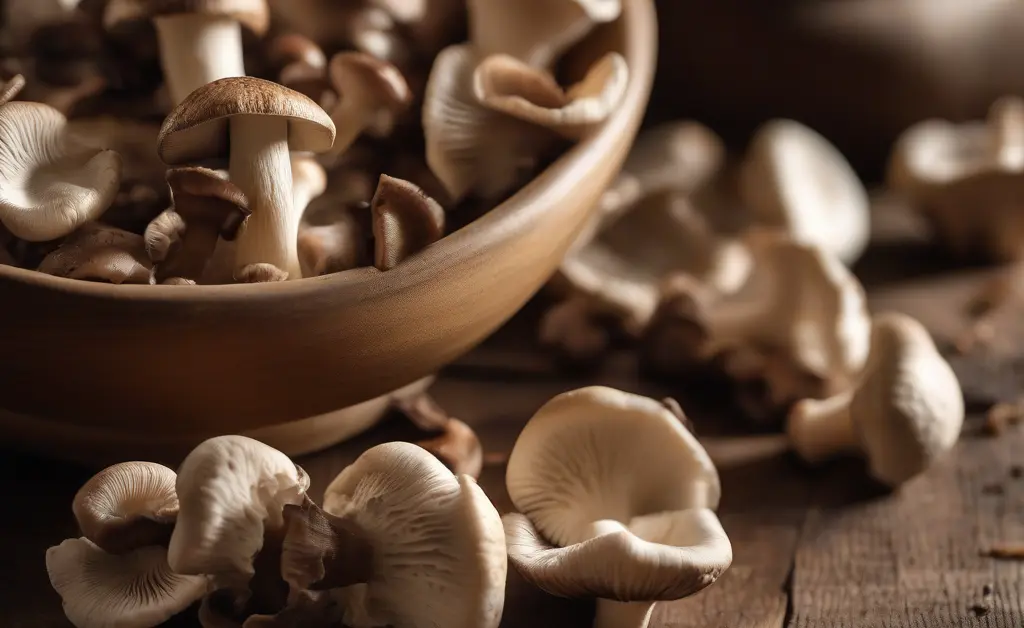
The most significant mistake is failing to adequately remove moisture from the mushrooms. As discussed, excess water will steam the pastry from the inside, leading to a soggy Beef Wellington. This can happen if the pan is Overcrowding the Pan, which steams the mushrooms rather than sautéing them. Another error is Not Cooking Down Enough Liquid; the mushrooms must be cooked until they are very dry and concentrated. Using Pre-Shredded Mushrooms, which might contain more water or additives, can also be problematic. Additionally, Seasoning Too Early with salt can draw out moisture, but it’s important to understand the balance; while salt helps draw out moisture, it shouldn’t be added in a way that prevents proper evaporation later in the cooking process.
Tips for Storing and Reheating Mushroom Duxelles
Preparing mushroom duxelles can be time-consuming, making it an excellent candidate for advance preparation. Proper storage and reheating techniques are essential to maintain its quality and ensure it performs optimally in your Beef Wellington, or as part of other dishes. Following Optimal Storage Methods will save you time and effort.
Cooling the Duxelles Properly
After cooking, it is crucial to cool the duxelles quickly and thoroughly before storing. Spread the hot duxelles in a thin layer on a baking sheet or a wide, shallow dish to help it cool down rapidly. This prevents condensation from forming, which could reintroduce unwanted moisture. Once completely cooled, the duxelles can be transferred to an airtight container. Properly cooled duxelles can be refrigerated for a few days or frozen for longer storage, ready for use when you are assembling your Beef Wellington or for other culinary applications.
Mastering the art of cooking mushrooms for Beef Wellington is a skill that elevates this classic dish from good to extraordinary. By focusing on moisture control, proper preparation, and careful sautéing, you ensure that your duxelles contributes the perfect balance of flavor and texture, resulting in a magnificent centerpiece that will impress every time. The effort invested in this crucial component pays dividends in the overall success and deliciousness of your culinary creation.
The content provided in this article is intended for informational learning, not clinical application. While general cooking advice can enhance culinary skills, it should not be considered a substitute for professional health or dietary guidance. Always consult with qualified professionals for specific dietary needs or medical concerns. This information is for general knowledge and educational purposes only, and does not address individual circumstances.
FAQ
How do you cook mushrooms for beef wellington?
Mushrooms for beef wellington are typically finely chopped and then cooked down to remove moisture. This process concentrates their flavor and creates a rich paste known as duxelles, which is essential for the dish. The duxelles are sautéed with aromatics until the liquid has evaporated.
Should mushrooms be cooked before making beef wellington?
Yes, mushrooms absolutely must be cooked before incorporating them into beef wellington. Cooking them down first removes excess water, preventing the pastry from becoming soggy. This step is crucial for achieving the desired texture and depth of flavor in the duxelles.
What is the best way to cook mushrooms for duxelles?
The best way to cook mushrooms for duxelles involves finely chopping them and then sautéing them in a pan over medium heat. You continue to cook them, stirring occasionally, until all the released moisture has evaporated and the mushrooms are deeply browned. This concentrated cooking method is key to developing their intense flavor.
How long should you cook mushrooms for beef wellington?
The cooking time for mushrooms for beef wellington can vary, but it generally takes about 15-25 minutes for the duxelles to cook down properly. The goal is to evaporate all the moisture released by the mushrooms until they are a dry, paste-like consistency. This ensures a concentrated flavor and prevents sogginess.
Why is it important to cook the mushrooms for beef wellington?
It is important to cook the mushrooms for beef wellington to remove their high water content. Uncooked mushrooms would release steam and water during baking, making the pastry base soggy and compromising the dish’s integrity. Cooking them concentrates their earthy flavor, enhancing the overall taste profile.
What mushrooms are best for beef wellington duxelles?
Cremini mushrooms, also known as baby bellas, are often the preferred choice for beef wellington duxelles due to their robust flavor and firm texture. Their earthy taste complements the richness of the beef beautifully, and they hold up well during the extensive cooking process required for the duxelles. While other mushrooms can be used, creminis provide a classic and satisfying result.