
Exploring the World of Culinary Mushrooms
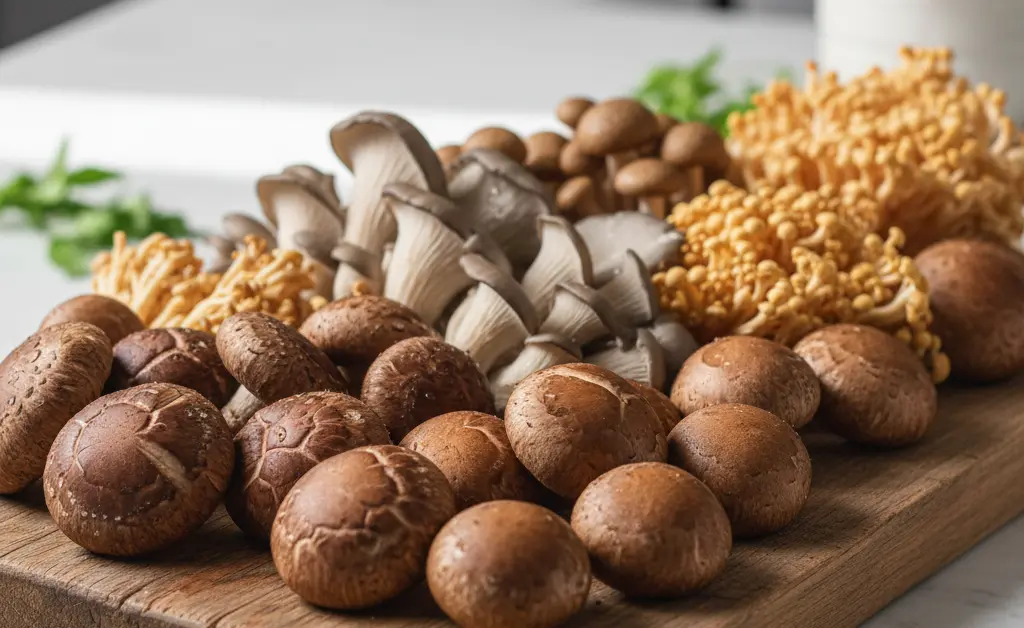
Mushrooms are a common sight in many natural landscapes, often emerging after rainfall. These fascinating fungi have been part of human diets for centuries, valued for their unique textures and flavors. Beyond their simple appearance, they offer a diverse range of culinary possibilities that can elevate everyday meals. The world of culinary mushrooms is vast, encompassing a wide array of species, each bringing its own distinct characteristics to the plate. From earthy notes to delicate umami, these edible fungi contribute significantly to global cuisines, appealing to both seasoned chefs and home cooks alike. Understanding their varieties and applications opens up new dimensions in cooking, making them a staple ingredient in kitchens worldwide.
Understanding Culinary Mushrooms
What are culinary mushrooms?
Culinary mushrooms refer to the edible fruiting bodies of certain fungi that are sought after for their distinctive flavors, textures, and nutritional value in cooking. These organisms are not plants; they belong to the kingdom Fungi and play a vital role in ecosystems as decomposers. When incorporated into dishes, culinary mushrooms can add depth, richness, and an umami quality that is hard to replicate with other ingredients. Their versatility allows them to be used in a wide range of cuisines and cooking methods, from simple sautéing to complex stews and stir-fries, becoming a staple for many chefs and home cooks.
Identifying edible mushrooms
Identifying edible mushrooms is a crucial skill, especially if considering foraging for wild varieties. It is paramount to exercise extreme caution, as many poisonous species closely resemble edible ones. Key characteristics for identification often include cap shape and color, gill structure, stem features, spore print color, and habitat. While some edible mushrooms, like wild Chanterelles or Morels, have very distinct appearances, many others require expert knowledge to differentiate them from their toxic counterparts. For general culinary purposes, it is safest to purchase edible mushrooms from reputable grocers or specialty markets, ensuring they are correctly identified and safe for consumption.
Common Types of Culinary Mushrooms
White Button Mushrooms
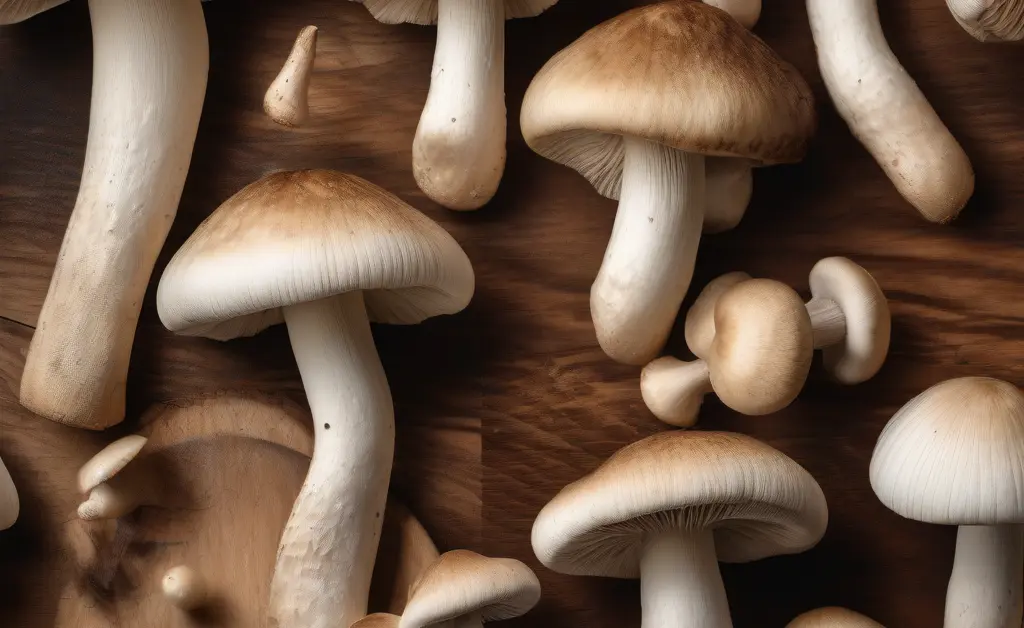
White button mushrooms are perhaps the most ubiquitous and widely consumed culinary mushrooms globally. They are characterized by their mild, earthy flavor and firm texture. Due to their versatility, they can be used in almost any dish, from salads and pizzas to soups and sautés. Their approachable taste makes them a popular choice for those new to cooking with fungi.
Cremini Mushrooms
Cremini mushrooms, also known as baby bellas, are simply a more mature version of the white button mushroom. They have a slightly darker cap and a firmer, denser texture than their white counterparts. Their flavor is more intense and earthy compared to button mushrooms, making them suitable for dishes where a deeper mushroom flavor is desired, such as stews, sauces, and roasts.
Portobello Mushrooms
Portobello mushrooms are fully grown cremini mushrooms. They boast a large, flat cap and a rich, meaty flavor with a satisfyingly dense texture. Their substantial size makes them an excellent choice for grilling, roasting, or even as a vegetarian burger patty. They absorb marinades well and can become a flavorful centerpiece in many meals.
Shiitake Mushrooms
Shiitake mushrooms are renowned for their distinct umami taste and slightly smoky, earthy aroma. Originally cultivated in East Asia, they are now popular worldwide. They have a brown, umbrella-shaped cap and a tender, chewy texture. Shiitakes are commonly used in stir-fries, soups, and broths, adding a significant depth of flavor, and are a favored ingredient in Asian cuisine.
Oyster Mushrooms
Oyster mushrooms are known for their fan-like shape and delicate, somewhat peppery flavor. They come in various colors, including white, grey, and pink. Their tender texture makes them quick to cook, often featured in sautés, stir-fries, and as a topping for savory dishes. They offer a subtle, nuanced flavor that enhances many culinary preparations.
King Oyster Mushrooms
King oyster mushrooms stand out with their thick, cylindrical stem and small cap. They possess a firm, meaty texture and a mild, savory flavor that deepens when cooked. These culinary mushrooms are highly versatile, often sliced and seared, grilled, or roasted. Their texture can mimic scallops or other meats, making them a popular choice for vegetarian and vegan dishes. For inspiration on how to cook them for specific dishes, consider learning about cooking mushrooms for beef wellington.
Morel Mushrooms
Morel mushrooms are highly prized for their unique honeycomb-like appearance and intensely earthy, nutty flavor. They are wild-foraged and typically available seasonally, making them a gourmet delicacy. Morels are excellent when sautéed in butter, added to cream sauces, or paired with meats, bringing a luxurious depth to any meal.
Maitake Mushrooms (Hen of the Woods)
Maitake mushrooms, also known as Hen of the Woods, grow in clusters with ruffled, fan-shaped caps. They have a rich, earthy, and slightly peppery flavor with a distinctive aroma. Their texture is firm yet tender when cooked. Maitakes are fantastic when roasted, sautéed, or fried, and they contribute a robust flavor to soups and stews.
Enoki Mushrooms
Enoki mushrooms are recognizable by their long, slender stems and tiny, pin-headed caps, often growing in clusters. They have a mild, slightly fruity flavor and a crisp, chewy texture. Commonly used in Asian cuisine, enoki mushrooms are often added to soups, hot pots, and salads, usually raw or briefly cooked to maintain their delicate texture. They are also a great addition to ramen, so you might want to look into cooking mushrooms for ramen.
Chanterelle Mushrooms
Chanterelle mushrooms are renowned for their vibrant orange or yellow color, trumpet-like shape, and fruity, peppery aroma. They offer a delicate, apricot-like flavor and a meaty texture. These highly sought-after wild culinary mushrooms are excellent in sautés, risottos, and creamy sauces, pairing wonderfully with eggs and poultry.
Porcini Mushrooms
Porcini mushrooms are highly valued in Italian cuisine for their robust, nutty, and slightly sweet flavor. They have a thick, brown cap and a firm, dense texture. Often sold fresh or dried, dried porcinis offer an even more concentrated flavor and are frequently rehydrated and used in risottos, pasta dishes, and soups, providing a rich, savory foundation.
Flavor Profiles and Uses of Culinary Mushrooms
Best Culinary Mushrooms
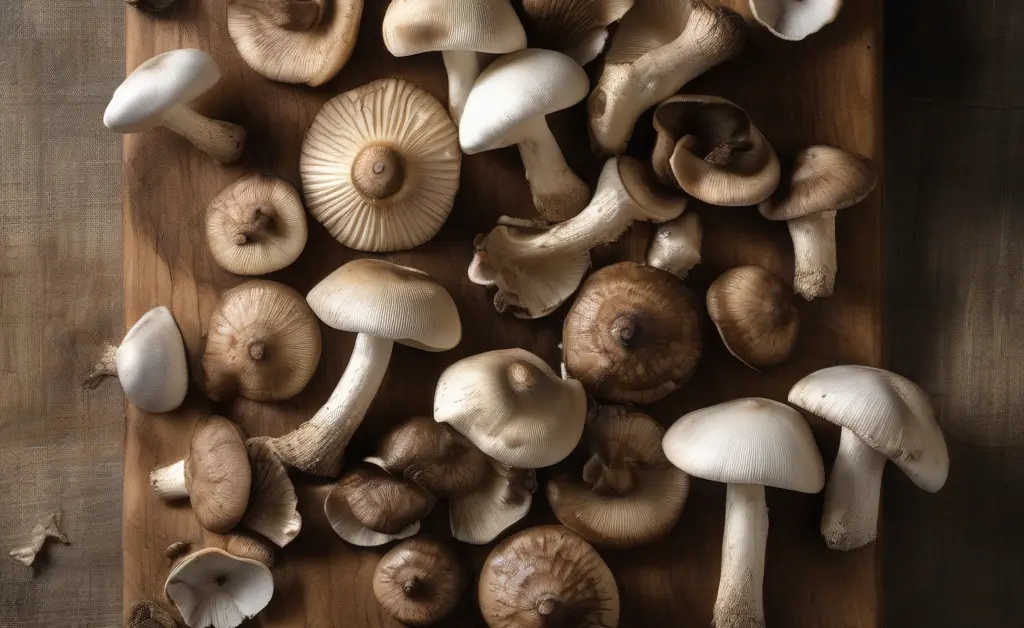
The “best” culinary mushrooms often depend on the specific dish and desired flavor outcome. For those seeking earthy flavors, varieties like porcini, morel, and shiitake excel. If a milder, more delicate taste is preferred, white button or oyster mushrooms can be ideal. Umami notes are prevalent across many types, but shiitake and dried porcini are particularly potent. The selection of culinary mushrooms can dramatically influence the overall character of a meal, enhancing everything from simple vegetable preparations to rich meat dishes. Their nutritional contributions are also a significant factor, as detailed in the culinary mushroom benefits.
What type of mushrooms are best for cooking?
The best types of mushrooms for cooking are those that complement the ingredients and cooking method of a particular dish. For robust flavors and meaty textures that stand up to grilling or roasting, Portobello or King Oyster mushrooms are excellent. For delicate sautés or quick additions to soups, enoki or oyster mushrooms work well. Cremini and white button mushrooms are incredibly versatile for everyday cooking, suitable for a wide range of applications from sauces to casseroles. Ultimately, experimenting with different culinary mushrooms allows a cook to discover their preferred pairings and maximize the flavor potential of their recipes.
What are the best culinary mushrooms?
Defining the absolute “best” culinary mushrooms is subjective, as preferences vary widely based on individual taste and culinary tradition. However, certain varieties consistently rank high among chefs and food enthusiasts for their unique characteristics. Gourmet favorites often include morels, chanterelles, and porcini for their intense, distinctive flavors and luxurious textures, making them highly sought after. Shiitake mushrooms are celebrated for their powerful umami and versatility in Asian cuisine. For everyday cooking, the humble white button and cremini mushrooms offer reliable flavor and texture, proving their worth in countless dishes worldwide. The best choice ultimately comes down to the desired culinary outcome and personal palate.
How to Prepare and Cook Culinary Mushrooms
Preparing culinary mushrooms typically begins with cleaning. Unlike other vegetables, mushrooms should generally not be soaked in water, as they absorb moisture easily and can become soggy. Instead, gently brush off any dirt with a soft brush or a damp cloth. For tougher stems, particularly on shiitake or portobello, it’s often advisable to remove them as they can be woody. Slicing or chopping depends on the recipe, but uniform pieces generally ensure even cooking. Cooking methods are diverse: sautéing in butter or oil brings out their nutty flavors, roasting caramelizes their surfaces, and adding them to soups or stews allows them to impart deep umami. Proper cooking can transform their texture from delicate to meaty, making them a versatile ingredient.
Culinary mushroom cultivation basics
Culinary mushroom cultivation involves providing the ideal environment for fungi to grow. While specific methods vary greatly depending on the species, general basics include inoculating a substrate (such as wood logs, sawdust, or straw) with mushroom spawn. Maintaining appropriate temperature, humidity, and air exchange is critical for mycelial growth and subsequent fruiting. Many commercial and home growers utilize controlled indoor environments to manage these conditions effectively, ensuring a consistent supply of various culinary mushrooms. This process allows for the production of fresh, high-quality mushrooms without reliance on wild foraging. Some types of mushrooms are also studied for their medicinal properties, such as those found in turkey tail mushroom.
Culinary Mushrooms List
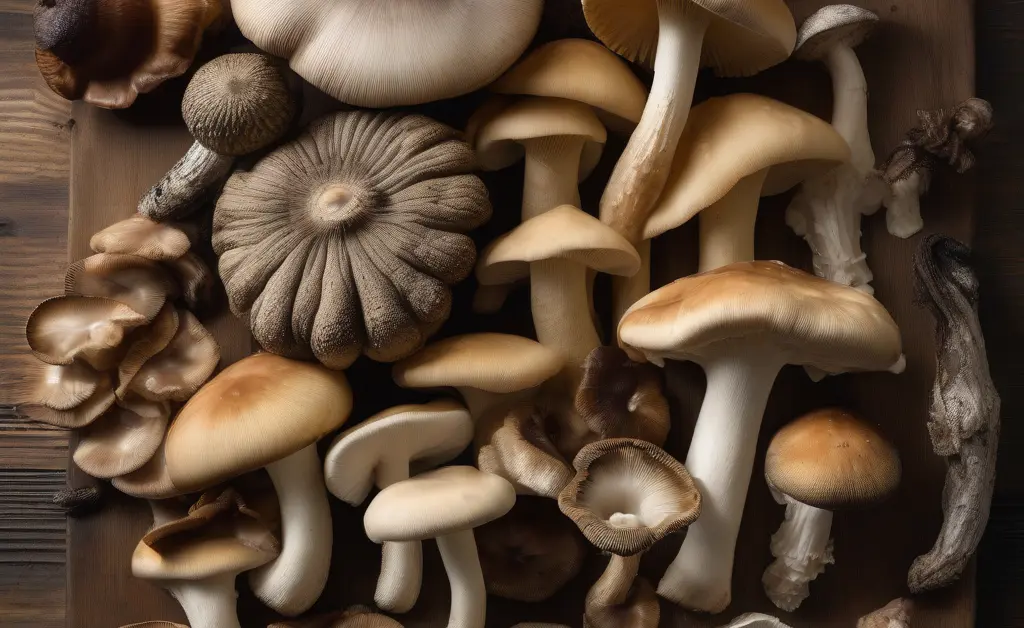
The world of culinary mushrooms is remarkably diverse, extending far beyond the common varieties found in grocery stores. The list of edible fungi is extensive, featuring species with an incredible array of shapes, colors, and textures. From the delicate, frilly edges of oyster mushrooms to the robust, cap-like structure of portobellos, each offers a unique contribution to the culinary landscape. Some, like the rare truffle, are highly prized for their intense aroma and flavor, while others, such as the lion’s mane, are gaining popularity for their unique texture and mild taste. Exploring different types of culinary mushrooms allows for endless gastronomic experimentation and discovery, enriching dishes with new dimensions of flavor. Many of these mushrooms are also explored for their potential as natural supplements.
Culinary Mushrooms Recipes
Culinary mushrooms are incredibly adaptable and can be incorporated into countless recipes across global cuisines. For a simple yet flavorful dish, try sautéing sliced button or cremini mushrooms with garlic and herbs as a side or topping for steak. Shiitake mushrooms lend themselves beautifully to stir-fries, adding a rich, savory depth to vegetables and noodles. Portobello caps can be grilled or roasted and served as a hearty vegetarian burger or stuffed with cheese and herbs. For a gourmet experience, morels or chanterelles can elevate creamy pasta dishes or risottos. Oyster mushrooms can be shredded and fried to create a plant-based “pulled pork” texture, showcasing their versatility. From savory tarts and quiches to hearty stews and elegant sauces, the possibilities for integrating culinary mushrooms into your cooking are vast and delicious.
Where to Buy Culinary Mushrooms
Culinary mushrooms are readily available from a variety of sources, catering to different needs and preferences. Most major grocery stores carry common varieties like white button, cremini, and portobello mushrooms. For a wider selection, including shiitake, oyster, and sometimes even less common types, specialty food stores and Asian markets are excellent resources. Farmers’ markets often provide access to locally grown or even wild-foraged varieties, depending on the season and regional availability, offering a chance to discover unique flavors. When purchasing, always look for mushrooms that are firm, free from excessive moisture, and show no signs of mold or decay, ensuring freshness and quality.
Tips for Storing Culinary Mushrooms
Proper storage is essential to maintain the freshness and extend the shelf life of culinary mushrooms. It is generally best to store fresh mushrooms in a paper bag in the refrigerator, rather than a plastic bag. The paper allows the mushrooms to breathe, preventing moisture buildup that can lead to spoilage. Avoid washing mushrooms until just before use, as excess moisture can accelerate their deterioration. If you notice any slimy spots or significant discoloration, it’s a sign that the mushrooms may have gone bad. Some varieties, like dried shiitakes or porcinis, can be stored in an airtight container in a cool, dark place for extended periods, ready to be rehydrated when needed.
Nutritional Benefits of Culinary Mushrooms
Culinary mushrooms offer more than just exquisite taste and texture; they also provide a range of potential nutritional benefits. They are often low in calories and fat, making them a wholesome addition to many diets. These fungi can be a source of various vitamins and minerals, including B vitamins, selenium, and copper, which play roles in metabolism and antioxidant defense. Furthermore, culinary mushrooms contain dietary fiber, which may support digestive wellness. Some varieties are even known to contain compounds that are being studied for their potential health-supporting properties, contributing to overall well-being when incorporated regularly into meals. Scientific research into these benefits can be found on platforms like PubMed.
In conclusion, the world of culinary mushrooms is a vibrant and diverse realm, offering an abundance of flavors, textures, and aromas to explore. From the familiar white button to the exotic morel, each species brings its own unique character to the plate, transforming ordinary dishes into extraordinary culinary experiences. Their versatility in cooking, combined with their potential nutritional contributions, makes them a valuable ingredient for home cooks and professional chefs alike. Embracing the vast array of edible fungi opens up a world of creative possibilities, inviting us to delve deeper into their rich history and promising future in global cuisine.
This material is shared for educational insight, not for clinical decision-making. Information about dietary components, including mushrooms, is for general knowledge and should not be interpreted as medical advice or a recommendation for treatment of any health condition. Always consult with a qualified healthcare professional or registered dietitian before making any significant changes to your diet or if you have specific health concerns.
FAQ
What are the most popular types of culinary mushrooms?
Commonly enjoyed varieties include the versatile white button mushroom, the earthy cremini, and the rich shiitake. Oyster mushrooms, with their delicate flavor and texture, are also widely appreciated. These fungi are celebrated for their diverse flavors and the unique umami taste they bring to dishes.
Can you eat all culinary mushrooms raw?
While some mushrooms can be consumed raw, many are best enjoyed cooked. Cooking helps to break down chitin, a tough compound in mushroom cell walls, making nutrients more accessible and improving digestibility. This process also enhances their flavor and texture.
How do culinary mushrooms differ from medicinal mushrooms?
Culinary mushrooms are primarily grown and consumed for their nutritional value and culinary appeal in everyday cooking. Medicinal mushrooms, on the other hand, are typically used for their potential health-promoting properties and are often available in concentrated forms like powders or extracts. While there can be overlap, the distinction often lies in their primary intended use and preparation.
What is the difference between white and brown mushrooms?
The difference between white and brown mushrooms, such as button and cremini varieties, is largely a matter of maturity and genetics. White mushrooms are younger specimens, while brown mushrooms are more mature, developing a deeper flavor and firmer texture as they age. This maturation process also contributes to their slightly darker color.
Are wild mushrooms safe to eat?
Consuming wild mushrooms requires expert identification, as many edible species have toxic look-alikes. Without absolute certainty, it is not advisable to forage and consume wild mushrooms due to the significant health risks involved. Always ensure positive identification from a reliable source before considering any wild mushroom for consumption.