
The Definitive Guide to Mushrooms in Ramen
The art of preparing a satisfying bowl of ramen at home has blossomed into a cherished culinary pursuit, reflecting a broader shift towards adventurous and customizable meal experiences. As enthusiasts seek to deepen the complexity and nutritional value of their homemade broths and toppings, the versatility of mushrooms has become increasingly apparent. These earthy fungi offer a remarkable depth of umami and texture, transforming a simple noodle dish into a gourmet delight. From enhancing the richness of the broth to providing a hearty, savory topping, understanding how to properly prepare them is key. This guide delves into the essential techniques and considerations for cooking mushrooms for ramen, ensuring every spoonful is packed with robust flavor and satisfying chewiness, ultimately elevating your culinary creations to new heights.
Choosing the Right Mushrooms for Ramen
Selecting the appropriate mushroom varieties is fundamental to achieving the desired flavor and texture in your ramen. Different types offer distinct characteristics that can significantly impact the overall profile of your dish. Understanding the nuances of different varieties is the first step in successful cooking mushrooms for ramen.
Popular Mushroom Varieties for Ramen (Shiitake, Oyster, Enoki)
- Shiitake Mushrooms: Known for their rich, earthy flavor and meaty texture, shiitake mushrooms are a staple in many Asian cuisines. When cooked, they release a profound umami that can dramatically deepen the broth’s complexity. Both fresh and dried shiitake are excellent choices, with dried varieties offering an even more concentrated flavor once rehydrated.
- Oyster Mushrooms: These delicate, fan-shaped mushrooms have a slightly chewy texture and a subtle, savory taste. They tend to absorb flavors well and can add a lovely visual appeal to your ramen bowl. Their mildness makes them versatile, suitable for various broth types.
- Enoki Mushrooms: Characterized by their long, slender stems and small caps, enoki mushrooms offer a delicate crunch. They have a mild, slightly fruity flavor and are often added at the very end of cooking to preserve their unique texture. They are particularly good for adding a fresh, contrasting element.
Texture Considerations
The texture of mushrooms can range from meaty and substantial (like shiitake) to delicate and crisp (like enoki). Consider what kind of mouthfeel you want to achieve in your ramen. Do you prefer a hearty bite, or a lighter, more ethereal quality? This choice will influence not only the mushroom type but also the cooking method.
Flavor Profiles
Beyond texture, the inherent flavor profile of each mushroom contributes uniquely to the ramen. Some, like cremini or portobello, offer a robust, almost beefy taste, while others, such as white button mushrooms, are milder. Experimenting with different combinations can lead to a more dynamic and personalized ramen experience, enhancing the overall flavor of your broth and toppings. Exploring various culinary mushrooms can significantly broaden the palate for home cooks.
Preparation Methods for Ramen Mushrooms
Proper preparation is paramount when cooking mushrooms for ramen, influencing both texture and flavor. Thorough cleaning and appropriate cutting techniques set the stage for optimal cooking. Marinating can also introduce additional layers of taste, making the mushrooms even more integral to the ramen’s success.
Washing and Cleaning
Most mushrooms should be cleaned gently rather than submerged in water, as they can absorb liquid and become soggy. A soft brush or a damp cloth is usually sufficient to remove any dirt or debris. For very soiled mushrooms, a quick rinse under cold water followed by immediate patting dry is acceptable. Ensure they are as dry as possible before cooking to achieve proper caramelization and prevent steaming. Proper food handling is crucial, and global health organizations like the WHO provide guidelines on food safety.
Slicing and Chopping
How you slice or chop your mushrooms depends on their type and your desired aesthetic and texture. Shiitake mushrooms can be sliced thinly or quartered, while oyster mushrooms might be torn into strips. Enoki mushrooms are typically kept whole in their clusters. Uniformity in size helps ensure even cooking, but varied cuts can also add visual interest to the dish.
Marinating Mushrooms
Marinating mushrooms before cooking can infuse them with additional umami and savory notes. Simple marinades can include soy sauce, mirin, garlic, ginger, and a touch of sesame oil. Allow the mushrooms to soak for at least 15-30 minutes, or even longer for a deeper flavor penetration. This step is particularly effective for mushrooms intended as a prominent topping.
Sautéing Mushrooms
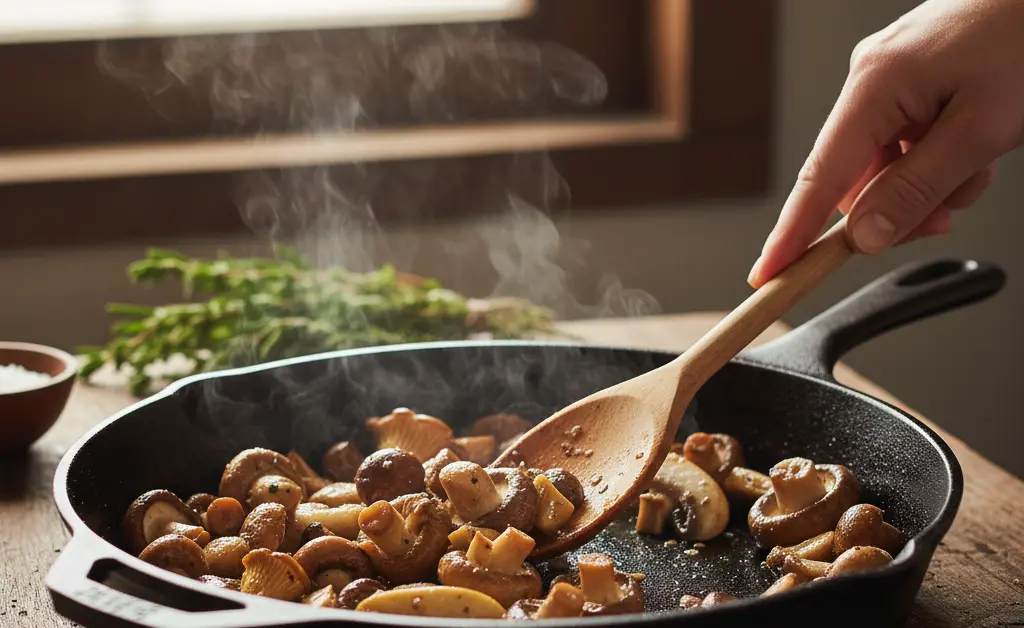
Sautéing is a popular method for mushrooms destined for ramen, as it brings out their inherent umami and creates a pleasant texture. Heat a pan with a neutral oil or sesame oil over medium-high heat. Add the cleaned and sliced mushrooms in a single layer, avoiding overcrowding, which can lead to steaming instead of browning. Cook until golden brown and tender, seasoning lightly with salt and pepper, or a dash of soy sauce towards the end. This technique is excellent for developing rich, savory notes that complement a complex broth.
Roasting Mushrooms for Ramen
Roasting can provide an intense, concentrated flavor and a tender-chewy texture. Toss cleaned and prepared mushrooms with a small amount of oil, salt, and any desired seasonings (like garlic powder or a sprinkle of dried herbs). Spread them in a single layer on a baking sheet and roast in a preheated oven until deeply browned and slightly crispy. Roasting is particularly good for heartier mushrooms like shiitake or cremini, enhancing their earthiness and creating a robust topping.
Cooking Techniques for Optimal Flavor
Beyond basic preparation, the chosen cooking technique plays a significant role in extracting the full potential when cooking mushrooms for ramen. Whether integrated into the broth or cooked separately, the method influences how their flavors are released and absorbed.
Simmering Mushrooms in Broth
Adding mushrooms directly to the simmering ramen broth can infuse the entire dish with their earthy goodness. This method is especially effective for dried shiitake mushrooms, which release profound umami compounds as they rehydrate and cook. Fresh mushrooms can also be simmered to soften their texture and allow their natural flavors to meld with the broth, contributing to a more cohesive and deeply flavored soup base.
Cooking Mushrooms Directly in the Broth
For some varieties, like enoki or thinly sliced oyster mushrooms, a brief cook directly in the hot ramen broth just before serving is ideal. This preserves their delicate texture and prevents them from becoming overly soft. The heat of the broth is usually sufficient to tenderize them quickly while allowing them to absorb some of the broth’s flavor without losing their distinct character. This method is perfect for adding a fresh, textural contrast to the final bowl.
Incorporating Mushrooms into Your Ramen Bowl
The final step in cooking mushrooms for ramen involves thoughtfully integrating them into your finished dish. This not only enhances the visual appeal but also ensures their flavors and textures are experienced in the best possible way. Whether as a prominent topping or subtly mixed in, mushrooms contribute significantly to the ramen experience.
Adding Cooked Mushrooms as a Topping
Cooked mushrooms, especially those that have been sautéed or roasted to achieve a beautiful sear and concentrated flavor, make excellent toppings. Arrange them artfully on top of the noodles and broth just before serving. This allows them to retain their distinct texture and provides a burst of savory flavor with each spoonful. Garnishing with fresh herbs, a drizzle of chili oil, or a sprinkle of toasted sesame seeds alongside the mushrooms can further elevate the presentation and taste.
The versatility of mushrooms in ramen is undeniable. By selecting the right varieties, preparing them with care, and employing appropriate cooking techniques, you can transform your homemade ramen into a truly exceptional culinary creation. Each mushroom brings its unique contribution, from deep umami to delightful textures, making your ramen bowls richer and more satisfying.
This article is written for general understanding and not for medical decision-making. The information provided is for educational purposes only and should not be considered as medical advice. Always consult with a qualified healthcare professional for any health concerns or before making any decisions related to your health or treatment. The content is not intended to diagnose, treat, cure, or prevent any disease.
FAQ
How do you cook mushrooms for ramen broth?
Mushrooms can be added to ramen broth to enhance its umami flavor and add texture. Often, they are simmered directly in the broth for a short period to release their essence. Certain varieties, like shiitake, are particularly well-suited for imparting a deep, savory note to the liquid base.
Should I cook mushrooms before adding to ramen?
Cooking mushrooms before adding them to ramen can be beneficial for developing their flavor and ensuring a pleasant texture. Sautéing or roasting them can bring out their natural sweetness and create a more satisfying bite. For cooking mushrooms for ramen, preparing them separately allows for greater control over their final taste and consistency.