
The Nutritional Science of Culinary Mushrooms

Imagine a home cook preparing a weeknight dinner, meticulously selecting ingredients to balance both flavor and nutritional value. As they chop vegetables, their hands reach for a basket of earthy mushrooms, ready to be added to a stir-fry or pasta dish. This seemingly simple inclusion in daily meals represents a step towards enhancing overall well-being. Beyond their unique umami taste and versatile texture, these fungi are increasingly recognized for their substantial health contributions. Scientific research is continually unveiling the various culinary mushrooms benefits, revealing why these humble organisms deserve a prominent place on our plates, not just for gastronomic pleasure but for their profound impact on human health and vitality.
Culinary Mushroom Benefits
The array of culinary mushroom benefits is diverse, stemming from their unique biological composition. These fungi are not merely flavor enhancers; they are packed with compounds that contribute significantly to human health. From essential micronutrients to potent bioactive molecules, mushrooms offer a holistic approach to nutritional well-being. This includes leveraging the power of edible mushrooms for health. Incorporating different types of mushrooms into your diet, such as White Button Mushrooms, Cremini Mushrooms, or Portobello Mushrooms, can provide a spectrum of advantages that support various bodily functions.
Vitamins and Minerals
Mushrooms are a valuable source of several vitamins and minerals crucial for maintaining good health. They typically contain B vitamins like riboflavin (B2), niacin (B3), and pantothenic acid (B5), which play vital roles in energy metabolism and nervous system function. Minerals such as selenium, copper, and potassium are also commonly found in various mushroom varieties. Selenium acts as an antioxidant, copper is essential for red blood cell formation, and potassium supports fluid balance and nerve signals. These micronutrients collectively enhance the overall nutritional value of culinary mushrooms.
Antioxidants
Many culinary mushrooms are rich in antioxidants, compounds that help protect the body’s cells from damage caused by free radicals. Ergothioneine and glutathione are two particularly notable antioxidants present in significant amounts in mushrooms. These powerful compounds may contribute to cellular protection and overall wellness. The presence of these antioxidants underscores why the regular consumption of mushrooms is often associated with long-term health advantages.
Fiber Content
Dietary fiber is an essential component of a healthy diet, and mushrooms provide a good source of both soluble and insoluble fiber. Fiber supports digestive regularity and may contribute to a feeling of fullness, which can be beneficial for managing food intake. The fiber content in mushrooms, such as Shiitake Mushrooms or Oyster Mushrooms, adds to their nutritional appeal, making them a wise choice for those looking to enhance their fiber intake through natural, whole foods.
Vitamin D Source
Certain mushrooms have the unique ability to produce vitamin D when exposed to ultraviolet (UV) light, similar to how human skin produces it from sunlight. This makes them one of the few natural, non-animal food sources of vitamin D, a nutrient crucial for bone health, immune function, and overall well-being. Look for mushrooms explicitly labeled as having been exposed to UV light to maximize this particular culinary mushroom benefit, offering an accessible way to support your body’s vitamin D levels. Consumers can refer to resources from organizations like the FDA for guidance on food safety and labeling practices.
Nutritional Profile of Culinary Mushrooms

The comprehensive nutritional profile of culinary mushrooms reveals why they are increasingly recognized as a superfood. Beyond their basic macronutrient content, which is typically low in calories and fat, yet contains some protein, their true value lies in the rich assortment of micronutrients and bioactive compounds. Understanding this profile helps to fully appreciate the extensive culinary mushroom benefits they offer. When considering cooking methods, gentle preparations can help preserve their delicate nutrients.
Mushroom Benefits for Skin
Emerging research suggests that components found in culinary mushrooms may offer advantages for skin health. The antioxidants present in mushrooms, such as ergothioneine, may help protect skin cells from environmental stressors. Additionally, some mushroom extracts are being studied for their potential hydrating and soothing properties, which could contribute to maintaining a healthy complexion. While more research is always ongoing, the nutritional makeup of mushrooms hints at their role in supporting overall cellular health, including that of the skin.
Specific Health Benefits of Culinary Mushrooms
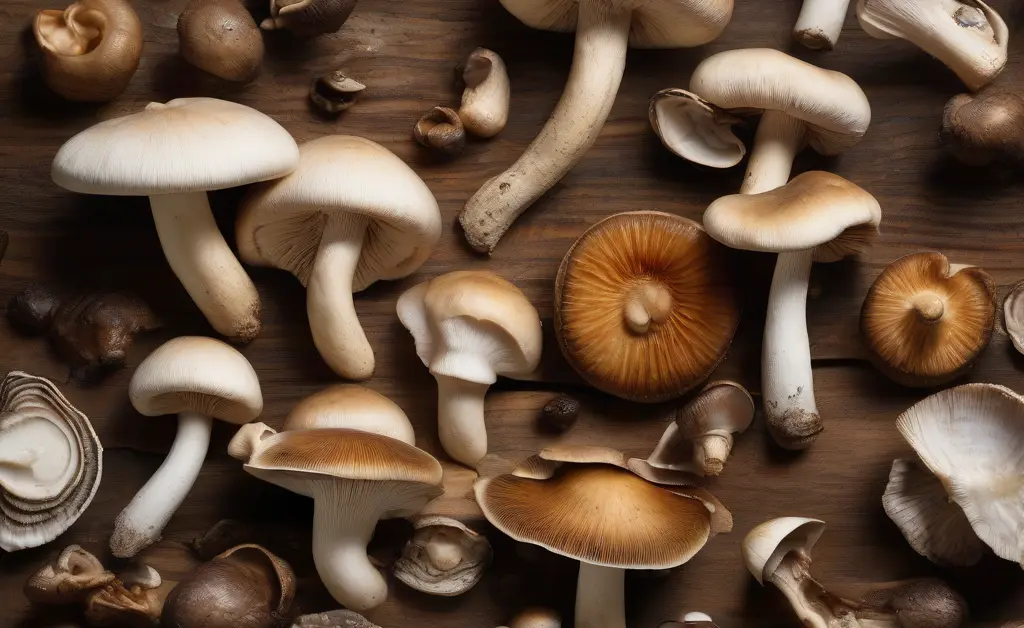
Beyond general nutrition, the specific culinary mushroom benefits extend to various systems within the body, illustrating their profound impact on human health. These fungi contain unique compounds that are being investigated for their targeted effects on immunity, cardiovascular health, and even cognitive function. Incorporating a variety of mushrooms into your diet can be a proactive step towards supporting these vital bodily processes.
Immune System Support
Many types of culinary mushrooms, particularly varieties like Shiitake, Maitake, and Reishi, are traditionally associated with immune system support. They contain beta-glucans, complex carbohydrates that may interact with immune cells. This interaction is thought to help modulate the body’s immune responses, potentially enhancing its ability to maintain overall health and resilience. The regular inclusion of these mushrooms may offer a natural way to support the body’s immune defenses. Emerging studies are also exploring the use of edible mushrooms for pain management.
Heart Health
The nutritional composition of mushrooms suggests potential benefits for heart health. Their fiber content may help manage cholesterol levels, while the presence of potassium can contribute to maintaining healthy blood pressure already within a normal range. Additionally, the antioxidant compounds found in mushrooms may play a role in supporting cardiovascular wellness by protecting cells from oxidative stress. These combined factors highlight the potential of culinary mushrooms in a heart-healthy diet.
Brain Function
Recent studies have begun to explore the potential links between mushroom consumption and cognitive health. Compounds like hericenones and erinacines, found particularly in Lion’s Mane mushrooms, are being investigated for their effects on nerve growth factors. While research is ongoing, the unique bioactive substances in various culinary mushrooms may contribute to supporting brain function and overall neurological well-being. Including mushrooms as part of a varied diet may be a step towards nourishing cognitive health. Some varieties are also being explored for their potential as edible mushrooms for relaxation.
From their rich array of vitamins, minerals, and antioxidants to their potential contributions to immune strength, heart health, and cognitive function, culinary mushrooms offer a fascinating blend of flavor and wellness. Their versatility in the kitchen makes them an easy and delicious addition to countless dishes, allowing anyone to effortlessly incorporate these nutritional powerhouses into their daily routine. As scientific understanding continues to grow, the humble mushroom firmly establishes itself as a valuable ingredient for both gastronomic delight and profound health benefits, encouraging us all to embrace their earthy goodness on our plates.
The content provided in this article is intended for informational learning, not clinical application. It is important to remember that individual responses to dietary changes can vary. Always consult with a qualified healthcare professional before making any significant changes to your diet, especially if you have underlying health conditions or concerns. This information is not a substitute for professional medical advice, diagnosis, or treatment.
FAQ
What are the main nutritional benefits of eating mushrooms?
Mushrooms offer a spectrum of nutrients, including B vitamins, minerals like selenium and potassium, and dietary fiber. They are also a source of antioxidants, which help protect cells from damage. These components contribute to overall well-being and support various bodily functions.
Are culinary mushrooms good for your immune system?
Certain compounds found in culinary mushrooms, such as beta-glucans, are known for their ability to interact with immune cells. These compounds can help modulate immune responses, supporting the body’s natural defense mechanisms. Research is ongoing to fully understand the extent of these effects.
How do mushrooms contribute to heart health?
Mushrooms contain nutrients like potassium, which plays a role in maintaining healthy blood pressure levels. Their fiber content can also support cardiovascular health by helping to manage cholesterol. Additionally, the antioxidants present in mushrooms may offer protective benefits for the heart.
Can eating mushrooms improve brain health?
Some studies suggest that compounds in mushrooms may be relevant to cognitive function. Ergothioneine, an antioxidant found in mushrooms, has been investigated for its potential neuroprotective qualities. Continued research is exploring the relationship between mushroom consumption and brain health.
What vitamins are abundant in culinary mushrooms?
Culinary mushrooms are a good source of several B vitamins, including riboflavin (B2), niacin (B3), and pantothenic acid (B5). These vitamins are essential for energy metabolism and maintaining healthy skin and nerves. They also provide smaller amounts of folate (B9).
Which organ is mushroom good for?
Mushrooms offer broad nutritional support that benefits the entire body rather than a single organ. However, their contribution to cardiovascular health is notable due to potassium and fiber content. Furthermore, their antioxidant properties are beneficial for cellular health throughout the body.