
The Right Way to Prepare Mushrooms for Bibimbap
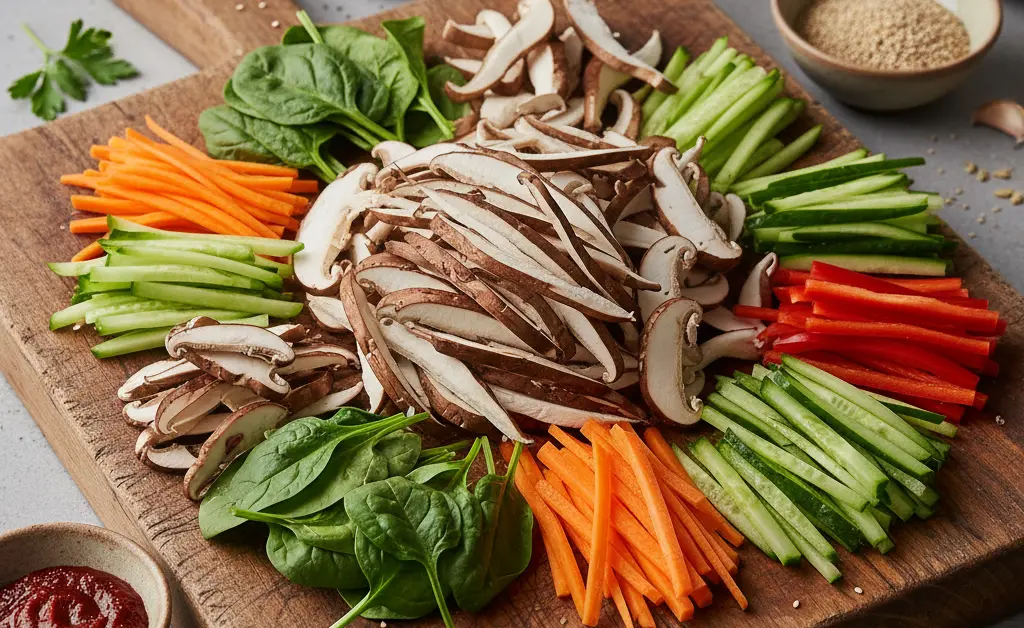
There’s a quiet satisfaction in creating a dish that not only nourishes the body but also comforts the soul. Bibimbap, with its vibrant colors and harmonious flavors, is a prime example. While many ingredients contribute to its appeal, the humble mushroom often holds a special place, adding a depth of umami and a satisfying texture that elevates the entire experience. Achieving that perfect balance requires a thoughtful approach, ensuring each element shines. This guide will walk you through the essential techniques for cooking mushrooms for bibimbap, transforming simple ingredients into a truly delightful and authentic culinary creation. Discover the secrets to making your bibimbap sing with flavorful, perfectly prepared mushrooms, bringing confidence to your kitchen endeavors.
Choosing the Right Mushrooms for Bibimbap
Selecting the appropriate mushrooms is the first step in mastering the art of cooking mushrooms for bibimbap. The choice of mushroom can significantly influence the texture and depth of flavor in your final dish. Understanding the nuances of different culinary mushrooms is key to successful bibimbap. While many varieties can be used, some are more traditionally favored for their specific characteristics that complement the rich, mixed flavors of bibimbap.
Flavor Profiles of Different Mushrooms
For bibimbap, certain mushrooms stand out due to their distinct flavors and textures. Shiitake mushrooms are a popular choice, offering a rich, earthy, and savory umami that pairs wonderfully with the other ingredients. Their firm texture holds up well during cooking. Oyster mushrooms provide a delicate, slightly sweet flavor with a tender, velvety texture. Enoki mushrooms, with their long, thin stems, offer a mild taste and a pleasant, slightly crunchy bite, often added closer to the end of cooking. Each type contributes a unique dimension, allowing for customization based on personal preference and desired complexity.
Preparing Mushrooms for Bibimbap
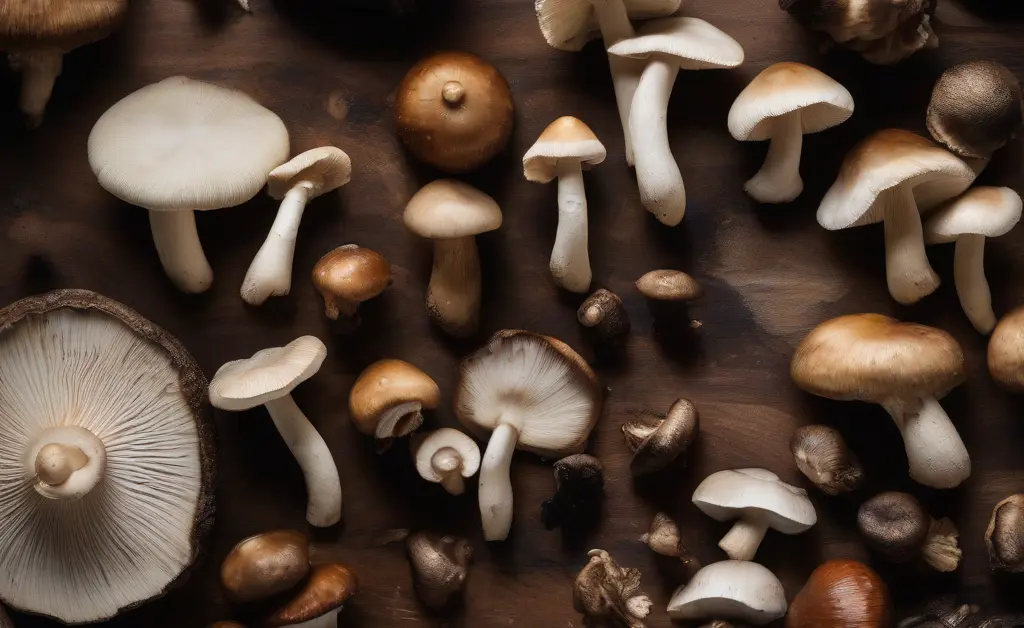
Proper preparation is crucial to ensure your mushrooms are clean, uniformly cut, and ready to absorb seasonings and cook evenly. This foundational step is integral to successful cooking mushrooms for bibimbap, laying the groundwork for optimal flavor and texture.
Cleaning Mushrooms
Mushrooms are often porous and can absorb water easily, which might lead to a soggy texture when cooked. To clean them, avoid soaking. Instead, gently brush off any dirt or debris with a soft-bristled brush or a damp cloth. For particularly stubborn spots, a quick, light rinse under cool running water can be used, but ensure they are dried thoroughly immediately afterward with paper towels. This method helps retain their natural flavor and prevents them from becoming waterlogged. For broader information on food safety and hygiene, resources from the WHO can be valuable.
Slicing or Chopping Mushrooms
The way you cut your mushrooms can impact both their cooking time and how they integrate into the bibimbap bowl. For Shiitake mushrooms, remove the tough stems and slice the caps into thin, even strips. Oyster mushrooms can be torn or sliced into bite-sized pieces. Enoki mushrooms typically require little more than trimming the very bottom of the root cluster. Uniform slicing promotes even cooking and ensures that each bite of bibimbap has a consistent texture. The size should be manageable for chopsticks and visually appealing alongside other julienned vegetables.
Cooking Mushrooms for Bibimbap
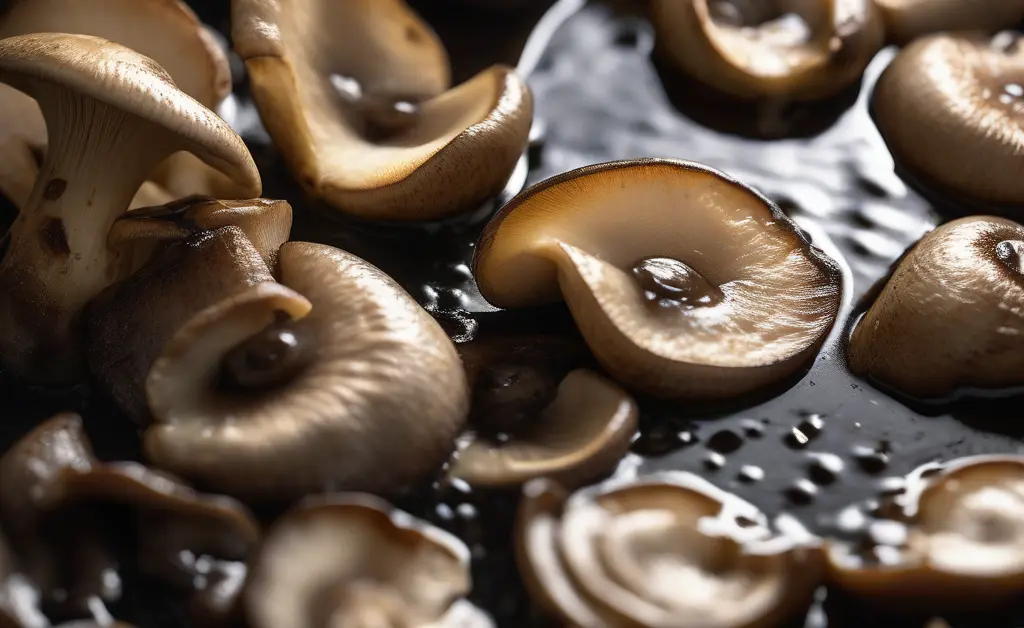
The cooking process itself is where the flavors truly develop. Whether you choose to sauté, blanch, or stir-fry, the goal is to bring out the inherent umami and achieve a pleasant texture. Mastering the technique for cooking mushrooms for bibimbap is key to enhancing the overall dining experience.
Step-by-Step Sautéing Method
Sautéing is one of the most common and effective ways to prepare mushrooms for bibimbap. Begin by heating a small amount of cooking oil, such as sesame oil or a neutral vegetable oil, in a pan over medium-high heat. Add the sliced mushrooms in a single layer, making sure not to overcrowd the pan, as this can steam them instead of browning. Cook undisturbed for a few minutes until they release their moisture and begin to brown. Stir occasionally, continuing to cook until they are tender and caramelized. This process develops a deep, savory flavor and a satisfying texture.
Seasoning and Flavor Enhancements
To enhance the flavor of your sautéed mushrooms, a simple seasoning blend often works best. As they cook, add a dash of soy sauce, a minced garlic clove, and a sprinkle of black pepper. A touch of sesame oil can be added towards the end for its distinctive aroma. Some cooks also like to include a pinch of sugar to balance the savory notes, or a spoonful of gochujang (Korean chili paste) for a subtle kick. These enhancements complement the mushrooms’ natural umami and ensure they contribute richly to the overall bibimbap profile.
Other Cooking Methods (e.g., blanching, stir-frying)
While sautéing is popular, other methods can also be employed when cooking mushrooms for bibimbap. Blanching involves briefly immersing mushrooms in boiling water, then quickly transferring them to an ice bath to stop the cooking. This method results in a softer texture and can be used for delicate mushrooms like enoki. Stir-frying, similar to sautéing but often with higher heat and more frequent movement, is excellent for achieving a crisp-tender result, particularly with tougher varieties or when cooking a medley of vegetables together. The choice of method often depends on the desired texture and how the mushrooms will integrate with the other bibimbap components.
Incorporating Mushrooms into Bibimbap Bowls
Once your mushrooms are perfectly cooked and seasoned, the final step is to artfully arrange them within your bibimbap bowl. Place the cooked mushrooms alongside other prepared ingredients such as seasoned vegetables (namul), marinated meat (bulgogi), a fried egg, and a dollop of gochujang, creating a vibrant and appealing presentation. The goal of cooking mushrooms for bibimbap is to make them a harmonious component of the dish, adding both visual appeal and a burst of savory flavor to every spoonful once mixed. Their earthy notes provide a wonderful counterpoint to the freshness of the vegetables and the richness of the egg and meat.
Mastering the preparation and cooking of mushrooms for bibimbap elevates this classic Korean dish to new heights. By understanding the nuances of choosing, cleaning, cutting, and cooking different mushroom varieties, you can ensure that each spoonful delivers a satisfying blend of textures and a rich, umami-packed flavor. Embrace these techniques, and your bibimbap will surely impress with its thoughtful and delicious mushroom component.
This article aims to inform, not to replace professional healthcare advice. It provides general information about culinary techniques and ingredients. Nutritional information and dietary recommendations can vary, and it is always advisable to consult with a qualified health professional or registered dietitian for personalized guidance regarding specific health conditions or dietary needs. The content presented here is for educational purposes only and should not be used as a substitute for professional medical advice, diagnosis, or treatment.
FAQ
What kind of mushrooms are best for bibimbap?
Mushrooms that offer a good texture and absorb flavors well are ideal for bibimbap. Shiitake mushrooms are a popular choice due to their robust, savory taste and meaty consistency, which holds up nicely when cooked with other ingredients. Other varieties like oyster or cremini mushrooms also work effectively, providing a pleasing mouthfeel and complementing the dish’s diverse components.
How do you prepare mushrooms for bibimbap?
Preparing mushrooms for bibimbap typically involves cleaning them gently and slicing them into bite-sized pieces. This ensures they cook evenly and are easy to enjoy with the other toppings in the bowl. Some recipes may also suggest soaking dried mushrooms beforehand to rehydrate them and enhance their flavor.
How to cook shiitake mushrooms for bibimbap?
Shiitake mushrooms for bibimbap are often sautéed until tender and slightly browned. This process develops their natural umami flavor and softens their texture. They are usually seasoned with soy sauce, garlic, and a touch of sesame oil to create a delicious topping that integrates well with the rice and vegetables.
Can I use other mushrooms besides shiitake for bibimbap?
Yes, you can absolutely use other mushrooms besides shiitake for bibimbap. Varieties like oyster, king oyster, or cremini mushrooms can be excellent substitutes, each offering a unique texture and flavor profile. These mushrooms can be prepared similarly to shiitakes, being sliced and sautéed to achieve a delightful consistency that complements the overall dish.