
Mastering Mushrooms: The Key to Perfect Gravy
Picture this: you’re in your kitchen, crafting a meal, and envisioning a truly exceptional gravy to accompany it. You might have experienced the disappointment of watery, bland mushrooms that dilute the flavor and consistency of your sauce in the past. Achieving that rich, earthy depth and perfect texture from mushrooms requires specific techniques to unlock their full potential. This guide is designed to transform your approach, providing practical insights and step-by-step methods for cooking mushrooms for gravy, ensuring they contribute robust umami without compromising the dish’s overall richness or body. We will cover everything from selection and preparation to the precise cooking methods that guarantee a superior result, elevating your culinary creations.
Choosing the Right Mushrooms for Gravy
Selecting the appropriate mushrooms is the foundational step for creating a flavorful gravy. While many varieties can be used, some stand out for their robust flavor and texture, making them ideal for dishes like mushroom gravy. Common options include cremini (baby bellas), white button, shiitake, and portobello mushrooms. Cremini mushrooms offer a balanced earthy flavor that deepens beautifully when cooked. Shiitake mushrooms provide an intense umami, particularly if using dried varieties, which can be rehydrated and their soaking liquid reserved for an extra flavor boost in the gravy base. Portobello mushrooms, when diced, contribute a meaty texture and a rich, deep taste. When considering what kind of mushrooms are best for gravy, prioritize those that offer a good balance of flavor and can withstand cooking without becoming mushy. The goal when cooking mushrooms for gravy is to enhance, not overwhelm, the overall profile of your sauce. For a deeper dive into selecting and using various types of culinary mushrooms, further resources are available.
Preparing Mushrooms for Cooking
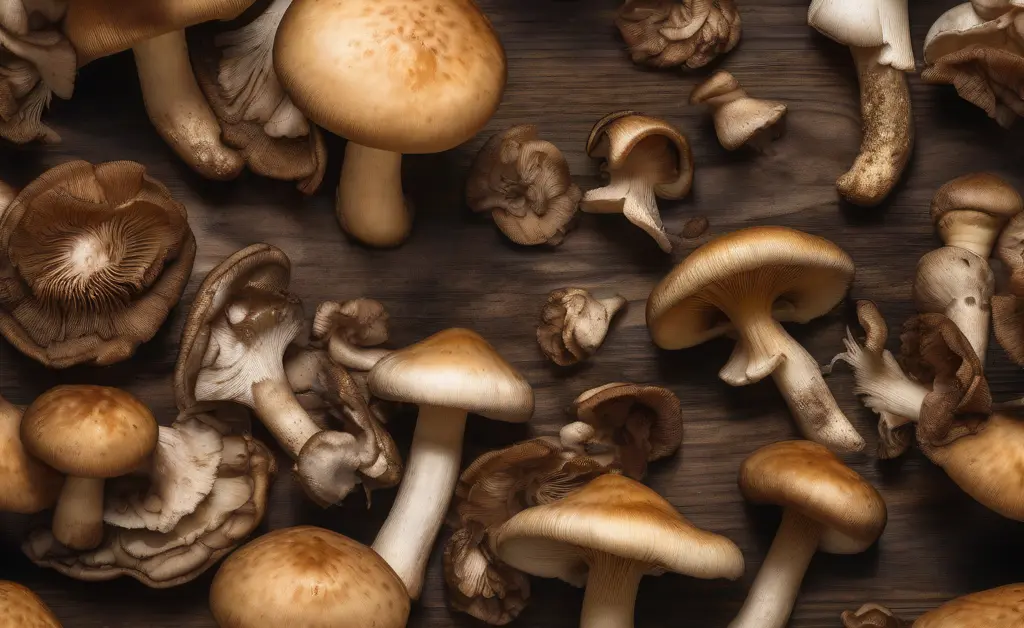
Proper preparation is crucial for unlocking the best flavor and texture from your mushrooms. Start by gently cleaning them. Avoid submerging mushrooms in water, as they absorb moisture readily, which can hinder browning later on. Instead, wipe them clean with a damp cloth or a soft brush to remove any dirt. Always adhere to established food safety guidelines for preparing ingredients, as recommended by organizations like the CDC. For most gravy applications, slicing mushrooms into uniform pieces is recommended. This ensures even cooking and a consistent texture throughout the gravy. The size of the slices can vary based on preference, but generally, quarter-inch slices or small dices work well for integrating into a smooth sauce while still offering discernible mushroom pieces.
Should I cook mushrooms before adding to gravy?
Yes, pre-cooking mushrooms before incorporating them into gravy is highly recommended and often essential for optimal results. This initial cooking step serves several purposes: it helps to evaporate excess moisture, concentrates their flavor, and allows for the development of a desirable browned crust through the Maillard reaction. Adding raw mushrooms directly to a simmering gravy can release too much liquid, diluting the sauce and preventing the mushrooms from developing their characteristic deep, earthy notes. A dedicated pre-cooking stage ensures the mushrooms contribute robust flavor and texture, rather than just adding water.
How do you cook mushrooms so they aren’t watery in gravy?
The key to preventing watery mushrooms in gravy lies in controlling their moisture content during the cooking process. Mushrooms are largely water, and this moisture needs to be released and evaporated before they can properly brown and concentrate their flavors. To achieve this, use a wide pan or skillet and avoid overcrowding it. Cooking mushrooms in small batches ensures sufficient space for steam to escape. Start with a medium-high heat, allowing the mushrooms to release their liquid. Resist the urge to stir constantly; let them sit undisturbed for a few minutes until the liquid begins to evaporate and they start to brown. Adding a small amount of oil or fat can help facilitate browning once the moisture is gone. This careful approach to cooking mushrooms for gravy ensures they become golden and flavorful, not steamed and soggy.
Cooking Mushrooms for Gravy – Step-by-Step
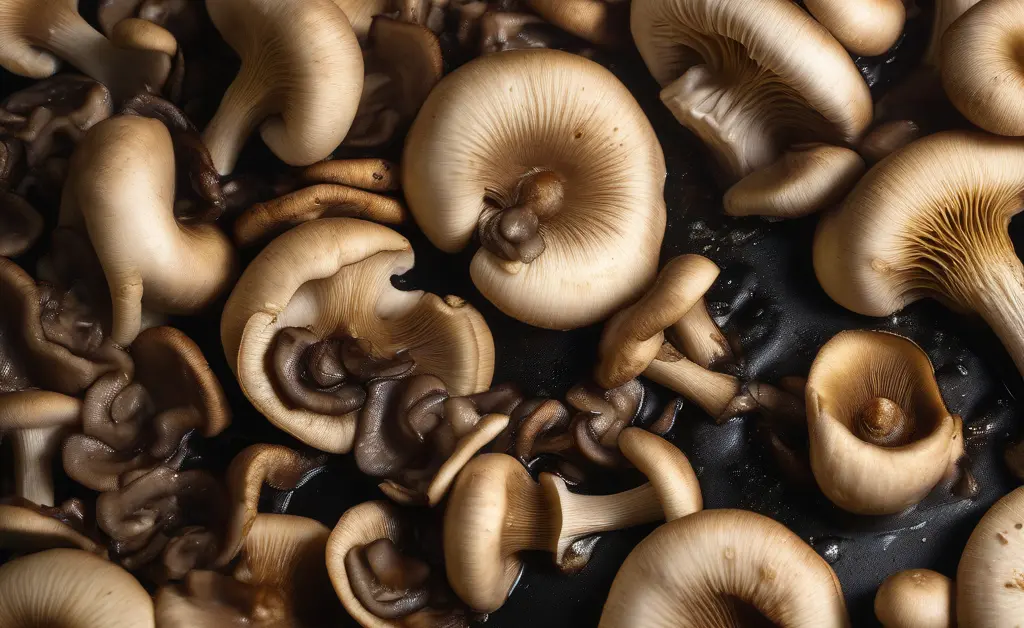
Mastering the technique for cooking mushrooms for gravy is perhaps the most critical step in creating an exceptional sauce. The aim is to achieve deeply flavored, tender yet firm mushrooms that contribute significantly to the gravy’s body and taste. This usually involves a combination of sautéing and browning to develop complex flavors. Proper heat management and sufficient space in the pan are key to preventing the mushrooms from steaming, which would result in a less flavorful and watery outcome. By following these steps, you can ensure your mushrooms are perfectly prepared to elevate your gravy.
Sautéing Mushrooms
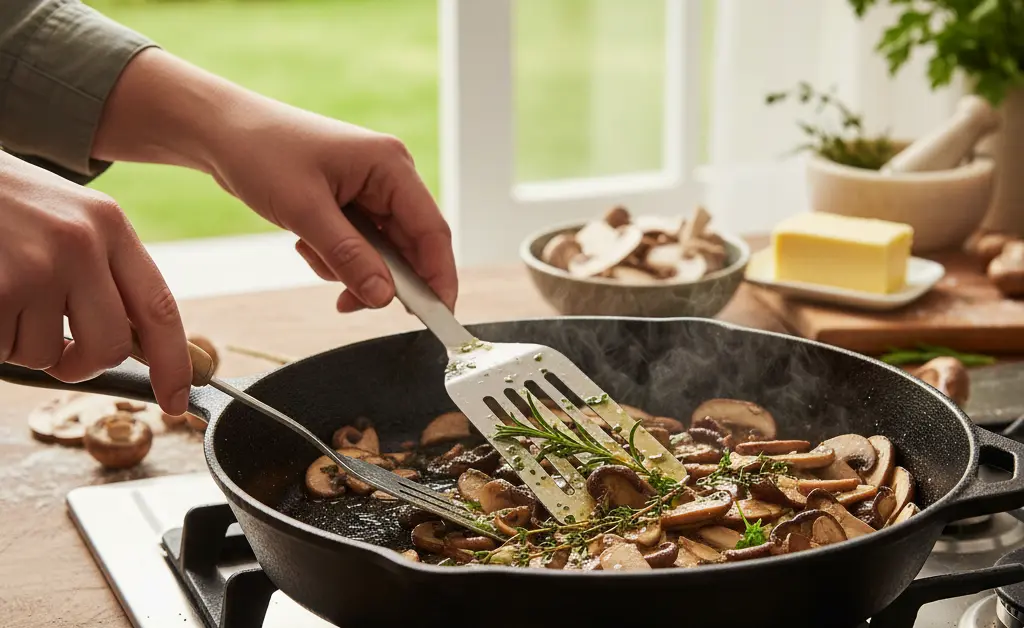
Sautéing mushrooms is the initial phase where they begin to release their moisture and concentrate their flavors. Begin by heating a tablespoon or two of oil or butter in a large skillet or pan over medium-high heat. Once the pan is hot, add your sliced mushrooms in a single layer, ensuring not to overcrowd the pan. If necessary, work in batches. Allow the mushrooms to cook undisturbed for several minutes, letting them release their liquid. You’ll notice the pan filling with moisture. Continue cooking, stirring occasionally, until this liquid has mostly evaporated. The mushrooms will start to soften and shrink in size during this process, becoming ready for the next stage of browning.
Browning Mushrooms
After the initial sautéing and moisture release, the goal shifts to browning the mushrooms, which develops rich, savory flavors through the Maillard reaction. Once most of the moisture has evaporated, increase the heat slightly if needed and add a bit more fat if the pan seems dry. Allow the mushrooms to cook, undisturbed again, until they develop a deep golden-brown color on their surfaces. This browning contributes significantly to the umami depth that is so desirable when cooking mushrooms for gravy. Be patient during this stage, as good browning takes time. Once they are nicely browned, remove them from the pan and set aside, reserving any flavorful fond (browned bits) left in the pan for the gravy base.
Making the Gravy Base
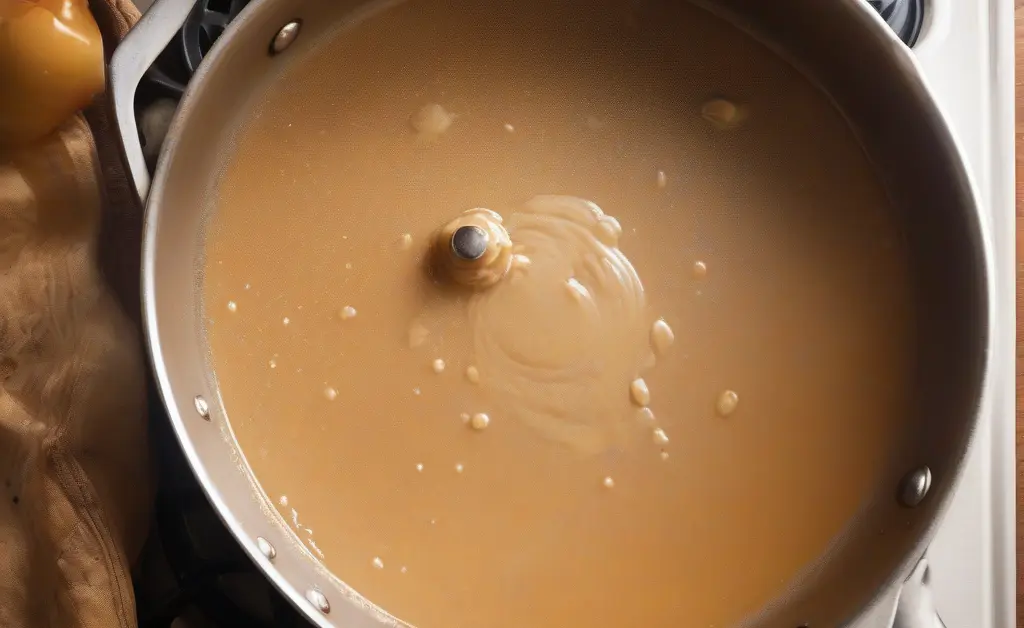
With your perfectly cooked mushrooms set aside, the next step is to build the flavorful gravy base. Using the same pan where you cooked the mushrooms, you can deglaze it with a splash of wine, broth, or water, scraping up all the delicious browned bits (fond) from the bottom. This fond is packed with flavor and forms the foundation of your gravy. Next, create a roux by adding butter or oil to the pan, then whisking in an equal amount of flour. Cook the roux for a few minutes until it’s lightly browned, then gradually whisk in your chosen liquid—vegetable broth, beef stock, or even mushroom soaking liquid. Continue whisking as the gravy thickens. Season generously with salt, black pepper, and other herbs and spices like thyme, rosemary, or bay leaves. At this point, the pre-cooked mushrooms are gently folded back into the thickened gravy base. For an extra rich and creamy mushroom gravy, a touch of cream or a knob of butter can be stirred in just before serving. This comprehensive approach to cooking mushrooms for gravy ensures a harmonious and deeply satisfying final product.
Achieving a truly exceptional gravy featuring mushrooms is a rewarding culinary endeavor. By understanding the nuances of mushroom selection, meticulous preparation, and precise cooking techniques, you can transform simple ingredients into a dish that boasts profound depth and flavor. The effort put into properly cooking the mushrooms—allowing them to release moisture, brown, and concentrate their earthy essence—is what elevates a good gravy to a great one. With these methods, your mushroom gravy will no longer be an afterthought but a highlight, adding a rich, umami-packed dimension to any meal.
This content is for informational use and should not be considered medical instruction. It aims to provide general guidance on culinary techniques. While we strive for accuracy, individual results in cooking may vary based on ingredients and methods. Always use your best judgment and follow established food safety practices. This guide is not intended to substitute professional culinary advice or replace practical experience in the kitchen.
FAQ
How do you cook mushrooms so they aren’t watery in gravy?
To prevent watery mushrooms in gravy, it’s best to sauté them over medium-high heat. This higher heat allows the moisture to evaporate quickly, resulting in beautifully browned, flavorful mushrooms instead of steamed ones. Allowing the mushrooms to brown without overcrowding the pan is key for this process.
How long should you cook mushrooms for gravy?
The cooking time for mushrooms in gravy depends on the heat and desired texture, but generally, you’ll want to sauté them until they release their liquid and then begin to brown. This can take anywhere from 5 to 10 minutes or more, ensuring they develop a rich flavor. Cooking them until they are tender and golden achieves the best culinary result.