
The Art of Cooking Mushrooms for Pasta Dishes
Mushrooms, with their earthy notes and unique textures, can elevate a simple pasta dish into a culinary experience. However, achieving that perfect balance—avoiding a soggy outcome while maximizing their inherent umami—often puzzles home cooks. What are the key techniques that unlock their full potential? This guide delves into the essential methods for preparing and cooking mushrooms for pasta, ensuring they complement rather than detract from your dish. We will explore various approaches, from proper cleaning and slicing to diverse cooking techniques, all designed to enhance their flavor and texture, transforming them into a star component of your favorite pasta creations.
Prepping Your Mushrooms for Cooking
Before any heat is applied, proper preparation is key to ensuring your mushrooms cook beautifully and contribute their best to your pasta dish. This involves carefully cleaning them and then deciding on the appropriate slicing or dicing technique.
When it comes to cleaning, a common question arises: should you wash mushrooms before cooking for pasta? The consensus among chefs is to avoid submerging them in water, as mushrooms are porous and will absorb liquid, leading to a soggy texture when cooked. Instead, gently wipe them with a damp cloth or a soft mushroom brush to remove any dirt or debris. If they are particularly dirty, a quick rinse under running water, followed immediately by patting them thoroughly dry with a paper towel, is acceptable. The goal is to remove impurities without adding excess moisture.
Next, consider the variety. While many mushrooms work well for pasta, common mushroom varieties for pasta include cremini (baby bella), button, shiitake, oyster, and sometimes wild varieties like morels or chanterelles. Each offers a slightly different texture and flavor consideration. Learn more about culinary mushrooms to make informed choices.
Finally, slicing and dicing techniques should be tailored to the mushroom type and the desired outcome for your pasta. For instance, cremini mushrooms can be quartered or sliced thinly, while shiitake caps might be sliced and their tougher stems discarded. Uniformity in size is important for even cooking, ensuring all pieces reach the desired tenderness and browning at the same time.
Sautéing Mushrooms: The Classic Approach
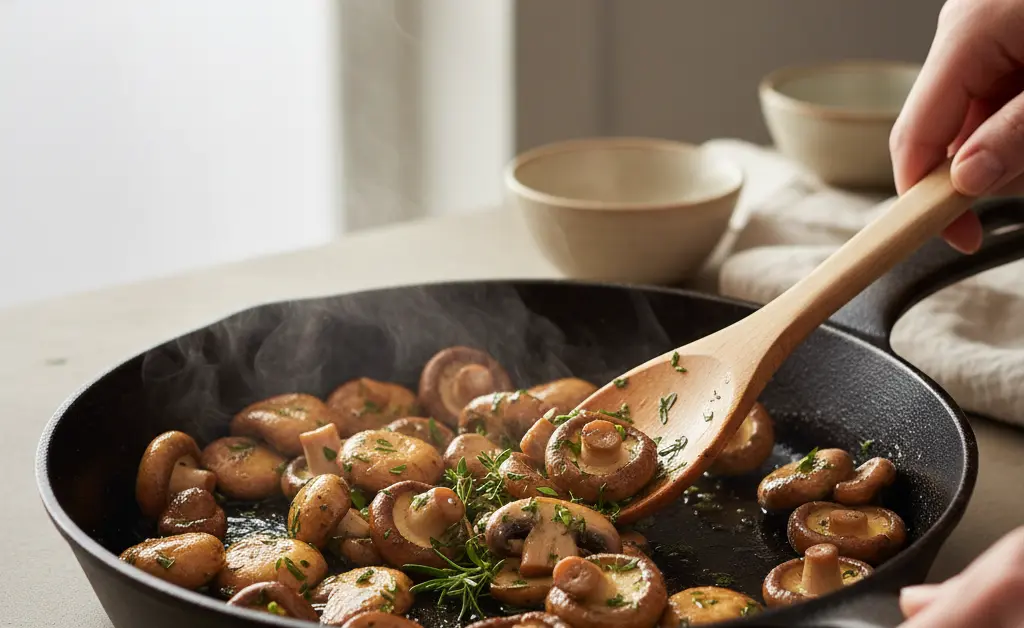
Sautéing is perhaps the most popular method for preparing mushrooms, offering a delightful balance of tenderness and concentrated flavor. To achieve perfectly sautéed mushrooms, begin by heating a wide pan over medium-high heat with a sufficient amount of oil or butter. Overcrowding the pan is a common mistake; mushrooms release moisture, and too many at once will steam rather than brown. Cook in batches if necessary, allowing enough space for the mushrooms to make direct contact with the hot surface.
Once in the pan, resist the urge to stir immediately. Let them brown for a few minutes on one side before tossing. This initial browning builds deep umami flavors. After they’ve released their moisture and started to brown, you can introduce aromatics like minced garlic and shallots. These should be added towards the end of the cooking process to prevent them from burning, infusing the mushrooms with a fragrant complexity that complements pasta dishes beautifully.
Roasting Mushrooms for Deeper Flavor
Roasting provides a hands-off approach that yields intensely flavorful, slightly chewy mushrooms with a wonderful depth of taste. This method concentrates their natural umami by evaporating moisture slowly in a hot oven. To roast, toss your prepared mushrooms with a little olive oil, salt, and pepper on a baking sheet. Spread them in a single layer, again ensuring they are not overcrowded.
Roast them at a relatively high temperature, allowing the edges to crisp and the interiors to become tender. This technique is excellent for larger mushroom pieces or heartier varieties, as it allows their inherent earthiness to shine. The dry heat of the oven brings out a sweetness and richness that can significantly elevate the overall flavor profile of your pasta. For specific dishes, consider cooking mushrooms for lasagna.
Pan-Frying for Crispy Texture
For those who appreciate a textural contrast in their pasta, pan-frying mushrooms to a crispy finish is an excellent technique. This method requires a slightly higher amount of fat and a focus on achieving a golden-brown, almost crunchy exterior. Use a heavy-bottomed pan and heat oil or butter over medium-high heat until shimmering. Add your mushrooms in a single layer, ensuring they have plenty of space to prevent steaming.
The key to crispiness lies in adequate fat, consistent heat, and patience. Allow the mushrooms to cook undisturbed until a deep golden-brown crust forms on one side before flipping. This process can be quicker than sautéing if the heat is managed well and the pan is not overloaded. The resulting crispy mushrooms offer a delightful counterpoint to soft pasta and rich sauces.
Cooking Mushrooms for Pasta
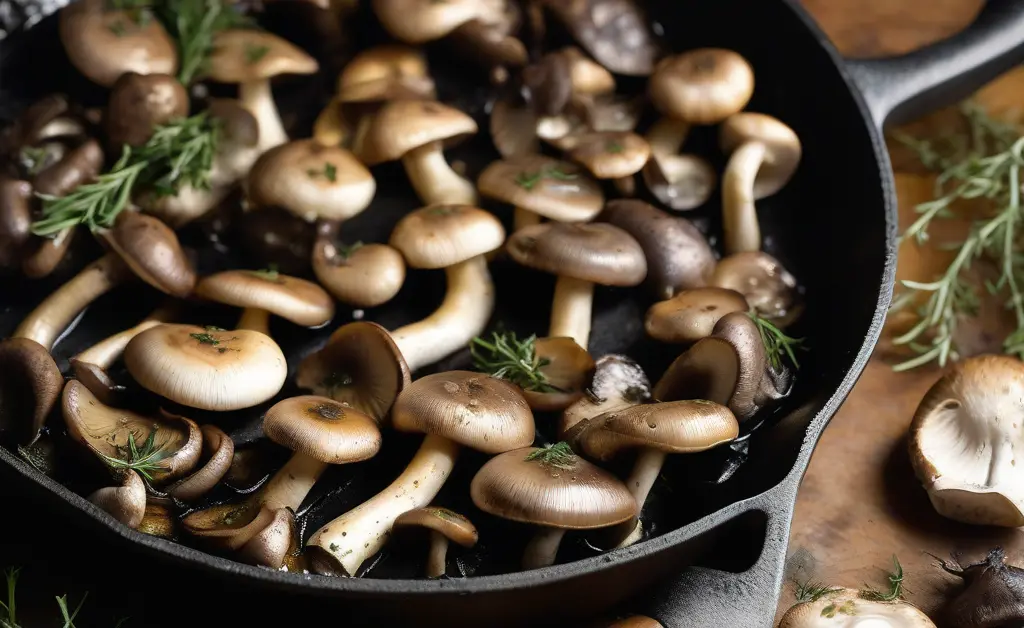
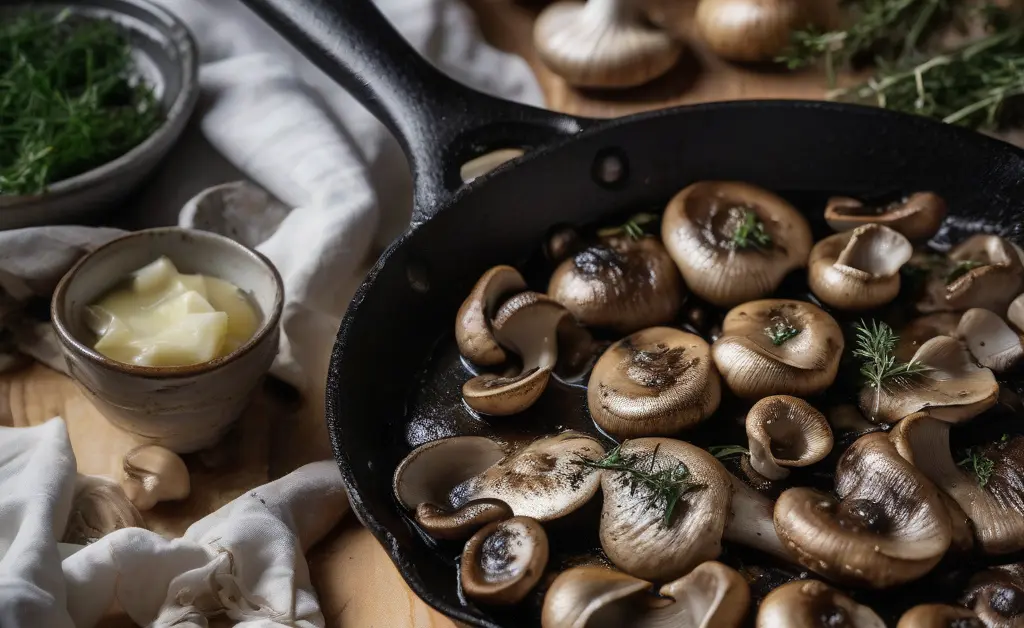
When it comes to cooking mushrooms for pasta, the choice of method can significantly impact the final dish. Whether you opt for a quick sauté, a slow roast, or a crisp pan-fry, the aim is always to enhance their natural characteristics while preparing them to integrate seamlessly with your chosen pasta and sauce. The most effective way to cook mushrooms for pasta often depends on the specific dish you’re creating and the desired texture and flavor contribution from the mushrooms.
For instance, if you want a robust, deeply flavored mushroom presence, roasting is an excellent choice. If you’re aiming for a classic, savory addition that blends well with a creamy sauce, sautéing is ideal. And if a textural pop is what you’re after, pan-frying delivers. Mastering these fundamental techniques for cooking mushrooms for pasta will equip you to make informed decisions for any recipe.
Best Cooking Methods for Pasta Mushrooms
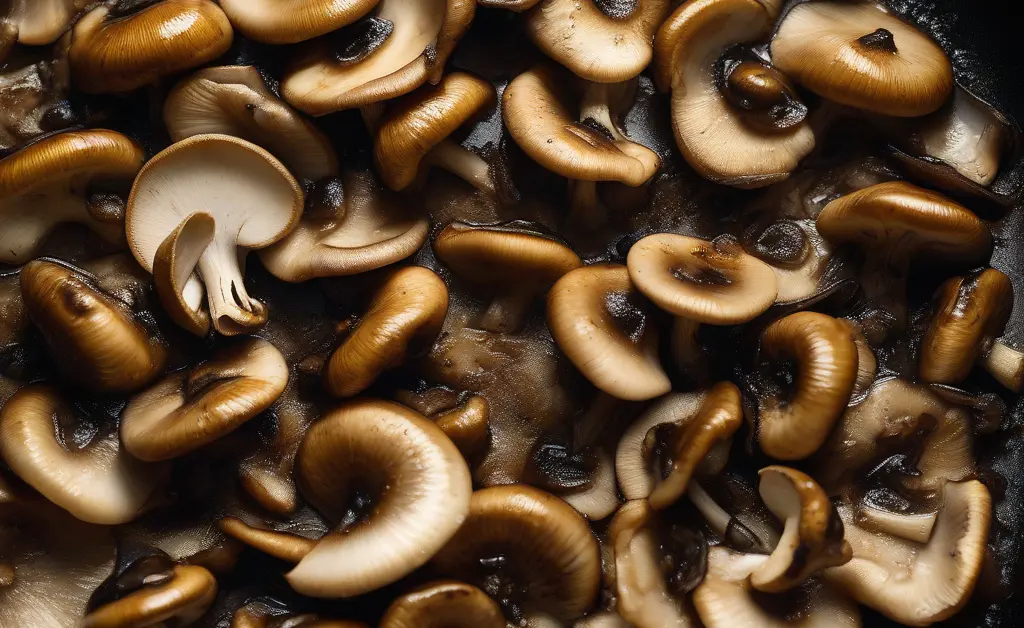
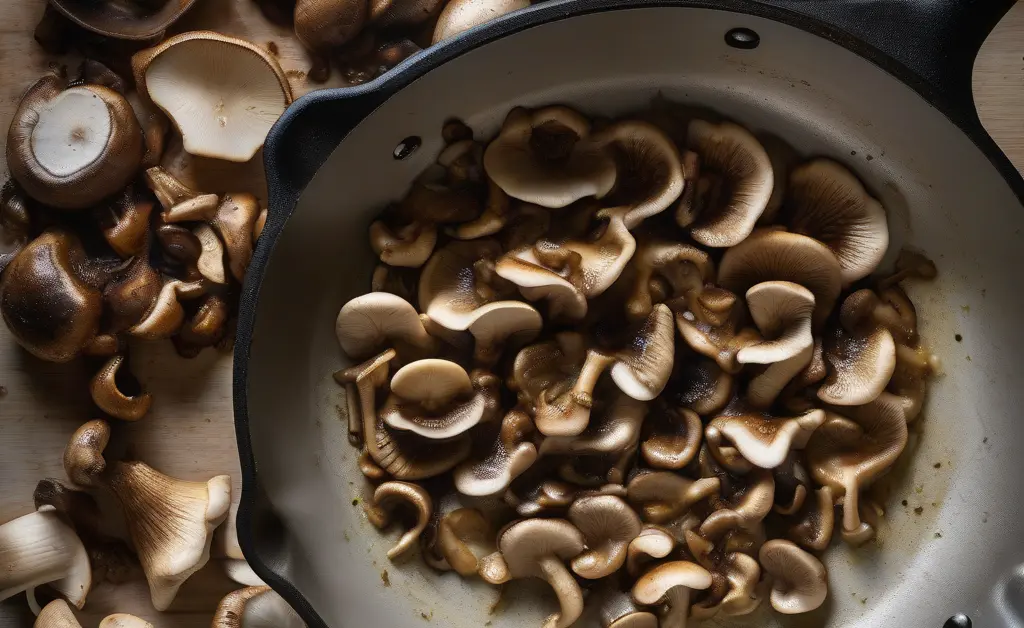
Selecting the best cooking methods for pasta mushrooms involves considering the overall profile of your dish. For a rich, creamy sauce, a slow sauté allows the mushrooms to develop deep, caramelized flavors that meld beautifully. Here, the goal isn’t necessarily crispness, but rather a tender, savory bite.
If you’re making a lighter, oil-based pasta or a dish where the mushrooms are meant to be a prominent textural element, a pan-fry can provide that desired crispy edge. Roasting, on the other hand, excels at drawing out intense umami notes, making it perfect for vegetarian or vegan pasta dishes where mushrooms provide a substantial “meaty” element. Ultimately, the best cooking mushrooms for pasta method is one that aligns with your recipe’s flavor and texture goals, ensuring the mushrooms enhance, rather than detract from, the pasta experience.
As for what kind of mushrooms are good for pasta sauce, varieties like cremini and shiitake offer a robust flavor that stands up well to various sauces. Oyster mushrooms have a delicate texture that works beautifully in lighter sauces, while wild mushrooms can add an unparalleled depth of earthy flavor. Understanding the nuances of cooking mushrooms for pasta sauce is key.
Flavor Enhancements and Seasonings
Beyond the cooking method itself, enhancing the flavor of your mushrooms through thoughtful seasoning and aromatics is crucial for creating an outstanding pasta dish. The right additions can transform simple cooked mushrooms into a highlight of your meal. Effective seasoning mushrooms for pasta typically begins with salt and freshly ground black pepper, applied generously during cooking.
Aromatics like minced garlic and finely chopped shallots are classic partners to mushrooms. They can be added to the pan during the later stages of sautéing or roasting, infusing the mushrooms with a fragrant base. Fresh herbs for mushroom pasta, such as thyme, rosemary, or parsley, also contribute significantly. Thyme pairs wonderfully with earthy mushrooms and can be added early in the cooking process, while fresh parsley is best stirred in at the very end for a burst of color and fresh flavor.
For finishing touches, deglazing the pan with a splash of dry white wine adds acidity and depth, scraping up any browned bits (fond) from the bottom of the pan. A knob of butter stirred in at the end can provide richness and a glossy finish, while a touch of cream can create a luxurious sauce element. These elements collectively contribute to the robust and appealing flavor of your cooking mushrooms for pasta.
Incorporating Cooked Mushrooms into Pasta Dishes


Once your mushrooms are perfectly cooked and seasoned, the final step is to integrate them skillfully into your pasta dish. The manner in which you add them can impact both the texture and distribution of flavor throughout the meal, truly bringing together the cooking mushrooms for pasta experience.
Adding Mushrooms to Sauces
Adding mushrooms to sauces is a common practice, particularly for creamy or tomato-based pasta sauces. The ideal time to incorporate them is usually towards the end of the sauce’s simmering period. This allows the mushrooms to absorb some of the sauce’s flavors while retaining their integrity. If they are added too early, they might become overly soft or lose their distinct texture.
For a thick, rich sauce, chopped or sliced mushrooms can simmer gently, becoming part of the sauce’s body. For lighter sauces, whole or larger mushroom pieces can be folded in just before serving, ensuring they remain a prominent textural component. This method of adding cooked mushrooms to pasta sauces helps to meld the flavors beautifully.
Tossing Mushrooms Directly with Pasta
For simpler preparations, such as olive oil and garlic-based pastas (aglio e olio), or when you want the mushrooms to shine as a distinct element, tossing mushrooms directly with pasta is an excellent approach. This works particularly well with pan-fried or roasted mushrooms that have a desirable texture.
Once the pasta is al dente, drain it and add it directly to the pan with your cooked mushrooms. Toss everything together vigorously, perhaps with a touch of the starchy pasta cooking water, a drizzle of high-quality olive oil, and fresh herbs. This method ensures every strand of pasta is coated and every bite includes a piece of perfectly cooked mushroom, highlighting their individual contribution to the dish.
Mastering the art of cooking mushrooms for pasta transforms a humble ingredient into a star, adding layers of earthy flavor and satisfying texture to your meals. From careful preparation and choosing the right cooking technique to strategic seasoning and thoughtful incorporation, each step plays a vital role. Experiment with different varieties and methods to discover your favorite combinations, elevating your homemade pasta dishes to new culinary heights. Consult the NIH for further health-related information.
The information in this article is intended for knowledge purposes only. It is not a substitute for professional advice. Always use caution and common sense when preparing food. Individual dietary needs and preferences can vary. This content is for general information and should not be used as a basis for personal dietary changes without professional consultation.
FAQ
What is the best way to cook mushrooms for pasta?
Sautéing mushrooms in a hot pan with a bit of oil or butter allows them to release their moisture and develop a rich, savory flavor. This method concentrates their taste and creates a pleasant texture for pasta dishes. Avoid overcrowding the pan, as this can lead to steaming rather than browning, which impacts the final flavor.
How do you get pasta mushrooms flavorful?
To imbue pasta mushrooms with deep flavor, start by cooking them until they are well-browned to enhance their natural umami. Incorporating aromatics like garlic and herbs during the sautéing process adds complexity. Finishing the dish with a splash of wine or a sprinkle of Parmesan cheese further boosts the savory notes.