
The Definitive Guide to Mushrooms in Ramen
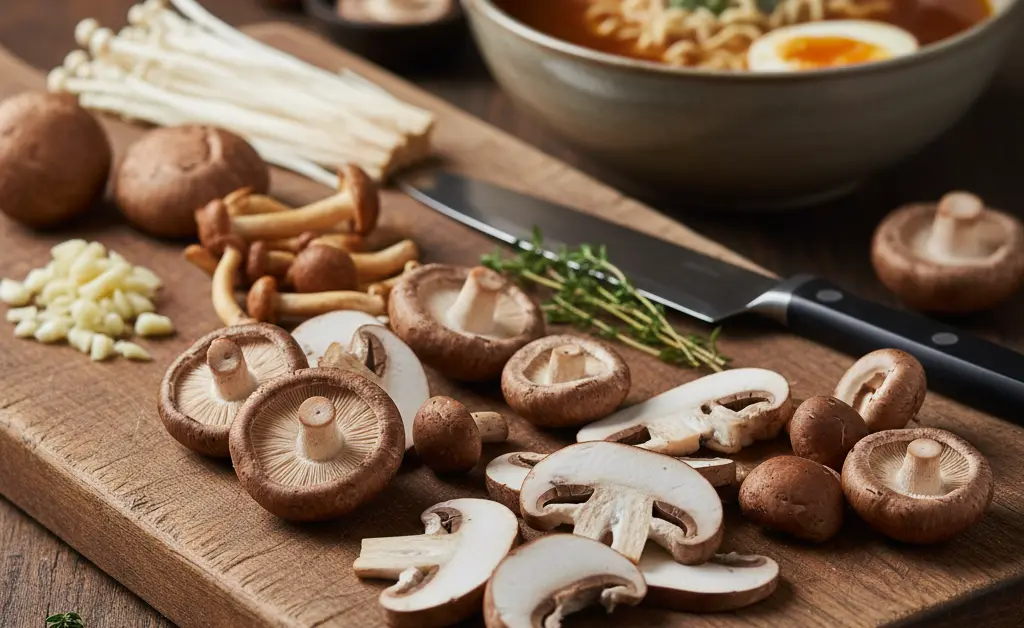
Achieving a truly remarkable ramen experience often hinges on the quality and preparation of its components. Incorporating well-prepared mushrooms can dramatically enhance the umami depth and textural diversity of your noodle soup, transforming a simple meal into a gourmet delight. This guide offers practical, clear methods for selecting, preparing, and cooking mushrooms for ramen, ensuring they perfectly complement the rich broth and other ingredients. Beyond their ability to absorb and impart flavor, mushrooms also contribute valuable nutrients, making them a beneficial addition. We will explore various techniques, from quick sautéing to slow simmering and roasting, detailing how each method influences their texture and flavor profile. Mastering these cooking approaches allows you to consistently achieve optimal results, elevating your homemade ramen to professional standards.
Choosing the Right Mushrooms for Ramen
The selection of mushrooms significantly impacts the final taste and texture profile of your ramen. Different varieties offer unique characteristics that can either blend seamlessly or stand out as a key element. When considering what kind of mushrooms are best for ramen, think about their natural flavor, ability to absorb broth, and textural contribution. Many types of culinary mushrooms can be used.
Shiitake mushrooms are a popular choice, renowned for their rich, earthy, and savory umami notes. When rehydrated from dried form, they release an even more concentrated flavor into the broth. Oyster mushrooms, with their delicate texture and mild, slightly sweet flavor, can add a tender bite. Enoki mushrooms, often added near the end of the cooking process, provide a pleasant crunch and subtle taste, ensuring a varied textural experience. Other options might include cremini or even wild varieties, each bringing its own depth. The goal when cooking mushrooms for ramen is to select varieties that enhance, rather than overpower, the other elements of the dish.
Preparation Methods for Ramen Mushrooms
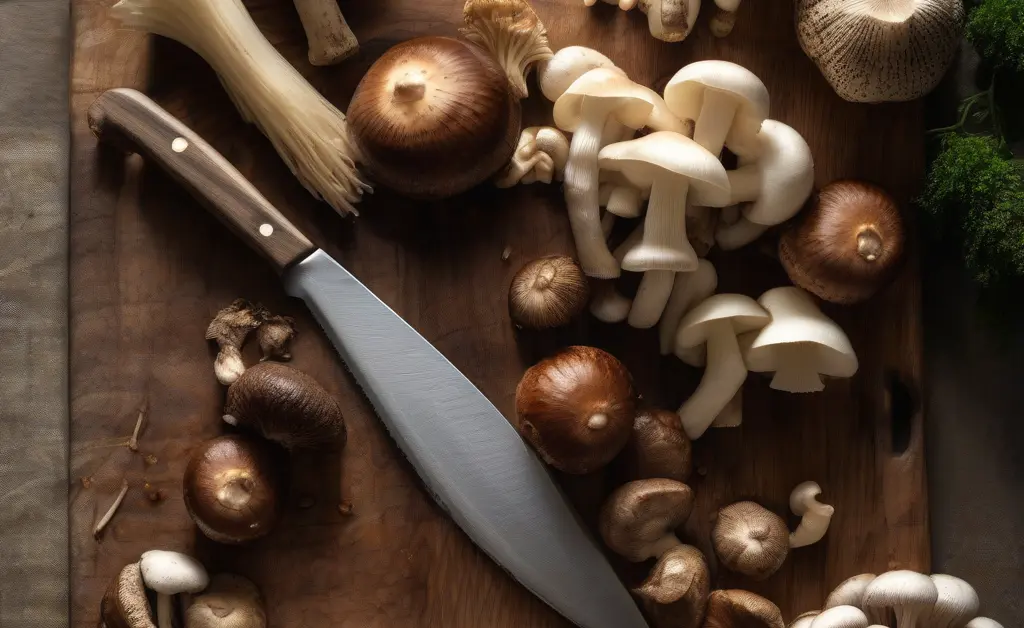
Proper preparation is crucial for unlocking the full potential of mushrooms in your ramen. This stage sets the foundation for both flavor and hygiene. Start by carefully washing and cleaning your mushrooms. Avoid soaking them in water for too long, as they can absorb too much liquid and become soggy; instead, a quick rinse under cool water or a gentle wipe with a damp cloth is usually sufficient. Trim off any tough or woody stems, especially from shiitake mushrooms, as these can be unpleasant to eat.
Next, consider your desired slicing and chopping. For shiitake, thin slices work well to ensure even cooking and distribution of flavor. Oyster mushrooms can be torn into strips, while enoki mushrooms typically only need their root ends trimmed. For those looking to add an extra layer of complexity to their cooking mushrooms for ramen, marinating mushrooms is an excellent option. A simple marinade of soy sauce, a touch of sesame oil, and perhaps a hint of grated ginger can infuse them with additional umami before they even hit the pan or pot, significantly enhancing their flavor profile.
Cooking Techniques for Optimal Flavor
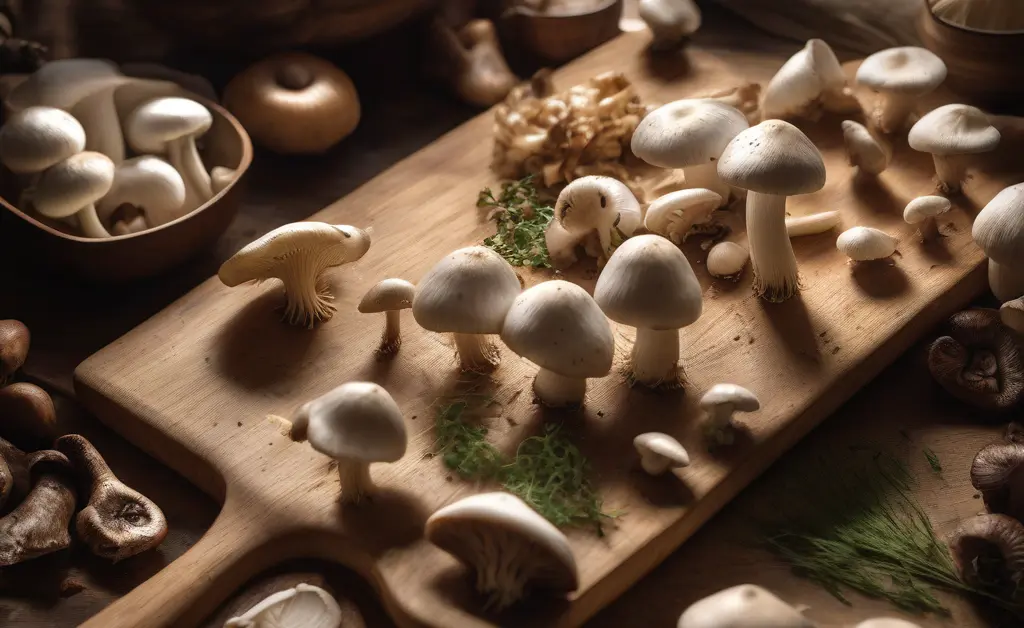
The way mushrooms are cooked profoundly influences their texture and how well they integrate into the ramen. Each method extracts different qualities, contributing to a diverse and satisfying bowl. Mastering these techniques is key to successfully cooking mushrooms for ramen and ensuring they complement the broth and noodles.
Sautéing Mushrooms
Sautéing is a quick and effective method to achieve beautifully caramelized mushrooms with a slightly firm texture. Begin by heating a small amount of oil, such as neutral vegetable oil or sesame oil, in a pan over medium-high heat. Add your prepared mushrooms in a single layer, avoiding overcrowding the pan, which can lead to steaming rather than browning. Cook undisturbed for a few minutes until they release their moisture and begin to brown. Stir occasionally until they are tender and golden. Season lightly with a pinch of salt and pepper, or a dash of soy sauce towards the end. This method is excellent for intensifying the natural flavors before adding them to your ramen, making sautéed mushrooms a versatile component when cooking mushrooms for ramen.
Simmering Mushrooms in Broth
Simmering mushrooms directly in the ramen broth allows them to fully absorb the rich flavors of the liquid while imparting their own earthy notes. This method yields tender, succulent mushrooms that become an integral part of the soup’s overall taste. Add your cleaned and sliced mushrooms to the simmering broth during the final stages of cooking, allowing them to cook for several minutes until they are tender. This is particularly effective for varieties like shiitake, where their umami essence can deeply enrich the broth. The gentle heat ensures they remain plump and flavorful. Some may also consider the health benefits of consuming mushrooms, and information is available from organizations like the WHO.
Roasting Mushrooms for Ramen
Roasting mushrooms offers a unique depth of flavor and a slightly chewy, concentrated texture that differs from sautéing or simmering. This method enhances their natural sweetness and umami through caramelization. Toss your prepared mushrooms with a light coating of oil, perhaps a sprinkle of garlic powder, and a touch of salt. Spread them in a single layer on a baking sheet and roast in a hot oven until they are tender and deeply browned. The dry heat evaporates moisture, intensifying their flavor and creating a satisfying bite that can contrast nicely with the liquid elements of ramen, offering another compelling approach to cooking mushrooms for ramen.
Cooking Mushrooms Directly in the Broth
Integrating mushrooms directly into the broth during its preparation is a simple way to infuse the entire soup with their distinctive flavors. This method is especially beneficial for dried mushrooms, like dried shiitake, which release a profound umami when rehydrated and cooked in the broth. Add them early in the broth-making process, allowing them ample time to soften and meld their flavors. This contributes to a richer, more complex broth, ensuring that every spoonful of your ramen carries a subtle mushroom essence. Fresh mushrooms can also be added directly, though they may cook more quickly and offer a different textural outcome.
Incorporating Mushrooms into Your Ramen Bowl
Once your mushrooms are perfectly cooked, their placement and presentation in the final ramen bowl are key to maximizing their impact. Think about how they will contribute to both the visual appeal and the overall eating experience. The goal of cooking mushrooms for ramen is not just about taste, but also about how they integrate into the dish as a whole.
Adding Cooked Mushrooms as a Topping
Adding cooked mushrooms as a topping provides an opportunity to showcase their unique textures and flavors. Arrange them artfully on top of your noodles and broth, alongside other toppings such as sliced green onions, a soft-boiled egg, or nori. This allows them to maintain their distinct character and prevents them from becoming lost in the soup. Whether they are sautéed, roasted, or simmered, placing them on top ensures that each spoonful can include a bite of mushroom, offering a delightful textural contrast and an intermittent burst of flavor. This also ensures they retain any specific seasonings applied during their cooking, providing a vibrant finishing touch to your homemade ramen.
Mastering the art of cooking mushrooms for ramen involves selecting the right varieties, preparing them meticulously, and employing diverse cooking techniques to achieve optimal flavor and texture. By understanding how each mushroom type and preparation method contributes to the final dish, you can elevate your ramen from a simple meal to a gourmet experience. Experiment with different combinations and techniques to discover your personal favorite ways to incorporate these earthy delights into your noodle bowls, adding depth, umami, and visual appeal.
This article is written for general understanding and not for medical decision-making. The information presented is for educational purposes only and should not be considered a substitute for professional advice. Always consult with a qualified professional for any health concerns or before making any changes to your diet or lifestyle based on information from this article.
FAQ
How do you cook mushrooms for ramen broth?
To prepare mushrooms for ramen broth, you can gently sauté sliced or chopped mushrooms in a bit of oil until they release their moisture and begin to brown. This process deepens their flavor and enhances their texture within the broth. Some cooks also simmer them directly in the broth for a shorter period to infuse their essence.
Should I cook mushrooms before adding to ramen?
Cooking mushrooms before adding them to ramen can significantly improve their flavor and texture. Sautéing or roasting them first develops a richer, umami taste and a more satisfying chew that complements the noodles and broth. Adding raw mushrooms may result in a less developed flavor and a softer texture.