
Preparing Mushrooms for the Perfect Soup
Many home cooks recognize that mushrooms can elevate a simple soup into a gourmet experience, yet achieving the perfect flavor and texture often presents a challenge. A lot of culinary enthusiasts understand that the success of a mushroom-based dish hinges significantly on the preparation of this earthy ingredient. Proper technique ensures that mushrooms contribute their rich, umami notes without becoming rubbery or bland. This guide delves into the essential steps and considerations for cooking mushrooms for soup, exploring everything from initial preparation to optimal sautéing methods and seasoning. By mastering these techniques, you can transform your mushroom soup from ordinary to extraordinary, consistently delivering a deeply satisfying and flavorful bowl. We will cover key strategies to enhance aroma, texture, and overall deliciousness, helping you unlock the full potential of your fungi.
Cooking Mushrooms for Soup
Mastering the art of cooking mushrooms for soup involves several crucial steps, each contributing to the depth of flavor and desirable texture. Understanding the nuances of culinary mushrooms is key to achieving exceptional results. Whether you are aiming for a hearty Simple Mushroom Soup or an elegant Creamy Mushroom Soup, the initial preparation of your fungi is paramount. From selecting the right variety—such as robust Cremini Mushrooms or delicate Oyster Mushrooms—to the method of cooking, every detail influences the final outcome. The primary goal is to coax out their natural umami while preventing them from becoming waterlogged or tough.
Sautéing Mushrooms Before Adding
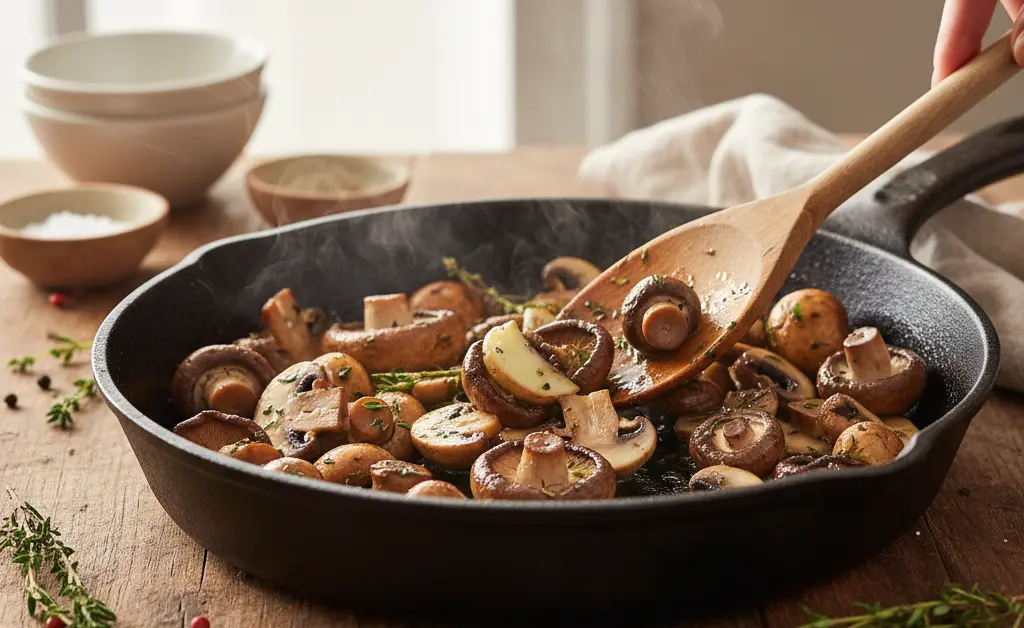
Pre-sautéing mushrooms is arguably one of the most impactful steps in mushroom soup preparation. This process allows excess moisture to evaporate, concentrating their flavor and developing a rich, browned exterior. To achieve optimal results when sautéing mushrooms, begin by cleaning mushrooms thoroughly to remove any dirt without soaking them, which can make them spongy. A dry cloth or soft brush usually suffices. Once cleaned, slicing vs. dicing mushrooms can impact texture; thin slices brown more quickly, while diced pieces offer a different textural bite. Heat a pan over medium-high heat with a small amount of oil or butter. Add the mushrooms in a single layer to ensure even browning. Resist the urge to stir them constantly; let them sit undisturbed for a few minutes to develop a beautiful golden crust. This initial caramelization is key to building a robust flavor foundation for your soup.
Achieving the Right Mushroom Texture
The ideal mushroom texture for soup varies depending on the recipe and personal preference, but generally, it should be tender yet retain a pleasant firmness. Overcooked mushrooms can become rubbery or slimy, while undercooked ones might be too chewy. Achieving the right balance involves careful cooking time and method. Sautéing them until they release their moisture and then reabsorb some of it often results in a perfectly yielding texture. The type of mushroom also plays a role; Shiitake Mushrooms might offer a meatier bite, while Porcini Mushrooms, especially dried and rehydrated, contribute an intense flavor with a softer consistency. Paying attention to these nuances ensures that the mushrooms enhance rather than detract from the overall soup experience.
Don’t Overcrowd the Pan
A common pitfall when sautéing mushrooms is overcrowding the pan. When too many mushrooms are added at once, the temperature of the pan drops significantly, and instead of browning, the mushrooms steam in their own released moisture. This leads to a pale, rubbery texture and inhibits the development of deep, savory flavors. To avoid this, cook mushrooms in batches if necessary, ensuring there’s enough space for the moisture to evaporate and for direct contact with the hot pan surface. This practice is essential for effective cooking mushrooms for soup, guaranteeing each piece gets properly caramelized and flavorful.
Seasoning Mushrooms Properly
Seasoning mushrooms at the right time and with the right ingredients can significantly elevate their flavor profile. When sautéing, it’s often best to add salt toward the end of the cooking process. Adding salt too early can draw out moisture prematurely, hindering browning. Freshly ground black pepper, garlic, and fresh herbs like thyme or rosemary complement mushrooms beautifully. A splash of soy sauce or a dash of mushroom powder can further amplify their umami notes, creating an even richer base for your soup. Research on the nutritional properties of mushrooms can be found on PubMed. Proper seasoning ensures that the mushrooms themselves are delicious, contributing a well-rounded flavor to the final soup.
Mushroom Soup Preparation
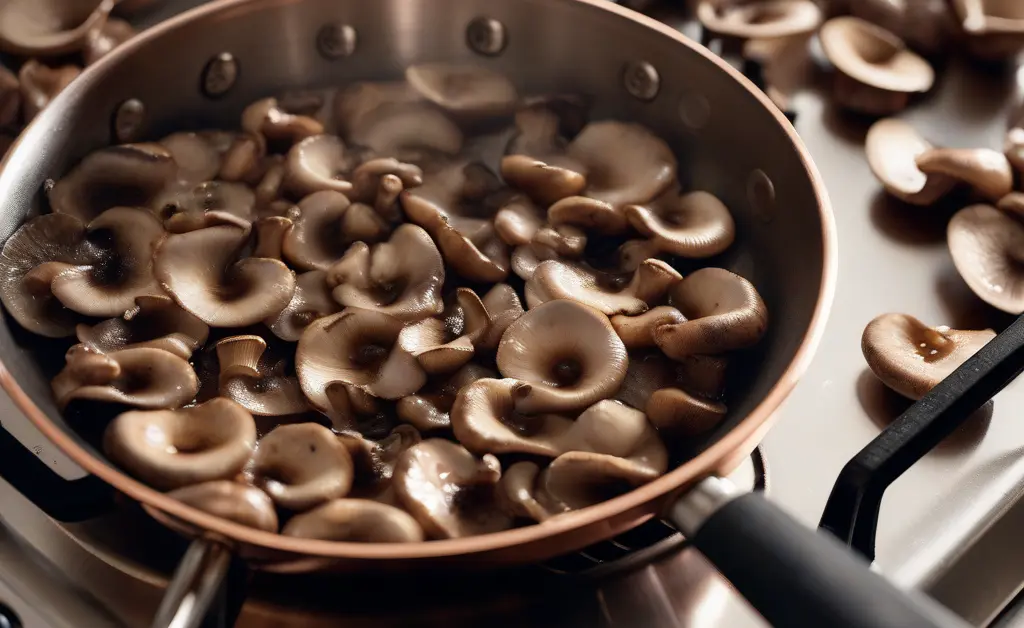
Effective mushroom soup preparation involves more than just cooking the mushrooms; it encompasses understanding the sequence and integration of ingredients. From Vegetarian Mushroom Soup to more complex blends, the overall strategy for cooking mushrooms for soup within the broader context of the recipe is crucial. This section explores when and how to incorporate your beautifully prepared mushrooms into the soup base to maximize their contribution to flavor and texture.
When to Add Mushrooms to Soup
The timing of when to add mushrooms to soup can vary based on the desired outcome and the type of soup. For many recipes, especially those aiming for a deeply savory base, pre-sautéed mushrooms are often added early in the cooking process, allowing their flavors to meld with aromatics like onions and garlic. This foundational layer is vital for many Mushroom Soup Recipes. Alternatively, if you want the mushrooms to retain a slightly firmer texture, or if you’re using very delicate varieties, they can be added later, perhaps during the final stages of simmering. This allows them to heat through and absorb some of the soup’s liquid without becoming overly soft. For instance, when making a hearty stew-like soup, incorporating them early allows them to infuse the broth, while in a quick, light broth, a later addition might be preferred for textural contrast. Effective cooking mushrooms for soup considers these timing aspects to create a balanced dish.
Tips for Cooking Mushrooms in Soup
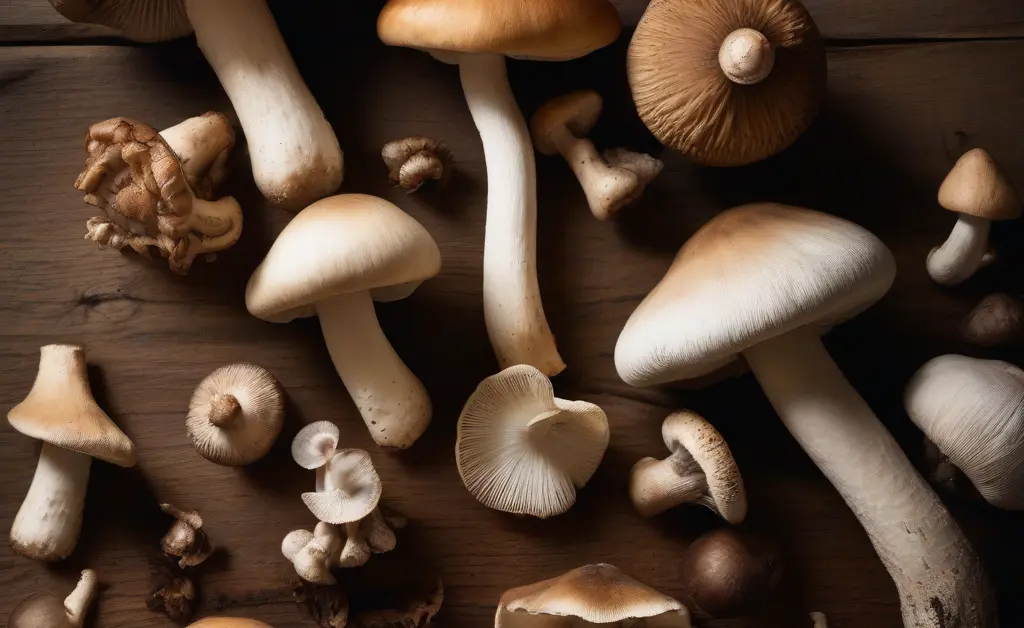
When it comes to cooking mushrooms for soup, a few additional tips can make a significant difference in the final quality of your dish. Selecting the Best Mushrooms for Soup is the first step; while familiar Cremini Mushrooms are versatile, exploring varieties like Shiitake Mushrooms for their robust flavor or Porcini Mushrooms for their intense earthiness can elevate your soup. Consider also Oyster Mushrooms for a delicate texture. If you’re wondering “what kind of mushrooms are best for creamy mushroom soup?”, a blend often works wonderfully, combining the meaty texture of cremini with the deeper notes of porcini or shiitake.
Always ensure your mushrooms are clean and sliced or diced uniformly for even cooking. For enhanced depth, consider using dried mushrooms rehydrated in warm water; the soaking liquid can then be strained and added to the soup, contributing an extra layer of umami. Don’t be afraid to experiment with different fat sources for sautéing, such as olive oil, butter, or even a blend, as each imparts a unique character. Finally, taste and adjust seasoning throughout the cooking process, allowing the flavors to develop and ensuring the mushrooms are perfectly integrated into your delicious creation.
By diligently applying these techniques and considerations, from initial preparation to final seasoning, you can consistently achieve exceptional results when cooking mushrooms for soup. The care taken in sautéing, seasoning, and timing ensures that your mushrooms contribute their best qualities, transforming a simple bowl into a rich, aromatic, and deeply satisfying culinary experience. Whether you’re crafting a rustic country soup or a refined bisque, the principles remain the same: respect the fungi, and they will reward your palate with unparalleled flavor and texture.
not applicable
FAQ
How long to cook mushrooms in soup?
The cooking time for mushrooms in soup can vary depending on the size of the pieces and desired texture. Generally, they are added when other vegetables are softening, allowing them to become tender and absorb flavors. If you prefer a firmer bite, they can be added later in the simmering process.
Should I sauté mushrooms before adding to soup?
Sautéing mushrooms before adding them to soup develops a richer, deeper flavor and a more pleasing texture. This process evaporates excess water and concentrates their savory compounds, preventing them from becoming waterlogged and bland within the broth. It’s a technique that significantly enhances the overall taste profile of the soup.
Do you add mushrooms at the beginning or end of cooking soup?
Adding mushrooms depends on the final texture and flavor you aim for in your soup. For a softer texture and to allow them to fully meld with other ingredients, they are often added earlier in the cooking process. If you want to preserve their distinct flavor and a chewier texture, introducing them towards the end of simmering is a good approach, similar to how one might consider cooking mushrooms for soup when aiming for distinct flavor notes.