
The Chef’s Guide to Cooking Mushrooms for Steak
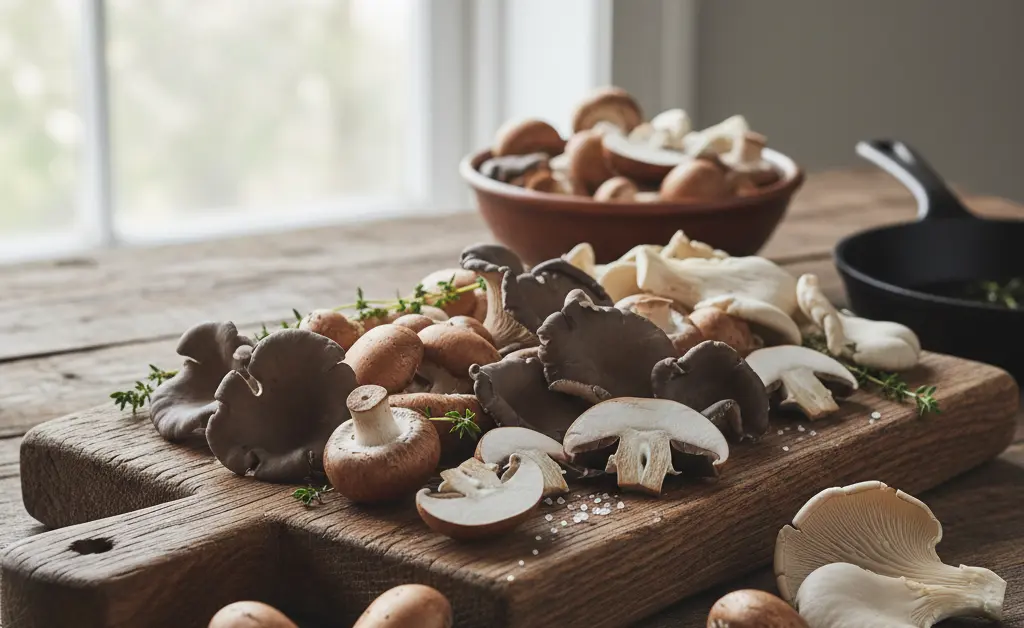
Many home cooks struggle to make side dishes that truly elevate their main course. You’ve mastered the art of grilling a perfect steak, but what about the accompaniments? Often, mushrooms can turn out watery, rubbery, or simply bland, failing to match the richness of a prime cut of beef. This common culinary challenge leaves many wondering how to prepare them effectively. If you’ve ever felt your steak dinner was missing that restaurant-quality touch because the mushrooms just weren’t right, you’re not alone. This guide aims to resolve that very issue by detailing the optimal methods for cooking mushrooms for steak, ensuring they are always a flavorful and textural complement to your meal.
Why Cook Mushrooms for Steak?
Mushrooms offer a unique combination of flavor and texture that can significantly enhance a steak dinner. Their earthy, umami-rich notes naturally complement the robust taste of beef, creating a more complex and satisfying culinary experience. Beyond flavor, their tender yet slightly chewy texture provides an excellent contrast to a perfectly seared steak. When prepared correctly, mushrooms absorb and concentrate these savory characteristics, making them an ideal partner for a variety of steak cuts. Properly executed, cooking mushrooms for steak transforms them from a mere side dish into an integral component of a balanced and gourmet meal.
Choosing the Best Mushrooms for Steak
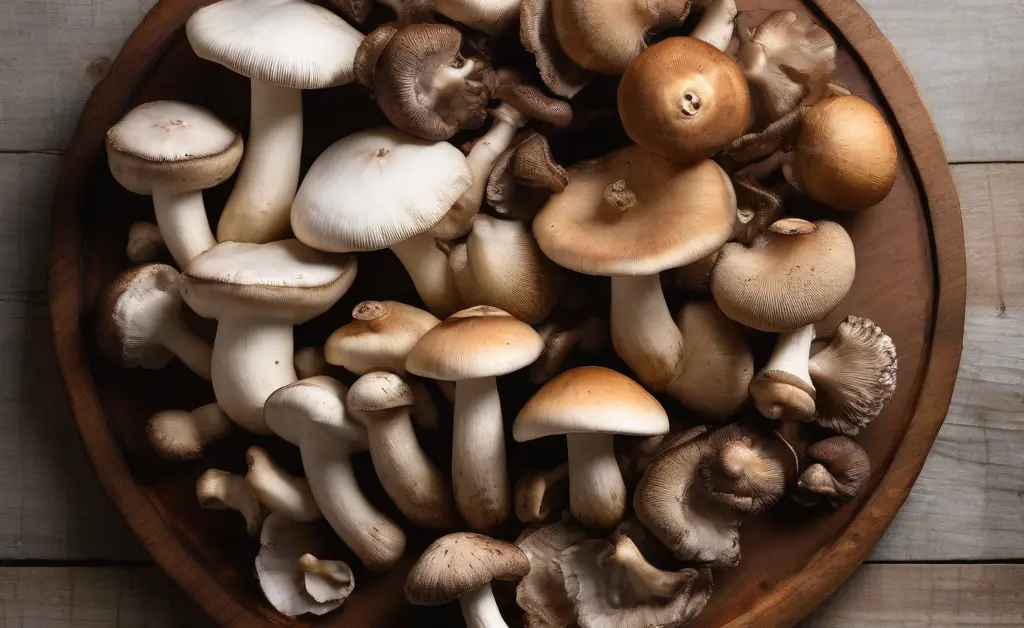
Selecting the right variety of mushroom is a crucial first step in preparing an exceptional side dish for your steak. Each type offers distinct characteristics that can impact the final flavor and texture. Cremini mushrooms, also known as baby bellas, are a popular choice due to their earthy flavor and firm texture, holding up well to cooking. Shiitake mushrooms bring a richer, woodier taste and a meaty texture, often preferred for their intense umami. Oyster mushrooms offer a delicate, slightly sweet flavor with a velvety texture, while small white button mushrooms, though milder, can still be delicious when properly browned. For a truly hearty side, sliced portobello caps provide a substantial, meaty alternative. Regardless of your choice, ensure the mushrooms are fresh, firm, and free from dark spots or sliminess. A gentle wipe with a damp cloth is usually sufficient for cleaning, avoiding excessive washing that can lead to waterlogged results. These choices represent a broad spectrum of culinary mushrooms available for various dishes. For general food safety guidelines, refer to resources from organizations like the WHO.
How to Cook Mushrooms for Steak
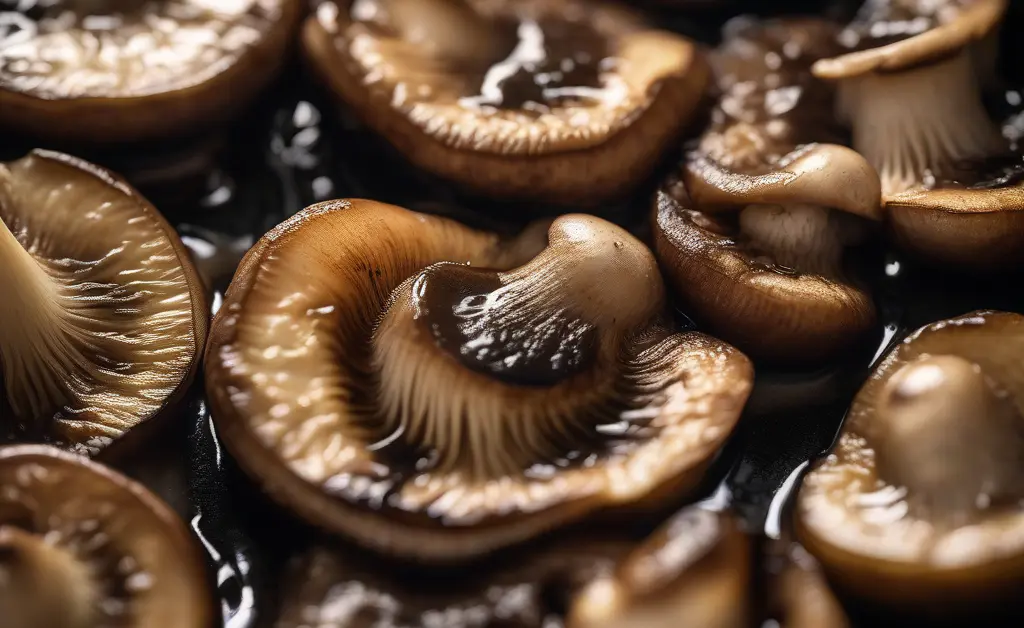
The art of cooking mushrooms for steak lies in understanding how to coax out their deep, savory flavors and achieve an appealing texture. While there are various methods, sautéing is often considered the gold standard for its ability to create a rich, browned exterior and a tender interior. This technique involves cooking the mushrooms over relatively high heat with a fat source, allowing the moisture to evaporate and the natural sugars to caramelize. The key is to manage the heat and avoid overcrowding the pan, which can steam the mushrooms instead of browning them. Mastering this fundamental technique sets the stage for a truly elevated steak accompaniment, ensuring your efforts in cooking mushrooms for steak yield delicious results.
Best Sautéed Mushrooms for Steak
Achieving the “best” sautéed mushrooms for steak involves a few critical steps that ensure a deep, savory flavor and a tender, non-rubbery texture. The primary goal is to encourage the Maillard reaction, which is responsible for the rich brown color and complex flavors. Begin by heating your pan to a medium-high temperature before adding any fat. Once hot, add a generous amount of fat, such as butter, olive oil, or a combination. The fat helps conduct heat and prevents sticking. Add the mushrooms in a single layer, ensuring they have enough space. Resist the urge to stir them constantly; allow them to sit undisturbed for a few minutes to develop a golden-brown sear on one side before flipping. This initial browning is essential for concentrating their flavor and preventing a watery outcome.
Simple Sautéed Mushrooms for Steak
For a straightforward yet delicious side, simple sautéed mushrooms require minimal ingredients but deliver maximum flavor. Start with your chosen mushrooms, cleaned and sliced or kept whole if small. Heat a skillet over medium-high heat. Add a tablespoon or two of unsalted butter, olive oil, or a blend of both. Once the fat is shimmering, add the mushrooms to the pan. Season lightly with salt and freshly cracked black pepper. Cook, stirring occasionally, until the mushrooms release their moisture, and it evaporates, then continue cooking until they turn golden brown and tender. This basic preparation allows the natural earthy flavor of the mushrooms to shine, providing a perfect complement to a grilled steak.
Sautéed Mushrooms and Onions for Steak
Adding onions to your sautéed mushrooms introduces an extra layer of sweetness and aromatic complexity that pairs wonderfully with steak. To prepare this combination, begin by slicing a small onion (such as a yellow or sweet onion) thinly. Heat your pan with a bit of oil over medium heat, then add the onions. Sauté them until they soften and begin to caramelize, usually for several minutes, stirring occasionally. Once the onions are translucent and lightly browned, add your cleaned and prepared mushrooms to the pan. Increase the heat slightly and continue to sauté both the onions and mushrooms together, allowing the mushrooms to brown evenly. Season with salt and pepper to taste. The melding of flavors between the sweet onions and earthy mushrooms creates a robust and satisfying side dish.
Sautéed Whole Mushrooms for Steak
Sautéing whole mushrooms can offer a different textural experience and a visually appealing presentation, particularly with smaller varieties like cremini or button mushrooms. The technique remains similar to slicing, but whole mushrooms may require a slightly longer cooking time to become tender throughout. Ensure they are thoroughly cleaned. Heat a skillet over medium-high heat with your preferred cooking fat. Add the whole mushrooms to the hot pan, making sure not to overcrowd it. Allow them to brown on one side before gently stirring to cook them evenly on all sides. Season with salt and pepper as they cook. The whole mushrooms will develop a beautiful exterior sear while remaining juicy and tender inside, providing a delightful bite alongside your steak.
Tips for Perfectly Sautéed Mushrooms
Achieving perfection when cooking mushrooms for steak involves a few key principles that transform them from ordinary to extraordinary. One of the most crucial tips is to avoid overcrowding the pan. When too many mushrooms are added at once, the temperature of the pan drops, and the mushrooms release their moisture, leading to steaming instead of browning. This results in soft, watery mushrooms rather than crisp, flavorful ones. Cook in batches if necessary, allowing ample space for each mushroom to make contact with the hot surface.
Getting the right temperature is equally vital. Sautéing requires medium-high to high heat. This intensity encourages the quick evaporation of moisture and facilitates the Maillard reaction, responsible for the desirable golden-brown sear and intensified umami flavors. Ensure your pan is adequately hot before adding the mushrooms; you should hear a gentle sizzle when they hit the surface.
Achieving a golden brown sear is the hallmark of well-sautéed mushrooms. After adding the mushrooms to the hot pan with fat, resist the urge to stir them immediately. Let them sit undisturbed for several minutes until a deep brown crust forms on one side. Then, toss them and allow other sides to brown. This patience is rewarded with concentrated flavor and a pleasing texture. Adding a knob of butter towards the end of the cooking process can also help in achieving a rich, glossy finish and a nutty flavor that complements the richness of steak beautifully. Proper preparation when cooking mushrooms for steak truly elevates the entire meal.
Variations and Flavor Enhancements for Steakhouse Mushrooms
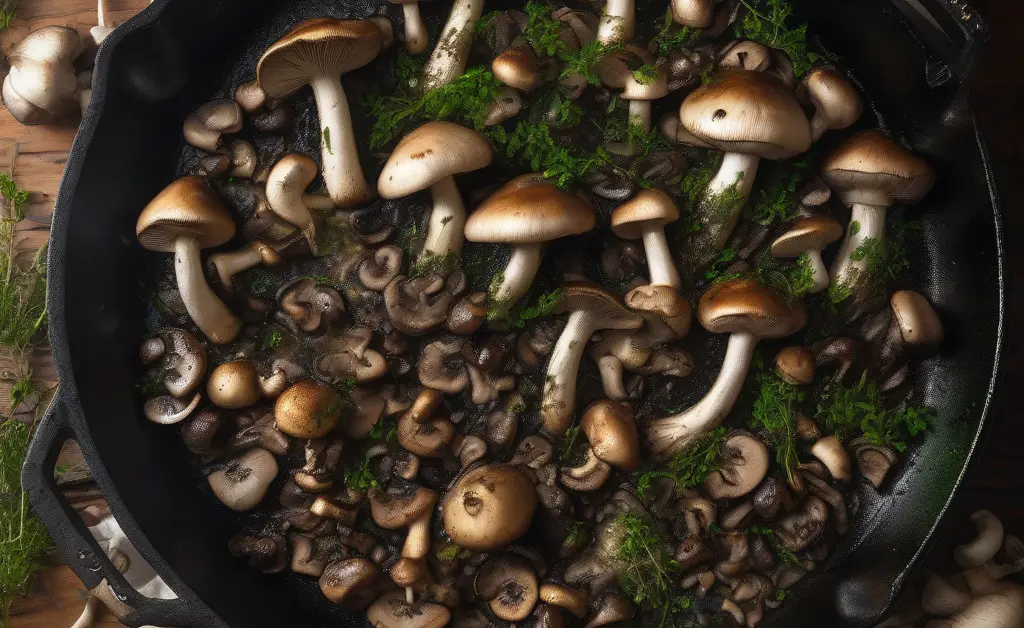
To truly elevate your mushrooms to steakhouse quality, consider incorporating various flavor enhancements that build on the foundational sautéing technique. After achieving a beautiful brown sear, there are numerous ways to introduce additional complexity and richness. For example, garlic and herb mushrooms can be created by adding minced garlic, fresh thyme, or rosemary sprigs to the pan during the final few minutes of cooking. The aromatic herbs infuse the mushrooms with a fragrant zest that complements the steak beautifully.
Another popular variation is a creamy mushroom topping. Once the mushrooms are browned, you can deglaze the pan with a splash of dry white wine or beef broth. Reduce the liquid slightly, then stir in a touch of heavy cream or a dollop of cream cheese until a luscious sauce forms. This creamy consistency provides a rich, velvety texture that pairs exquisitely with a juicy steak.
For an umami-rich mushroom sauce, after sautéing the mushrooms, remove them from the pan. Add a bit more fat if needed, then whisk in a tablespoon of flour to create a roux. Gradually pour in beef broth or a combination of broth and red wine, stirring constantly to prevent lumps. Simmer until the sauce thickens to your desired consistency, then return the mushrooms to the pan. A dash of Worcestershire sauce or a touch of soy sauce can further deepen the umami profile. These variations demonstrate how versatile and delicious cooking mushrooms for steak can be, transforming a simple side into a gourmet experience.
Mastering the art of cooking mushrooms for steak can truly elevate your home dining experience. By selecting the right varieties, employing proper sautéing techniques—such as high heat and avoiding overcrowding—and experimenting with various flavor enhancements, you can consistently achieve mushrooms that are tender, deeply flavorful, and perfectly complement your main course. From simple browned mushrooms to creamy sauces and aromatic herb infusions, the possibilities are vast. With practice, you’ll be able to create a restaurant-quality accompaniment that makes every steak dinner exceptional, turning an often-overlooked side into a culinary highlight.
This information is provided for educational purposes only. It is intended to offer general knowledge and practical advice related to culinary techniques and food preparation. The content presented here should not be considered a substitute for professional culinary training or advice from a qualified expert in food science or nutrition. Always exercise caution and proper hygiene when handling and preparing food.
FAQ
What kind of mushrooms are best for steak?
Certain varieties like cremini, shiitake, or oyster mushrooms offer a rich, earthy flavor that complements steak beautifully. Their dense texture allows them to hold up well during cooking, absorbing the savory juices.
How do you sauté mushrooms so they aren’t watery?
To prevent watery sautéed mushrooms, ensure your pan is hot before adding them and avoid overcrowding the pan, which steams them instead of searing. Allow them to cook undisturbed for a few minutes to release moisture and develop a golden-brown color.
What is the best way to cook mushrooms for a steak topping?
Sautéing or pan-frying mushrooms in butter or oil with aromatics like garlic and herbs is a popular and effective method. This technique concentrates their flavor and achieves a desirable tender, yet slightly crisp, texture perfect for a steak topping.
How long should you cook mushrooms for steak?
The cooking time for mushrooms, especially when cooking mushrooms for steak, typically ranges from 5 to 10 minutes. This duration allows them to soften, brown, and develop their full flavor without becoming mushy.