
How to Cook Mushrooms Perfectly for a Stir-Fry?
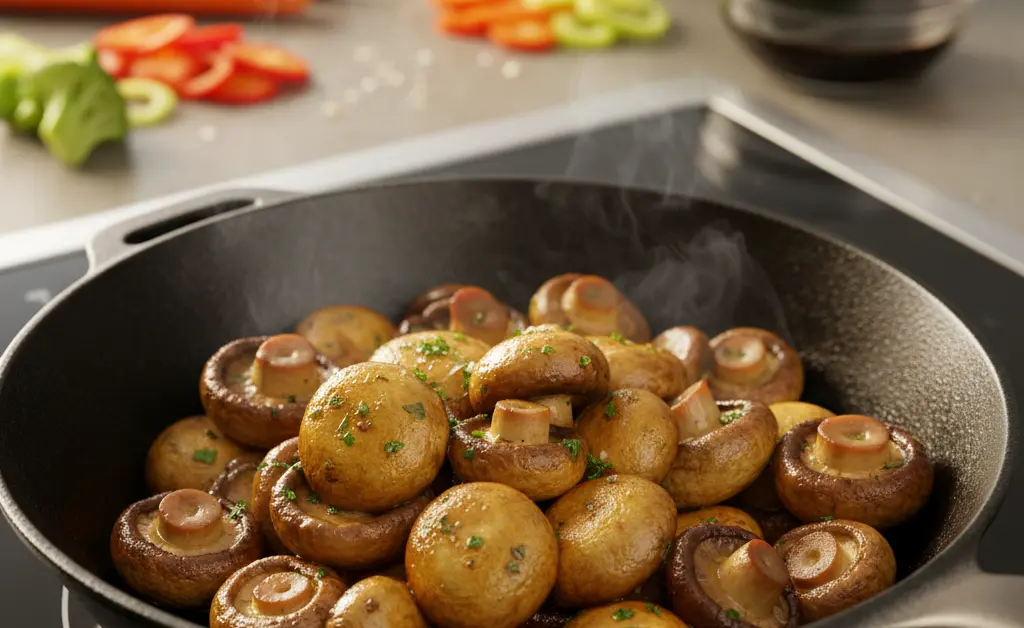
There’s a distinct satisfaction that comes from a perfectly executed stir-fry, and often, the texture of the vegetables makes all the difference. I vividly recall early attempts where my mushrooms, instead of becoming beautifully golden and tender, turned out limp and watery, diminishing the overall appeal of the dish. It was a common hurdle, leading me to understand that proper preparation is not just an option, but a necessity for culinary success. This journey taught me the precise techniques for achieving that ideal balance of flavor and texture. Mastering the art of cooking mushrooms for stir fry transforms them from a mere ingredient into a star component, adding depth and umami without compromise. This guide aims to demystify the process, ensuring your mushrooms are always a delightful addition to your vibrant stir-fry creations.
cooking mushrooms for stir fry
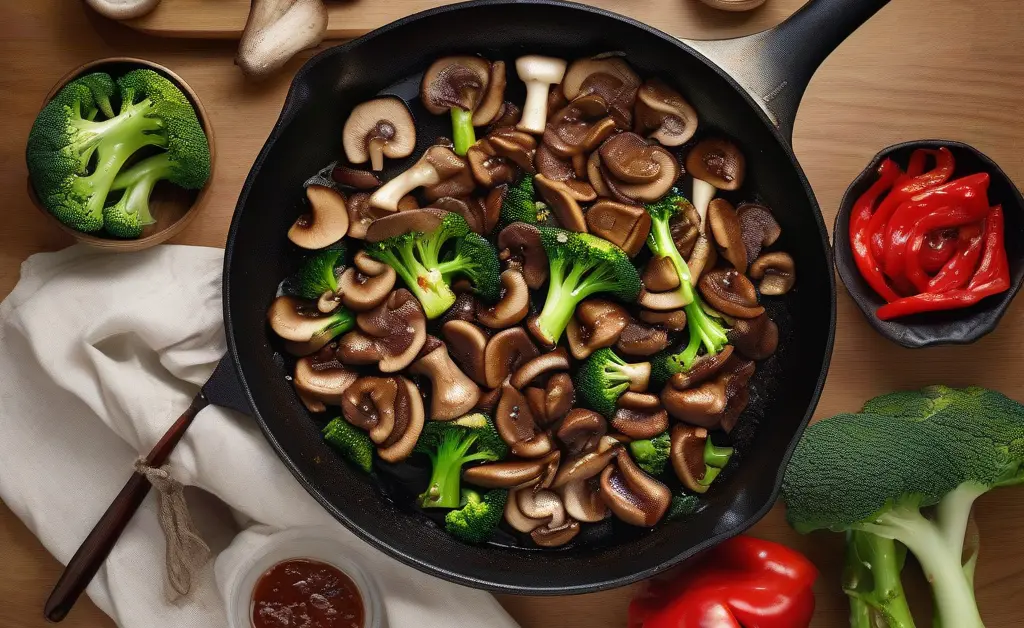
Achieving the ideal texture and flavor when cooking mushrooms for stir fry requires attention to detail from preparation to plating. The goal is to avoid soggy, bland mushrooms and instead coax out their natural umami while ensuring they maintain a pleasant, slightly crisp, or tender-chewy consistency. This section delves into the fundamental steps and considerations necessary for mastering the art of cooking mushrooms for your next stir-fry masterpiece. Understanding various aspects of culinary mushrooms can further enhance your cooking skills.
Cleaning Mushrooms
Proper cleaning is the first crucial step in preparing mushrooms for any dish, especially a stir-fry. While some people advocate for a quick rinse under cold water, it’s often recommended to avoid prolonged soaking, as mushrooms can absorb water like sponges, leading to a watery and less flavorful end product. Instead, gently brush off any dirt or debris with a soft-bristled mushroom brush or a damp cloth. For particularly stubborn bits of soil, a very quick rinse followed immediately by thorough patting dry with a paper towel is acceptable. Ensure they are as dry as possible before moving to the next stage. Maintaining food hygiene is paramount, a principle supported by organizations like the WHO.
Slicing and Dicing Mushrooms
The way you cut your mushrooms impacts both their cooking time and final texture. For stir-fries, consistency in size is key to ensuring even cooking. Slicing mushrooms uniformly, typically about 1/4 inch thick, allows them to cook at the same rate and absorb flavors effectively. Depending on the mushroom variety and desired aesthetic, you might opt for half-moons, quarters, or even leave smaller varieties whole. Consider the overall balance with other ingredients in your stir-fry; larger cuts may be desirable for heartier mushrooms, while smaller pieces blend more seamlessly into the dish.
Marinating Mushrooms (Optional)
Marinating mushrooms can infuse them with additional flavor and contribute to a more tender texture. This step is entirely optional but can significantly elevate your stir-fry. A simple marinade might include soy sauce, sesame oil, a touch of rice vinegar, ginger, and garlic. Allow the mushrooms to marinate for at least 15-30 minutes, or longer if time permits, ensuring they are well-coated. Pat them dry before cooking to prevent excess moisture from interfering with browning.
Getting Your Pan/Wok Ready
The success of your stir-fry heavily relies on a properly heated cooking surface. For cooking mushrooms for stir fry, a wok or a large, heavy-bottomed skillet is ideal. Ensure your pan is completely dry before adding oil. Place it over high heat and allow it to get very hot. You should see a faint wisp of smoke, or feel significant heat radiating from the surface when you hold your hand a few inches above it. This high heat is essential for quickly searing the mushrooms and preventing them from steaming.
Adding Oil and Heat
Once your pan is sufficiently hot, add a high smoke point oil such as peanut oil, grapeseed oil, or canola oil. The amount of oil should be enough to lightly coat the bottom of the pan without pooling excessively. Swirl the oil to ensure even distribution, and allow it to heat up until it shimmers but doesn’t smoke excessively. This hot oil is critical for achieving that desirable golden-brown exterior on your mushrooms, a hallmark of well-executed cooking mushrooms for stir fry.
Sautéing Mushrooms
When sautéing mushrooms for stir-fry, it’s vital to give them space and high heat. Add the prepared mushrooms to the hot pan in a single layer, making sure not to overcrowd the pan. Initially, resist the urge to stir them immediately. Let them sit undisturbed for a few minutes to develop a beautiful sear and release their moisture. Once one side is golden, you can begin to toss or stir them gently. This process helps create a rich umami flavor and prevents them from becoming waterlogged.
Incorporating Mushrooms into the Stir-Fry
The timing of adding mushrooms to your stir-fry depends on whether you’ve pre-cooked them separately. If you’ve sautéed them to perfection beforehand, they can be added towards the end of the stir-fry process, just long enough to heat through and meld with the other flavors. If you’re cooking them directly in the stir-fry, they should typically go in after aromatics (like garlic and ginger) and harder vegetables, but before quick-cooking greens, ensuring they have sufficient time to brown without overcooking other ingredients. Thoughtful incorporation is key for cooking mushrooms for stir fry successfully.
How to Saute Mushrooms (Buttery and Crispy!)
To achieve buttery and crispy mushrooms, consider a few techniques. After initially searing them in oil, you might introduce a knob of butter during the last few minutes of cooking. Butter adds a rich, nutty flavor and can help achieve a beautiful golden-brown color. For extra crispiness, ensure the mushrooms are completely dry before they hit the hot pan. Also, do not overcrowd the pan; cooking in batches if necessary allows steam to escape and encourages crisping rather than steaming. A final sprinkle of fresh herbs or a dash of black pepper can enhance their flavor and appeal.
How long do mushrooms need to cook in stir fry?
The cooking time for mushrooms in a stir-fry is highly variable, depending on several factors including the mushroom variety, their size, and the heat of your pan. Generally, thin-sliced mushrooms may take 5-8 minutes to cook through and achieve a good sear. Larger or whole mushrooms might require slightly longer. The key is to watch for the moisture to release and then evaporate, allowing the mushrooms to brown and develop flavor. Avoid overcooking, which can lead to a rubbery texture; they should be tender with a slight firmness.
Don’t Overcrowd the Pan
Overcrowding is one of the most common pitfalls when cooking mushrooms for stir fry. When too many mushrooms are added to the pan at once, the temperature of the pan drops significantly. This causes the mushrooms to release their moisture and steam rather than sear, resulting in a soggy, gray, and unappealing texture. To avoid this, cook mushrooms in small batches, ensuring there’s enough space for the steam to escape and for direct contact with the hot pan surface. This will promote browning and flavorful caramelization.
Cooking Temperature and Time
High heat is paramount for cooking mushrooms for stir fry effectively. Start with a very hot pan and maintain that heat throughout the initial searing phase. This intense heat quickly evaporates the mushrooms’ natural moisture and fosters the Maillard reaction, which is responsible for the rich, savory flavors and golden-brown color. As for time, it’s less about a strict timer and more about visual cues: look for significant browning and a reduction in size. Adjust heat as needed to prevent burning while still ensuring thorough cooking.
Achieving Browning and Texture
Browning is the hallmark of delicious, well-cooked mushrooms. To achieve this, high heat, sufficient oil, and adequate space in the pan are non-negotiable. Resist the urge to constantly stir; allow the mushrooms to sit undisturbed for a few minutes on each side to develop a deep, caramelized crust. This browning not only enhances their visual appeal but also intensifies their umami flavor and contributes to a pleasant, tender-chewy texture, making the mushrooms a standout component in your stir-fry.
Mushrooms Too Soggy
If your mushrooms turn out soggy, it’s usually due to one of two main reasons: overcrowding the pan or not using high enough heat. When too many mushrooms are cooked at once, or the heat isn’t intense enough, they release their moisture but it has nowhere to evaporate quickly. Instead, the mushrooms stew in their own juices, leading to a limp, waterlogged texture. Always cook mushrooms in batches if necessary, and ensure your pan is piping hot before adding them.
Mushrooms Burned or Undercooked
Burned mushrooms typically result from excessively high heat without enough fat, or being left unattended for too long. They will be dry, brittle, and have a bitter taste. Undercooked mushrooms, on the other hand, retain a rubbery or tough texture and lack the deep umami flavor that develops with proper cooking. To avoid these issues, monitor your heat carefully, use enough oil, and keep a close eye on the mushrooms, tossing them regularly once they’ve started to brown to ensure even cooking.
By following these detailed steps, you can transform your mushrooms from a simple addition into a highlight of your stir-fry. The journey from cleaning to achieving that perfect sear is an art, ensuring each piece contributes a burst of flavor and a delightful texture to your dish. With practice, cooking mushrooms for stir fry will become an effortless and rewarding part of your culinary repertoire, guaranteeing perfectly cooked, savory mushrooms every time.
not applicable
FAQ
How do you cook mushrooms so they don’t get soggy in stir fry?
To prevent soggy mushrooms in a stir fry, it’s important to cook them in a very hot pan with sufficient oil. This high heat allows the moisture within the mushrooms to evaporate quickly, promoting browning rather than steaming. Ensure the mushrooms are in a single layer and avoid overcrowding the pan, as this can lower the temperature and lead to a less desirable texture.
What is the best way to cut mushrooms for stir fry?
For stir fry, slicing mushrooms uniformly is key for even cooking and consistent texture. Thicker slices can help them retain some firmness, while thinner slices will cook more quickly and absorb sauces readily. Some people prefer quartering smaller mushrooms to create bite-sized pieces that integrate well with other ingredients.
Should you cook mushrooms before adding them to stir fry?
Often, it is beneficial to cook mushrooms separately before adding them to the main stir fry mixture. This allows you to achieve a good sear and develop flavor by driving off excess water. Pre-cooking ensures the mushrooms are tender and flavorful, preventing them from releasing moisture into the rest of the dish and making your stir fry watery.