
How to Cook Mushrooms Perfectly for a Stir-Fry?
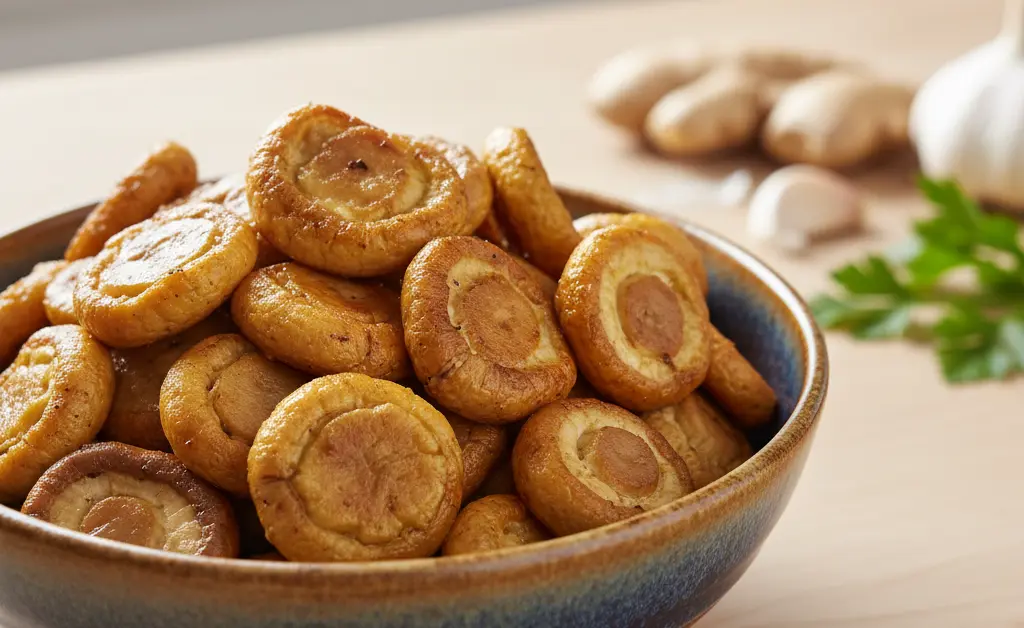
Many home cooks find themselves wrestling with mushrooms in a stir-fry, often ending up with a watery, rather than wonderfully textured, result. It’s a common misconception that mushrooms are inherently difficult to integrate into high-heat cooking without becoming soggy. However, the secret to mastering cooking mushrooms for stir fry lies not in their inherent properties, but in understanding specific preparation and cooking methodologies. This guide will demystify the process, revealing how simple adjustments to your technique can transform these humble fungi into a star component of your dish. From proper cleaning and slicing to strategic pan management and temperature control, we’ll cover the essential steps to ensure your mushrooms emerge beautifully browned, flavorful, and perfectly tender-crisp every time, elevating the overall quality of your stir-fried meals.
cooking mushrooms for stir fry
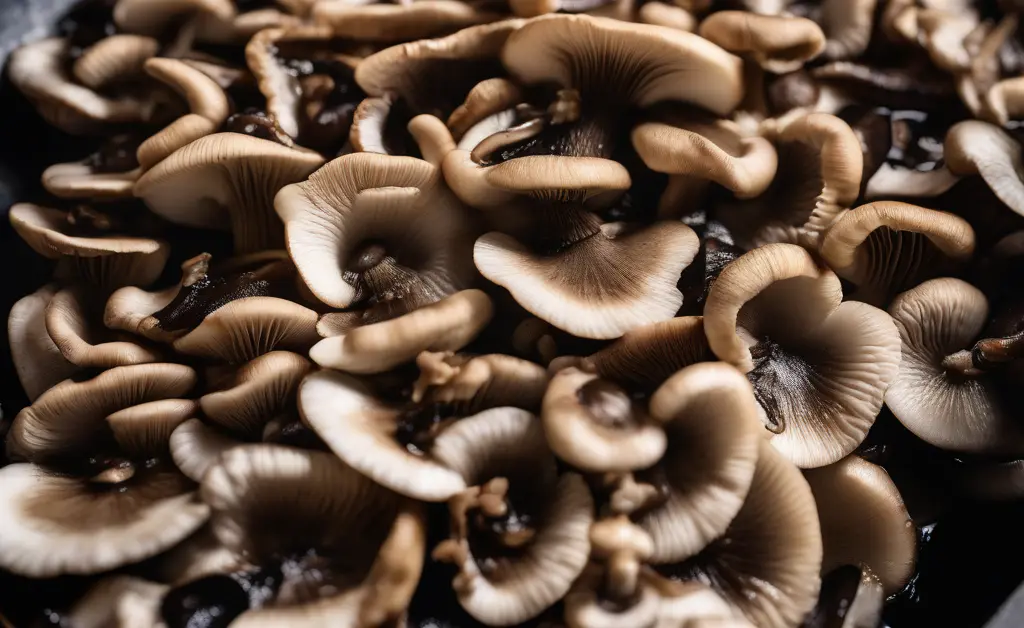
Achieving perfectly cooked mushrooms in a stir-fry begins long before they hit the pan. The specific techniques employed during preparation and initial cooking are vital for developing their flavor and texture. Understanding these foundational steps is key to elevating your overall stir-fry experience when cooking mushrooms for stir fry. These culinary techniques are essential for appreciating the full potential of culinary mushrooms.
Cleaning Mushrooms
Mushrooms are porous, so submerging them in water can lead to waterlogged results. Instead, gently brush off any visible dirt with a dry cloth or a soft mushroom brush. For particularly dirty mushrooms, a quick rinse under cold, running water followed immediately by thorough patting dry with a paper towel is acceptable. Ensuring they are as dry as possible before cooking is paramount to achieving browning. Proper food handling and preparation are important for health and safety, as highlighted by the CDC.
Slicing and Dicing Mushrooms
Uniformity in size is important for even cooking. Depending on the mushroom variety, you might slice them thinly, quarter them, or simply halve them if they are small. Consider the overall aesthetic of your stir-fry; thicker slices tend to retain more texture, while thinner ones will cook faster and integrate more seamlessly into the dish. Avoid overly thick pieces, which might not cook through properly in the rapid stir-fry process.
Marinating Mushrooms (Optional)
While not strictly necessary for every stir-fry, a brief marinade can infuse mushrooms with additional flavor. Light soy sauce, a touch of sesame oil, or even a hint of rice vinegar can penetrate the mushroom’s surface. Allow them to marinate for a short period, typically 10-15 minutes, and then pat them dry again before cooking to ensure browning. This step can enhance the overall Mushroom Texture and Flavor Considerations in your dish.
Getting Your Pan/Wok Ready
A well-heated cooking pan or wok is critical for successful stir-frying. Place your wok or large skillet over high heat and allow it to preheat for several minutes until it’s very hot, often to the point of just beginning to smoke. This high temperature helps to sear the mushrooms quickly, preventing them from steaming and becoming soggy.
Adding Oil and Heat
Once the pan is screaming hot, add a high smoke point oil, such as peanut, grapeseed, or canola oil. Swirl the oil to coat the surface of the pan. The oil should shimmer, indicating it’s ready for the mushrooms. This immediate high heat creates a barrier that locks in flavor and promotes browning.
Sautéing Mushrooms
Add the prepared mushrooms in a single layer to the hot, oiled pan. Resist the urge to stir them immediately. Allow them to sit undisturbed for a few minutes to develop a beautiful golden-brown crust. This initial searing is key to preventing sogginess and developing deep umami flavors. As they release moisture, the high heat allows it to evaporate quickly.
Incorporating Mushrooms into the Stir-Fry
Mushrooms are often best cooked separately or added towards the end of the stir-fry process. If you’re stir-frying other vegetables and proteins, consider cooking the mushrooms in batches first, setting them aside, and then adding them back in during the final minutes of cooking to retain their texture and prevent them from overcooking or becoming mushy in the sauce. This ensures they maintain their delightful bite.
How long do mushrooms need to cook in stir fry?
The cooking time for mushrooms in a stir-fry can vary based on their size and variety, but generally, they cook relatively quickly. Aim for 3-5 minutes of high-heat cooking to achieve a tender-crisp texture and desirable browning. They should be lightly browned and softened, but not limp. This duration also depends on whether they are cooked separately or as part of a larger dish.
Don’t Overcrowd the Pan
Overcrowding is a common mistake that leads to soggy mushrooms. When too many mushrooms are added to the pan at once, the temperature drops significantly, and the mushrooms release moisture faster than it can evaporate. This results in steaming rather than searing. Cook mushrooms in small batches if necessary, allowing ample space for evaporation and browning.
Cooking Temperature and Time
Maintaining a consistently high temperature is crucial throughout the mushroom cooking process. High heat encourages quick evaporation of moisture and promotes the Maillard reaction, which is responsible for the browning and development of savory flavors. Avoid reducing the heat too much, especially when first adding the mushrooms to the pan. The goal is to cook them swiftly and efficiently.
Mushrooms Too Soggy
If your mushrooms turn out soggy, it’s likely due to one of a few reasons: insufficient heat, overcrowding the pan, or not drying them properly beforehand. Ensure your pan is very hot, cook in batches if needed, and always pat your mushrooms dry after cleaning. These steps will help prevent excess moisture buildup and lead to a better texture.
Mushrooms Burned or Undercooked
Burned mushrooms usually indicate too high a heat with insufficient stirring or leaving them unattended for too long. Undercooked mushrooms, conversely, suggest not enough heat or not enough cooking time. Achieving the perfect balance requires observation and adjustment. Stir occasionally to ensure even cooking, but allow periods of undisturbed searing for browning.
How to Saute Mushrooms (Buttery and Crispy!)
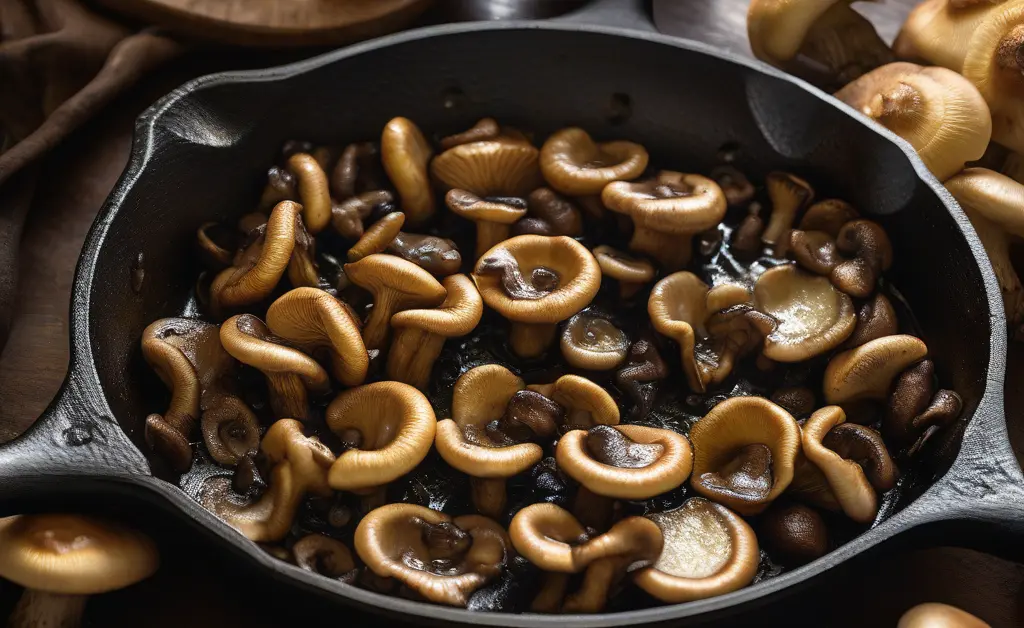
Beyond integrating them into a stir-fry, sautéing mushrooms to a buttery and crispy finish is a culinary art in itself. This method can also serve as an excellent precursor for cooking mushrooms for stir fry, imparting a richer flavor profile and superior texture. The key is to manage the cooking fats and temperature effectively to coax out their best characteristics, considering questions like Is it better to saute mushrooms in oil or butter? and What is the best way to cook mushrooms?
Achieving Browning and Texture
To achieve truly buttery and crispy mushrooms, start with a combination of oil and butter. Oil helps prevent the butter from burning at higher temperatures, while butter adds a rich, nutty flavor. Heat the oil in a pan over medium-high heat until shimmering, then add a knob of butter. Once the butter melts and foams, add the mushrooms in a single layer. Again, do not overcrowd the pan. Allow them to cook undisturbed for several minutes until one side is deeply golden brown. Flip them and continue cooking until they are uniformly browned and the moisture has evaporated, leaving behind a delightful crispness on the exterior and a tender interior. Season with salt and pepper towards the end of cooking to avoid drawing out moisture prematurely.
Mastering the art of cooking mushrooms for stir fry transforms them from a simple ingredient into a flavorful highlight of your dish. By understanding the nuances of preparation, pan temperature, and cooking techniques, you can consistently achieve beautifully browned, tender, and savory mushrooms that elevate any stir-fry. From precise cleaning and slicing to strategic sautéing and careful incorporation, each step plays a crucial role in preventing sogginess and maximizing their natural umami. Embrace these methods, and your stir-fried meals will feature mushrooms that are perfectly textured and bursting with flavor, showcasing the true potential of these versatile fungi.
This information should be viewed as educational rather than medical advice. It is provided for general knowledge and informational purposes only, and does not constitute medical advice. Always consult with a qualified healthcare professional for any health concerns or before making any decisions related to your health or well-being. This content is not intended to be a substitute for professional medical advice, diagnosis, or treatment.
FAQ
How do you cook mushrooms so they don’t get soggy in stir fry?
Achieving tender, not soggy, mushrooms in a stir fry relies on high heat and not overcrowding the pan. Searing them quickly allows moisture to evaporate rapidly, creating a desirable texture. This method ensures the mushrooms brown nicely before absorbing too much liquid from other ingredients.
What is the best way to cut mushrooms for stir fry?
For stir-fries, slicing mushrooms into uniform pieces ensures even cooking and easy incorporation with other ingredients. Thicker slices hold up better to the high heat, while thinner slices can cook through more quickly. Some prefer quartering smaller mushrooms for a more substantial bite.
Should you cook mushrooms before adding them to stir fry?
It is generally beneficial to cook mushrooms for stir fry before adding them to the main dish. Sautéing them separately allows them to release their moisture and develop a richer flavor profile. This pre-cooking step helps prevent them from becoming watery and diluting the overall sauce.