
A Chef’s Guide to Cooking Whole Mushrooms
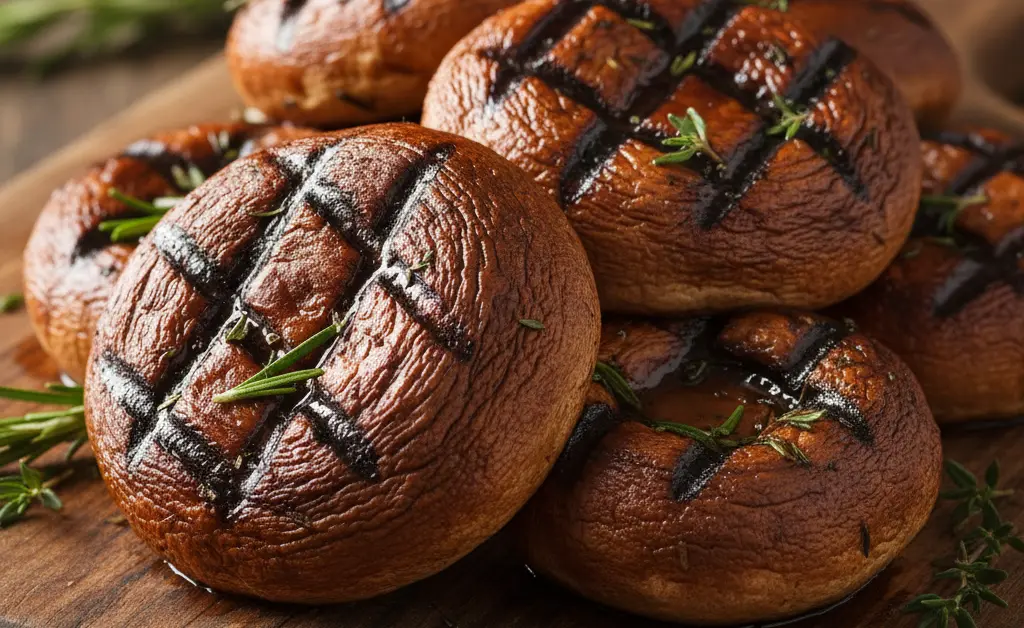
Properly preparing and cooking mushrooms whole can significantly elevate the culinary experience, ensuring they retain their robust texture and earthy flavors rather than becoming shriveled or watery. This method allows the mushrooms to develop a beautiful exterior sear while remaining juicy and substantial on the inside, making them a versatile addition to countless dishes. Whether served as a standalone side, integrated into a main course, or used to garnish, maintaining their integrity enhances both their visual appeal and gastronomic contribution. This guide provides comprehensive techniques and tips for cooking mushrooms whole, from preparation to various cooking methods, helping you achieve perfect results every time and unlock their full potential.
How to Cook Mushrooms Whole: Methods and Techniques
Mastering the art of cooking mushrooms whole involves understanding various methods that can bring out their best qualities. From quick searing on a stove to slow braising, each technique offers a unique texture and flavor profile, making this approach to mushrooms incredibly versatile. The goal is always to prevent them from becoming waterlogged or rubbery, preserving their natural structure and earthy essence.
Mushroom Size Considerations
When selecting mushrooms for cooking whole, size is an important factor that influences both cooking time and final texture. Smaller varieties, such as button mushrooms or small cremini, are ideal for quick cooking methods like sautéing or roasting, as they cook through evenly and relatively quickly. Larger mushrooms, such as portobello caps or king oyster mushrooms, may require more extended cooking times or methods like grilling and braising to ensure they are tender throughout. Consistency in size within a batch can also help achieve uniform cooking results. Consider how to cook turkey tail mushroom for different culinary applications.
Cleaning Whole Mushrooms
Proper cleaning is crucial to remove any dirt or debris without saturating the mushrooms with water, which can lead to a soggy texture. Instead of rinsing them under running water, gently wipe each mushroom with a damp cloth or a soft brush. For heavily soiled mushrooms, a very quick rinse followed by immediate patting dry with paper towels can be acceptable, but extreme care should be taken to minimize water absorption. The aim is to keep them as dry as possible before they hit the heat. Proper drying is also important when considering drying hedgehog mushroom.
Trimming Stems (Optional)
Whether to trim mushroom stems often depends on the type of mushroom and the intended recipe. For many common varieties like cremini or white button mushrooms, the stems are entirely edible and can be left intact, contributing to the overall texture and appearance when cooking mushrooms whole. However, for larger mushrooms such as portobellos, the tough, woody part of the stem near the base might be removed for a more tender eating experience. Some recipes may also call for removing the stems to create space for stuffing. Some mushrooms, like enoki, are best prepared differently, such as knowing when you can enoki mushroom eat raw.
Cooking Mushrooms Whole on Stove
Sautéing is a popular and effective method for cooking mushrooms whole on the stove, yielding a beautiful golden-brown exterior and a tender interior. Begin by heating a generous amount of oil or butter in a skillet over medium-high heat. Add the cleaned, whole mushrooms in a single layer, ensuring not to overcrowd the pan. Overcrowding can lower the pan’s temperature and cause the mushrooms to steam rather than sear. Allow them to cook undisturbed for several minutes until one side is deeply browned, then toss and continue cooking until they are tender and caramelized on all sides. Season towards the end of the cooking process to prevent excess moisture release.
How to Cook Mushroom in Oven Easy
Oven cooking offers a hands-off approach that produces beautifully tender mushrooms with concentrated flavor. To cook mushrooms whole in the oven, preheat your oven to a moderate to high temperature. Toss the cleaned whole mushrooms with a small amount of oil, salt, and any desired seasonings. Spread them in a single layer on a baking sheet, again ensuring they are not overcrowded. This allows for even air circulation, promoting roasting rather than steaming. Cook until they are tender and slightly shriveled, with some browning around the edges. This method is particularly effective for larger batches.
Easy Roasted Mushrooms (Never Soggy)
To achieve perfectly roasted mushrooms that are never soggy, a few key techniques are essential. First, ensure the mushrooms are thoroughly dry before adding oil and seasonings. Second, use a relatively high oven temperature, which helps evaporate moisture quickly. Third, and most crucially, do not overcrowd the baking sheet. Give the mushrooms ample space to prevent steaming. A single layer is paramount. Tossing them once or twice during the cooking process helps ensure even browning. The result is flavorful, firm, and tender mushrooms, making this one of the best ways of cooking mushrooms whole. For inspiration, check out cooking mushrooms with Erin Patterson meme.
Grilling Whole Mushrooms
Grilling whole mushrooms imparts a smoky flavor and appealing char marks. This method works especially well for larger, firmer varieties. After cleaning, toss the mushrooms with oil and seasonings. Skewering them can make them easier to handle on the grill. Place them directly over medium-high heat, turning occasionally, until they are tender and have visible grill marks. Alternatively, they can be cooked in a grill basket to prevent smaller mushrooms from falling through the grates. The science behind food preparation can be complex, as seen in some of the research conducted by the NIH.
Braising Whole Mushrooms
Braising offers a method for tender, flavorful whole mushrooms, especially for tougher varieties or when a rich, saucy dish is desired. Start by lightly browning the mushrooms in a pot or Dutch oven. Then, add a flavorful liquid such as broth, wine, or tomato sauce, ensuring the mushrooms are partially submerged. Cover the pot and allow them to simmer gently over low heat or in a low oven until they are very tender and have absorbed the flavors of the braising liquid. This slow cooking process makes the mushrooms exceptionally succulent.
Flavor Combinations and Seasonings for Whole Mushrooms
The earthy taste of whole mushrooms provides a wonderful canvas for a variety of flavor combinations and seasonings. The right additions can enhance their natural umami and complement their texture, transforming them into a memorable dish. When cooking mushrooms whole, integrating these elements at the appropriate stage is key to maximizing their impact.
Classic Garlic Butter Flavor
The combination of garlic and butter is a timeless pairing that perfectly complements whole mushrooms. To achieve this, sauté the mushrooms in butter until they begin to soften and brown. Then, add minced garlic during the last few minutes of cooking to prevent it from burning, allowing its aromatic oils to infuse the mushrooms. A sprinkle of fresh parsley at the end adds a touch of color and freshness, elevating this simple yet profound flavor profile.
Herbs and Spices for Whole Mushrooms
A wide array of herbs and spices can beautifully enhance the flavor of whole mushrooms. Rosemary and thyme offer a woody, earthy note that resonates with the mushroom’s natural character. Sage provides a slightly pungent, savory depth, while oregano can lend a Mediterranean flair. For spices, black pepper is a universal enhancer, while a touch of smoked paprika can add warmth and a subtle smoky nuance. Experiment with combinations to discover your preferred aromatic profile, adding these during the cooking process to allow their flavors to meld.
Acidic Elements (Lemon, Balsamic)
Introducing acidic elements like lemon juice or balsamic vinegar can brighten and balance the rich, earthy flavors of whole mushrooms. A squeeze of fresh lemon juice at the end of cooking can cut through richness and add a vibrant lift. Balsamic vinegar, especially a good quality aged variety, can offer a delightful sweetness and tangy complexity when reduced slightly or drizzled over cooked mushrooms. These acidic components provide a contrast that makes the overall dish more dynamic and appealing.
Serving Whole Mushrooms
Once perfectly cooked, whole mushrooms can be served in numerous ways, enhancing a meal with their robust texture and concentrated flavor. Whether as a star component or a supporting cast member, their versatility makes them a valuable addition to any culinary repertoire. Creative presentation and thoughtful pairing can truly elevate the experience of cooking mushrooms whole.
Whole mushrooms excel as a standalone side dish, perhaps tossed with fresh herbs and a drizzle of olive oil, accompanying grilled meats or roasted vegetables. Their substantial texture also makes them a satisfying vegetarian option. They can be integrated into main courses, such as stir-fries, stews, or pasta dishes, where they absorb the surrounding flavors and add a chewy depth. Consider them as an elegant topping for crostini or bruschetta, or as a flavorful filling for tarts and omelets. For appetizers, marinated and grilled whole mushrooms can be served on skewers. The key is to highlight their intact form and showcase the effort put into preserving their texture and taste.
not applicable
FAQ
What temperature should I roast whole mushrooms at?
Roasting whole mushrooms often benefits from a moderate to high heat, typically between 375°F and 425°F (190°C to 220°C). This temperature range helps to achieve a good sear on the outside while allowing the inside to become tender and release its moisture. The exact temperature can be adjusted based on your oven’s performance and desired level of browning.
How long do I cook mushrooms whole?
The cooking time for whole mushrooms can vary, generally ranging from 15 to 30 minutes depending on the size of the mushrooms and the cooking method. Smaller mushrooms may cook faster than larger ones, and methods like roasting or sautéing will have different timeframes. It’s helpful to check for tenderness and desired coloration as they cook.
Can I cook button mushrooms whole?
Yes, button mushrooms are excellent candidates for cooking whole, making them a convenient and flavorful option. Their size and texture lend themselves well to various cooking techniques, absorbing marinades and seasonings effectively. Cooking them whole helps retain moisture and develop a satisfying meaty texture.
What are the best seasonings for whole mushrooms?
Aromatic herbs like thyme, rosemary, and garlic are classic pairings that enhance the earthy flavor of whole mushrooms. Simple seasonings such as salt and black pepper are essential for bringing out their natural taste. Consider adding a drizzle of olive oil or butter for richness and a touch of soy sauce or balsamic glaze for umami depth.