
A Chef’s Guide to Cooking Whole Mushrooms
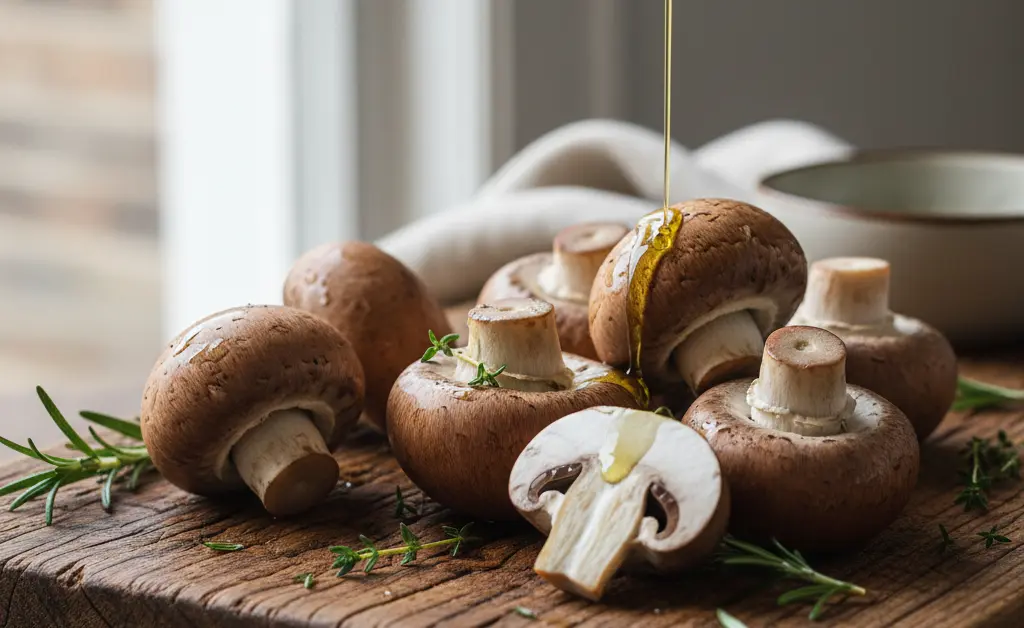
There’s a particular satisfaction that comes from mastering a dish that seems deceptively simple, yet elevates a meal profoundly. For many home cooks, the allure of perfectly prepared vegetables lies in achieving both exquisite flavor and ideal texture. This guide aims to instill confidence in transforming humble fungi into culinary stars. We’ll explore various techniques and tips for cooking mushrooms whole, ensuring they emerge from your kitchen tender, flavorful, and never soggy. Whether you’re a seasoned chef or just starting to explore the versatility of mushrooms, understanding the nuances of preparation can unlock their full potential, adding depth and richness to any plate with surprising ease.
How to Cook Mushrooms Whole: Methods and Techniques
Successfully cooking mushrooms whole begins with understanding their unique characteristics and selecting the right approach. From quick sautés to slow braises, each method brings out different qualities in these versatile fungi, offering a range of textures and flavor profiles. The key is to manage moisture effectively and apply appropriate heat to achieve optimal results, making your efforts in how to cook turkey tail mushroom truly rewarding.
Mushroom Size Considerations
The size of the mushrooms you choose significantly influences both preparation and cooking time. Smaller varieties, such as button or cremini mushrooms, are often ideal for cooking whole as they cook relatively quickly and retain an appealing bite. Larger mushrooms, like portobellos, can also be cooked whole, but may require longer cooking times or specific techniques to ensure they are tender throughout without becoming overly soft. Considering the ultimate presentation and desired texture will guide your selection and subsequent cooking approach. For further insights into the nutritional aspects of fungi, resources like PubMed can provide extensive scientific literature.
Cleaning Whole Mushrooms
Properly cleaning whole mushrooms is crucial to avoid a gritty texture, yet it’s important to prevent them from absorbing too much water. Most culinary experts recommend a gentle cleaning method. Use a dry or slightly damp cloth or a soft mushroom brush to wipe away any dirt or debris. If the mushrooms are particularly dirty, a very quick rinse under cold running water followed immediately by thorough patting dry with a paper towel can be employed. This helps preserve their natural flavor and prevents them from becoming waterlogged, which can lead to a soggy end product when cooking. For specific varieties, you may need to learn how to clean hedgehog mushroom effectively.
Trimming Stems (Optional)
Whether to trim the stems from whole mushrooms often depends on the type of mushroom and the intended dish. For many common varieties like cremini or white button mushrooms, the stems are tender and perfectly edible, contributing to the overall texture and substance. In such cases, a simple trim of the very end of the stem, if it appears dry or discolored, is sufficient. For larger mushrooms with tougher or woodier stems, such as shiitake, trimming the entire stem can improve the eating experience. Always assess the mushroom’s texture and your recipe’s requirements before deciding.
Cooking Mushrooms Whole on Stove
Sautéing is a popular and effective method for cooking mushrooms whole on the stovetop, yielding beautifully browned and flavorful results. Begin by heating a pan over medium to medium-high heat with a suitable fat, such as olive oil or butter. Add the whole mushrooms in a single layer, ensuring not to overcrowd the pan. Overcrowding can lower the pan’s temperature, causing the mushrooms to steam rather than brown. Cook, stirring occasionally, until the mushrooms release their moisture, it evaporates, and they begin to turn golden brown and tender. This technique is excellent for achieving a delightful texture and concentrated flavor.
How to Cook Mushroom in Oven Easy
The oven provides a straightforward way to cook mushrooms whole, especially when preparing a larger batch. This method often results in uniformly cooked mushrooms with minimal effort. Simply toss the cleaned, whole mushrooms with a small amount of oil, seasonings, and herbs. Spread them in a single layer on a baking sheet. Place them in a preheated oven and allow them to cook until they are tender and slightly caramelized. The consistent, dry heat of the oven helps in evaporating moisture, contributing to a pleasant texture and concentrated flavor.
The air fryer also offers an excellent, quick method for cooking mushrooms in air fryer, producing crispy exteriors and tender interiors.
Easy Roasted Mushrooms (Never Soggy)
To achieve perfectly roasted mushrooms that are never soggy, several factors are key. High oven temperature is crucial, as it promotes rapid moisture evaporation and browning. Ensure your mushrooms are dry before tossing them with oil and seasonings. Arrange them in a single layer on a baking sheet, leaving space between them to allow for air circulation. Avoid overcrowding, as this can lead to steaming. Roasting until they are deeply golden brown and tender ensures a delicious, non-soggy outcome, making this one of the most reliable approaches when cooking mushrooms whole for robust flavor.
Grilling Whole Mushrooms
Grilling imparts a unique smoky flavor and char to whole mushrooms, making them a fantastic addition to outdoor meals. Prepare the mushrooms by cleaning them and tossing them with oil, salt, pepper, and any desired marinades. For smaller mushrooms, consider threading them onto skewers to prevent them from falling through the grates. Place them over medium-high heat, turning occasionally, until they develop grill marks and are tender. The intense heat of the grill helps to seal in juices while providing a delightful exterior texture.
Braising Whole Mushrooms
Braising offers a method to create exceptionally tender and flavorful whole mushrooms, especially suitable for heartier varieties or when a rich, deep flavor is desired. After an initial searing to develop color, the mushrooms are gently simmered in a flavorful liquid, such as broth, wine, or a combination of both, along with aromatics. This slow cooking process allows the mushrooms to absorb the flavors of the braising liquid while becoming incredibly succulent. This method is particularly excellent for those looking for a comforting and deeply flavored dish.
Flavor Combinations and Seasonings for Whole Mushrooms
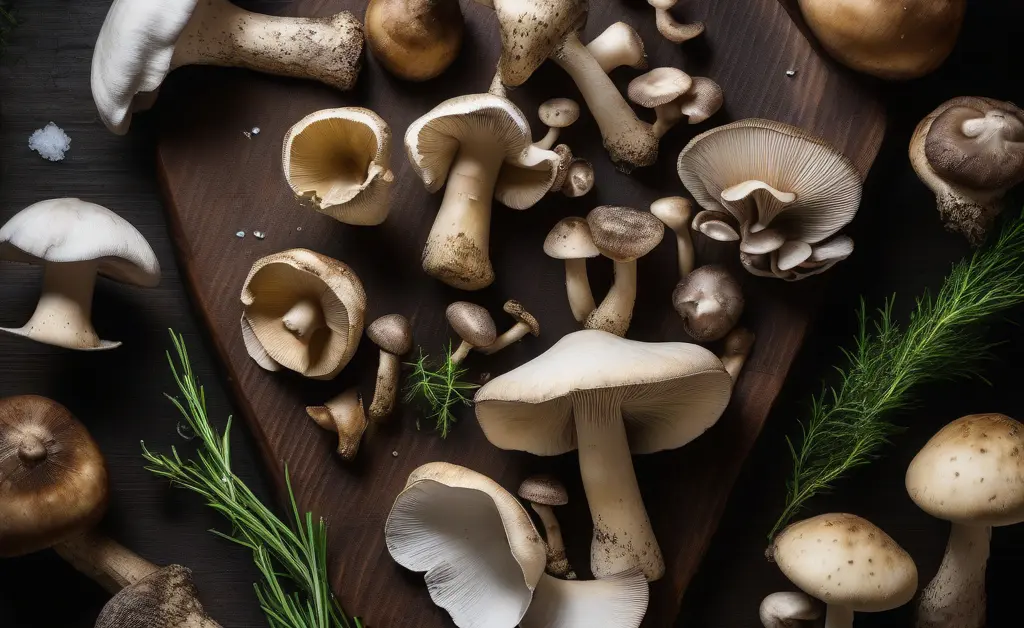
The inherent umami of mushrooms provides an excellent foundation for a wide array of flavor combinations. When cooking mushrooms whole, selecting the right seasonings can elevate their natural taste and complement their earthy notes, transforming them into a memorable component of any meal. Experimentation with herbs, spices, and acidic elements allows for endless culinary creativity, and you might even find inspiration from cooking mushrooms with Erin Patterson meme for novel approaches.
Classic Garlic Butter Flavor
The combination of garlic and butter is a timeless classic that perfectly enhances the natural richness of mushrooms. Sautéing or roasting whole mushrooms in melted butter with minced garlic allows the flavors to meld beautifully. The butter provides a rich, savory base that encourages browning, while the aromatic garlic infuses the mushrooms with a pungent, delicious warmth. A sprinkle of fresh parsley at the end adds a touch of brightness to this beloved pairing.
Herbs and Spices for Whole Mushrooms
A diverse range of herbs and spices can wonderfully complement the earthy profile of whole mushrooms. Fresh or dried herbs such as thyme, rosemary, and oregano are particularly compatible, imparting an aromatic and slightly piney note. For a warm, savory depth, consider spices like smoked paprika, black pepper, or a pinch of red pepper flakes for a subtle kick. These additions can transform the simple act of cooking mushrooms whole into an aromatic culinary experience.
Acidic Elements (Lemon, Balsamic)
Introducing acidic elements like lemon juice or balsamic vinegar can brighten and balance the rich, earthy flavors of whole mushrooms. A squeeze of fresh lemon juice at the end of cooking adds a vibrant zest and helps to cut through any richness. Balsamic vinegar, especially a good quality aged variety, offers a sweet-tangy complexity that deepens the umami and provides a lovely glaze. These acidic touches can elevate the overall taste profile, making the mushrooms even more appealing.
Serving Whole Mushrooms
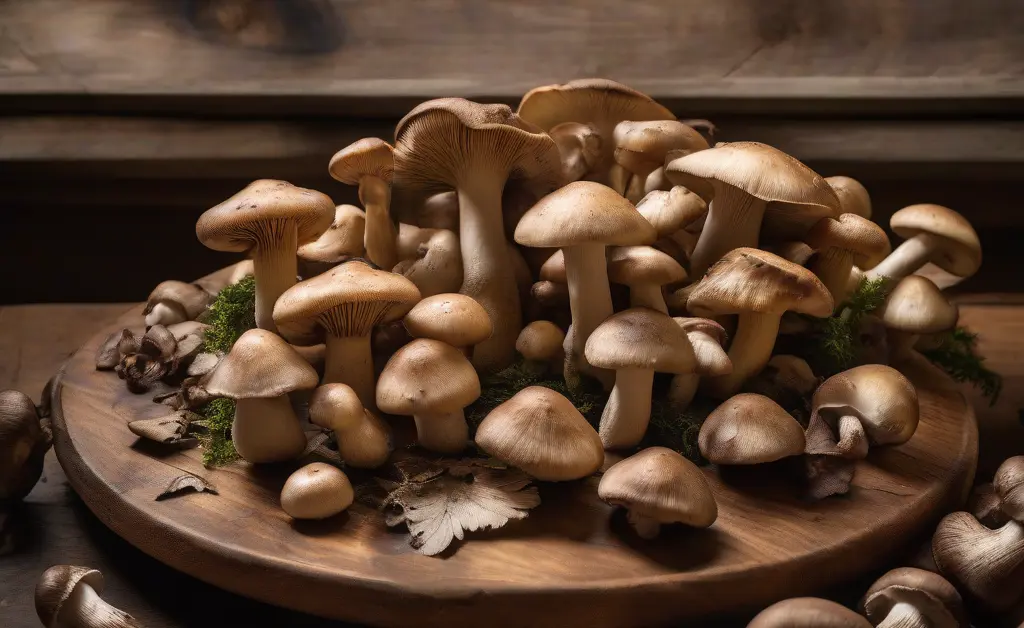
The versatility of cooking mushrooms whole extends far beyond their preparation; they can be integrated into countless dishes, serving as a star ingredient or a delightful accompaniment. Their texture and concentrated flavor make them suitable for a wide range of culinary applications, from simple side dishes to sophisticated appetizers.
As a Side Dish: Perfectly prepared whole mushrooms make an excellent side dish for almost any meal. They pair wonderfully with roasted meats, poultry, or fish, adding an earthy depth and substantial texture. A simple preparation with garlic, butter, and herbs allows their natural flavors to shine, complementing the main course without overpowering it.
As a Topping: Cooked whole mushrooms are ideal as a topping for various dishes. They can elevate a simple pizza, add complexity to a juicy steak, or crown a creamy polenta. Their robust flavor and satisfying chewiness enhance the overall experience of the dish, providing an extra layer of taste and texture.
In Appetizers: Small, whole mushrooms are fantastic in appetizers. Marinated and grilled on skewers, stuffed with breadcrumbs and cheese, or simply sautéed and served on crostini, they offer an elegant and flavorful bite. Their compact size makes them easy to handle and enjoy as a starter, showcasing the careful effort put into cooking mushrooms whole.
Mastering the art of cooking mushrooms whole unlocks a world of culinary possibilities, transforming humble fungi into versatile and flavorful components for any meal. By understanding various cooking techniques, managing moisture, and experimenting with seasonings, you can consistently achieve perfectly tender, golden-brown mushrooms that are never soggy. From quick weeknight sides to elegant appetizers, the satisfaction of expertly preparing these earthy treasures is immense. Embrace the techniques and enjoy the rich, umami-packed results of cooking mushrooms whole.
not applicable
FAQ
What temperature should I roast whole mushrooms at?
Roasting whole mushrooms at a temperature around 400°F (200°C) allows them to develop a rich flavor and tender texture. This moderate-high heat promotes browning, which is key to creating delicious depth of flavor.
How long do I cook mushrooms whole?
The cooking time for whole mushrooms can vary depending on their size and the cooking method used. Generally, they require about 15-25 minutes in the oven or on the stovetop to become tender and browned.
Can I cook button mushrooms whole?
Yes, button mushrooms are well-suited for cooking whole, making them a convenient and appealing option. Their compact size and firm texture hold up well during various cooking processes.
What are the best seasonings for whole mushrooms?
Garlic, thyme, rosemary, and a pinch of salt and pepper are classic seasonings that complement the earthy flavor of whole mushrooms beautifully. A drizzle of olive oil or butter also enhances their taste and helps them brown evenly.