
How to Master Creamy Cremini Mushroom Risotto
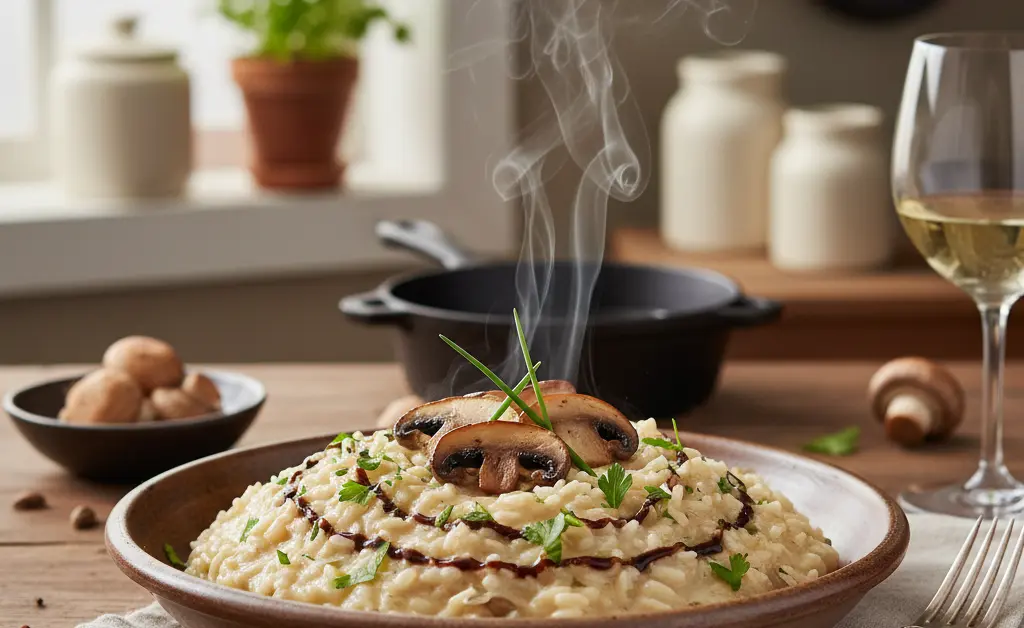
In recent years, home cooks have increasingly embraced dishes that offer both rich flavor and a comforting, indulgent experience, transforming everyday meals into special occasions. This culinary shift often involves exploring ingredients that deliver deep, savory notes, and mushrooms have become a star in this trend. Among the myriad options, a perfectly executed cremini mushroom risotto stands out as a prime example, embodying this desire for gourmet quality prepared with readily available components. This dish not only satisfies the palate with its creamy texture and earthy aroma but also fits seamlessly into a lifestyle focused on creating memorable dining experiences right in one’s own kitchen, proving that sophisticated flavors are well within reach for the enthusiastic amateur chef.
Cremini Mushroom Risotto Recipe
Crafting an exquisite cremini mushroom risotto is a rewarding culinary journey that combines simple ingredients with a patient technique to achieve a dish of remarkable depth and comfort. This section will guide you through understanding the core components and why each plays a crucial role in the final flavor and texture of this beloved Italian classic.
Defining Cremini Mushroom Risotto
Cremini mushroom risotto is a traditional Italian rice dish cooked with broth until it reaches a creamy consistency. The distinctive feature is the inclusion of cremini mushrooms, which impart a rich, earthy, and umami flavor that elevates the dish beyond a simple rice preparation. It’s often finished with butter and Parmesan cheese, contributing to its signature velvety texture and savory depth.
Why Cremini Mushrooms are Ideal
Cremini mushrooms, also known as baby bella mushrooms, are excellent for risotto due to their robust flavor and firm texture. They offer a more intense, earthier taste compared to white button mushrooms but are milder than many wild varieties, making them a versatile choice. Their ability to hold up well during cooking ensures they contribute both flavor and a pleasing textural contrast to the soft rice.
The Mushrooms (Cremini and others)
Cremini mushrooms are essentially a more mature stage of the white button mushroom, allowing them to develop a deeper flavor and browner hue. When selecting them for risotto, look for firm, unblemished caps. While cremini are a star, other mushrooms can also enhance the dish. For example, porcini mushroom risotto can add an incredible depth of umami when cooked alongside the fresh cremini.
Other Mushroom Types
Beyond cremini, a variety of mushrooms can be used to create different flavor profiles in risotto. Oyster mushroom recipes offer a woodsy, slightly smoky taste, while oyster mushrooms provide a delicate, somewhat seafood-like note. Chanterelles are prized for their fruity and peppery essence, and morels bring a complex, nutty flavor. Mixing several types can create a more nuanced and interesting dish.
Can you use other mushrooms besides cremini in risotto?
Absolutely. While cremini mushrooms are a fantastic choice, experimenting with other mushroom varieties can introduce exciting new dimensions to your risotto. You can use them in combination with cremini to build layers of flavor, or as a standalone ingredient if you prefer a different mushroom profile. The key is to select mushrooms that complement the creamy base and can withstand the cooking process without becoming mushy. For a different preparation, consider button mushroom masala.
Ingredients You’ll Need
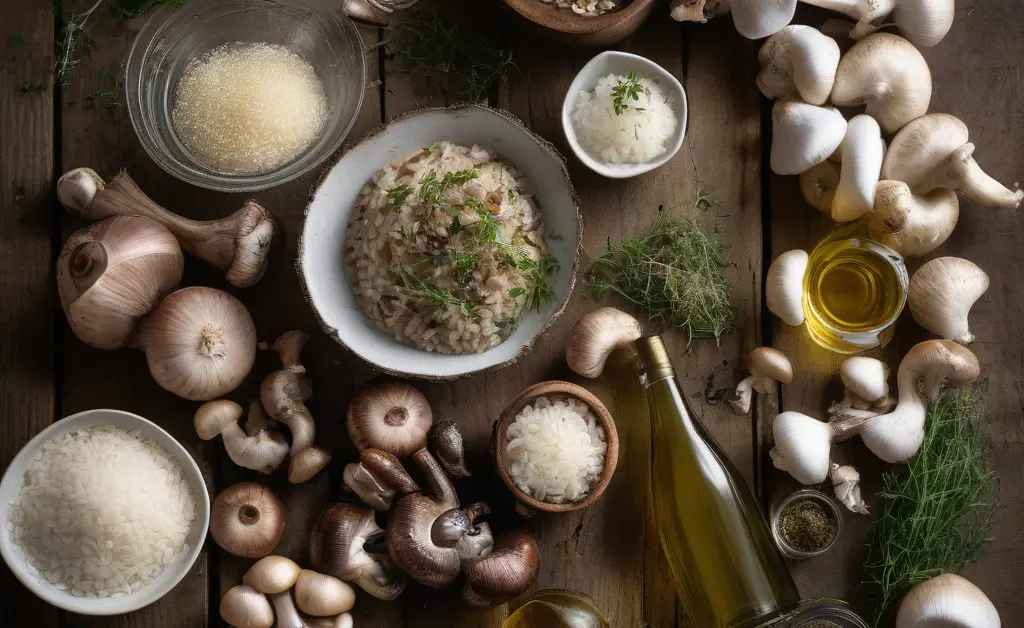
To prepare a truly remarkable cremini mushroom risotto, selecting the right ingredients is paramount. Each component plays a specific role in building the dish’s signature texture and profound flavor. From the specific type of rice to the aromatic vegetables and savory liquids, attention to detail in your ingredient choice will lead to an exceptionally satisfying result.
The Rice (Arborio, Carnaroli, or Vialone Nano)
The type of rice used is fundamental to achieving the characteristic creaminess of risotto. Arborio rice is widely available and a popular choice, known for its high starch content and ability to absorb liquid while remaining firm in the center. Carnaroli is often considered the “king of risotto rice” for its superior ability to maintain its shape and firmness, yielding an even creamier result. Vialone Nano is another excellent option, offering a smaller, rounder grain that cooks more quickly and produces a very smooth, creamy texture.
The Liquids (Broth, Wine)
High-quality broth is essential for infusing flavor into the rice. Vegetable broth works well for a vegetarian version, while chicken or beef broth can add richness. Ensure the broth is warm when added, as cold broth can lower the temperature of the risotto, disrupting the cooking process. Dry white wine, such as Pinot Grigio or Sauvignon Blanc, is typically used to deglaze the pan and add a layer of acidity and complexity.
Aromatics (Onion, Garlic)
Onion and garlic form the foundational aromatic base of most risottos. Finely diced onion, typically yellow or white, is sautéed until translucent to release its sweetness. Minced garlic is added shortly after to prevent burning, contributing a pungent and savory note that complements the earthiness of the mushrooms.
Dairy and Cheese (Butter, Parmesan)
Butter is often used at the beginning to sauté the aromatics and at the end for “mantecatura,” the process of vigorously stirring in butter and cheese to create the final creamy texture. Freshly grated Parmesan cheese, with its salty, nutty flavor, is incorporated at the end, melting into the rice to add depth, richness, and that iconic umami finish. Sometimes, a touch of mascarpone can also be added for an extra layer of decadence.
Herbs and Seasonings
Fresh herbs such as parsley or thyme are frequently used to brighten the flavors of cremini mushroom risotto. Parsley offers a fresh, clean note, while thyme provides a more earthy, aromatic complement. Salt and freshly ground black pepper are crucial for seasoning throughout the cooking process, ensuring the dish is perfectly balanced.
Preparing the Mushrooms
Proper preparation of the mushrooms is key to their flavor and texture. Begin by gently cleaning them with a dry brush or a damp cloth to remove any dirt; avoid rinsing them under water, as they can absorb too much moisture. Trim off the very ends of the stems. Depending on their size, you can slice them thinly, quarter them, or leave smaller ones whole. Sautéing the mushrooms separately before adding them to the risotto can enhance their flavor and ensure they are properly cooked and browned.
Step-by-Step Instructions
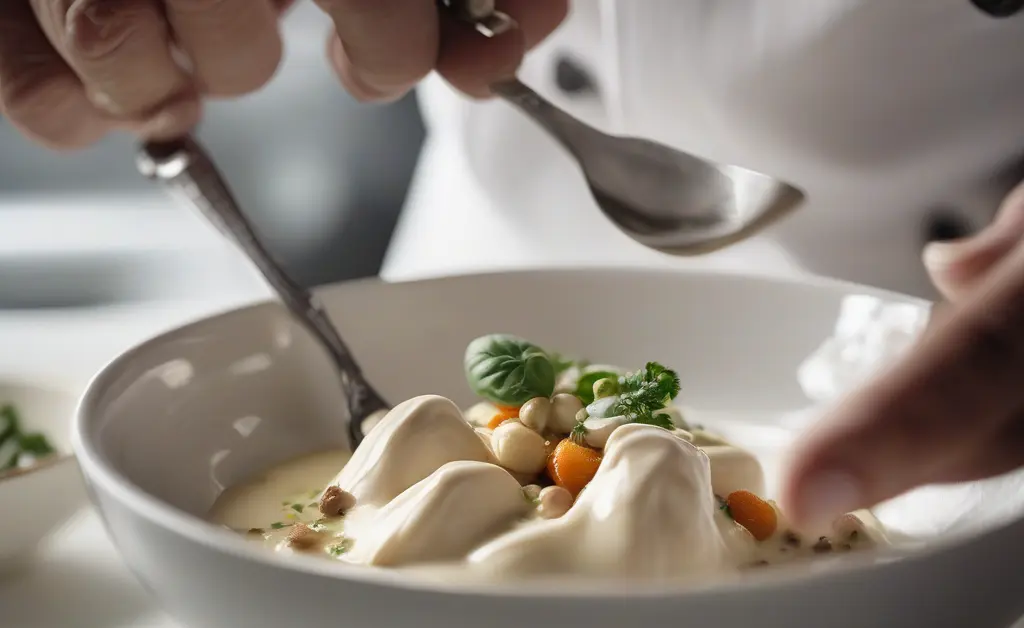
Mastering a creamy cremini mushroom risotto involves a series of sequential steps, each contributing to the dish’s overall success. Following these instructions carefully will guide you to a perfectly cooked, rich, and satisfying meal. The process emphasizes gradual addition of liquid and consistent stirring to achieve the desired texture.
Sautéing the Aromatics
Begin by heating a heavy-bottomed pot or Dutch oven over medium heat. Add a knob of butter or a drizzle of olive oil, then introduce the finely diced onion. Sauté gently until the onion becomes translucent and softened, which usually takes several minutes. Add the minced garlic and cook for about one more minute until fragrant, being careful not to let it brown, as burnt garlic can impart a bitter taste.
Toasting the Rice
Once the aromatics are ready, add the risotto rice to the pot. Stir the rice constantly for about 1-2 minutes until the edges of the grains appear translucent but the center remains opaque. This process, known as toasting or “tostatura,” helps seal the grain, allowing it to cook evenly and absorb liquid without becoming mushy, contributing to the distinct al dente texture of a good risotto.
Deglazing with Wine
Pour in the dry white wine and stir continuously. The wine will rapidly evaporate, and as it does, it helps deglaze the bottom of the pot, releasing any flavorful browned bits. Continue stirring until the wine has been almost entirely absorbed by the rice, leaving behind only its aromatic essence.
Adding Broth Gradually
This is the most crucial part of making a cremini mushroom risotto. Begin by adding one ladleful of warm broth to the rice. Stir constantly until almost all the liquid has been absorbed before adding the next ladleful. Continue this process, adding broth by broth, stirring diligently, and allowing each addition to be absorbed before adding more. This gradual addition and constant stirring help to release the starch from the rice grains, creating the characteristic creamy texture.
Incorporating Mushrooms and Cheese
About halfway through the broth addition process, or when the rice is nearly tender, incorporate your sautéed cremini mushrooms into the risotto. Continue adding broth and stirring. Once the rice is cooked to an al dente consistency (tender but with a slight bite), remove the pot from the heat. Stir in the remaining butter and a generous amount of freshly grated Parmesan cheese. This final step, known as “mantecatura,” is where the risotto truly transforms into its creamy, luxurious state. Stir vigorously until the cheese and butter are fully melted and emulsified into the rice.
Finishing and Serving
Taste and adjust seasonings with salt and freshly ground black pepper as needed. The risotto should be fluid and pourable, not stiff. If it’s too thick, you can stir in a little more warm broth. Serve immediately in warm bowls, garnished with additional Parmesan cheese, fresh parsley, or a drizzle of good quality olive oil. The best cremini mushroom risotto is enjoyed fresh, right off the stove.
Tips for Perfect Risotto
Achieving a consistently perfect cremini mushroom risotto involves understanding and applying a few key techniques. These tips go beyond the basic recipe steps, focusing on the nuances that elevate a good risotto to a truly great one, ensuring a creamy texture and rich flavor every time.
Maintaining the Right Broth Temperature
Always ensure your broth is simmering gently in a separate pot before you begin adding it to the rice. Adding cold broth will significantly drop the temperature of your risotto, interrupting the cooking process and potentially leading to unevenly cooked rice. Keeping the broth warm allows for continuous, steady cooking and optimal starch release.
Stirring Technique
Consistent, but not constant, stirring is key. You need to stir frequently enough to prevent the rice from sticking to the bottom of the pot and to encourage the release of starch, which contributes to the creamy texture. However, over-stirring can incorporate too much air, making the risotto gummy. Aim for a rhythmic stir, allowing the rice to gently simmer and absorb the liquid between additions.
Achieving Creaminess
The creaminess of risotto comes primarily from the starch released by the rice grains through the process of gradual broth addition and stirring, along with the final “mantecatura” step. Ensure you use a high-starch rice variety. The final vigorous stirring in of butter and Parmesan cheese off the heat is crucial for creating that signature velvety, emulsified texture. Avoid adding cream early in the cooking process, as it can mask the natural creaminess developed by the rice itself.
Avoiding Over or Under-Cooking
The ideal risotto should be “all’onda” (wavy) in consistency, meaning it flows slowly off a spoon, and the rice should be “al dente” – firm to the bite but not hard or chalky. To avoid overcooking, start tasting the rice once you’re about two-thirds of the way through the broth. If it tastes raw, continue adding broth. If it’s becoming too soft, stop adding liquid. Conversely, undercooked risotto will have a noticeable crunch in the center of the grain. If this happens, continue adding broth, a small amount at a time, until the desired doneness is reached. The best cremini mushroom risotto strikes this perfect balance.
Variations and Additions

While a classic cremini mushroom risotto is delicious on its own, its versatility allows for numerous creative variations and additions. These enhancements can cater to different dietary preferences, add new layers of flavor, or simply make the dish even more substantial. Exploring these options can inspire new takes on this beloved comfort food.
Adding Vegetables
Many vegetables pair wonderfully with the earthy notes of cremini mushrooms and creamy rice. Asparagus, peas, spinach, or roasted butternut squash can be stirred in during the last few minutes of cooking. Cherry tomatoes, either fresh or roasted, can add a burst of acidity and color. Consider adding finely diced carrots or celery along with the onions for a more complex aromatic base.
Protein Additions
For a heartier meal, various proteins can be incorporated. Sautéed chicken breast, crispy pancetta or bacon, or even thinly sliced beef or pork tenderloin can be added at the end or served alongside. For a vegetarian option, white beans or chickpeas can provide a good source of protein, added towards the end of cooking to warm through. Another delightful mushroom-based dish is puffball mushroom lasagna.
Flavor Enhancements
Beyond the standard seasonings, consider incorporating fresh herbs like rosemary or sage for a deeper, more aromatic profile. A splash of truffle oil or a sprinkle of truffle zest at the very end can introduce a luxurious, pungent aroma. A squeeze of lemon juice before serving can brighten the flavors, especially if the dish feels a bit heavy. Spicy elements like red pepper flakes can also add a subtle kick.
What type of rice is best for mushroom risotto?
For mushroom risotto, the best types of rice are Arborio, Carnaroli, or Vialone Nano. These varieties are high in starch and have the ability to absorb a large amount of liquid while still retaining an al dente bite. Carnaroli is often preferred by chefs for its superior texture and capacity to hold shape, but Arborio is more widely available and yields excellent results, making it a great choice for easy cremini mushroom risotto.
How do you make creamy mushroom risotto?
To make creamy mushroom risotto, the key steps involve using the correct type of starchy rice, adding warm broth gradually while stirring frequently to release the rice’s starches, and performing the final “mantecatura” where butter and grated Parmesan cheese are vigorously stirred in off the heat. This process emulsifies the fats and starches, creating the signature velvety texture. The continuous release of starch from the rice grains, rather than the addition of cream, is what truly makes a cremini mushroom risotto creamy.
In conclusion, mastering cremini mushroom risotto is an accessible culinary achievement that promises rich rewards. By understanding the roles of quality ingredients, embracing the patient process of gradual broth addition and stirring, and personalizing it with thoughtful variations, you can consistently create a dish that is both comforting and sophisticated. This creamy, earthy creation is a testament to how simple components, when treated with care and attention, can transform into an extraordinary dining experience, perfect for any occasion.
It is important to note that research on nutritional content and health benefits of various foods, including mushrooms, is ongoing and available through scientific databases such as PubMed.
FAQ
What mushrooms are best for risotto?
For a rich and savory flavor, varieties like cremini, shiitake, or oyster mushrooms are excellent choices. Their distinct tastes and textures can create a deeply satisfying dish. A good cremini mushroom risotto, for instance, showcases how these fungi can elevate a classic.