
The Definitive Creamy Cremini Mushroom Sauce
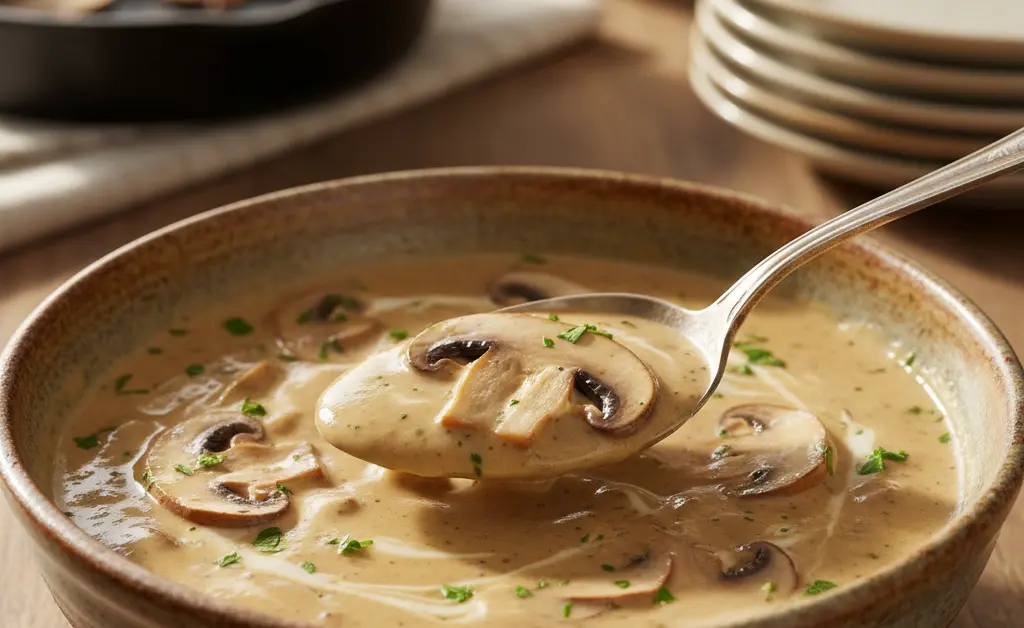
A well-prepared cremini mushroom sauce offers a versatile and deeply flavorful addition to a wide range of dishes, transforming simple meals into more satisfying culinary experiences with its earthy richness and umami depth. Mastering the techniques to create this staple allows home cooks to consistently elevate their culinary creations. This comprehensive guide will walk you through the essential components, preparation methods, and useful tips for crafting the perfect cremini mushroom sauce. Whether you prefer a creamy rendition or a lighter, dairy-free alternative, understanding the fundamental steps of sautéing, deglazing, and simmering will empower you to create an aromatic and robust accompaniment for pasta, meats, or vegetables, enriching your meals with minimal effort.
What is Cremini Mushroom Sauce?
Cremini mushroom sauce is a rich and savory concoction centered around the distinct flavor of cremini mushrooms. It is a versatile culinary creation that enhances a variety of dishes with its deep, earthy profile and often a luxurious texture. Essentially, it’s a reduction or emulsification of sautéed cremini mushrooms with aromatics and a liquid base, often enriched with fat and seasonings. The resulting `cremini mushroom sauce` can range from light and brothy to decadently creamy, depending on the chosen ingredients and preparation method. It serves as an excellent companion to pasta, grilled meats, roasted vegetables, or as a flavorful base for other culinary endeavors.
Mushrooms (Cremini/Baby Bella)
Cremini mushrooms, also known as baby bella mushrooms, are a foundational ingredient for this sauce due to their robust flavor and firm texture. They are a more mature version of the white button mushroom, offering a deeper, earthier taste compared to their younger counterparts. When selecting cremini mushrooms, look for firm caps, avoiding any with slimy or shriveled surfaces. Proper preparation involves gently cleaning them, typically with a damp cloth or soft brush, rather than rinsing them extensively, to prevent them from absorbing too much water. For the best sauce texture and flavor, a consistent mushroom slicing technique is beneficial, whether you prefer thin slices or quartered pieces.
Aromatics (Garlic, Onion/Shallots)
Aromatics are crucial for building the foundational flavor of a cremini mushroom sauce. Garlic provides a pungent, savory kick that complements the earthiness of the mushrooms. Onions or shallots, when sautéed, contribute a sweet and savory base. Shallots, in particular, offer a milder, more delicate onion flavor that can be preferable in certain applications. These ingredients are typically cooked until softened and fragrant, releasing their aromatic compounds and creating a complex flavor profile that underpins the entire sauce.
Fat (Butter, Oil)
The choice of fat plays a significant role in both the flavor and texture of the sauce. Butter is often preferred for its rich, nutty flavor that beautifully complements mushrooms and contributes to a creamy mouthfeel. Olive oil or another cooking oil can also be used, either alone for a lighter sauce or in combination with butter to achieve a balanced flavor and higher smoke point. Fat is essential for sautéing the mushrooms and aromatics, helping them brown evenly and release their full flavor potential.
Liquid (Broth, Cream, Wine)
The liquid component forms the body of the sauce and greatly influences its final character. Broth (vegetable, chicken, or beef) provides savory depth without adding dairy, making it suitable for lighter or dairy-free versions. Cream, such as heavy cream or half-and-half, lends a luxurious, velvety texture and richness, ideal for a decadent creamy mushroom sauce. Wine, particularly dry white wine, adds acidity and complexity, helping to deglaze the pan and intensify the flavors. Some recipes may even use a splash of red wine for an even deeper, more robust flavor profile.
Seasonings
Seasonings are vital for enhancing and balancing the flavors in a cremini mushroom sauce. Salt and freshly ground black pepper are fundamental, bringing out the natural tastes of the ingredients. Herbs like fresh thyme, rosemary, or parsley infuse the sauce with aromatic notes that marry well with mushrooms. A pinch of nutmeg can add a subtle warmth, while a dash of Worcestershire sauce or soy sauce can provide an extra layer of umami. The key is to taste and adjust seasonings throughout the cooking process to achieve a perfectly balanced and flavorful sauce.
Ingredients for Cremini Mushroom Sauce
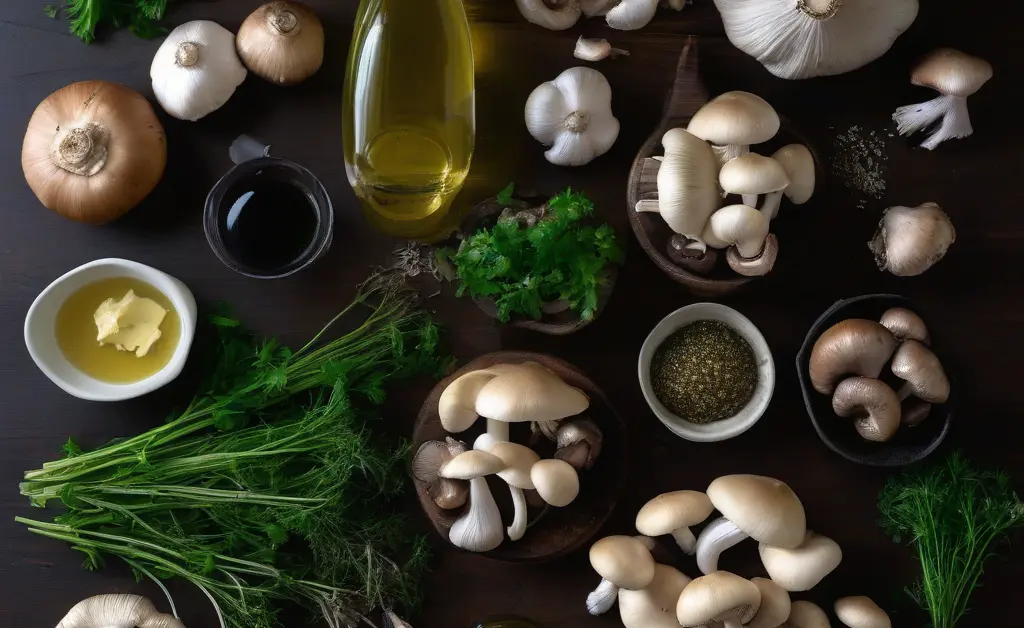
Crafting a delicious cremini mushroom sauce relies on a thoughtful selection of fresh, high-quality ingredients. While specific quantities can vary based on desired yield and intensity, the core components remain consistent. You will generally need a generous amount of fresh cremini mushrooms, ensuring they are clean and free from excess moisture. Essential aromatics include garlic and either yellow onion or shallots, finely minced or diced. For the fat, unsalted butter is often favored, sometimes combined with a neutral cooking oil. The liquid base can be either a rich vegetable or chicken broth for a savory depth, heavy cream for a classic creamy texture, or dry white wine to add a bright acidity. Key seasonings will typically include sea salt, freshly ground black pepper, and fresh herbs like thyme or parsley. Optional additions might involve a touch of flour or cornstarch for thickening, or a splash of lemon juice for brightness at the end. These ingredients collectively form the foundation for an exceptional `cremini mushroom sauce`.
Cremini Mushroom Sauce Recipe
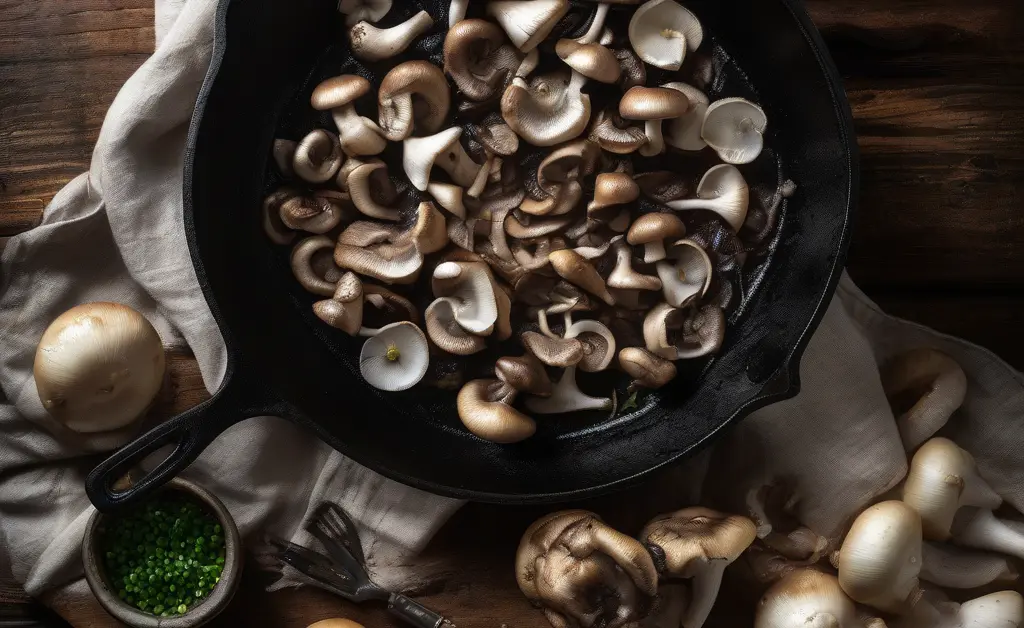
Creating a flavorful `cremini mushroom sauce` involves a series of steps that build layers of taste and texture. While specific measurements are often a matter of personal preference and scale, the general process ensures a rich and satisfying outcome. The journey begins with preparing your mushrooms and aromatics, setting the stage for developing deep umami flavors. Following this, the components are carefully cooked and combined with liquids and seasonings, transforming them into a cohesive and delightful sauce.
Simple mushroom sauce recipe
A simple mushroom sauce recipe focuses on highlighting the natural goodness of the mushrooms with minimal fuss. This straightforward approach often involves sautéing sliced cremini mushrooms in butter or oil until golden brown. Next, minced garlic and perhaps some chopped onion or shallots are added and cooked until fragrant. A liquid base, such as broth, is then introduced, allowing the flavors to meld as the sauce simmers gently. Seasoning with salt, pepper, and a few fresh herbs like parsley or thyme is usually all that’s needed to finish this uncomplicated yet delicious sauce. This simple preparation is an excellent way to make mushroom sauce from scratch, providing a versatile base for many dishes.
How to Make Cremini Mushroom Sauce
Making a delicious cremini mushroom sauce involves several key stages, each contributing to the depth and complexity of the final product. Understanding these steps allows for flexibility and customization to achieve your desired flavor and texture. From the initial browning of the mushrooms to the final seasoning, every action plays a role in creating a robust and savory `cremini mushroom sauce`.
Sautéing Mushrooms
The first and arguably most critical step is properly sautéing the mushrooms. Begin by heating your chosen fat (butter or oil) in a wide pan over medium-high heat. Add the sliced cremini mushrooms in a single layer, avoiding overcrowding the pan, which can lead to steaming instead of browning. Allow them to cook undisturbed for several minutes until they release their moisture, then begin to brown deeply. This browning process is essential for achieving depth of flavor and developing the mushrooms’ rich, earthy taste. Continue cooking until they are tender and have a beautiful golden color, indicating maximum flavor extraction.
Adding Aromatics
Once the mushrooms are well-browned, reduce the heat slightly and add your minced garlic and chopped onions or shallots to the pan. Sauté these aromatics gently, stirring occasionally, until they become translucent and fragrant. Be careful not to burn the garlic, as this can impart a bitter taste to the sauce. This step further builds the flavor base, infusing the sauce with a sweet and pungent essence that complements the mushrooms.
Deglazing (Optional)
Deglazing is an optional but highly recommended step that adds significant flavor. After the aromatics have cooked, pour a splash of liquid—such as dry white wine, broth, or even water—into the hot pan. Use a wooden spoon to scrape up any browned bits (fond) stuck to the bottom of the pan. These bits are packed with concentrated flavor and will dissolve into the liquid, enriching the sauce. Allow the deglazing liquid to simmer for a minute or two until it slightly reduces.
Incorporating Liquid
With the flavor base established, it’s time to incorporate your primary liquid. If making a creamy sauce, slowly whisk in heavy cream or a combination of milk and broth. For a lighter, broth-based sauce, add your chosen broth. Bring the mixture to a gentle simmer, allowing all the ingredients to combine harmoniously. This step begins to form the consistency of your sauce.
Simmering and Thickening
Allow the sauce to simmer gently, uncovered, for several minutes. This helps to meld the flavors and allows the liquid to reduce and thicken naturally. For additional texture control, you can thicken the sauce further. This can be done by creating a roux with flour and butter before adding the liquid, or by stirring in a cornstarch slurry (cornstarch mixed with a small amount of cold water) towards the end. Continue to simmer until your desired consistency is achieved, ensuring the sauce coats the back of a spoon. This process also contributes to achieving depth of flavor.
Finishing Touches
Before serving, remove the sauce from the heat and stir in any fresh herbs like chopped parsley or thyme. Taste the sauce and adjust the seasonings, adding more salt, pepper, or a touch of lemon juice if needed for brightness. A pat of cold butter swirled in at the very end can add a glossy finish and a final touch of richness, enhancing the overall flavor and mouthfeel. These flavor enhancements ensure your sauce is perfectly balanced.
How to make simple mushroom sauce?
To make a simple mushroom sauce, focus on the core steps: Sauté sliced cremini mushrooms until deeply browned, then add minced garlic and cook until fragrant. Deglaze the pan with a small amount of broth or wine to capture all the flavorful bits. Pour in a bit more broth and simmer until it slightly thickens, or add a splash of milk for a hint of creaminess. Finish with salt, pepper, and fresh herbs like parsley. This streamlined approach delivers a delicious sauce with minimal ingredients and effort.
Mushroom Sauce Without Cream
For those seeking a lighter alternative or a dairy-free option, a mushroom sauce without cream can be equally delicious and satisfying. This style of `cremini mushroom sauce` focuses on maximizing the umami of the mushrooms and aromatics, often relying on rich broths and clever thickening techniques to achieve a desirable texture. The absence of cream allows the earthy notes of the cremini mushrooms to shine through even more prominently, creating a sophisticated and deeply flavorful accompaniment.
Cremini mushroom sauce without cream
A cremini mushroom sauce without cream typically uses a robust broth as its base. Vegetable, chicken, or even beef broth can provide significant depth. To achieve body and richness without dairy, one can incorporate a roux (butter and flour cooked together), a cornstarch slurry, or even puree a portion of the cooked mushrooms with some broth to naturally thicken the sauce. Adding a splash of dry red or white wine during the deglazing step further enhances flavor. Finishing with fresh herbs like parsley or chives, along with a squeeze of lemon juice, can brighten the sauce and add a fresh dimension, making it a versatile option for various dietary preferences. Learning about other mushroom varieties, such as oyster mushroom recipes, can also offer new culinary avenues.
Creamy Mushroom Sauce Recipe with Thyme
A creamy mushroom sauce, particularly one infused with fresh thyme, offers a luxurious and aromatic experience. The richness of cream beautifully complements the earthy notes of cremini mushrooms, while thyme adds a fragrant, subtly peppery, and floral undertone that elevates the entire dish. This `cremini mushroom sauce` is a classic for a reason, providing a comforting and decadent accompaniment to many meals.
Cremini mushroom sauce with milk
For a creamy mushroom sauce that is perhaps a bit lighter than one made with heavy cream, using milk can be an excellent alternative. Whole milk provides a good balance of creaminess without the intensity of heavy cream, resulting in a sauce that is rich yet not overly indulgent. To ensure a smooth texture and prevent curdling, it’s often best to temper the milk before adding it to the hot mushroom mixture. Alternatively, a combination of milk and a thickening agent like a roux or cornstarch slurry can achieve a luscious consistency. Infusing this sauce with fresh thyme during the simmering process will impart its distinct, aromatic qualities, making it a delightful complement to pasta or poultry.
Tips for Perfect Cremini Mushroom Sauce
Achieving a truly perfect cremini mushroom sauce involves attention to detail throughout the cooking process. Firstly, ensure your pan is adequately hot and not overcrowded when sautéing the mushrooms; this is crucial for browning and developing their rich umami flavor. Patience here pays off in spades, as deeply caramelized mushrooms form the foundation of achieving depth of flavor. Secondly, always use fresh, high-quality ingredients, from the mushrooms themselves to the herbs and broth. Tasting and adjusting seasonings frequently is another vital tip; flavors evolve as the sauce simmers, so regular checks ensure the final product is perfectly balanced. Don’t be afraid to experiment with different liquids for deglazing, such as wine or various broths, to find your preferred flavor profile. For instance, a rich porcini mushroom broth can add an unparalleled depth. Finally, for excellent texture control, consider whether you prefer a thicker, more clinging sauce or a lighter, more yielding consistency, and adjust your simmering time or thickening method accordingly.
Serving Suggestions for Cremini Mushroom Sauce
The versatility of cremini mushroom sauce makes it a fantastic addition to a wide array of dishes, instantly elevating simple meals into something special. With steak, it provides a rich, earthy counterpoint that perfectly complements the savory notes of grilled or pan-seared beef. When served with chicken, whether roasted, pan-fried, or grilled, the sauce adds a moist and flavorful coating that enhances the poultry without overpowering it. With pasta, it transforms into a comforting and hearty meal; toss it with fettuccine, tagliatelle, or even gnocchi for a satisfying experience. Beyond these common pairings, there are many other applications for this delectable sauce. It can be drizzled over polenta, spooned onto mashed potatoes, served alongside roasted vegetables like asparagus or green beans, or used as a base for chicken or beef pot pies. Its rich umami also makes it an excellent topping for rice, risotto, or even a savory bread pudding. The possibilities are truly extensive, making it a valuable addition to any home cook’s repertoire. It is important to be aware of safe food handling practices, as recommended by the CDC.
Cremini mushroom sauce stands as a testament to how simple ingredients, when handled with care, can yield extraordinary flavor. Its adaptability allows for endless customization, catering to various palates and dietary needs, from creamy indulgences to lighter, broth-based options. By mastering the fundamental techniques of sautéing, deglazing, and simmering, home cooks can consistently create a rich, umami-packed accompaniment that transforms everyday meals into memorable culinary experiences. Whether paired with pasta, meats, or vegetables, a well-crafted cremini mushroom sauce promises a delightful depth of flavor that is both comforting and sophisticated. For those interested in exploring other mushroom preparations, recipes like how to cook puffball mushroom or a hearty king oyster mushroom soup recipe might also be of interest.
This content is for informational use and should not be considered medical instruction. It is not intended to be a substitute for professional medical advice, diagnosis, or treatment. Always seek the advice of your physician or other qualified health provider with any questions you may have regarding a medical condition. Never disregard professional medical advice or delay in seeking it because of something you have read here.
FAQ
How do you make mushroom sauce from scratch?
Making mushroom sauce from scratch typically involves sautéing aromatics like garlic and onions, then adding chopped mushrooms and cooking them until tender. A liquid base, such as broth or wine, is introduced and reduced, followed by thickening agents like a roux or cornstarch slurry. Cream or other dairy is often incorporated at the end for richness.
What mushrooms are best for sauce?
A variety of mushrooms can contribute excellent flavor and texture to sauces, with cremini mushrooms being a popular choice for their earthy taste and firm texture. Shiitake mushrooms offer a more intense, savory profile, while oyster mushrooms provide a delicate flavor and tender consistency. Combining different mushroom types can result in a more complex and satisfying sauce.
How long does mushroom sauce last?
Properly stored mushroom sauce in an airtight container in the refrigerator typically lasts for about 3 to 4 days. It is important to cool the sauce completely before refrigerating to prevent bacterial growth. Freezing can extend its shelf life significantly, often for several months, though texture may change upon thawing.
What can I use instead of heavy cream in mushroom sauce?
For a lighter or dairy-free option, unsweetened plant-based milks like cashew or oat milk can be used to add creaminess. Evaporated milk also offers a rich texture with less fat than heavy cream. Silken tofu blended until smooth can create a surprisingly creamy and neutral base for sauces.
Continue reading
You May Also Like
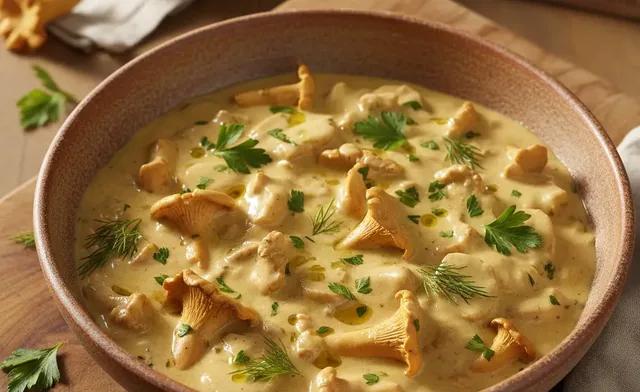
The Definitive Chanterelle Mushroom Sauce
Our chanterelle mushroom sauce recipe breaks down the technique for a perfectly creamy, emulsified sauce with a rich and earthy flavor.
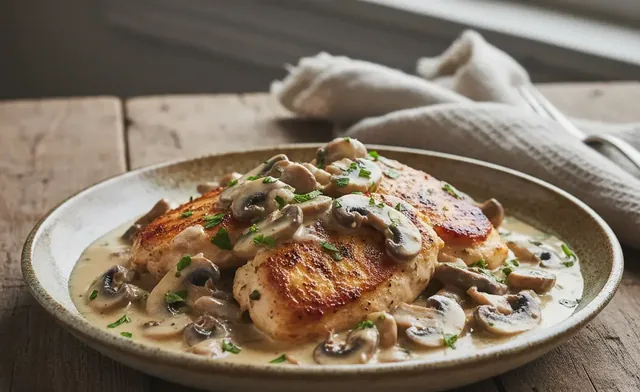
Rich and Creamy Cremini Mushroom Chicken
This easy recipe guides you through making a rich and creamy cremini mushroom chicken, perfect for a simple and satisfying weeknight meal.
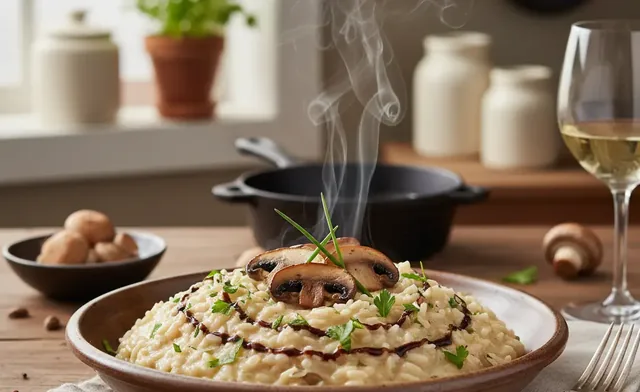
How to Master Creamy Cremini Mushroom Risotto
Prepare a rich and creamy cremini mushroom risotto at home with our simple step-by-step recipe, including tips for getting the texture right.