
Understanding Cremini Mushroom Spores
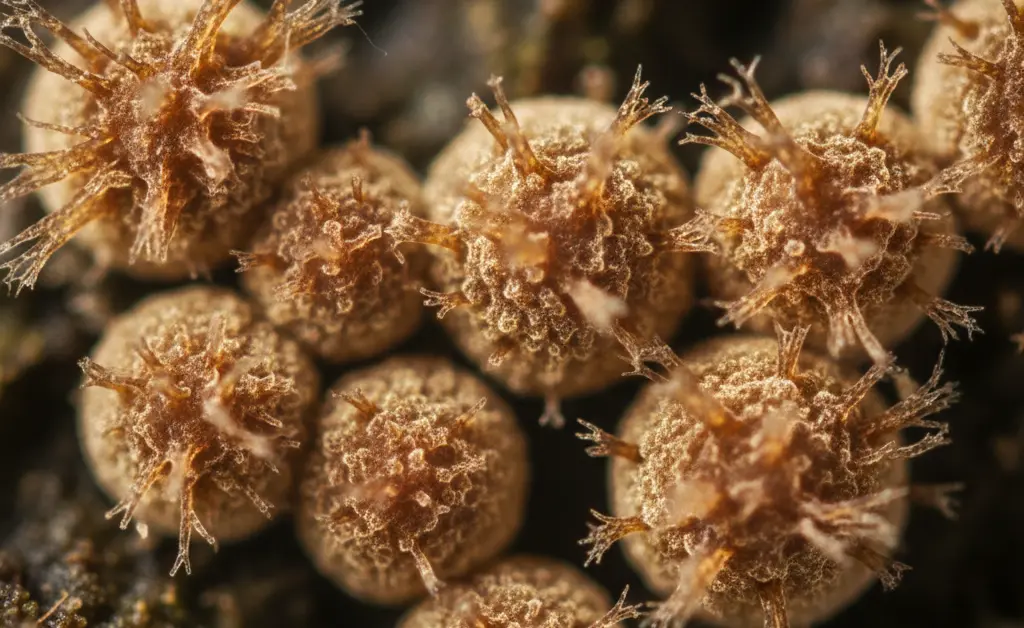
Have you ever considered the microscopic beginnings of the cremini mushrooms you enjoy? While often overlooked, these fungi originate from tiny structures known as spores, which hold the key to their propagation and genetic diversity. Understanding the fundamental role these spores play offers insight into the lifecycle of *Agaricus bisporus* and its various culinary forms. This exploration delves into the intricacies of cremini mushroom spores, examining their characteristics, cultivation significance, and how they differentiate from other fungal reproductive elements. Gaining knowledge about these minute biological units is crucial for both amateur mycologists and commercial growers looking to expand their understanding of fungal reproduction and cultivation techniques.
Everything You Need to Know About Cremini Mushroom Spores
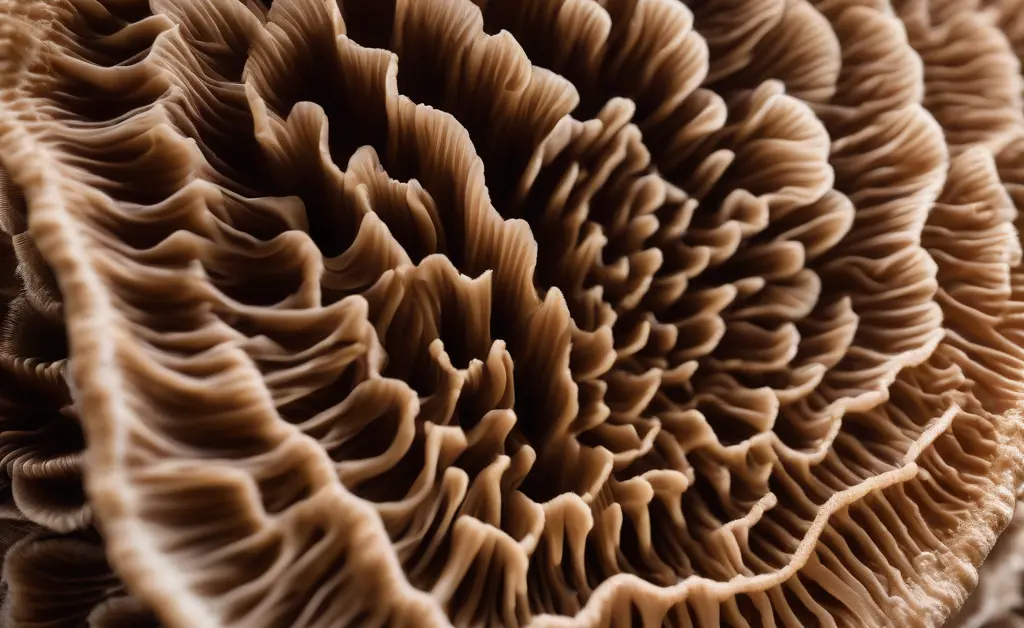
Cremini mushrooms, scientifically known as *Agaricus bisporus*, share the same species classification as white button mushrooms and portobello mushrooms, differing primarily in their stage of maturity and growing conditions. The lifecycle of these popular fungi begins with microscopic cremini mushroom spores. These spores are reproductive units, similar in function to seeds in plants, but they are single-celled and much smaller. They are dispersed from the gills located on the underside of a mature mushroom cap, carried by air currents to new locations where, under favorable conditions, they can germinate. For those interested in starting their own mushroom cultivation, a cremini mushroom growing kit can be a great starting point.
Once settled on a suitable substrate, these tiny spores can develop into mycelium, a network of fine, thread-like fungal cells that colonize the growing medium. This mycelial network is the vegetative part of the fungus, responsible for absorbing nutrients and ultimately leading to the formation of the mushroom fruiting body. Understanding the entire process, from spore germination to mycelial growth and fruiting, is essential for anyone interested in cultivating *Agaricus bisporus* varieties.
Cremini vs. Other Mushroom Spores
While many mushroom species produce spores, there are distinctions in their characteristics, even if subtle to the naked eye. Cremini mushroom spores, like those of other *Agaricus* species, are typically dark brown or purplish-brown when collected en masse, often forming a dark spore print. This color can be a key identifier when attempting to distinguish them from spores of other fungal families, which might produce white, pink, black, or even green spore prints. For example, research into growing turkey tail mushroom involves understanding its unique spore characteristics.
Beyond color, the microscopic structure and genetic makeup of cremini spores are unique to *Agaricus bisporus*. Different mushroom species have spores that vary in size, shape, and surface ornamentation, features visible only under a microscope. For cultivators, knowing the specific characteristics of cremini mushroom spores ensures they are working with the correct strain, preventing misidentification that could lead to unintended results in cultivation. For instance, cultivating certain varieties might involve specific methods such as using shiitake mushroom logs. While the basic principle of reproduction through spores is universal across fungi, the specific details make each species distinct.
If you are looking for specialized kits, you might find a turkey tail mushroom kit Australia offers to be useful for specific regional growing conditions.
In conclusion, cremini mushroom spores are the fundamental starting point for the growth of this widely consumed culinary delight. Their microscopic nature belies their crucial role in fungal reproduction and diversity. From their dissemination to their germination and development into mycelial networks, these spores facilitate the entire lifecycle of the cremini mushroom. Understanding these tiny biological units is not only fascinating but also practically beneficial for anyone involved in the cultivation or study of fungi, providing insight into the intricate world of mycology. Scientific research on fungal spores and their properties can be found on resources like PubMed.
The content presented here is not a substitute for professional medical guidance. This information is intended for educational purposes only and should not be used to diagnose, treat, cure, or prevent any disease or health condition. Always consult with a qualified healthcare professional before making any decisions about your health or undertaking any new wellness practices. Individual responses to substances can vary, and what is suitable for one person may not be for another.
FAQ
What is the difference between mushroom spores and spawn?
Mushroom spores are microscopic reproductive units, similar to seeds, from which new fungi can grow under the right conditions. Mushroom spawn, on the other hand, is a carrier material, often grain or sawdust, that has been colonized by the mycelium of a specific mushroom species. While spores are the starting point for propagation, spawn provides a more established and robust way to inoculate a growing medium, like compost or wood chips, with healthy mycelium for cultivation.