
Cremini vs. Baby Bella: Is There a Difference?
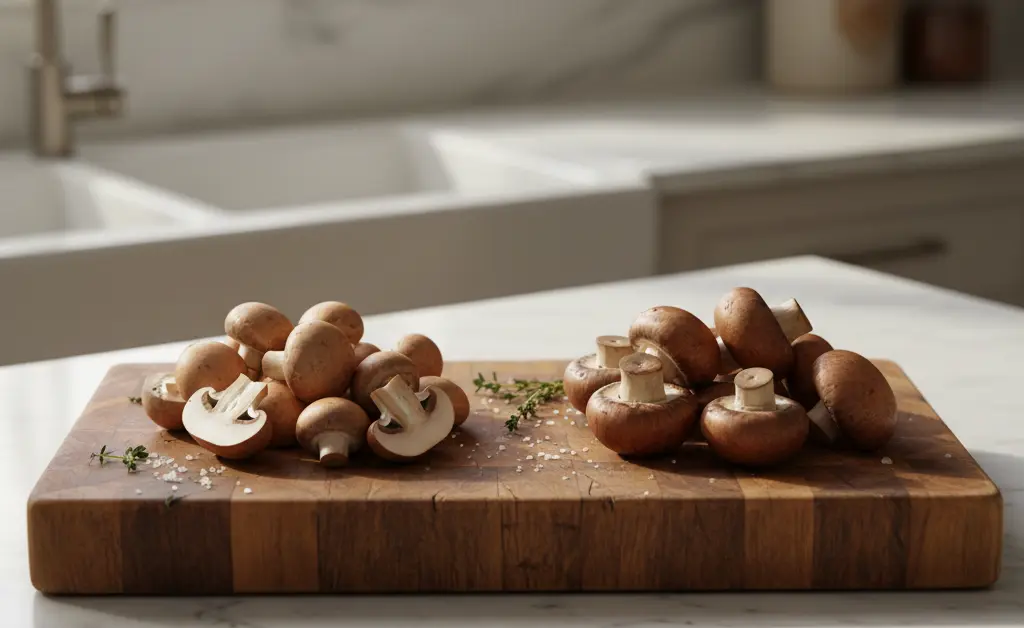
In today’s culinary landscape, where home cooking and healthy eating are increasingly prioritized, selecting the right ingredients can significantly impact a dish’s flavor and nutritional value. Among the array of fungi available, mushrooms often feature prominently in diverse cuisines and dietary plans. However, a common point of confusion arises when distinguishing between two seemingly similar varieties frequently found in grocery stores: cremini and baby bella mushrooms. Many home cooks and food enthusiasts wonder if these are merely different names for the same product or if there are discernible differences that warrant careful consideration. This article aims to demystify the cremini mushroom vs baby bella debate, exploring their origins, characteristics, nutritional profiles, and culinary applications to help you make informed choices for your kitchen.
Understanding the Names: Cremini and Baby Bella
Are Cremini and Baby Bella Mushrooms the Same?
The core of the cremini mushroom vs baby bella discussion lies in their identity. Scientifically, cremini and baby bella mushrooms are, in fact, the same species: *Agaricus bisporus*. They are simply immature forms of the larger portobello mushroom. The difference in naming often stems from historical naming conventions and modern marketing strategies. Historically, these mushrooms might have been known by regional names. Today, marketers often use “baby bella” to evoke a sense of familiarity or distinguish them slightly, though they are biologically identical to cremini mushrooms. Therefore, when encountering cremini and baby bella mushrooms, you are essentially looking at the same type of mushroom, harvested at a similar stage of maturity.
Physical Characteristics: Size, Color, and Texture
Both cremini and baby bella mushrooms share common physical attributes. They are typically small to medium-sized, with caps ranging from about one to three inches in diameter. Their color is a distinctive light brown, often described as a ‘dirtier’ or ‘browner’ version of the common white button mushroom, from which they also originate. This brown hue is a key characteristic that sets them apart visually from white mushrooms. In terms of texture, both varieties are firm and dense, offering a satisfying bite whether eaten raw or cooked. This robust texture contributes to their versatility in various dishes and holds up well under different cooking techniques. The subtle variations in appearance between individual mushrooms within these categories are more likely due to growing conditions or harvesting times rather than any inherent difference in their ‘cremini’ versus ‘baby bella’ designation.
Cremini mushroom vs baby bella taste
Flavor Profile Differences
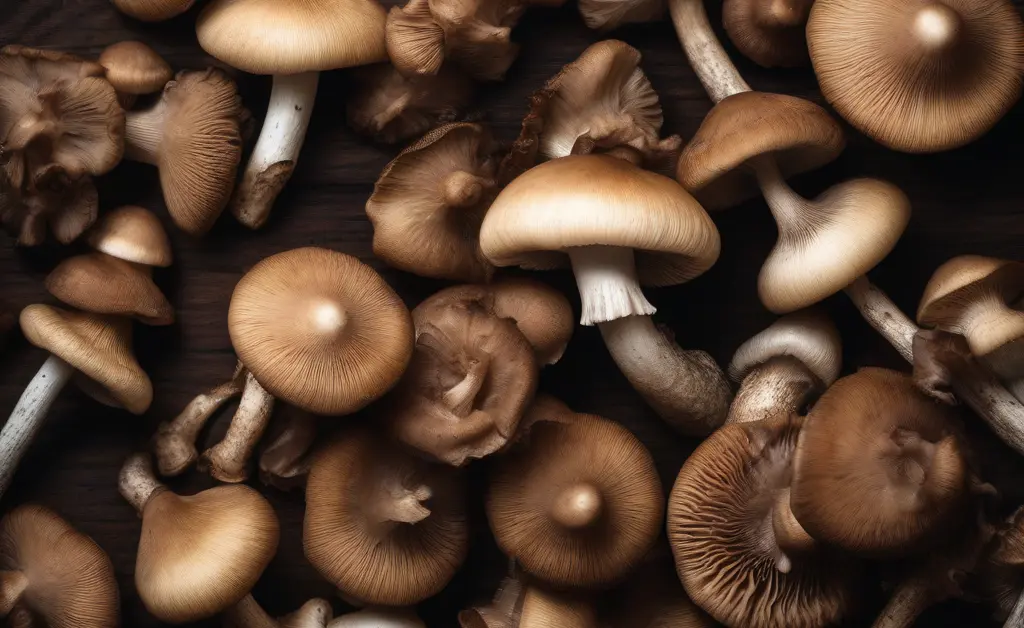
Given that cremini and baby bella mushrooms are botanically the same, their fundamental flavor profiles are remarkably similar. Both offer a more pronounced, earthy, and savory taste compared to their younger, whiter button mushroom counterparts. This richer flavor is attributed to their slightly older age and lower moisture content, which allows for a concentration of mushroom-specific compounds. When comparing cremini mushroom vs baby bella directly, any perceived differences in taste are usually very subtle. Some might describe baby bellas as having a marginally deeper or nuttier flavor due to minor variations in growing conditions or handling, but these distinctions are often negligible in a finished dish. Their robust flavor makes them an excellent choice for adding depth to a wide range of culinary creations. It’s important to note that the common button mushroom, also known as the champignon, has a milder taste. Learn more about button mushroom vs champignon.
Cremini mushroom vs baby bella nutrition
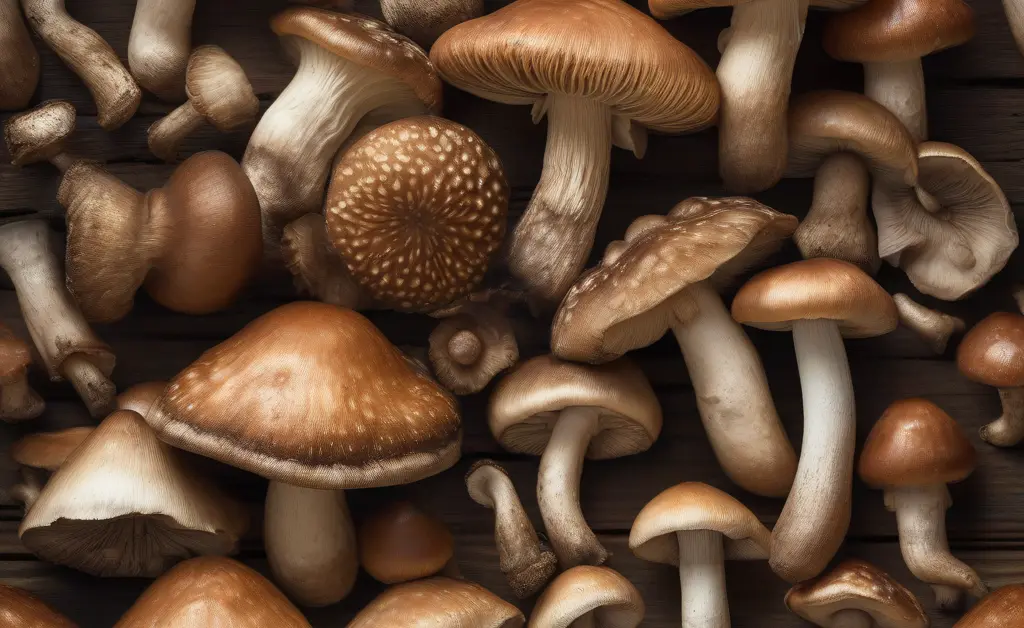
From a nutritional standpoint, the cremini mushroom vs baby bella comparison reveals virtually identical profiles, owing to their shared biological identity. These mushrooms are a low-calorie food, making them a popular choice for those mindful of their caloric intake. They offer a good balance of macronutrients, providing dietary fiber which supports digestive health, and a modest amount of plant-based protein. When it comes to micronutrients and vitamins, both cremini and baby bella mushrooms are notable sources of B vitamins, particularly riboflavin, niacin, and pantothenic acid, which play roles in energy metabolism. They also contain essential minerals such as potassium, phosphorus, and copper. Furthermore, like many mushrooms, they contain beneficial compounds that may contribute to overall wellness. The health benefits associated with consuming these types of mushrooms are varied and often linked to their rich array of vitamins, minerals, and antioxidants, making them a nutritious addition to almost any diet. Studies on nutritional interventions often rely on systematic reviews and meta-analyses. Cochrane Library is a valuable resource for such research.
Culinary Uses and Differences
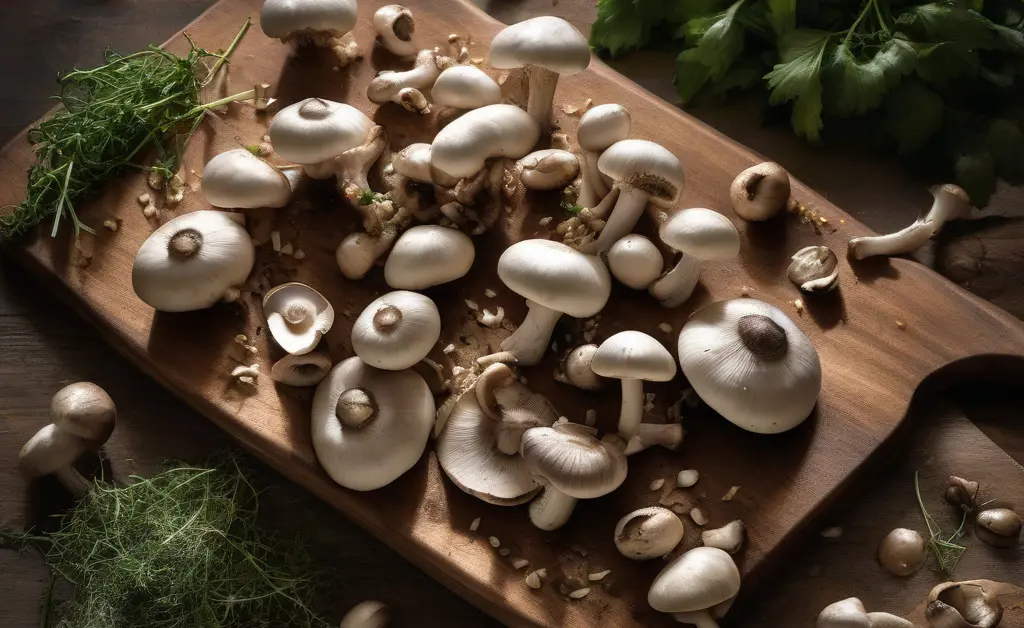
The culinary applications for both cremini and baby bella mushrooms are extensive and interchangeable, given their identical nature. Their firm texture and earthy flavor make them incredibly versatile. They are frequently used in cooking techniques such as sautéing, roasting, grilling, and stuffing. For instance, both excel when sliced and sautéed with garlic and herbs as a side dish or mixed into pasta sauces and risottos. Their ability to hold up well to heat makes them ideal for heartier dishes like stews, casseroles, and meatloaf, where they can add a robust umami flavor. When considering the cremini mushroom vs baby bella in specific recipes, the choice often comes down to personal preference or what is most readily available. Many popular mushroom dishes, from simple stir-fries to gourmet gratins, benefit from the rich taste and texture these mushrooms provide. They can be found in most grocery stores and farmers markets, often side-by-side, underscoring their functional equivalence in the kitchen. While these mushrooms are similar, other varieties offer distinct benefits, such as Tremella mushroom, which is often compared to collagen for its purported skin-enhancing properties. Explore Tremella mushroom vs collagen.
In conclusion, the debate over cremini mushroom vs baby bella ultimately reveals that these two terms refer to the same culinary ingredient. Both are simply different names for the immature form of the *Agaricus bisporus* mushroom, harvested before it fully matures into a portobello. While marketing may suggest subtle distinctions, their physical characteristics, flavor profiles, and nutritional content are virtually identical. This means home cooks and professional chefs alike can confidently use cremini and baby bella mushrooms interchangeably in any recipe that calls for either, ensuring consistent results and delicious, earthy flavors in their dishes. Understanding this key fact simplifies grocery shopping and cooking, allowing you to focus on the myriad ways to incorporate these versatile fungi into your meals.
This information should be viewed as educational rather than medical advice. It is intended to provide general knowledge about the nutritional and culinary aspects of mushrooms. This content does not constitute medical guidance, diagnosis, or treatment for any health condition. Always consult with a qualified healthcare professional or nutritionist for personalized advice regarding your diet and health.