
The Real Difference Between Cremini and Portobello Mushrooms
As home cooking continues to evolve and an increasing number of individuals explore diverse culinary traditions and plant-forward meals, mushrooms have secured their place as versatile and essential ingredients. Enthusiasts often seek specific varieties to achieve desired textures and depths of flavor in their dishes. This growing appreciation naturally leads to questions about different types and their ideal applications. Understanding the nuances between fungal counterparts is key to elevating everyday recipes, especially when considering the cremini mushroom vs portobello. While they share a familial bond, their distinct characteristics warrant a closer look for anyone aiming to perfect their gastronomic creations.
Cremini Mushroom vs Portobello
Delving into the comparison of cremini mushroom vs portobello reveals that while they appear distinct, they are in fact different growth stages of the same fungal species, Agaricus bisporus. The cremini is simply a younger, more immature version of the mushroom, while the portobello represents the fully grown, mature stage. This fundamental relationship explains many of their shared characteristics, as well as their notable differences.
Appearance: Size, Color, and Shape
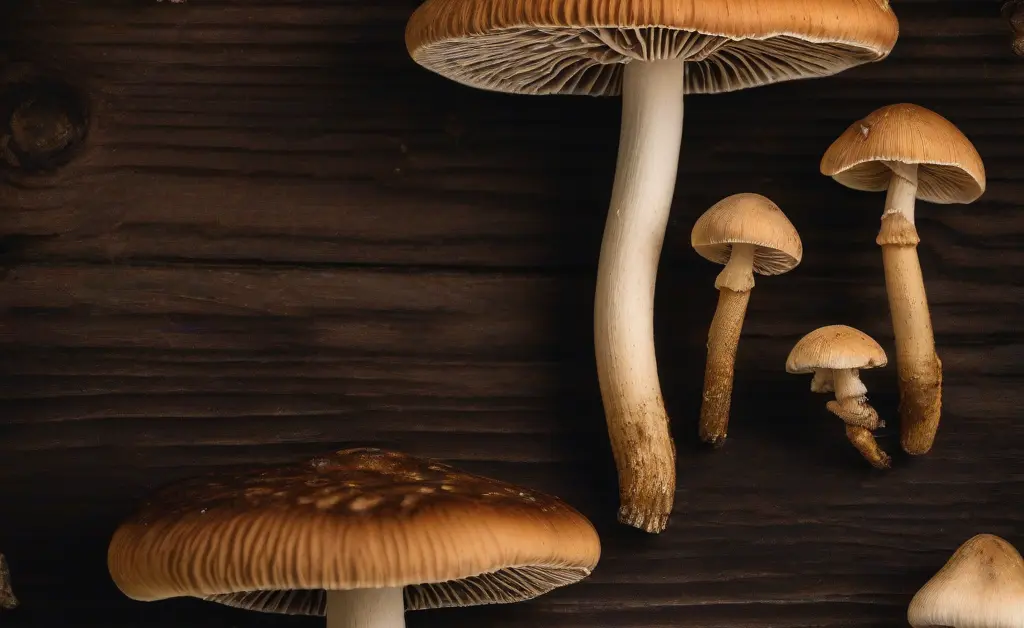
The most immediate and obvious distinction between cremini and portobello mushrooms lies in their appearance. Cremini mushrooms are typically smaller, measuring perhaps an inch or two in diameter, with a cap that is usually light to medium brown. Their caps tend to be more rounded and tightly closed, often obscuring their gills. On the other hand, portobello mushrooms are considerably larger, often reaching four to six inches or more across. Their caps are flatter and a deeper, richer brown, and their dark, prominent gills are typically exposed, especially as they mature.
Texture: Firmness and Mouthfeel
The difference in maturity also translates directly into a difference in texture. Cremini mushrooms possess a relatively firm yet tender texture when raw, which softens further upon cooking. Their smaller size means they cook quickly and maintain a pleasant bite. Portobello mushrooms, due to their larger size and greater maturity, have a denser, more substantial texture. They are often described as “meaty,” offering a heartier bite and a chewier mouthfeel, particularly when grilled or roasted. This robust texture makes them a popular choice as a meat substitute in various dishes. Learn more about what is a cremini mushroom.
Key Differences: Cremini vs. Portobello
Beyond their visual and textural variations, the cremini mushroom vs portobello also presents distinctions in their flavor profile and nutritional composition, influencing their culinary roles.
Flavor Intensity and Development
As a younger mushroom, the cremini possesses a milder, more delicate earthy flavor compared to its mature counterpart. Its taste is distinctly mushroomy but less intense, making it a versatile ingredient that can blend seamlessly into a wide array of dishes without overpowering other flavors. The portobello, conversely, develops a significantly deeper, richer, and more intense earthy flavor as it matures. Its flavor profile includes a more pronounced umami quality, which becomes even more concentrated when cooked. This makes portobello mushrooms ideal for dishes where a robust mushroom flavor is desired to be a central element. They are similar to cremini mushroom vs chestnut mushroom.
Macronutrient Breakdown
While both cremini and portobello mushrooms are generally low in calories and fat, they offer beneficial macronutrients. They both provide a source of protein and dietary fiber, contributing to feelings of fullness and supporting digestive health. Though the specific concentrations may vary slightly due to their different growth stages, both types remain excellent additions to a balanced eating plan. They are often valued in vegetarian and vegan diets for their hearty texture and ability to contribute to a satisfying meal. They are also comparable to cremini mushroom vs white mushroom.
Key Vitamins and Minerals
Both cremini and portobello mushrooms are noteworthy for their micronutrient content. They are known to be good sources of B vitamins, such as riboflavin (B2), niacin (B3), and pantothenic acid (B5), which play roles in energy metabolism. Additionally, these mushrooms may offer certain minerals, including selenium and copper. Selenium acts as an antioxidant, while copper is involved in various bodily functions. The exact levels of these nutrients can vary based on growing conditions, but both varieties contribute valuable micronutrients to a varied diet. When compared to cremini mushroom vs baby bella, the nutritional profiles are very similar.
Culinary Uses and Flavor Profiles
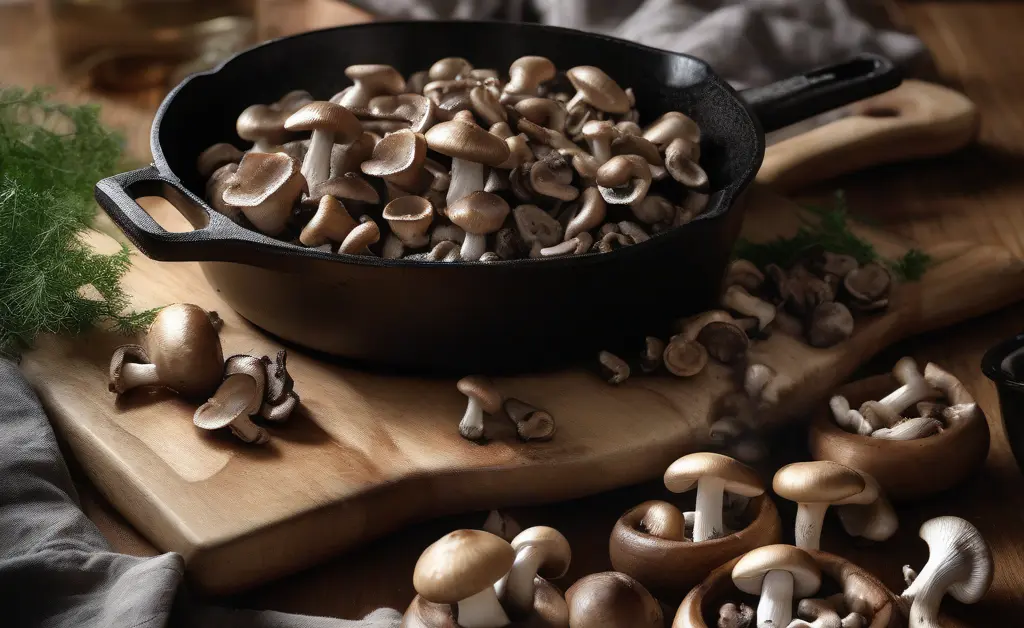
The distinct characteristics of cremini and portobello mushrooms lead to varied culinary applications, allowing chefs and home cooks to select the ideal option for their desired outcome. Cremini mushrooms, with their moderate size and earthy yet mild flavor, are incredibly versatile. They are often diced and sautéed into sauces, stews, and casseroles, or added to stir-fries and omelets. Their ability to absorb flavors makes them an excellent addition to pasta dishes or as a topping for pizzas. When considering cremini mushroom vs portobello in a recipe, the cremini’s subtle nature means it can complement other ingredients without dominating the palate.
Portobello mushrooms, with their larger size, meaty texture, and deep umami flavor, often take center stage in dishes. They are frequently grilled whole as a vegetarian burger patty, roasted as a side dish, or stuffed with various fillings and baked. Their robust flavor holds up well to strong seasonings and marinades, making them a popular choice for hearty, flavorful meals. The darker, more intense flavor profile of the portobello can add significant depth to dishes where a rich, savory mushroom essence is desired. Mushrooms are a key component in many healthy diets and have significant nutritional benefits, as detailed by the NIH.
Choosing the Right Mushroom for Your Dish

Deciding between cremini and portobello mushrooms ultimately depends on the specific culinary goals for your dish. If you are looking for a subtle earthy flavor, a tender bite, and a mushroom that blends seamlessly into a complex array of ingredients, cremini mushrooms are an excellent choice. They are perfect for applications where you want a background mushroom presence without it being the star. Their smaller size also makes them convenient for chopping and incorporating into sauces or finely textured dishes.
However, if your recipe calls for a bold, meaty texture and a pronounced umami flavor, the portobello mushroom is the superior option. It shines when used as a main component, such as in vegetarian burgers, grilled steaks, or as a hearty topping. When evaluating the cremini mushroom vs portobello, consider the desired texture and the intensity of mushroom flavor you wish to achieve. Understanding these differences allows for informed decisions, enhancing the overall quality and enjoyment of your cooking endeavors.
Ultimately, both cremini and portobello mushrooms offer distinct advantages in the kitchen, providing delicious and nutritious options for a wide range of recipes. Their shared lineage as Agaricus bisporus underscores their versatility, but their different stages of maturity offer unique characteristics that can be leveraged to elevate everyday cooking to new gastronomic heights. Experimentation with both varieties is encouraged to fully appreciate their individual contributions to flavor and texture.
The information in this article is intended for knowledge purposes only. It is not a substitute for professional nutritional advice or medical consultation. Consumers should always consult with qualified professionals for personalized dietary guidance and health-related concerns. This content is for general information and educational purposes only.
FAQ
Is a portobello mushroom a fully grown cremini?
Yes, a portobello mushroom is actually a mature cremini mushroom. When allowed to grow larger, the cremini’s cap fully opens, and its gills become more exposed, transforming it into what we recognize as a portobello.
What is the flavor difference between cremini and portobello?
While both mushrooms share an earthy, savory taste, the portobello, due to its larger size and maturity, offers a deeper, meatier flavor and a firmer texture. The cremini has a milder taste and a more tender bite.
Can I use cremini mushrooms instead of portobello?
Certainly, cremini mushrooms can often be substituted for portobellos, especially when chopped or sliced. However, for recipes where the mushroom’s size and meaty texture are crucial, like grilling or stuffing, the portobello is generally preferred.