
An Introduction to the Versatile Cremini Mushroom
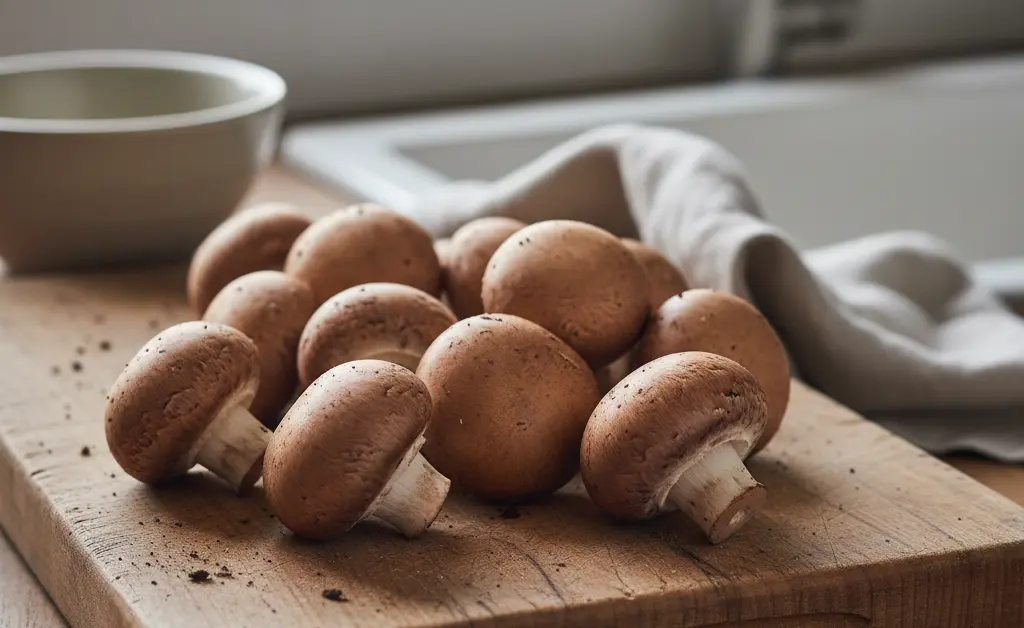
Among the many types of mushrooms available, one often stands out for its balanced flavor and firm texture, making it a favorite for diverse culinary applications. Commonly found in grocery stores, this brown-capped fungus is a versatile ingredient that enhances meals from simple stir-fries to elaborate stews. It offers a more developed taste than its white button counterpart, yet is not as intense as its fully mature form. Understanding what is a cremini mushroom reveals its unique place in the world of fungi, offering a distinct profile that bridges the gap between milder and more intensely flavored varieties. Its widespread use is a testament to its adaptability and appealing taste, making it an excellent choice for everyday cooking, beloved by both home cooks and professional chefs alike.
What Are Cremini Mushrooms?
Defining Cremini Mushrooms
Cremini mushrooms, scientifically known as Agaricus bisporus, are an intermediate stage of the common button mushroom. They are essentially young portobello mushrooms, harvested before they reach their full maturity. This gives them a more robust flavor and firmer texture than the younger, milder white button mushroom, but they are not as intensely flavored or as large as the fully grown portobello. Understanding exactly what is a cremini mushroom reveals its place as a culinary sweet spot, offering a rich, earthy taste that is widely appreciated in various dishes.
Alternative Names for Cremini Mushrooms
Due to their close relationship with other popular varieties, cremini mushrooms are often known by several other names. The most common alternative is “baby bella” or “baby portobello,” which accurately reflects their biological status as the juvenile form of the larger portobello mushroom. These names are frequently used interchangeably in grocery stores and recipes, leading to occasional confusion but ultimately referring to the same delicious fungal specimen. You can find out where to buy cremini mushrooms easily.
Appearance and Color
Cremini mushrooms are easily recognizable by their distinctive appearance. They typically feature a light to dark brown cap that can range from about one to three inches in diameter. The cap is smooth and rounded, sitting atop a short, sturdy stem. Beneath the cap, their gills are usually visible, ranging in color from light pinkish-brown in younger specimens to a darker brown as they mature. Their earthy coloration distinguishes them from the stark white of button mushrooms.
Texture and Flavor Profile
One of the key reasons for the cremini’s popularity is its appealing texture and flavor. Compared to the more delicate white button mushroom, creminis offer a firmer, more substantial texture that holds up well during cooking. Their flavor is distinctly earthier and more savory, with a deeper umami character. This more developed taste makes them a favored choice for dishes where a robust mushroom presence is desired, without overwhelming other ingredients.
Cremini Mushroom Origins and Cultivation
How Cremini Mushrooms Grow
Cremini mushrooms, like their button and portobello counterparts, are saprophytic fungi, meaning they derive nutrients from decaying organic matter. In nature, they thrive on composted forest floors. For commercial cultivation, they are grown in carefully controlled environments, typically in large indoor facilities. Growers prepare specialized composted substrates, often a mixture of straw, manure, and other organic materials, which are then inoculated with cremini mushroom spores. The mushrooms grow in successive “flushes” from this substrate, with temperature, humidity, and airflow meticulously managed to encourage optimal growth and development before harvest. Learning how to grow cremini mushrooms can be a rewarding process.
Culinary Applications of Cremini Mushrooms
Common Cooking Methods for Cremini
Cremini mushrooms are incredibly versatile in the kitchen, adapting well to a wide array of cooking methods. Sautéing is a popular choice, bringing out their deep, earthy flavors and achieving a pleasant browning. Roasting enhances their umami notes and creates a tender-yet-firm texture, making them excellent as a side dish or addition to grain bowls. They can also be grilled, added to stir-fries, incorporated into soups and stews for added depth, or even stuffed and baked. Exploring what is a cremini mushroom in the kitchen unveils its remarkable versatility, making it a staple for many chefs and home cooks.
Flavor Pairings with Cremini
The earthy, savory profile of cremini mushrooms makes them a fantastic complement to many ingredients and cuisines. They pair exceptionally well with other earthy flavors like garlic, onions, thyme, rosemary, and sage. Their robust taste stands up to red meats, poultry, and game, making them a common ingredient in hearty stews and sauces. They also integrate beautifully into vegetarian dishes, complementing grains, legumes, and various vegetables. Cheeses, especially those with stronger flavors like Parmesan or Gruyère, also enhance their inherent umami. Their adaptability allows them to shine in Italian, French, Asian, and classic American dishes.
Ways to Prepare Cremini Mushrooms
Preparing cremini mushrooms for cooking is generally straightforward. It is often recommended to clean them gently, avoiding excessive water, which can cause them to absorb moisture and become soggy. A soft brush or a damp cloth can be used to wipe away any dirt. Once cleaned, they can be used whole, sliced, quartered, or chopped, depending on the recipe. The stems are edible and can be cooked along with the caps, or finely chopped and added to stocks or stuffings. For optimal flavor and texture, it is often suggested to cook them in a single layer to allow for proper browning and moisture evaporation.
Nutritional Overview of Cremini Mushrooms
Nutritional Value (General)
Beyond their appealing flavor, understanding what is a cremini mushroom also involves appreciating its nutritional contributions. Creminis are known for being a low-calorie food while offering a range of beneficial compounds. They contain various vitamins, including certain B vitamins like riboflavin and niacin, which are involved in energy metabolism. They also provide minerals such as selenium and potassium. Furthermore, cremini mushrooms contain dietary fiber, which is important for digestive health, and a modest amount of protein. They are also considered to be a source of antioxidants, contributing to overall well-being. For more on the benefits of mushrooms, you can explore various natural supplements.
Cremini Mushroom Varieties and Similar Fungi
Cremini vs. Baby Bella Mushrooms
This comparison is often a source of confusion, but the answer is quite simple: cremini mushrooms and baby bella mushrooms are, in fact, the same. “Baby bella” is merely a marketing term sometimes used to refer to the cremini. Both names designate the same variety of Agaricus bisporus mushroom, harvested at an immature stage, displaying the characteristic brown cap, firm texture, and earthy flavor. Consumers can confidently purchase either “cremini” or “baby bella” knowing they are getting the identical product.
Cremini vs. Button Mushrooms
The primary difference between cremini mushrooms and white button mushrooms lies in their stage of maturity and color. Both are varieties of Agaricus bisporus. White button mushrooms are the youngest and most immature form, characterized by their pristine white caps and mild flavor. Cremini mushrooms, on the other hand, are slightly more mature, which accounts for their brown color and more developed, earthy taste and firmer texture. Think of button mushrooms as the “infant” and creminis as the “toddler” of the same species.
Cremini vs. Portobello Mushrooms
Cremini and portobello mushrooms are also the same species, Agaricus bisporus, but at different stages of growth. Portobello mushrooms are the fully mature version of the cremini. As creminis continue to grow, their caps flatten and expand significantly, reaching several inches in diameter, and their gills become very dark. This full maturity results in an even deeper, meatier flavor and a more substantial, steak-like texture. Essentially, a cremini mushroom is a young portobello, making the portobello its older, larger sibling. For those interested in other mushroom varieties, explore reishi mushroom benefits or the taste of porcini mushroom.
Identifying Cremini Mushrooms
Learning how to discern what is a cremini mushroom from other varieties in the market can help ensure you select the right ingredient for your dish. Look for mushrooms with a consistent light to dark brown cap that is firm to the touch, without any signs of sliminess or significant bruising. The caps should be mostly closed, or just beginning to open, revealing tightly packed gills underneath. The stems should be relatively short and sturdy. Avoid creminis that appear dried out, overly soft, or have widely splayed caps, as these might be past their prime or approaching the portobello stage of development. A fresh cremini will have a mild, earthy aroma. Understanding dietary considerations is also important, and you can learn more about cremini mushroom FODMAP content.
Cremini mushrooms are a versatile and flavorful ingredient that offers a significant upgrade from milder white button mushrooms, without the intensity of their fully mature portobello counterparts. Their firm texture, earthy taste, and adaptability to various cooking methods make them a favorite in kitchens worldwide. Whether you call them cremini or baby bella, these brown-capped fungi are an excellent choice for adding depth and richness to a wide array of dishes, cementing their status as a culinary essential.
While this article discusses health-related topics, it does not provide medical guidance. The information presented herein is intended for general knowledge and informational purposes only, and does not constitute medical advice. It is not a substitute for professional medical advice, diagnosis, or treatment. Always seek the advice of your physician or other qualified health provider with any questions you may have regarding a medical condition or before undertaking any new health regimen. Never disregard professional medical advice or delay in seeking it because of something you have read in this article. For authoritative health information, consult the NHS.
FAQ
What’s another name for a cremini mushroom?
Cremini mushrooms are also known as baby bella mushrooms. This name reflects their stage of development, as they are a less mature version of portobello mushrooms.
Are cremini mushrooms the same as baby bella mushrooms?
Yes, cremini mushrooms are indeed the same as baby bella mushrooms. The term “baby bella” is simply another common name used to describe them.
What is the difference between cremini and button mushrooms?
Cremini mushrooms are essentially mature button mushrooms that have been allowed to grow slightly larger. This maturation process results in a darker cap, firmer texture, and a richer, earthier flavor compared to their younger, white button mushroom counterparts.
What do cremini mushrooms taste like?
Cremini mushrooms offer a savory, earthy flavor with a hint of mushroom umami. Their taste is more pronounced than white button mushrooms, making them a versatile ingredient in many cooked dishes.
Are cremini mushrooms healthy?
Cremini mushrooms are a nutritious food, providing vitamins and minerals like selenium and potassium. They also contain beneficial compounds that contribute to overall wellness.
Can cremini mushrooms be eaten raw?
While cremini mushrooms can be eaten raw, cooking them generally enhances their flavor and digestibility. The cooking process also helps to break down their cell walls, making certain nutrients more accessible.