
Choosing Between Cremini and Shiitake Mushrooms
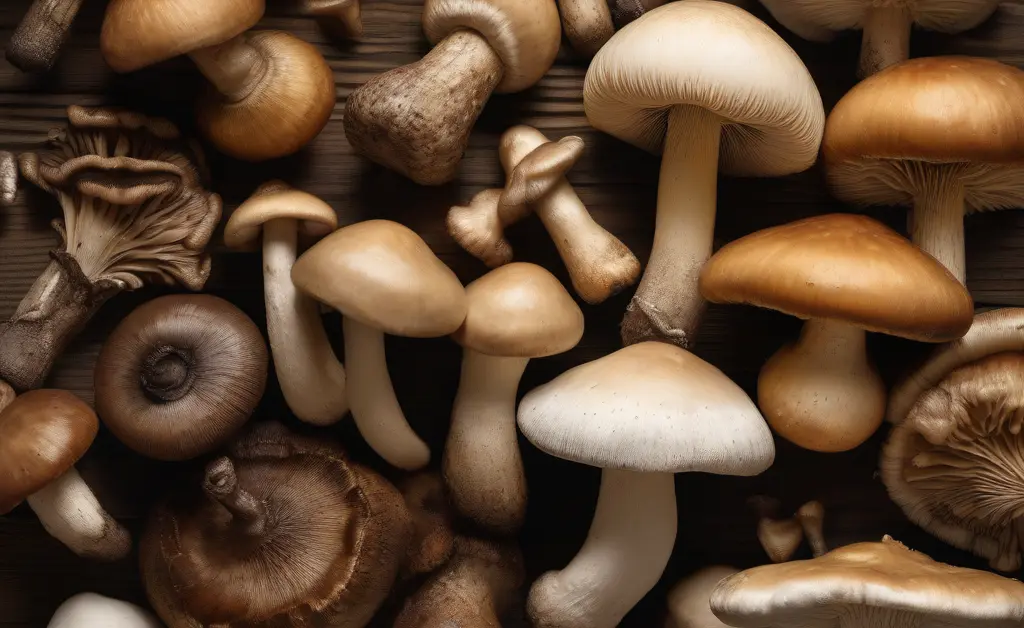
In today’s culinary landscape, where home cooking and healthy eating are increasingly prioritized, selecting the right ingredients can significantly impact a dish’s flavor and nutritional value. Among the vast array of edible fungi, two popular varieties often leave home chefs pondering their choices: cremini and shiitake mushrooms. Understanding the nuances between cremini mushroom vs shiitake is key to optimizing recipes and achieving desired gastronomic results. While both offer distinct earthy notes and umami depth, their differences extend to texture, flavor intensity, and ideal culinary applications. This guide aims to clarify these distinctions, helping you make informed decisions whether you’re preparing a weeknight dinner or experimenting with gourmet creations.
Cremini mushroom vs shiitake: Key Differences Compared
Delving into the characteristics of these two popular fungi reveals distinct differences that influence their culinary roles. While both are cherished for their earthy notes, the nuances in their appearance, texture, and inherent flavor profiles contribute to their unique appeal. The comparison between cremini mushroom vs shiitake goes beyond mere aesthetics, extending to their fundamental biological and sensory attributes.
What are Cremini Mushrooms?
Cremini mushrooms, often referred to as “baby bella” mushrooms, are essentially a more mature stage of the common white button mushroom, but harvested before they reach the full maturity of a portobello. They boast a light to dark brown cap, typically ranging from small to medium in size. Their gills are usually visible, and their stems are firm. When considering their Texture and Flavor Characteristics, cremini mushrooms offer a firmer, more substantial bite than white button mushrooms, with a deeper, earthier flavor. Many describe what cremini mushrooms taste like as a mild, slightly nutty, and more savory version of their younger counterparts. They are versatile and widely available, making them a staple in many cuisines. Understanding button mushroom vs champignon can further clarify their relation to other common varieties.
What are Shiitake Mushrooms?
Shiitake mushrooms are celebrated for their distinctive umbrella-shaped caps, which range from light to dark brown and often feature a slightly wrinkled or cracked surface. They are native to East Asia and have been cultivated for centuries, highly valued for both their culinary and traditional wellness applications. The Texture and Flavor Characteristics of shiitake are markedly different from cremini. They possess a rich, woody, and intensely savory flavor, often described as umami-rich. What do shiitake mushrooms taste like? They have a strong, meaty taste with garlicky undertones, which intensifies when dried. The texture of shiitake mushrooms is firm and chewy, particularly the stems, which are often removed before cooking due to their fibrous nature. Their unique Flavor Intensity and Umami make them a favorite in Asian-inspired dishes and broths. For those interested in other mushroom comparisons, learning about enoki mushroom vs snow white mushroom provides further insight into diverse fungal profiles.
Culinary Applications and Flavor Profiles
The distinct culinary applications and flavor profiles of cremini and shiitake mushrooms allow them to shine in different dishes. Understanding these nuances is crucial for optimizing a recipe’s outcome. The choice between cremini mushroom vs shiitake often hinges on the desired flavor depth, texture, and the overall cuisine style being prepared.
When to Substitute One for the Other
While both mushrooms add an earthy depth, their distinct Texture and Flavor Characteristics mean they are not always interchangeable. Substituting cremini for shiitake might be suitable when you need a milder, less assertive mushroom flavor and a softer texture. For instance, in a creamy soup or a light sauté, cremini can work well. However, if a recipe specifically calls for the robust, umami-packed Flavor Intensity and Umami that shiitake provides, especially in Asian stir-fries, broths, or as a meat substitute, a cremini substitution may result in a less impactful dish. Conversely, using shiitake when a delicate mushroom presence is desired might overpower other ingredients. Generally, when considering Usage in Recipes, cremini mushrooms are excellent for general cooking, such as omelets, pasta sauces, and roasts, while shiitake mushrooms excel in dishes where their distinctive, savory essence is meant to be a focal point, such as miso soup, hot pots, or as a complementary flavor to richer meats. Research into the benefits of various fungi, such as comparing tremella mushroom vs collagen, offers a broader perspective on edible mushrooms.
Nutritional Comparison
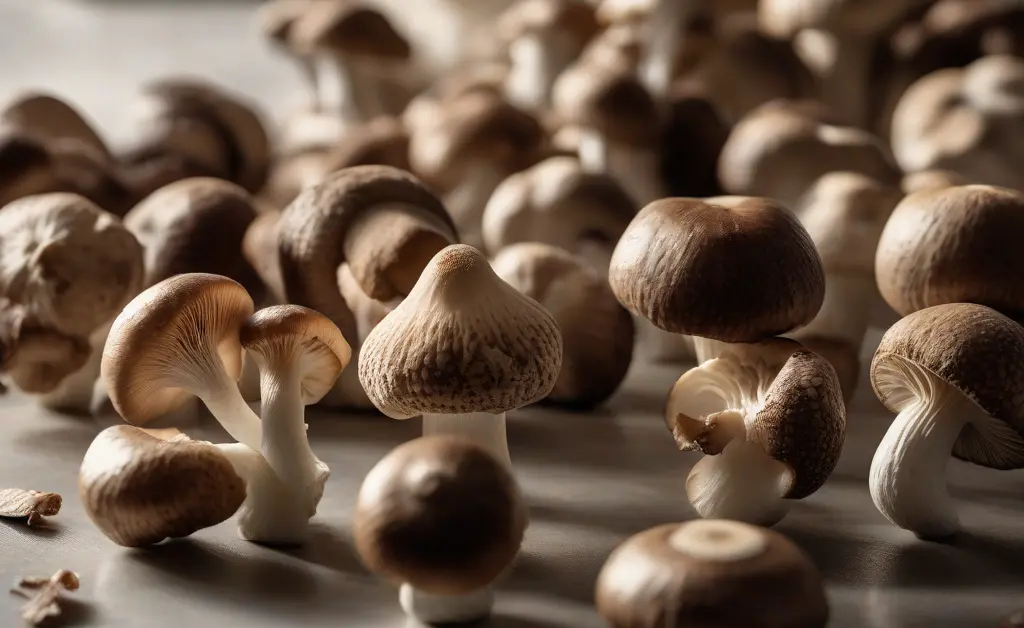
Beyond their distinct tastes and textures, cremini and shiitake mushrooms also offer varying nutritional profiles that contribute to a balanced diet. While both are generally low in calories and provide beneficial compounds, there are subtle differences in their micronutrient content. Understanding this nutritional comparison can help in making dietary choices, especially when considering the cremini mushroom vs shiitake for overall wellness benefits.
Both types of mushrooms are a good source of various Vitamins and Minerals. They typically offer B vitamins, such as riboflavin, niacin, and pantothenic acid, which are important for energy metabolism. They also provide essential minerals like copper and selenium, which play roles in antioxidant defense and immune function. Shiitake mushrooms are particularly noted for potentially containing naturally occurring vitamin D when exposed to ultraviolet light, although the amount can vary. In terms of Calorie and Macronutrient Breakdown, both are low in fat and carbohydrates, and provide a modest amount of plant-based protein and dietary fiber, contributing to satiety and digestive health without adding significant calories. For further scientific insights into nutritional compounds, consider resources from PubMed.
In the culinary world, both cremini and shiitake mushrooms hold esteemed positions, each bringing its unique set of attributes to the table. The choice between them ultimately depends on the specific demands of your recipe and your desired flavor outcome. Cremini mushrooms, with their mild earthiness and firm texture, are highly versatile, integrating seamlessly into a wide array of dishes from stews to stir-fries, offering a reliable depth without overpowering other ingredients. Shiitake mushrooms, on the other hand, deliver a more pronounced umami punch and a distinctly woody, meaty flavor that can stand as a star ingredient, particularly in Asian cuisine, broths, and plant-based dishes where a robust savory note is desired. Experimenting with both varieties will allow you to fully appreciate their individual contributions and discover how best to leverage their strengths in your cooking, enhancing both the taste and nutritional value of your meals.
This article aims to inform, not to replace professional healthcare advice. The nutritional information provided is for general knowledge and educational purposes only, and should not be considered medical guidance. Always consult with a qualified healthcare professional or a registered dietitian before making any decisions related to your health or dietary changes. Individual nutritional needs can vary, and what works for one person may not be suitable for another.
FAQ
What is the difference between cremini and shiitake mushrooms?
Cremini mushrooms are a young form of the portobello mushroom, known for their mild, earthy flavor and firm texture. Shiitake mushrooms, on the other hand, possess a rich, smoky taste and a chewier consistency, along with a distinct umbrella-shaped cap. Both contribute unique characteristics to culinary dishes.
Can I substitute cremini for shiitake mushrooms?
While cremini mushrooms offer a versatile and generally palatable flavor, they do not replicate the savory umami notes and distinct texture of shiitake mushrooms. Substituting cremini for shiitake can alter the final taste profile and mouthfeel of a dish, so it is often better to use shiitake when a recipe specifically calls for them.