
How to Grow Culinary Mushrooms From a Kit
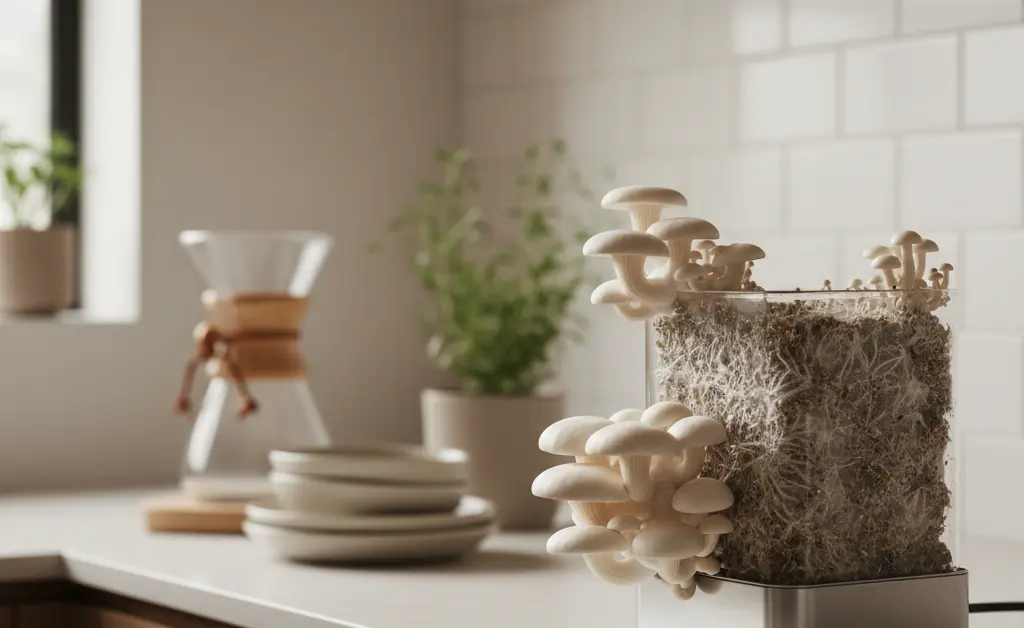
Many people believe that cultivating gourmet mushrooms at home is a complex endeavor, reserved for experienced horticulturists or those with dedicated outdoor spaces. However, this assumption often overlooks the surprising simplicity and accessibility of modern home cultivation methods. In reality, growing delicious, fresh mushrooms in your own kitchen or a small corner of your home is not only possible but increasingly popular. This guide will explore how a culinary mushroom grow kit transforms a seemingly daunting task into an enjoyable and rewarding hobby, offering a direct path to fresh, flavorful fungi with minimal effort and specialized knowledge.
What is a Culinary Mushroom Grow Kit?
A culinary mushroom grow kit is a self-contained system designed to simplify the process of growing edible mushrooms at home. These kits typically arrive pre-inoculated with mycelium, the vegetative part of a fungus, which has already colonized a specialized substrate. The substrate can vary widely, from sawdust and wood chips to straw or grain, chosen to provide the specific nutrients and environment required by the particular mushroom species. The primary goal of a culinary mushroom grow kit is to eliminate the most challenging aspects of mushroom cultivation, such as sterilization and inoculation, making the entire process accessible for beginners. With proper care, these kits are designed to produce several “flushes” or harvests of fresh, gourmet mushrooms directly from the package, offering a convenient way to enjoy home-grown fungi.
Types of Culinary Mushroom Grow Kits
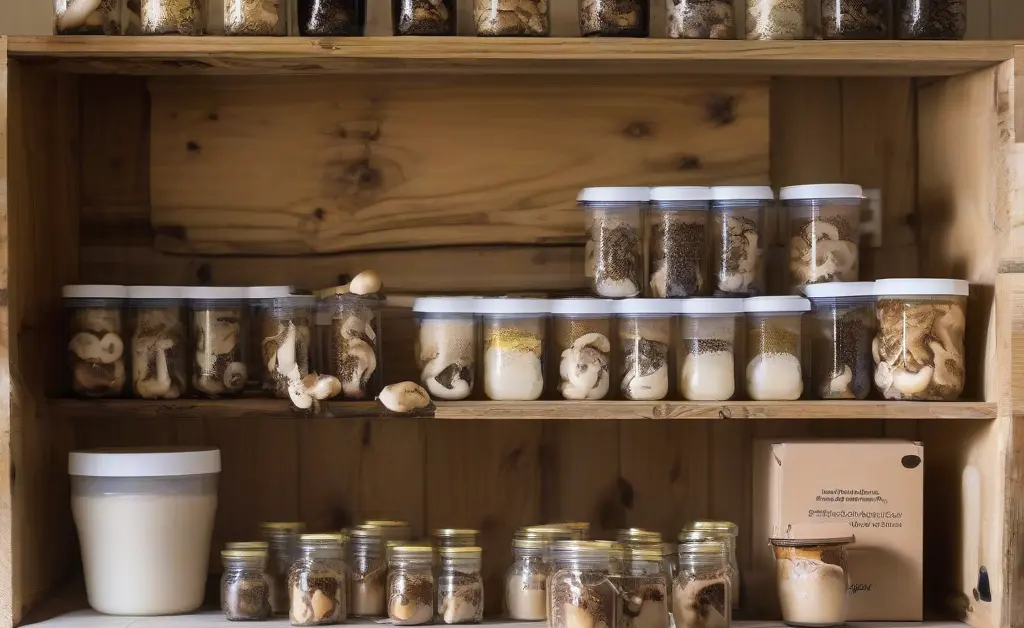
The market offers a variety of culinary mushroom grow kits, each designed to suit different mushroom species and grower preferences. Understanding the distinctions between these kits can help beginners choose the best option for their home growing adventure.
Log Grow Kits
Log grow kits typically consist of sections of hardwood logs, such as oak or maple, that have been inoculated with mushroom spawn. These kits are often used for species like shiitake, oyster, or lion’s mane mushrooms, which naturally grow on wood. While they require a bit more patience as the mycelium colonizes the log over several months, they can be highly productive and often last for several years, producing multiple flushes of mushrooms. They generally need an outdoor or semi-outdoor environment with consistent humidity and protection from direct sun and extreme temperatures.
Bag Grow Kits
Bag grow kits are among the most common and user-friendly options for home cultivation. They consist of a sterile bag filled with a substrate, such as sawdust or straw, that has been fully colonized by mushroom mycelium. Users simply cut an opening in the bag and place it in a suitable environment to encourage fruiting. These kits are popular for fast-growing species like oyster mushrooms and often yield their first flush within a week or two. Their compact size makes them ideal for kitchen countertops or small indoor spaces.
Block Grow Kits
Block grow kits are similar to bag kits but often feature a more compressed substrate block, which might be composed of sawdust, soy hulls, or other organic materials. These blocks are usually fully colonized and ready to fruit upon arrival. They are a popular choice for a wide range of gourmet mushrooms, including shiitake, lion’s mane, and various oyster mushroom strains. Block kits are prized for their convenience and generally provide multiple harvests before needing to be discarded or composted. They offer a good balance of ease of use and yield potential for those interested in easy mushroom growing kits.
How to Use a Culinary Mushroom Grow Kit
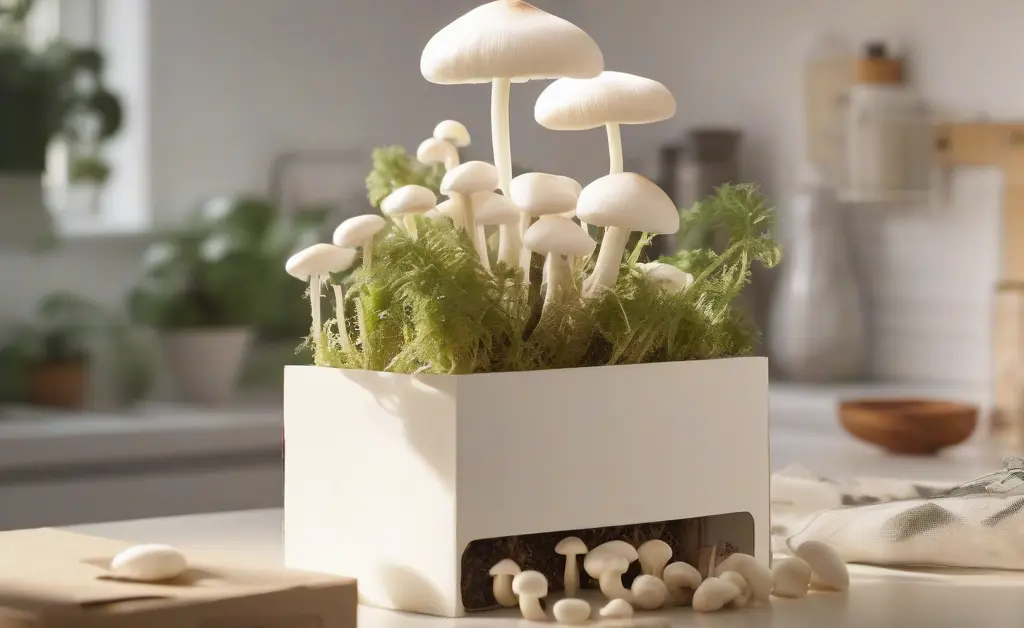
Using a culinary mushroom grow kit is generally straightforward, designed for ease of use. Most kits come with specific instructions, but the basic process involves activating the kit, providing the right environmental conditions, and harvesting the mushrooms once they are ready. Typically, you’ll need to create a small opening in the kit, expose it to indirect light, and mist it regularly to maintain high humidity. The mycelium will then begin to “pin” or form tiny mushroom primordia, which will rapidly grow into mature mushrooms suitable for cooking. Consistent humidity and a stable temperature are crucial for successful fruiting, making it a rewarding process for home growing enthusiasts. Utilizing a culinary mushroom grow kit simplifies the entire mushroom cultivation journey.
Automated Mushroom grow Kit
Automated mushroom grow kits take convenience a step further by integrating features that regulate environmental conditions. These kits might include built-in misters, fans for air exchange, or even small sensors to monitor humidity and temperature. While often more expensive, they can be ideal for those who want a truly hands-off approach or live in environments where maintaining manual humidity is challenging. Automated systems aim to create the optimal microclimate for mushroom fruiting with minimal intervention, making the process even simpler for beginners.
Organic Mushroom Grow Kit
An organic mushroom grow kit adheres to strict organic standards, meaning all components—from the substrate to the mushroom spawn itself—are sourced from certified organic materials. This appeals to consumers who prioritize sustainability, environmental responsibility, and avoiding synthetic chemicals or pesticides in their food. These kits offer the same ease of use as conventional kits but provide the added assurance of an organic product, ensuring that the mushrooms you grow at home are as natural as possible.
Table Top Farm™ Grow Kits
Table Top Farm™ Grow Kits refer to a brand or style of kit specifically designed for aesthetic appeal and ease of use in home settings, often marketed towards urban gardeners or those with limited space. These kits typically emphasize a simple activation process and visually appealing designs, making them suitable for display on kitchen counters or windowsills. They usually contain common, fast-growing culinary varieties like oyster mushrooms, offering a convenient and attractive way to grow gourmet mushrooms at home.
Benefits of Using a Mushroom Grow Kit
Opting for a culinary mushroom grow kit offers numerous advantages for both novice and experienced growers. Primarily, it provides unparalleled convenience, abstracting away the complex sterilization and inoculation steps that are typically the most challenging parts of mushroom cultivation. This accessibility makes mushroom growing for beginners a genuinely enjoyable activity. You gain access to incredibly fresh, gourmet mushrooms, often just days after activating your kit, which are far superior in flavor and texture to store-bought varieties that have traveled long distances. Furthermore, these kits can be a cost-effective way to enjoy expensive gourmet mushrooms regularly. Beyond the culinary benefits, using a culinary mushroom grow kit is an educational experience, offering a fascinating glimpse into the life cycle of fungi and fostering a deeper connection to your food sources. It’s also an eco-friendly practice, as many kits utilize recycled or sustainable substrates and reduce food mileage.
Choosing the Right Culinary Mushroom Grow Kit

Selecting the best culinary mushroom grow kit depends on several factors, including your preferred mushroom variety, your desired level of involvement, and the environmental conditions you can provide. Some mushrooms are easier to grow than others, making them perfect for beginners, while some kits offer more advanced features. Consider the space you have available and the specific instructions for each kit to ensure it aligns with your lifestyle. Researching different brands and their customer support can also be beneficial in making an informed decision about your ideal edible mushroom kit.
Oyster Mushrooms
Oyster mushrooms (Pleurotus ostreatus) are arguably the easiest and fastest-growing culinary mushrooms for home cultivators, making them an excellent choice for a beginner’s culinary mushroom grow kit. They are highly adaptable and can thrive on a variety of substrates, including straw and sawdust. Oyster mushroom kits typically produce abundant flushes, often within a week or two of activation, and come in various colors like pearl, blue, pink, and yellow. Their mild, savory flavor and versatile culinary applications make them a popular choice for many home cooks.
Shiitake Mushrooms
Shiitake mushrooms (Lentinula edodes) are another widely popular gourmet variety, prized for their rich, umami flavor and meaty texture. While slightly slower to fruit than oyster mushrooms, shiitake grow kits are still very manageable for home growers. They typically prefer hardwood-based substrates and require a bit more attention to humidity and air circulation. Shiitake kits often yield several flushes over a period of weeks or months, providing a consistent supply of these sought-after fungi for stir-fries, soups, and other dishes.
Lion’s Mane Mushrooms
Lion’s Mane mushrooms (Hericium erinaceus) are distinctive for their shaggy, cascading spines and delicate, seafood-like flavor, often compared to crab or lobster. Growing these unique mushrooms at home with a dedicated culinary mushroom grow kit is a rewarding experience. Lion’s Mane kits usually consist of hardwood sawdust blocks and require consistent high humidity to develop their characteristic appearance. While they might take a little longer to fruit than oysters, their unusual appearance and gourmet appeal make them a fascinating choice for home cultivation.
Maitake Mushrooms
Maitake mushrooms (Grifola frondosa), also known as “Hen of the Woods,” are celebrated for their earthy, rich flavor and unique, branching cluster growth habit. While less common in standard grow kits than oysters or shiitakes, specialized Maitake culinary mushroom grow kits are available for those interested in cultivating this distinctive fungus. They tend to be a bit more challenging to fruit reliably in indoor conditions and may require more specific temperature and humidity fluctuations to trigger pinning. However, the effort can be well worth it for the exceptional culinary quality of home-grown Maitake.
Troubleshooting Common Issues with Mushroom Grow Kits
Even with the convenience of a culinary mushroom grow kit, you might encounter a few common issues during the cultivation process. One frequent problem is a lack of fruiting, which can often be attributed to insufficient humidity, inadequate air exchange, or incorrect temperature. Ensuring the kit is misted regularly and placed in a location with good ambient airflow, away from direct drafts, can often resolve this. Another concern is contamination, indicated by unusual molds or off-colors appearing on the substrate; while rare in pre-sterilized kits, this usually means the kit needs to be discarded to prevent the spread of spores. If mushrooms are growing but appear spindly or discolored, it might indicate insufficient light or too much CO2 buildup. By carefully monitoring environmental conditions and making small adjustments, most common issues can be successfully managed, leading to a bountiful harvest from your home growing kit. For more detailed information on fungal biology and potential issues, resources like NIH can be helpful.
Cultivating gourmet mushrooms at home with a culinary mushroom grow kit is an accessible and highly satisfying endeavor. From the ease of setup to the joy of harvesting your own fresh, flavorful fungi, these kits transform what might seem like a complex process into a simple, engaging hobby. Whether you’re drawn to the rapid growth of oyster mushrooms, the rich taste of shiitake, or the unique appeal of lion’s mane, there’s a kit suited for every beginner and aspiring mycophile. Embrace the opportunity to bring the world of gourmet mushrooms directly to your kitchen and enjoy the unmatched freshness and quality that home cultivation provides.
not applicable
FAQ
What is the easiest mushroom to grow in a kit?
Oyster mushrooms are generally considered the easiest and most forgiving for beginners to cultivate using a grow kit. Their rapid growth and adaptability make them a popular choice for those new to mushroom cultivation.
What are the best mushroom grow kits for beginners?
For those new to growing mushrooms, kits featuring oyster mushrooms or lion’s mane are often recommended. These varieties tend to be robust and provide a more consistent and rewarding experience for initial attempts.
How long does a mushroom grow kit take to fruit?
The time it takes for a mushroom grow kit to produce mushrooms, or “fruit,” can vary. Typically, you can expect to see the first signs of mushrooms emerging within one to three weeks after initiating the fruiting process according to the kit’s instructions.
Can you replant a mushroom grow kit?
While a spent mushroom grow kit may not produce subsequent harvests of the same quality, some kits are designed for multiple flushes. Re-soaking or misting the block according to specific instructions might encourage additional growth.