
An Encyclopedia of Culinary Mushroom Names
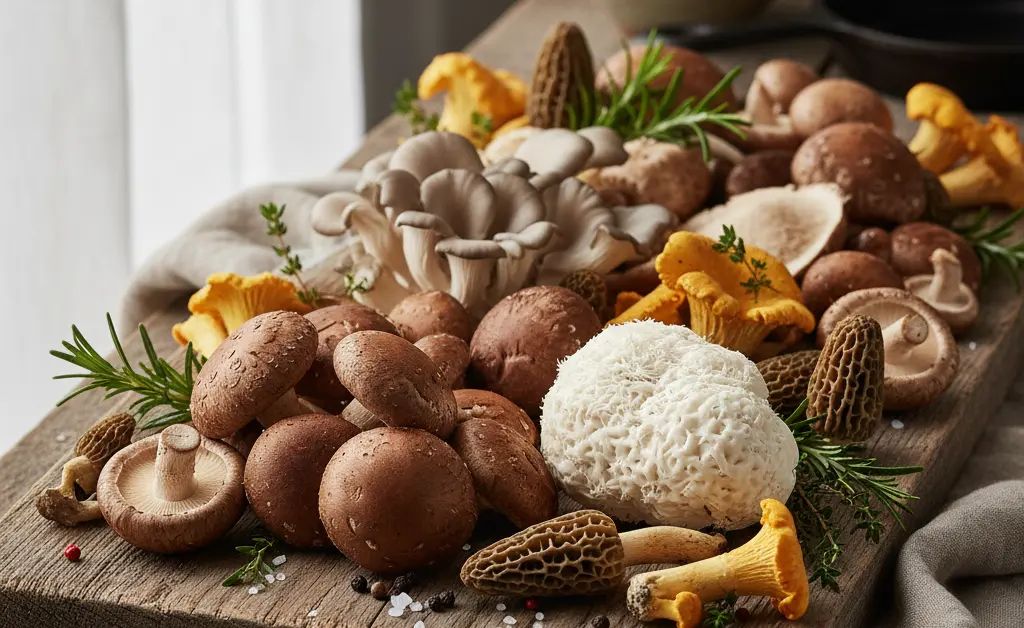
Have you ever considered the remarkable diversity hidden within the world of edible fungi? Beyond the familiar button mushroom, a vast array of species offers unique flavors, textures, and aromas that can transform any dish. Exploring these fascinating fungi often begins with understanding their identity. This guide delves into the rich tapestry of culinary mushroom names, offering insights into their characteristics, uses, and origins. From the commonly found to the exotically rare, each mushroom brings its own distinct contribution to the kitchen. Uncovering the specific qualities of each variety not only broadens your culinary horizons but also enhances your ability to select and prepare them perfectly, ensuring a delightful gastronomic experience every time.
Culinary Mushroom Names and Pictures
Delving into the world of edible fungi reveals a remarkable spectrum of shapes, sizes, and colors, each often associated with distinct culinary mushroom names. Understanding these varieties is the first step toward appreciating their unique contributions to cooking. From the everyday staples to the more exotic finds, recognizing each mushroom by its common designation helps in identifying its potential uses and flavor profile.
Button (White) Mushrooms
Often considered the most popular and widely consumed edible mushroom, Button mushrooms are characterized by their small, round, white caps and mild flavor. They are incredibly versatile and can be enjoyed raw in salads, sliced into sandwiches, or cooked into a variety of dishes. Their subtle taste makes them a perfect canvas for absorbing the flavors of other ingredients.
Cremini (Baby Bella) Mushrooms
Cremini mushrooms, also known as Baby Bella mushrooms, are simply a slightly more mature version of the Button mushroom. They have a firmer texture and a darker, more intense, earthy flavor due to their longer growing period. Their brownish caps are slightly larger than those of Button mushrooms, making them excellent for sautéing, roasting, or incorporating into stews and sauces.
Portobello Mushrooms
Portobello mushrooms are fully grown Cremini mushrooms, distinguished by their large, flat, open caps and rich, meaty texture. Their robust flavor makes them a favorite for grilling or baking as a steak substitute, or for stuffing with various fillings. These impressive edible mushrooms are a testament to how maturity can transform a mushroom’s culinary properties.
Shiitake Mushrooms
Originating from East Asia, Shiitake mushrooms are renowned for their distinctive umami flavor and meaty texture. They feature umbrella-shaped, dark brown caps with gills underneath. Shiitakes are a staple in Asian cuisine, commonly used in stir-fries, soups, and noodle dishes, and are often dried to intensify their flavor before use.
Oyster Mushrooms
Oyster mushrooms are easily recognizable by their fan-like or oyster-shell-shaped caps, which can range in color from white to gray or even pink. They typically grow in shelf-like clusters and possess a delicate, slightly sweet, and earthy flavor. These mushrooms are excellent for quick sautéing, adding to stir-fries, or featuring in light pasta dishes due to their tender texture.
Maitake (Hen of the Woods) Mushrooms
Maitake mushrooms, also known as Hen of the Woods due to their ruffled, feathery appearance resembling a hen’s plumage, grow in large clusters. They boast a rich, earthy, and somewhat peppery flavor with a unique texture. Maitakes are prized by chefs for their ability to hold up well to roasting or sautéing, making them a fantastic addition to various gourmet preparations.
Enoki Mushrooms
Enoki mushrooms are distinct for their long, slender stems and tiny, button-like caps, typically growing in dense clusters. They have a mild, slightly fruity flavor and a crisp texture. Often used in Asian soups, salads, and stir-fries, Enoki mushrooms are best added at the end of the cooking process to retain their delicate crunch.
King Oyster Mushrooms
King Oyster mushrooms are characterized by their thick, robust stems and small, flat caps. Unlike other oyster varieties, the stem is often the primary culinary focus due to its firm, meaty texture. When sliced and cooked, they can resemble scallops or calamari, offering a satisfying umami flavor that makes them versatile for grilling, pan-frying, or roasting.
Lion’s Mane Mushrooms
Lion’s Mane mushrooms are visually striking with their shaggy, white, cascading spines that resemble a lion’s mane. These unique edible mushrooms possess a tender, seafood-like texture and a mild, subtly sweet flavor, often compared to crab or lobster. They are excellent when pan-fried until golden brown, serving as a delightful ingredient in vegetarian or vegan dishes.
Common Culinary Mushroom Varieties
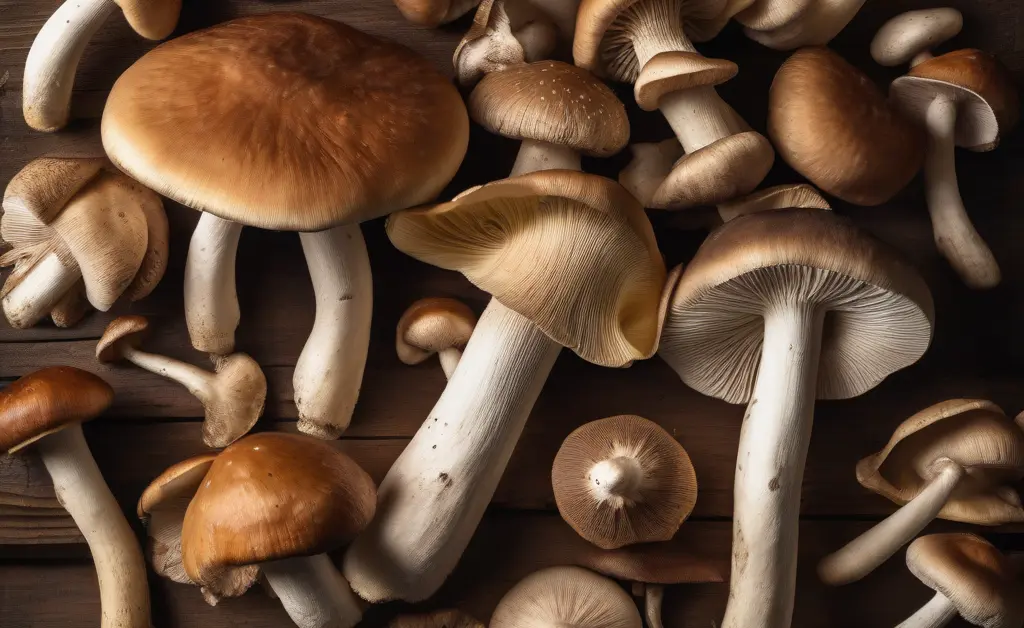
Beyond their individual names, many culinary mushroom varieties share a common presence in kitchens worldwide due to their versatility and availability. These popular fungi form the backbone of countless recipes, offering diverse textures and flavors that can elevate simple meals. Understanding the range of common culinary mushroom names helps home cooks and chefs alike select the perfect ingredient for their dishes.
For instance, Button, Cremini, and Portobello mushrooms, all belonging to the same species (Agaricus bisporus), are among the most frequently used. They are highly adaptable, responding well to various cooking methods. When considering which mushrooms are best for sautéing, varieties like Cremini, Shiitake, and Oyster mushrooms are excellent choices as they develop a rich, savory depth when browned. Similarly, for general cooking with different mushroom types, these common varieties provide reliable results, whether incorporated into sauces, stir-fries, or roasted as a side dish. Exploring the best cooking methods for each type allows their unique flavors and textures to truly shine.
Less Common but Delicious Mushrooms
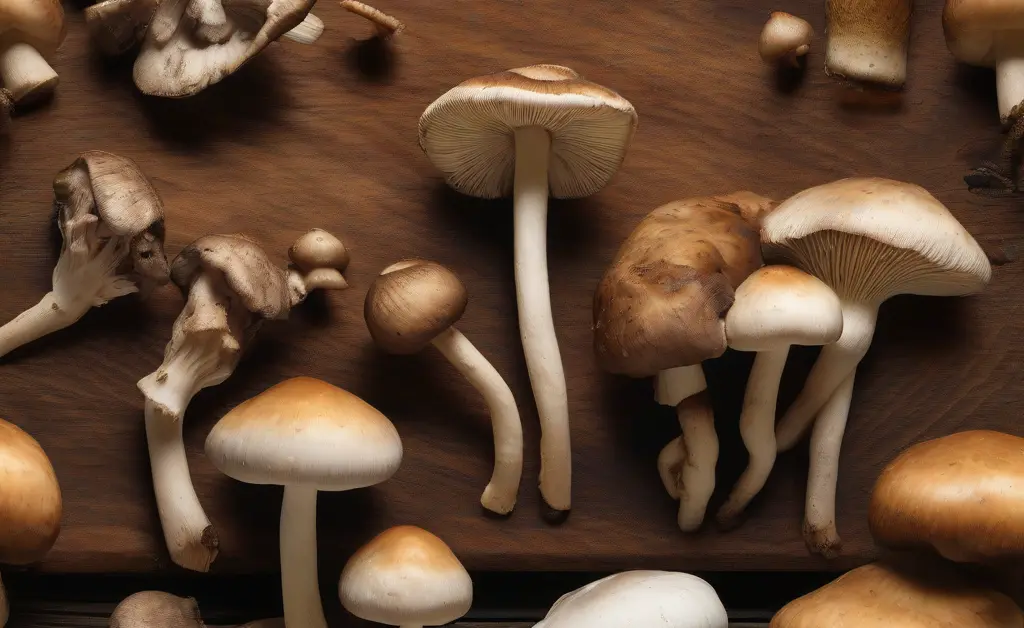
While some culinary mushroom names are household staples, the world of fungi offers a treasure trove of less common yet incredibly delicious varieties that can add extraordinary depth and complexity to gourmet dishes. These mushrooms often boast more intense flavors, unique textures, and a certain mystique due to their seasonal availability or specific growing conditions. Exploring these unique edible mushrooms opens up new dimensions for culinary experimentation and appreciation.
Morel Mushrooms
Morel mushrooms are highly sought after for their distinctive honeycomb-like caps and deeply earthy, nutty, and somewhat smoky flavor. They are a true delicacy, typically foraged in spring, and are rarely cultivated on a large scale. Their unique texture and intense flavor make them superb when sautéed with butter and herbs, or incorporated into rich sauces and risottos.
Chanterelle Mushrooms
Chanterelle mushrooms are easily identifiable by their golden-yellow, trumpet-shaped appearance and ruffled edges. They are cherished for their delicate, fruity, and slightly peppery flavor, often described as having hints of apricot. These wild edible mushrooms have a firm yet tender texture and are excellent when gently sautéed to preserve their nuanced taste, pairing wonderfully with eggs, poultry, and creamy pasta dishes. For more information on hedgehog mushroom types, consider exploring detailed guides.
Hedgehog mushroom types can offer unique flavors.
Scientific and Common Names of Mushrooms
The study and culinary use of fungi often involve navigating between scientific and common names. While common culinary mushroom names are practical for everyday use and cooking, scientific nomenclature provides a precise and universal way to identify species, avoiding confusion that can arise from regional common names. For example, the Button, Cremini, and Portobello mushrooms all share the scientific name Agaricus bisporus, illustrating their biological relationship despite their varying appearances and common designations based on maturity.
Scientific names, typically in Latin, adhere to a standardized binomial system (genus and species), ensuring that researchers and mushroom enthusiasts worldwide refer to the exact same organism. This is particularly important for wild edible mushrooms, where misidentification can have significant consequences. Common names, while charming and often descriptive, can vary widely by location, leading to different mushrooms sharing the same name or one mushroom having multiple names. Understanding both systems enriches one’s knowledge of edible fungi and supports informed selection, whether for cooking or for educational purposes. The NIH provides extensive resources on various health topics, including those related to diet and nutrition.
The Ultimate Guide To Edible Mushrooms

Embarking on a culinary journey through the world of edible mushrooms reveals a stunning array of flavors, textures, and aromas. From the everyday familiarity of Button mushrooms to the exotic allure of Maitake and the distinctive charm of Morels, each variety offers a unique contribution to the kitchen. This exploration of mushroom varieties highlights not just their individual characteristics but also their potential to transform dishes, whether through savory umami, delicate sweetness, or robust earthiness. Consider the unique properties of violet hedgehog mushroom varieties.
Learning about these diverse fungi enhances not only cooking skills but also an appreciation for the natural world. Experimenting with different mushroom types encourages creativity in the kitchen, allowing for new flavor pairings and innovative meal preparations. The journey through the various culinary mushroom names truly showcases the incredible versatility and gastronomic delight that edible fungi bring to the table, inviting continuous discovery and enjoyment. There are also interesting edible jelly mushrooms to explore.
This content is for informational use and should not be considered medical instruction. It is not intended to provide medical advice, diagnosis, or treatment. Always consult with a qualified healthcare professional before making any decisions related to your health or incorporating new foods, especially wild edibles, into your diet. Individual reactions to foods can vary.
FAQ
What are the most common edible mushroom names?
The most frequently encountered edible mushrooms include button, cremini, and portobello varieties, alongside shiitake and oyster mushrooms. These are widely available and used in a diverse range of dishes. Their popularity stems from their varied textures and mild to robust flavors.
What are the different types of mushrooms used in cooking?
Mushrooms used in cooking span a wide spectrum, from common button types to more intensely flavored varieties like shiitake and oyster mushrooms. Some are cultivated for their mild taste and versatility, while others are prized for their unique textures and deeper, earthy flavors. The selection often depends on the desired culinary outcome.
What is the difference between button, cremini, and portobello mushrooms?
Button, cremini, and portobello mushrooms are actually the same species, *Agaricus bisporus*, at different stages of maturity. Button mushrooms are young and have a mild flavor and firm texture. Cremini are slightly more mature, developing a richer taste and denser flesh. Portobellos are fully mature, with large caps and a deep, meaty flavor profile.
Can you name some gourmet mushroom varieties?
Gourmet mushroom varieties often include the earthy shiitake, the delicate oyster mushroom, and the distinctive maitake, also known by its culinary mushroom names. These mushrooms are celebrated for their complex flavors and unique textures, making them sought after for sophisticated dishes. Many other less common but highly flavorful varieties are also considered gourmet.