
The Definitive Guide to Culinary Mushroom Powder
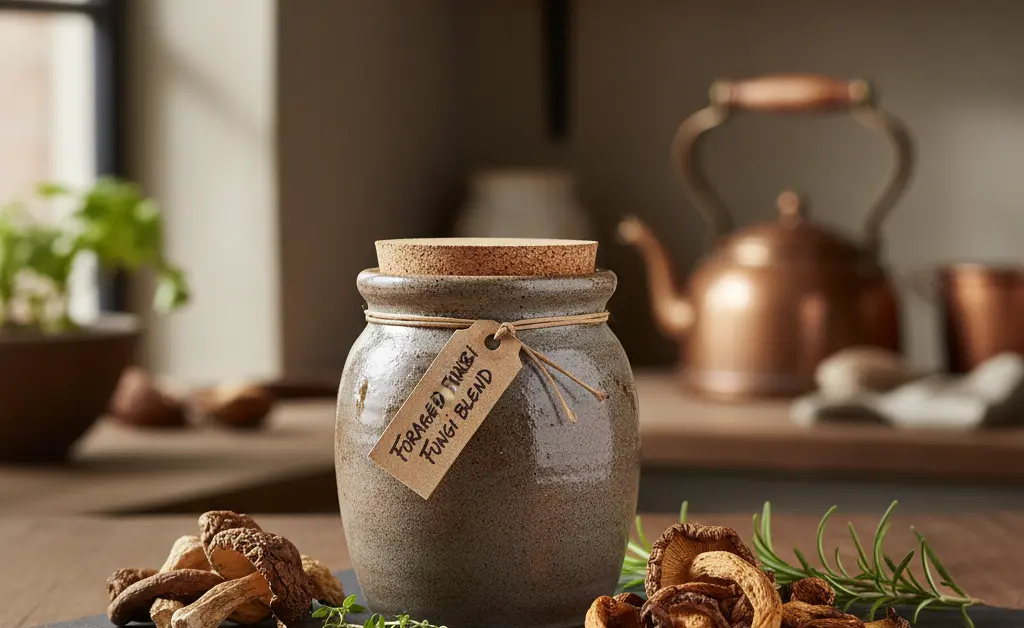
Are you tired of bland dishes that lack depth, or perhaps find yourself constantly chasing that elusive umami flavor without success? Incorporating fresh mushrooms often requires careful handling, can be seasonal, and sometimes introduces unwanted moisture or texture to your culinary creations. It can be challenging to infuse a rich, earthy essence consistently into everyday meals, whether it’s a quick weeknight dinner or a special occasion. This is where culinary mushroom powder steps in as an indispensable pantry staple. It offers a convenient, concentrated, and consistent way to elevate the flavor profile of countless dishes, delivering that sought-after savory boost and nutritional benefits without the fuss. This guide will explore everything you need to know about this versatile ingredient.
What is Culinary Mushroom Powder?
Culinary mushroom powder is essentially dried mushrooms that have been finely ground into a versatile powder. This process concentrates their natural flavors and nutrients, creating an ingredient that can impart a deep, earthy, and umami-rich profile to a wide array of dishes. The definition and composition of this powder are straightforward: it consists purely of ground mushrooms, without fillers or artificial additives, preserving the integrity of the fungi.
The creation of culinary mushroom powder involves a careful drying and grinding process. Mushrooms are typically sliced and dehydrated, either through air-drying, sun-drying, or mechanical dehydrators, to remove their moisture content. This step is crucial for intensifying flavor and ensuring a long shelf life. Once thoroughly dried, the mushrooms are then ground into a fine powder, making their potent flavors and beneficial compounds easily dispersible in various culinary applications.
Mushroom Powder For Cooking
As a concentrated form of mushroom, this powder serves as an excellent ingredient for cooking, offering an efficient way to integrate mushroom flavor without the texture or moisture of fresh or rehydrated fungi. It easily dissolves or blends into liquids and dry mixes, making it ideal for consistent flavor distribution. Its potency means only small amounts are typically needed to achieve a significant flavor impact, making it a cost-effective and convenient staple for any kitchen.
Types of Culinary Mushroom Powder
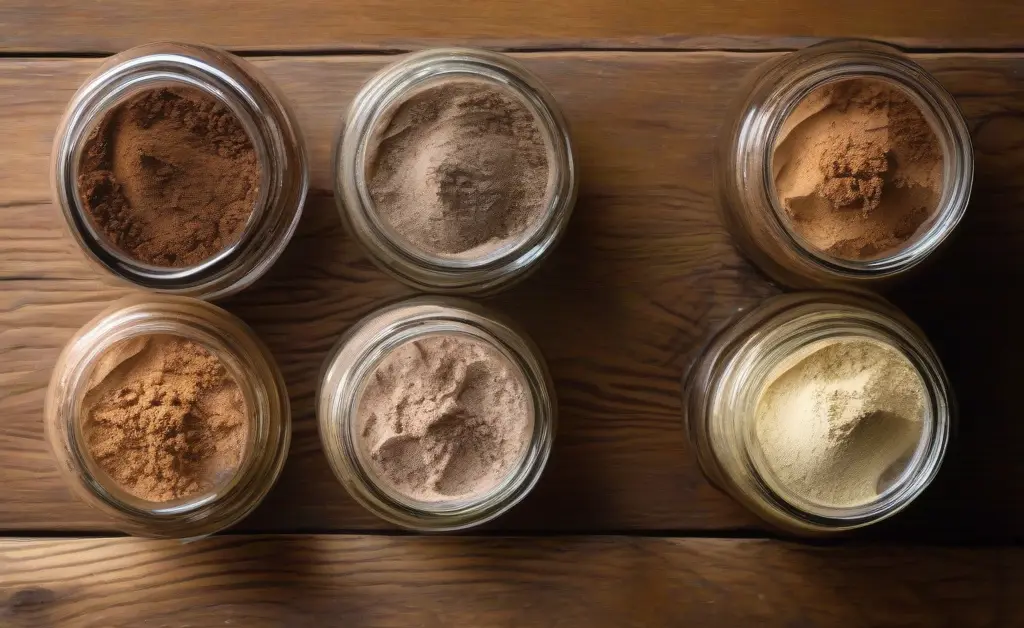
The world of culinary mushroom powder offers a diverse range of options, each bringing its own unique flavor profile and potential benefits to the table. Understanding the different types can help home cooks and professional chefs select the perfect powder to enhance their dishes. The broad category of culinary mushrooms includes many varieties, each with distinct characteristics.
Single Mushroom Powders (e.g., Shiitake, Porcini, Lion’s Mane)
These powders are made from a single species of mushroom, allowing their distinct characteristics to shine. Shiitake mushroom powder, for instance, is renowned for its rich, smoky, and earthy umami notes, making it a popular choice for Asian-inspired dishes, broths, and meat rubs. Porcini mushroom powder delivers an intensely robust, nutty, and slightly sweet flavor, often favored in Italian cuisine, particularly in risottos, pasta sauces, and gravies. Lion’s Mane mushroom powder, while milder in flavor, offers a unique, subtle sweetness, often described as resembling seafood, and is sometimes incorporated into dishes for its distinct profile rather than an overpowering mushroom taste. Each single-origin culinary mushroom powder provides a concentrated essence true to its source.
Mixed Mushroom Powders
Mixed mushroom powders are blends of several different mushroom varieties, designed to create a more complex and balanced flavor profile. These blends often combine earthy, savory, and sometimes slightly sweet notes from mushrooms like shiitake, porcini, cremini, oyster, and reishi. The advantage of a mixed blend is its versatility; it can provide a broader spectrum of mushroom flavor that complements a wider range of dishes without a single mushroom’s characteristics dominating. These blends are excellent for general-purpose seasoning, providing a deep umami foundation to soups, stews, and sauces, and simplifying the process for those who want a comprehensive mushroom flavor with one ingredient.
Benefits of Using Culinary Mushroom Powder
Incorporating culinary mushroom powder into your diet offers a multitude of advantages, ranging from flavor enhancement to potential nutritional support. It stands out as a pantry staple for both its versatility and its concentrated goodness.
One of the primary benefits is its ability to deliver intense flavor enhancement, particularly the coveted umami taste. This savory depth enriches dishes, making them more satisfying and complex without adding excess salt or artificial ingredients. Beyond flavor, mushroom powder offers nutritional value, concentrating the vitamins, minerals, and antioxidants naturally present in fresh mushrooms. It is often studied for its potential association with immune support and overall wellness. For more general health information, consult resources like the NHS.
Furthermore, the convenience and extended shelf life of culinary mushroom powder are significant advantages. Unlike fresh mushrooms that can spoil quickly, dried and powdered mushrooms can be stored for much longer, ensuring you always have this powerful ingredient on hand. This makes it an ideal solution for consistent flavor and nutritional boosting in your everyday cooking, addressing common questions like “What are the benefits of mushroom powder?” and “Is mushroom powder healthy?”.
Dried Mushroom Powder Seasoning
As a dried seasoning, mushroom powder is incredibly versatile. It can be directly added to dishes during cooking, mixed into rubs, or sprinkled over finished meals. Its dry form ensures it won’t alter the moisture content or texture of your food, making it perfect for applications where you want flavor without additional bulk. This concentrated seasoning allows for precise control over the intensity of mushroom flavor, from a subtle hint to a profound earthy richness.
How to Use Culinary Mushroom Powder in Cooking
The versatility of culinary mushroom powder makes it an invaluable ingredient in the kitchen, capable of enhancing a wide array of dishes with its concentrated umami and earthy notes. Experimentation is key to discovering its full potential, but here are some common applications.
Soups and Stews
One of the most natural applications for culinary mushroom powder is in liquid-based dishes like soups and stews. A small amount, often just a teaspoon or two, can significantly deepen the broth, adding a rich, savory dimension that makes the dish feel more hearty and satisfying. It’s particularly effective in vegetable broths, beef stews, or creamy mushroom soups, where it boosts the natural flavors of other ingredients.
Sauces and Gravies
To elevate the flavor of gravies, pan sauces, or creamy pasta sauces, mushroom powder is an excellent choice. It dissolves seamlessly into liquids, providing a robust, earthy base without any chunky texture. It can intensify the flavor of a mushroom cream sauce or add a complex umami background to a classic brown gravy served with roasts.
Seasoning Blends and Rubs
For dry applications, culinary mushroom powder can be incorporated into homemade seasoning blends for meats, poultry, or vegetables. Its fine texture allows it to adhere well to surfaces, creating a flavorful crust when roasted, grilled, or baked. Mix it with salt, pepper, garlic powder, onion powder, and herbs for a potent and unique rub.
Baked Goods
While less conventional, mushroom powder can be a surprising addition to certain savory baked goods. Consider adding a pinch to bread doughs, savory muffins, or even biscuit mixes to impart an intriguing depth of flavor that complements herbs and cheeses. It works particularly well in items like savory scones or cheddar-mushroom bread.
Beverages
For those exploring unique flavor combinations, culinary mushroom powder can be added in very small quantities to savory beverages. Think along the lines of a deeply flavored vegetable juice, a savory smoothie, or even a unique twist on a bone broth or certain tea blends for an earthy, umami boost.
Culinary Mushroom Powder Uses
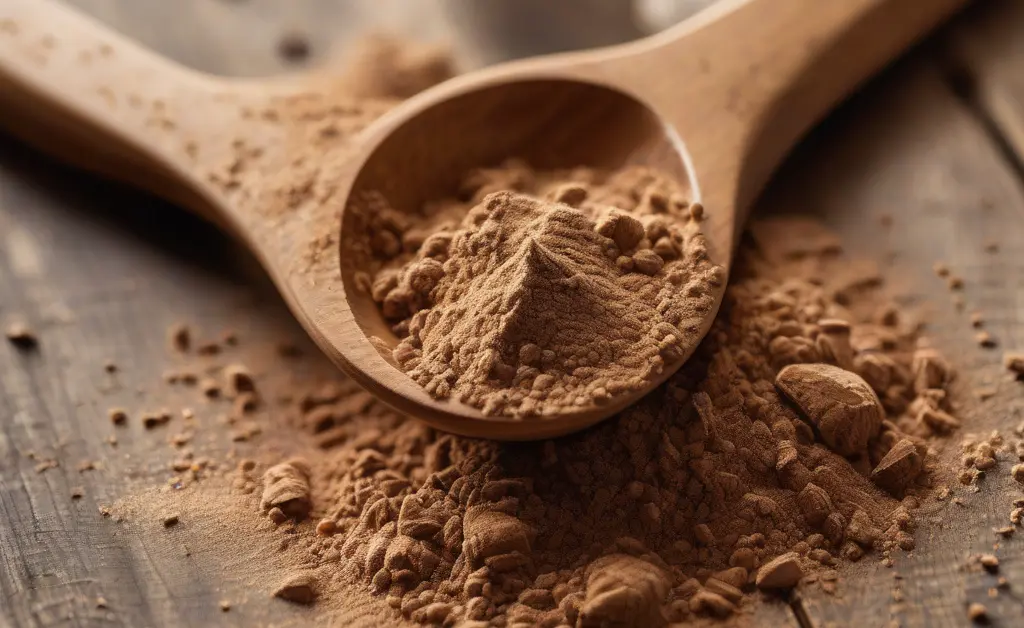
Beyond specific dishes, culinary mushroom powder serves as a versatile flavor enhancer and nutritional booster across various culinary contexts. Its concentrated form allows for creative applications in many aspects of meal preparation.
Culinary Mushroom Powder Recipe
While we won’t provide specific measurements, many culinary mushroom powder recipes focus on its ability to create profoundly flavorful dishes. Think about creating deeply savory veggie burgers or meatloaf, where the powder can replace or augment fresh mushrooms to ensure a consistent, rich flavor throughout. It can also be a secret ingredient in vegetarian pâtés or savory spreads, offering an earthy depth that mimics more complex flavor profiles.
Essential Mushroom Powder Recipe
An essential mushroom powder recipe often revolves around foundational ingredients like homemade broth or bouillon. By incorporating culinary mushroom powder, you can craft a robust and aromatic liquid base that is perfect for countless soups, stews, and sauces, providing a consistent umami backbone. It can also be central to creating highly flavorful dry seasoning mixes that can be used universally on roasted vegetables, grilled proteins, or even popcorn for an unexpected savory twist.
Best Culinary Mushroom Powder
Determining the “best” culinary mushroom powder largely depends on individual preferences and intended uses. However, several factors contribute to a high-quality product. Look for powders made from 100% pure mushrooms, without any added fillers, anti-caking agents, or artificial flavors. Organic certification can also be an indicator of quality, ensuring the mushrooms were grown without synthetic pesticides or fertilizers. The drying method is important; slow air-drying or low-heat dehydration can better preserve the mushroom’s delicate flavors and beneficial compounds. Considering culinary mushroom powder reviews from other users can also offer insights into flavor intensity and consistency. Ultimately, the best product for you will be one that consistently delivers the desired flavor profile and meets your standards for purity and quality.
Where to Buy Culinary Mushroom Powder
Sourcing high-quality culinary mushroom powder is becoming increasingly accessible as its popularity grows. Several avenues are available for consumers to purchase this versatile ingredient, from specialized stores to online marketplaces.
Online Retailers
Major online retailers and dedicated health food websites are excellent sources for a wide variety of culinary mushroom powder options. These platforms often carry an extensive selection of single-species powders like shiitake mushroom powder and porcini, as well as various mixed mushroom blends. Online shopping provides the convenience of comparing different brands, reading customer reviews, and often finding competitive pricing. When purchasing online, pay attention to the ingredient list, sourcing information, and certifications provided by the seller.
Specialty Food Stores
Many health food stores, gourmet grocery stores, and stores specializing in international ingredients now stock culinary mushroom powder. These physical locations offer the advantage of allowing you to see the product packaging and sometimes consult with staff who can provide recommendations or information about specific brands. Specialty spice shops are also a good place to check, as they often carry a range of exotic and unique seasonings, including various types of mushroom powder.
In conclusion, culinary mushroom powder stands out as a powerful and convenient ingredient that can significantly elevate the flavor and nutritional profile of a wide variety of dishes. Its versatility, ease of use, and concentrated essence make it an indispensable addition to any kitchen, enabling cooks to effortlessly infuse a deep, savory umami into everyday meals and gourmet creations alike.
The purpose of this content is to educate, not to diagnose or treat. The information provided here is for general knowledge and informational purposes only, and does not constitute medical advice. Always consult with a qualified healthcare professional before making any decisions about your health or starting any new dietary regimen. This content is not intended to be a substitute for professional medical advice, diagnosis, or treatment.
FAQ
What mushrooms are used for powder?
A wide variety of mushrooms can be dried and ground into powder, including those commonly consumed for their flavor and nutritional content, as well as those valued for their specific functional properties. This includes popular varieties like lion’s mane, reishi, cordyceps, and chaga, alongside everyday favorites such as shiitake and maitake. The selection often depends on the intended use and desired benefits.
How do you make mushroom powder?
The process begins with carefully drying the harvested mushrooms, which removes moisture to prevent spoilage and concentrate their compounds. Once thoroughly dried, the mushrooms are typically ground into a fine powder using specialized milling equipment. This transformation yields a versatile ingredient that retains many of the mushroom’s beneficial constituents.
What is shiitake mushroom powder used for?
Shiitake mushroom powder is frequently incorporated into savory dishes, acting as a natural flavor enhancer and umami booster in sauces, soups, and marinades. Its rich, earthy profile makes it a valuable addition for elevating the taste of various culinary creations. This culinary mushroom powder can also be used as a seasoning for roasted vegetables or added to spice blends.