
Growing Culinary Mushrooms: A Spore Starter Guide
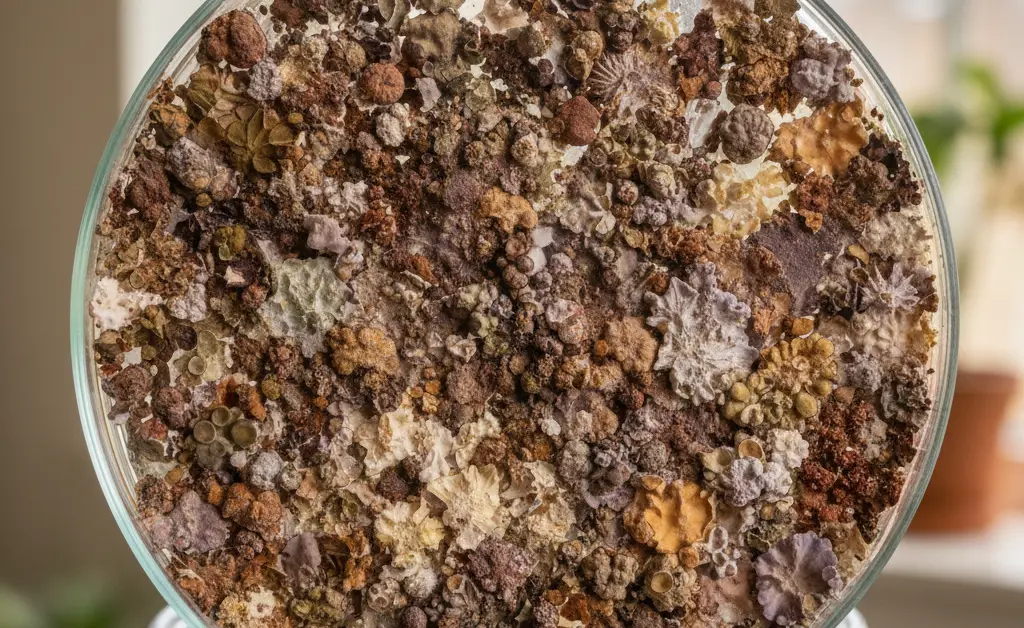
Exploring the world of mushroom cultivation offers a fascinating journey for enthusiasts. This guide delves into the essential steps and considerations for successfully growing edible fungi at home. Understanding the foundational elements, particularly the role of spores, is crucial for aspiring cultivators. We will cover everything from sourcing quality culinary mushroom spores to the intricate process of inoculation and mycelial development. This comprehensive resource aims to equip you with the knowledge needed to transform microscopic spores into delicious harvests, demystifying the art and science behind home-based mushroom farming. Join us to uncover the potential within these tiny propagules and embark on your own cultivation adventure.
Everything You Need To Know About Culinary Mushroom Spores
Mushroom spores represent the reproductive cells of fungi, akin to seeds in plants. They are microscopic and serve as the starting point for new fungal growth. Understanding the nature and function of culinary mushroom spores is fundamental for anyone interested in home cultivation. These tiny structures carry the genetic information necessary to develop into a full-fledged mycelial network and, eventually, fruiting bodies. Their proper handling and care are paramount to successful mushroom cultivation projects.
Introduction to Spore Syringes and Prints
Two primary forms in which spores are typically handled by cultivators are spore syringes and spore prints. A spore syringe contains a suspension of mushroom spores in sterile water. This method provides a clean, easy-to-use medium for inoculating substrates. Spore prints, on the other hand, are created by allowing a mushroom cap to drop its spores onto a sterile surface, usually foil or paper. Spore prints offer a more concentrated collection of genetic material and can be stored for extended periods, providing a backup for future cultivation efforts or for creating new spore syringes. Learn more about culinary mushroom spore syringe.
What Can I Do with Mushroom Spores?
Mushroom spores offer a multitude of possibilities for the aspiring cultivator. Their primary use is to initiate new mushroom cultures. From a spore print or syringe, you can inoculate nutrient-rich agar plates to germinate the spores and develop clean mycelial growth. This process allows for the selection of strong, vigorous strains and the isolation of pure cultures. Beyond initial cultivation, spores can be used for genetic experimentation, cross-breeding different strains, or simply preserving the genetics of a particular mushroom variety for long-term storage. You can also explore culinary mushroom liquid culture.
Where to Buy Culinary Mushroom Spores
Sourcing high-quality culinary mushroom spores is a critical first step in successful home cultivation. The viability and cleanliness of the spores you acquire directly impact your chances of growing healthy mushrooms. It is important to approach this step with careful consideration, focusing on reputable sources that prioritize sterility and genetic integrity.
Reputable Suppliers and Vendors
When searching for culinary mushroom spores, prioritize suppliers known for their commitment to quality. Reputable vendors often provide detailed information about their sterilization processes, the origins of their strains, and offer customer support. Look for suppliers with positive reviews, clear policies regarding product quality, and transparent practices. Many established companies specialize in mycology supplies and are dedicated to providing viable, contaminant-free spores.
Online Retailers for Mushroom Spores
The internet offers a vast array of options for purchasing mushroom spores. Online retailers provide convenience and access to a wider selection of species than might be available locally. When buying online, ensure the website is secure and the vendor has a solid reputation. Check for clear product descriptions, storage instructions, and shipping policies. Be wary of sellers with suspiciously low prices or a lack of detailed product information, as these may indicate lower quality or less reliable products.
Considerations When Purchasing Spores
Before making a purchase, consider several factors. The species of mushroom is paramount; ensure it is suitable for your cultivation environment and desired culinary use. Check for the stated viability of the spores and their freshness, as older spores may have reduced germination rates. Sterility is also crucial; spores should be prepared in a sterile environment to minimize the risk of contamination in your cultures. Finally, consider the form in which they are sold, whether as spore syringes or prints, and choose the method that best suits your cultivation approach and experience level. Explore various culinary mushrooms.
Cultivating Edible Mushrooms from Spores
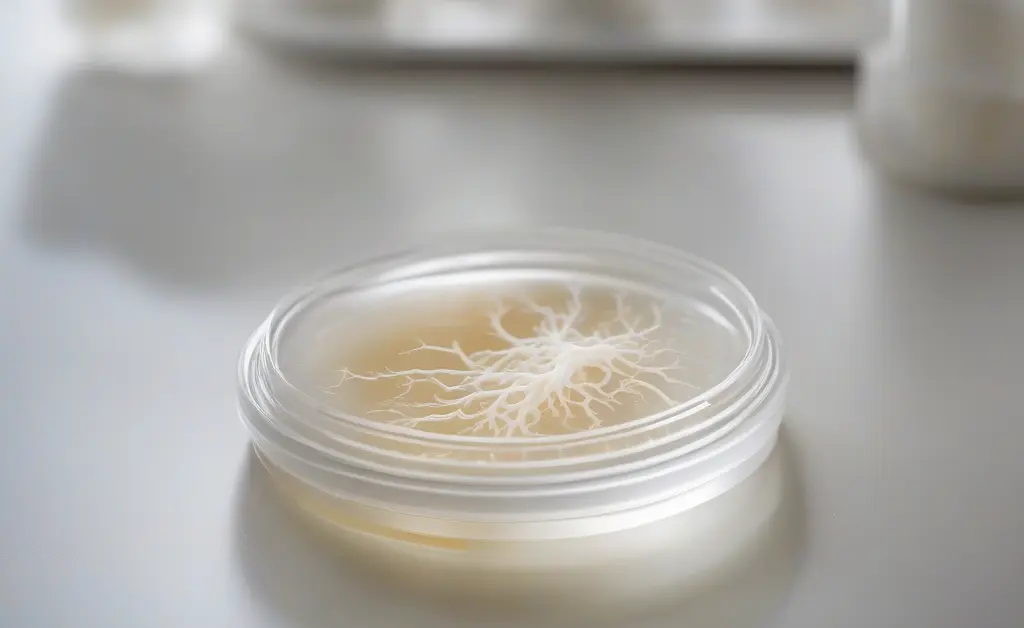
The journey from a microscopic spore to a delectable mushroom is a fascinating process that requires patience, sterile technique, and an understanding of fungal biology. Starting with culinary mushroom spores offers a unique opportunity to experience the full life cycle of edible fungi and appreciate the delicate balance required for successful growth.
Common Culinary Mushroom Varieties (Oyster, Shiitake, Lion’s Mane)
Several popular edible mushroom varieties are excellent choices for cultivation from spores, each offering distinct flavors and growth characteristics. Oyster mushrooms (e.g., Pearl Oyster, Blue Oyster) are known for their relatively fast colonization and abundant fruiting, making them a great option for beginners. Shiitake mushrooms are prized for their rich, umami flavor and require a slightly longer cultivation period, often growing on hardwood substrates. Lion’s Mane mushrooms are celebrated for their unique texture and brain-health supporting compounds; they can be cultivated on supplemented sawdust blocks and require careful environmental control to achieve optimal fruiting.
How to Grow Mushroom Spores from Syringe
Growing mushrooms from a spore syringe involves several critical steps to ensure success. Begin by preparing your chosen growth medium, such as agar plates or sterilized grain spawn. Maintain a sterile environment, ideally using a still air box or a laminar flow hood, to minimize contamination risks. Shake the spore syringe well to disperse the spores, then carefully inoculate your medium by injecting a small amount of the spore solution. After inoculation, seal the containers and incubate them in a dark, warm environment. Over time, you should observe the germination of spores and the development of white, thread-like mycelium.
From Spores to Mycelium to Fruiting Bodies
The cultivation process unfolds in distinct stages. First, spores germinate on a suitable substrate, forming a delicate network of fungal threads known as mycelium. This mycelial network colonizes the substrate, breaking down nutrients. Once the substrate is fully colonized, environmental conditions are typically altered to induce fruiting. This might involve changes in temperature, humidity, and light exposure, which signal the mycelium to produce “pins,” or tiny mushroom primordia. These pins then develop into mature fruiting bodies, which are the mushrooms we harvest. This intricate cycle highlights the profound biological transformation that begins with a single, microscopic spore.
Safety and Legality of Culinary Mushroom Spores
When engaging in mushroom cultivation, it is important to be aware of safety considerations and the legal status of culinary mushroom spores. While the act of growing edible fungi is generally harmless, understanding these aspects ensures a responsible and compliant approach to your hobby.
From a safety perspective, handling mushroom spores generally poses minimal risk. However, it is advisable to practice good hygiene, such as washing hands before and after handling, and to work in a clean environment to prevent any potential allergic reactions or the spread of contaminants. Individuals with severe allergies or respiratory sensitivities might consider wearing a mask when handling large quantities of spores, though this is rarely necessary for small-scale home cultivation of edible varieties. For general health advice, consult the NHS.
Regarding legality, culinary mushroom spores for non-psychoactive species are typically legal to possess and purchase in most regions. They do not contain any psychoactive compounds. The legal status often changes when spores are allowed to germinate and produce mushrooms, particularly for species that might contain controlled substances. It is crucial to research and understand the specific laws and regulations pertaining to mushroom cultivation in your local area, as these can vary significantly by state or country. Always ensure that the species you intend to cultivate from culinary mushroom spores are legal to grow where you reside.
Embarking on the journey of cultivating edible mushrooms from spores is a deeply rewarding experience. From the careful selection of high-quality culinary mushroom spores to nurturing the delicate mycelium and finally harvesting the rich bounty, each step offers a unique connection to the natural world. This guide has aimed to demystify the process, providing a foundation for successful home cultivation. With patience, sterile practices, and a little knowledge, you can transform these tiny propagules into a sustainable source of delicious and healthy food, enjoying the satisfaction of growing your own gourmet mushrooms.
Readers should understand that this article does not offer medical diagnosis or treatment. The information provided is for general knowledge and informational purposes only, and does not constitute medical advice. It is essential to consult with a qualified healthcare professional for any health concerns or before making any decisions related to your health or treatment. This content is not intended to be a substitute for professional medical guidance, diagnosis, or treatment.
FAQ
Can you grow edible mushrooms from spores?
Growing edible mushrooms from spores is possible, though it’s a complex process that requires sterile conditions and specialized knowledge. Spores are microscopic reproductive cells, and initiating colonization and fruiting from them involves careful cultivation techniques. This method is often favored by experienced mycologists for its control and ability to produce a pure culture.
Where can I buy edible mushroom spores online?
Edible mushroom spores can be purchased from a variety of online retailers specializing in mycology supplies. These vendors typically offer spores for a wide range of edible species, catering to both hobbyist and professional growers. When selecting a supplier, it’s advisable to look for reputable businesses known for providing quality and viable spore products.