
An Essential Guide to Common Culinary Mushrooms
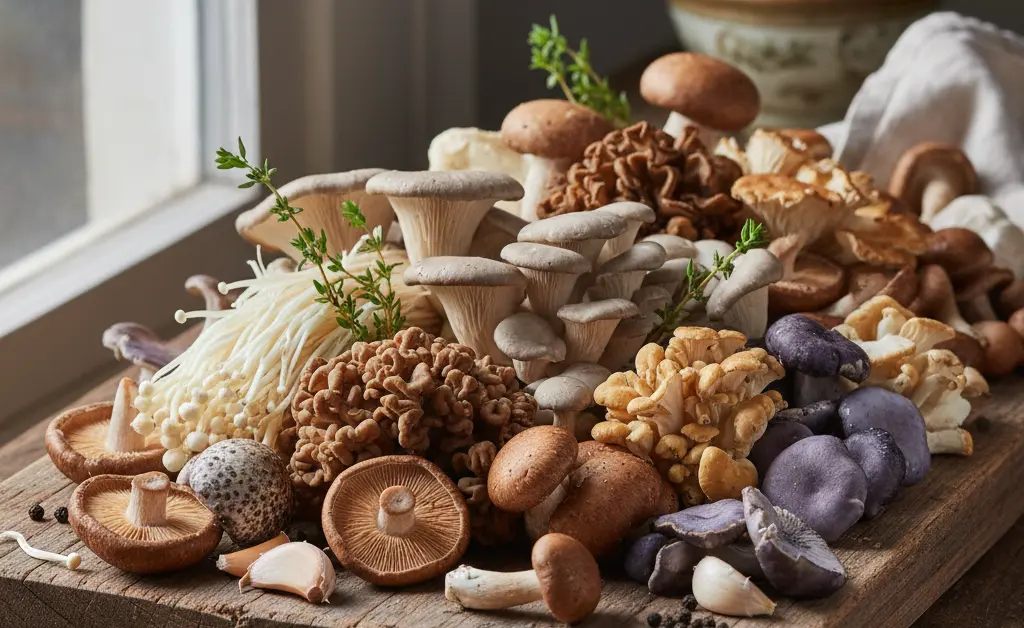
Many people mistakenly believe that the world of edible mushrooms is limited to a handful of common varieties found in grocery stores, often overlooking the vast and intricate spectrum of flavors, textures, and aromas available. This narrow perspective misses out on the rich culinary experiences that fungi can offer. Far from being a simple, uniform ingredient, each mushroom species brings its own unique character to a dish, transforming meals with earthy, umami, nutty, or even subtly sweet notes. Understanding these distinctions is key to elevating your cooking. This guide challenges that common misconception by presenting a detailed culinary mushrooms list, inviting you to explore the diverse and delicious possibilities these natural treasures provide.
Common Culinary Mushroom Varieties
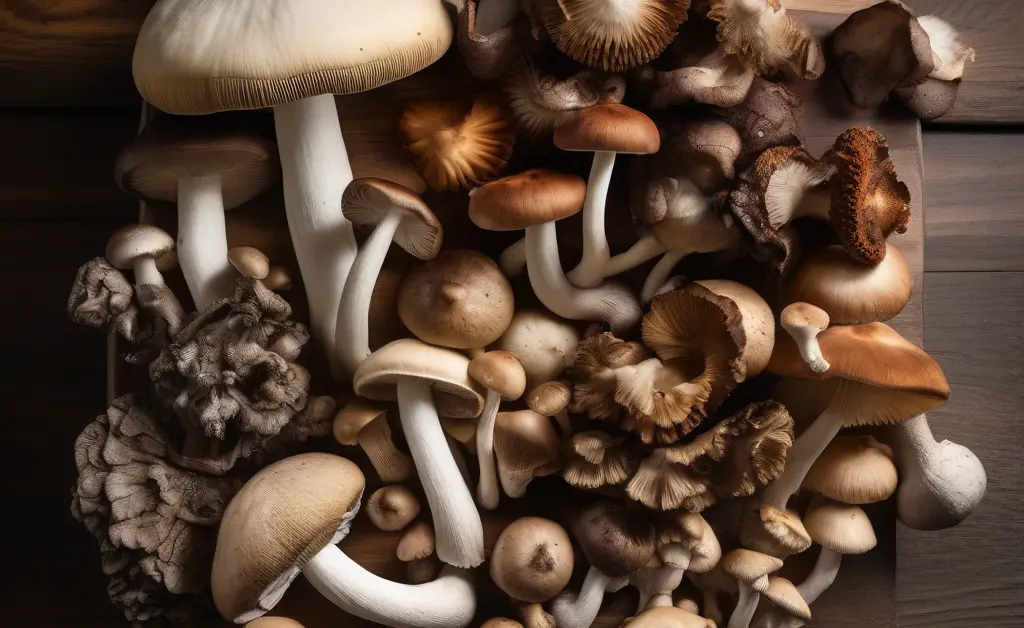
Exploring a diverse culinary mushrooms list reveals a spectrum of flavors, textures, and aromas that can transform any dish. From the familiar to the exotic, each variety offers a unique contribution to the culinary landscape. Understanding the characteristics of these commonly cultivated mushroom species is the first step in broadening your gastronomic horizons and incorporating more umami-rich ingredients into your cooking. For a deeper dive into different mushroom types, explore popular culinary mushrooms.
Button Mushrooms (White Mushrooms)
Button mushrooms, also widely known as white mushrooms, are perhaps the most popular and recognizable variety globally. They have a mild, earthy flavor and a firm texture that softens beautifully when cooked. Their versatility makes them suitable for a vast array of dishes, from sautéing as a simple side to incorporating into sauces, soups, and salads. They are an excellent entry point for those new to cooking with fungi due to their approachable flavor profile and widespread availability.
Cremini Mushrooms (Baby Bella)
Cremini mushrooms, often marketed as “baby bella” mushrooms, are essentially young portobello mushrooms. They possess a slightly darker cap and a firmer texture than their button mushroom counterparts, along with a more pronounced earthy flavor. This makes them a favored choice for dishes where a richer mushroom taste is desired, such as stews, gravies, and roasted vegetable medleys. They hold up well to cooking and contribute a satisfying depth to many recipes.
Portobello Mushrooms
Portobello mushrooms are mature cremini mushrooms that have been allowed to grow to a larger size, often with caps several inches in diameter. Their large, flat caps and dense, meaty texture make them an excellent vegetarian substitute for meat in dishes like grilled burgers or steaks. They boast an intense, earthy, and savory flavor that becomes even more concentrated when cooked, especially when roasted or grilled. Their substantial nature makes them a star ingredient in many culinary applications.
Shiitake Mushrooms
Native to East Asia, shiitake mushrooms are celebrated for their distinctive savory, umami flavor and meaty texture. When dried, their flavor intensifies, making them a popular ingredient in Asian cuisine, particularly in stir-fries, soups, and broths. Fresh shiitakes are equally delicious, offering a rich, woody aroma that complements a variety of dishes. The stems are typically tough and often removed before cooking, though they can be used to flavor stocks.
Oyster Mushrooms
Oyster mushrooms are characterized by their delicate, fan-shaped caps and varying colors, ranging from pearl gray to golden and pink. They have a subtle, slightly sweet, and anise-like flavor, along with a tender, velvety texture when cooked. These mushrooms are highly versatile and are often found in stir-fries, sautés, and as a topping for pizzas or omelets. Their mild flavor profile allows them to absorb other flavors beautifully, making them a chef’s favorite. You can find more about their culinary uses at 15 types of mushrooms and how to cook with them.
Maitake Mushrooms (Hen of the Woods)
Maitake mushrooms, commonly known as “Hen of the Woods” due to their ruffled, feathery appearance resembling a hen’s tail feathers, grow in beautiful clusters. They have a rich, earthy, and somewhat peppery flavor with a semi-firm, chewy texture. Maitake mushrooms are excellent when roasted, sautéed, or incorporated into soups and stews, where their robust flavor can shine. They are a prized gourmet mushroom for their distinct taste and appealing texture.
Enoki Mushrooms
Enoki mushrooms are easily recognizable by their long, slender stems and tiny, button-like caps. They typically grow in dense clusters and have a delicate, slightly fruity flavor with a satisfyingly crisp texture. Enoki are often used in Asian cuisine, especially in hot pots, soups, salads, and stir-fries, where they add an elegant touch and a mild, fresh taste. They are best added towards the end of cooking to preserve their unique texture.
Morel Mushrooms
Morel mushrooms are among the most sought-after wild edible fungi, recognized by their distinctive honeycomb-like cap. They possess a unique, nutty, and earthy flavor that is highly prized by chefs and home cooks alike. Morels are typically enjoyed simply sautéed with butter and herbs or incorporated into cream sauces, where their complex flavor can truly stand out. Their elusive nature and exquisite taste make them a seasonal delicacy.
Chanterelle Mushrooms
Chanterelle mushrooms are known for their golden, trumpet-like appearance and delicate, fruity aroma, often described as apricot-like. They offer a slightly peppery taste and a chewy, somewhat firm texture that holds up well during cooking. These highly aromatic mushrooms are excellent in risottos, pasta dishes, and creamy sauces, where their distinct flavor can be a focal point. Like morels, they are a prized wild mushroom.
Lion’s Mane Mushrooms
Lion’s Mane mushrooms are visually striking, resembling a shaggy white pom-pom or a lion’s mane, hence their name. They are celebrated not only for their unique appearance but also for their texture, which is often compared to crab or lobster meat, and a mild, slightly sweet, and savory flavor. They can be sliced into “steaks” and pan-fried, sautéed, or incorporated into seafood-inspired dishes, offering a truly unique culinary experience.
King Oyster Mushrooms
King Oyster mushrooms, also known as King Trumpet mushrooms, are distinguished by their thick, meaty stems and relatively small caps. The entire mushroom is edible and prized for its firm, chewy texture and rich umami flavor, which is enhanced when cooked. They are incredibly versatile and can be sliced into rounds resembling scallops, shredded to mimic pulled pork, or simply sautéed, roasted, or grilled, making them a favorite among plant-based enthusiasts.
Beech Mushrooms
Beech mushrooms, available in both brown and white varieties, grow in attractive clusters. They have small, firm caps and slender stems, offering a mild, slightly nutty, and sweet flavor with a crisp texture that remains even after cooking. They are a wonderful addition to stir-fries, soups, and sautéed dishes, where their pleasant texture and delicate taste complement other ingredients without overpowering them.
Nameko Mushrooms
Nameko mushrooms are characterized by their small, amber-colored caps that often have a distinct natural gelatinous coating, contributing a unique texture to dishes. They offer an earthy, slightly nutty flavor. Widely used in Japanese cuisine, especially in miso soup, Nameko mushrooms add both flavor and a pleasant slippery mouthfeel. They also work well in stir-fries and noodle dishes. Learn more about edible jelly mushrooms to discover their unique properties.
Black Trumpet Mushrooms
Black Trumpet mushrooms, sometimes called “Horn of Plenty,” are known for their dark, trumpet-shaped appearance and delicate, smoky, and intensely earthy flavor. They have a slightly chewy but tender texture when cooked. These highly aromatic mushrooms are often used to deepen the flavor of sauces, soups, and risottos, or simply sautéed to highlight their unique characteristics. Their flavor is concentrated and provides a luxurious depth to dishes.
Pioppino Mushrooms
Pioppino mushrooms, also known as “Black Poplar” mushrooms, feature long, slender stems and small to medium-sized brown caps. They have a delightful nutty, slightly peppery flavor and a firm, somewhat crunchy texture that holds up well during cooking. Pioppinos are excellent sautéed, roasted, or added to pasta dishes, risottos, and stir-fries, offering a distinct and savory contribution.
White Beech Mushrooms
White Beech mushrooms are the pale counterpart to the brown beech variety, sharing many of its desirable culinary attributes. They grow in tight clusters, have firm, crisp textures, and a delicate, nutty flavor that is slightly sweeter than their brown relatives. These mushrooms maintain their pleasant crunchiness when cooked, making them ideal for adding texture to stir-fries, salads, and light sautés.
Mushroom Names A-Z
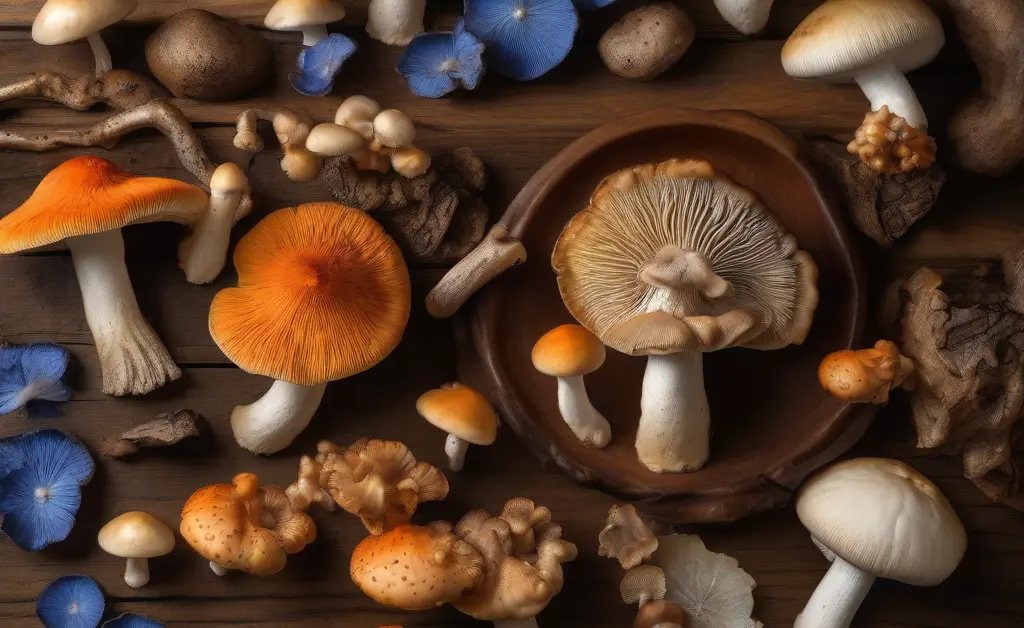
Beyond the commonly found varieties, an extensive culinary mushrooms list spans many regions and culinary traditions, offering an incredible diversity of options for the adventurous cook. While the prior sections detailed some of the most popular and accessible options, the world of fungi extends much further. From lesser-known wild edibles to specialized cultivated species, exploring mushroom names from A-Z can unveil surprising flavors and textures that can elevate your cooking. This includes varieties like the robust Agarikon, the flavorful Bluets, or the unique Chicken of the Woods, each contributing its own distinct character to the culinary landscape. Discovering the full range of culinary mushrooms can inspire new culinary adventures.
The vast world of culinary mushrooms offers an endless array of possibilities for culinary exploration. From the mild and versatile button mushroom to the earthy and esteemed morel, each variety presents a unique flavor profile and texture that can elevate simple meals into gourmet experiences. Experimenting with different types of mushrooms can unlock new dimensions of taste in your cooking, encouraging creativity and a deeper appreciation for these fascinating fungi. Embrace the diversity, and let a comprehensive culinary mushrooms list guide you to your next favorite ingredient.
This information should be viewed as educational rather than medical advice. The content provided is for general informational purposes only and is not intended to be a substitute for professional medical advice, diagnosis, or treatment. Always seek the advice of your physician or other qualified health provider with any questions you may have regarding a medical condition. Never disregard professional medical advice or delay in seeking it because of something you have read here. For reliable health information, you can consult resources like the NIH.
FAQ
What are the most common types of culinary mushrooms?
Commonly found culinary mushrooms include button, cremini, portobello, shiitake, and oyster varieties. Each offers a unique texture and flavor profile, from the mildness of button mushrooms to the savory depth of shiitakes. Expanding your culinary mushrooms list can introduce a world of delicious possibilities in your kitchen.
How do I choose the right mushroom for a recipe?
Consider the desired texture and flavor when selecting mushrooms for your recipe. Firmer mushrooms like shiitakes and portobellos hold up well in robust dishes, while delicate oyster mushrooms complement lighter preparations. Matching the mushroom’s characteristics to the cooking method and other ingredients ensures the best culinary outcome.
What are the best ways to cook different mushroom varieties?
Many mushroom varieties benefit from high-heat cooking methods like sautéing or roasting, which helps to evaporate excess moisture and concentrate their flavor. Shiitake mushrooms are excellent when pan-fried until crispy, while oyster mushrooms are delightful when added to stir-fries or soups towards the end of cooking. Their versatile nature allows for a wide range of preparation techniques.
What is the difference between button and cremini mushrooms?
Button mushrooms are the youngest stage of the *Agaricus bisporus* species, offering a mild flavor and tender texture. Cremini mushrooms are a slightly more mature version, developing a deeper, earthier taste and firmer flesh. Both are related and can often be used interchangeably, though creminis bring a richer taste to dishes.