
Do Mushroom Drinks Actually Work? Here’s the Evidence.

In an increasingly complex world, many of us seek natural, straightforward ways to enhance our well-being and maintain vitality. The rising popularity of mushroom drinks, infused with various fungi like Reishi, Lion’s Mane, and Chaga, has sparked significant interest, promising everything from improved focus to enhanced immunity. It’s natural to feel a sense of curiosity and hope when encountering these wellness trends, wondering if they can truly simplify our path to better health. However, a crucial question remains for those considering incorporating these beverages into their routine: do mushroom drinks work as effectively as claimed? This article delves into the science behind these popular concoctions, exploring their mechanisms and efficacy to provide clear, evidence-based answers.
How Do Mushroom Drinks Work?
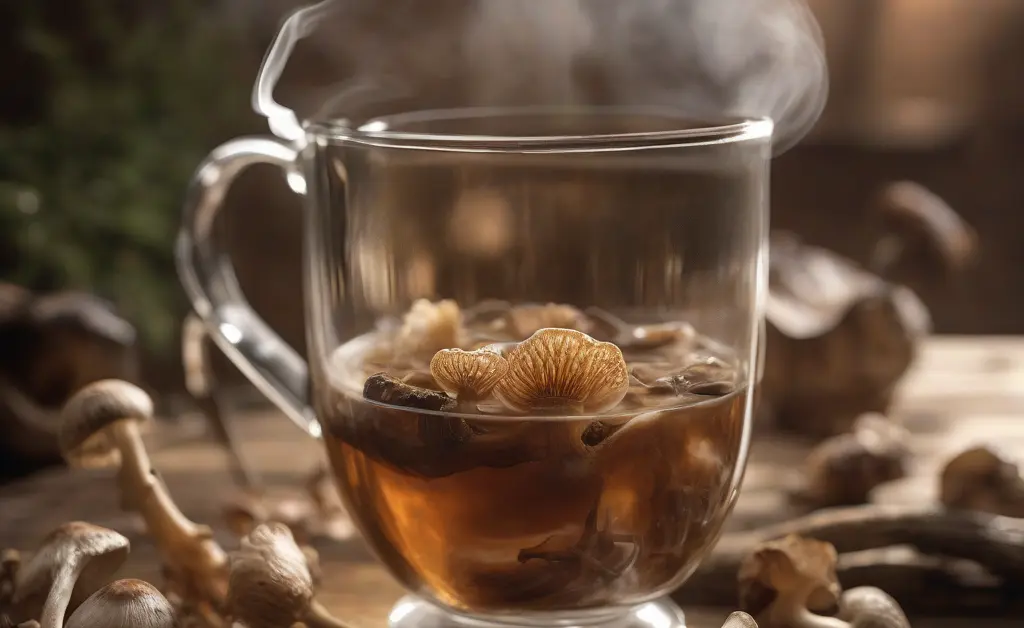
Mushroom drinks, often presented as coffees, teas, or elixirs, harness the potential properties of various functional mushrooms. These beverages aim to deliver the beneficial compounds found in mushrooms in a convenient and palatable form. The general idea behind their function revolves around the diverse array of bioactive components present in these fungi, which are believed to interact with the body’s systems to support overall health and well-being. Understanding these underlying processes is key to evaluating their potential benefits.
Mechanism of Action
The efficacy of mushroom drinks largely stems from their unique biochemical makeup. Functional mushrooms are rich in various bioactive compounds, including polysaccharides (notably beta-glucans), triterpenes, antioxidants, and ergosterols. These compounds are thought to engage with the body’s physiological pathways in several ways. For instance, beta-glucans are complex carbohydrates that may interact with immune cells, potentially influencing the immune response. Triterpenes, on the other hand, are compounds that may have adaptogenic properties, helping the body respond to various stressors. The synergistic action of these components is believed to contribute to the overall effects attributed to mushroom drinks, affecting processes from cellular protection to stress modulation.
Cognitive Enhancement
Certain functional mushrooms are studied for their potential to support cognitive function. Lion’s Mane mushroom, for example, is particularly noted in this area. It contains compounds like hericenones and erinacines, which are explored for their potential to support nerve growth factors. These factors are crucial for the health and growth of neurons, potentially influencing brain plasticity and cognitive processes. Users often seek out these drinks with the hope of improving focus, memory, and mental clarity. Therefore, when people ask, “do mushroom drinks work for cognitive enhancement?” much of the interest is driven by research into specific compounds within mushrooms like Lion’s Mane and their potential impact on brain health.
Stress Reduction and Mood Support
Adaptogenic mushrooms are a cornerstone of many mushroom drinks aimed at stress reduction and mood support. Reishi is perhaps the most well-known adaptogen in this category, traditionally used to promote a sense of calm and balance. Adaptogens are substances believed to help the body adapt to various forms of stress, whether physical, emotional, or environmental. They may do this by helping to modulate the body’s stress response system. While not a cure for stress or mood disorders, the compounds in these mushrooms are studied for their potential to foster relaxation and support emotional well-being, contributing to a more balanced state of mind.
Immune System Support
Many mushroom drinks are formulated with mushrooms renowned for their potential immune-supportive properties. Chaga, Turkey Tail, and Reishi are often included for this reason. These mushrooms contain polysaccharides, especially beta-glucans, which are believed to interact with the immune system. Beta-glucans are studied for their immunomodulating effects, meaning they may help to balance and optimize immune responses. Scientific studies on these compounds are often cataloged by the National Library of Medicine. Incorporating these mushrooms into daily routines via beverages is a popular approach for individuals looking to support their body’s natural defenses. The question of “do mushroom drinks work for immune support?” is frequently explored by those interested in natural approaches to wellness.
Energy and Stamina
For those seeking a natural boost in energy and stamina, Cordyceps mushroom is frequently featured in mushroom drinks. Traditionally, Cordyceps has been used to address fatigue and enhance endurance. Research has explored its potential to support cellular energy production, possibly by influencing ATP (adenosine triphosphate) levels, which is the primary energy currency of cells. While the effects are generally described as a sustained and natural feeling of energy rather than a stimulant-induced rush, many individuals report a sense of improved vitality and endurance. When people consider “do mushroom drinks work for energy and stamina?”, Cordyceps-based formulations are often a key focus of their inquiry.
In conclusion, the growing interest in mushroom drinks is underpinned by a rich tradition of use and emerging scientific research exploring the diverse potential benefits of functional mushrooms. While individual responses may vary, the bioactive compounds within these fungi offer fascinating pathways to potentially support cognitive function, manage stress, bolster the immune system, and enhance energy levels. As with any wellness trend, understanding the specific ingredients and their studied effects is crucial for informed choices, ensuring that these beverages align with individual health goals.
This article is meant for general informational use and awareness. It is not intended to provide medical advice, diagnosis, or treatment. Always consult with a qualified healthcare professional before making any decisions about your health, diet, or treatment plans, especially if you have existing health conditions or are taking medications.
FAQ
Can mushroom drinks make you feel energized?
Certain functional mushrooms, like Lion’s Mane and Cordyceps, are studied for their potential to support energy levels without the jitters associated with stimulants. They achieve this by influencing pathways related to cellular energy production and stress response. This can contribute to a feeling of sustained vitality.
Do mushroom drinks give you a buzz?
Mushroom drinks typically do not produce a “buzz” in the way that caffeinated beverages or alcoholic drinks do. The compounds found in functional mushrooms generally support balance and well-being rather than causing acute stimulation or intoxication. The experience is often described as a subtle shift in focus or mood.
How long do mushroom drinks take to work?
The onset of effects from mushroom drinks can vary widely depending on the individual and the specific ingredients used. Some people may notice subtle changes within an hour or two, while for others, the benefits become more apparent with consistent daily use over several weeks. This variability is influenced by factors like metabolism and the concentration of active compounds.