
Understanding Mushroom Drinks for Health and Wellness

Incorporating specific functional fungi into your daily routine can provide a straightforward method for supporting overall well-being and enhancing the body’s natural resilience to various daily stressors. As global interest in holistic and preventive health solutions continues to expand, many individuals are turning their attention to the distinct advantages offered by beneficial mushrooms. This comprehensive guide explores the evolving landscape of mushroom drinks, examining their diverse compositions, potential health benefits, and the various forms in which they can be consumed. We will navigate through their adaptogenic properties, discuss practical integration into lifestyle, and offer insights for making informed choices about these increasingly popular beverages, aiming to provide a clear understanding for those seeking natural wellness support.
What are Mushroom Drinks?
Mushroom drinks are beverages that incorporate extracts or powdered forms of specific functional fungi, designed to deliver their potential health-supporting properties in an easily consumable format. These wellness beverages can range from simple infusions to complex blends, offering a convenient way to integrate the benefits of mushrooms into a daily routine. The appeal of mushroom drinks stems from the growing interest in natural health supplements and functional foods that can contribute to overall well-being.
Understanding adaptogenic mushrooms
Many of the mushrooms used in these beverages are classified as adaptogens. Adaptogenic mushrooms are a unique group of natural health supplements traditionally revered for their potential to help the body adapt to various stressors, both physical and mental. They are believed to work by modulating physiological responses, aiming to bring the body back into balance. Common examples include Reishi, Chaga, Lion’s Mane, and Cordyceps, each studied for its distinct characteristics and potential contributions to health. Lesser-known functional fungi, such as the hedgehog mushroom, are also being explored for their unique benefits.
Nutritional profile of mushroom beverages
The nutritional profile of mushroom beverages can vary significantly depending on the specific mushroom varieties used and the preparation method. Generally, functional mushrooms are rich in beneficial compounds such as polysaccharides (including beta-glucans), triterpenes, antioxidants, and various vitamins and minerals. These components are thought to contribute to the mushrooms’ potential to support different bodily systems, making them valuable additions to wellness-focused diets.
Potential effects of functional mushrooms
Functional mushrooms, often the core ingredient in mushroom drinks, are widely studied for their potential to support various aspects of health. While research is ongoing, these botanical extracts are explored for their associations with immune system modulation, cognitive health, and stress management. The diverse array of bioactive compounds found within these fungi is believed to contribute to these wide-ranging potential effects. For further information on health and ongoing scientific investigations, resources such as the National Institutes of Health provide comprehensive data.
Benefits of Mushroom Drinks
The growing popularity of mushroom drinks is closely tied to their perceived benefits for enhancing overall well-being. These wellness beverages often feature adaptogenic herbs and functional mushrooms renowned for their potential to support various bodily functions, contributing to a holistic approach to health.
Cognitive support from mushroom drinks
Certain mushroom varieties, particularly Lion’s Mane, are widely recognized for their potential role in supporting cognitive function. Studies have explored how compounds within these mushrooms may contribute to mental clarity, focus, and overall brain health. Incorporating mushroom drinks containing such fungi may be a strategy for those looking to support their cognitive vitality as part of a balanced lifestyle.
Immune system considerations
Many functional mushrooms, such as Reishi, Chaga, and Turkey Tail, contain polysaccharides and beta-glucans that are extensively studied for their potential to support the immune system. These compounds are believed to interact with immune cells, potentially helping the body maintain its natural defenses. Regular consumption of mushroom beverages may therefore be considered by individuals seeking to bolster their immune resilience.
Stress reduction with mushroom beverages
One of the hallmark properties of adaptogenic mushrooms is their potential to assist the body in managing stress. Fungi like Reishi and Cordyceps are traditionally used for their calming or balancing properties. Enjoying mushroom beverages infused with these adaptogens may help individuals navigate daily stressors more effectively, promoting a sense of calm and overall well-being.
Types of Mushroom Drinks

The market for mushroom drinks has expanded significantly, offering a diverse array of options to suit different preferences and needs. These range from traditional preparations to modern, convenient formats, all aimed at delivering the benefits of functional mushrooms. Globally, regions like Bali are also seeing a rise in specialized mushroom drinks Bali, reflecting local traditions and unique ingredients.
Different mushroom varieties used
A wide variety of functional mushrooms are utilized in these beverages. Reishi is often chosen for its traditional association with relaxation and immune support. Chaga, known for its antioxidant properties, is a common ingredient in many wellness blends, often featured in dedicated Chaga mushroom drinks. Lion’s Mane is popular for its potential cognitive benefits, while Cordyceps is frequently included for its traditional use in supporting energy and vitality. Turkey Tail is another well-regarded mushroom, often studied for its immune-modulating compounds.
Mushroom coffee blends
Mushroom coffee blends have become a popular way to incorporate functional fungi into a morning ritual. These blends typically combine instant or ground coffee with extracts of mushrooms like Chaga, Lion’s Mane, or Cordyceps. The aim is often to provide the invigorating experience of coffee while potentially mitigating some of the typical caffeine-related jitters, alongside offering the benefits of the added mushrooms.
Mushroom tea infusions
Mushroom tea infusions offer a caffeine-free or lower-caffeine alternative to coffee. These can be made by steeping dried mushroom pieces, mushroom powder, or concentrated mushroom extracts in hot water. Common mushroom tea infusions feature Reishi, Chaga, or a blend of several functional mushrooms, often enjoyed for their soothing qualities or as a comforting part of a wellness routine.
Mushroom elixirs and shots
For those seeking convenience and concentrated benefits, mushroom elixirs and shots provide a potent delivery method. These are typically small, liquid formulations containing high concentrations of mushroom extracts, sometimes combined with other adaptogenic herbs or botanical extracts. Mushroom elixirs and shots are designed for quick consumption, offering a swift way to integrate functional mushrooms into a busy lifestyle.
How to Make Mushroom Drinks
Creating your own mushroom drinks at home can be a rewarding way to customize flavors and control ingredients. While specific instructions for numerical values like dosage or frequency are not provided here, general guidance on preparation methods is useful for those interested in DIY wellness beverages.
Common mushroom drink preparations
Common preparations often involve starting with mushroom powders or liquid extracts, which are easily dissolvable in hot or cold liquids. Dried slices of certain mushrooms, like Chaga or Reishi, can also be simmered to create a potent base for teas or broths. The key is often to ensure proper extraction of the beneficial compounds, which typically involves heat and time.
DIY mushroom drink recipes
For DIY mushroom drink recipes, imagination is the limit. A simple recipe might involve blending a teaspoon of a preferred mushroom powder into a morning smoothie or mixing it into a warm plant-based milk for a comforting latte. Infusions can be created by steeping mushroom tea bags or a spoonful of mushroom extract in hot water, potentially with other herbal infusions for added flavor and benefit.
Incorporating mushroom extracts
Mushroom extracts, whether in liquid or powdered form, offer a convenient way to integrate functional mushrooms into almost any beverage. Liquid extracts can be easily stirred into coffee, tea, juice, or even plain water. Powdered extracts can be blended into smoothies, shakes, or warm drinks, dissolving readily to distribute their beneficial compounds throughout the beverage.
Sweeteners and flavorings for mushroom drinks
To enhance the palatability of mushroom drinks, various natural sweeteners and flavorings can be incorporated. Honey, maple syrup, or stevia can be used to add a touch of sweetness without processed sugars. Spices like cinnamon, ginger, or turmeric can introduce warmth and additional aromatic qualities. A splash of plant-based milk, such as almond, oat, or coconut milk, can also add creaminess and flavor, transforming a simple mushroom infusion into a more indulgent experience. For those exploring unique culinary dimensions, the distinct flavor profile of a porcini mushroom can also be considered in gourmet mushroom beverages.
Choosing the Right Mushroom Drink
When exploring the world of mushroom drinks, making an informed choice is crucial to ensure you select products that align with your wellness goals and quality expectations. Factors such as the type of mushroom, source, and preparation method all play a role in the effectiveness and appeal of the final product.
Selecting mushroom powders
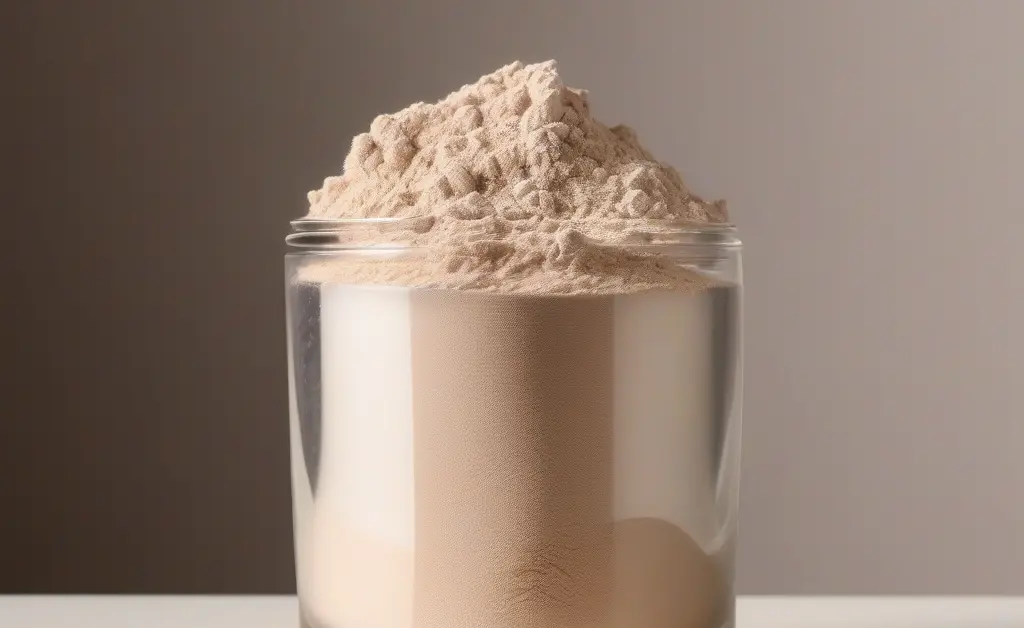
Selecting high-quality mushroom powders is fundamental to creating effective mushroom drinks. Look for powders made from fruiting bodies rather than mycelium, as fruiting bodies are generally richer in the beneficial compounds like beta-glucans. Consider products that specify their extraction method, as this can impact the bioavailability of these compounds. Third-party testing for purity and potency can also provide assurance of quality and ensure the absence of contaminants. Reputable brands often provide transparency regarding their sourcing and processing, which helps in making a well-informed decision. It’s also prudent to be aware of potential mushroom drink side effects, especially when trying new products or varieties.
Mushroom Drinks for Wellness
Mushroom drinks represent a fascinating intersection of ancient wisdom and modern convenience, offering a palatable way to integrate the potential benefits of functional fungi into contemporary lifestyles. As part of a holistic wellness approach, these beverages are increasingly recognized for their diverse contributions to supporting the body’s natural resilience. By understanding the different varieties, their potential applications, and how to choose quality products, individuals can confidently explore the world of mushroom drinks to support their personal wellness journey.
This content is for informational use and should not be considered medical instruction. It is not intended to provide medical advice, diagnosis, or treatment. Always consult with a qualified healthcare professional before making any decisions about your health, diet, or treatment plans, especially if you have existing health conditions or are taking medication.
FAQ
What are the main ingredients in mushroom drinks?
Mushroom drinks typically contain extracts from various medicinal mushrooms like Lion’s Mane, Reishi, Cordyceps, or Chaga, combined with water or other liquids. Additional ingredients can include sweeteners, spices, or other functional ingredients to enhance flavor and health properties. The specific composition varies greatly between different brands and formulations.
Are mushroom drinks safe for daily consumption?
For most individuals, daily consumption of mushroom drinks is considered safe when formulated with appropriate mushroom extracts. However, it’s always recommended to start with a smaller serving size to gauge individual tolerance. Consulting with a healthcare provider is advisable if you have pre-existing health conditions or are taking medications.
Can mushroom drinks replace my regular coffee or tea?
Mushroom drinks can offer an alternative to coffee or tea, providing a different set of functional benefits and a unique flavor profile. Many people use them as a morning beverage or an afternoon pick-me-up. Whether they can fully replace your usual beverage depends on your personal preferences for taste, caffeine content, and desired effects.
What health benefits are associated with mushroom drinks?
Certain mushrooms are known for their potential to support cognitive function, promote relaxation, and enhance immune system activity. Compounds found in these mushrooms are studied for their roles in stress management and overall vitality. The specific benefits are linked to the unique blend of bioactive compounds present in each type of mushroom used.
How do mushroom drinks taste?
The taste of mushroom drinks can range from earthy and robust to subtly sweet and savory, depending on the types of mushrooms and other ingredients used. Some formulations aim to mimic traditional beverages like coffee or hot chocolate, while others have a distinct, natural mushroom flavor. Many find the taste to be an acquired preference that grows with regular enjoyment.