
Identifying the Drinking Milk Cap Mushroom
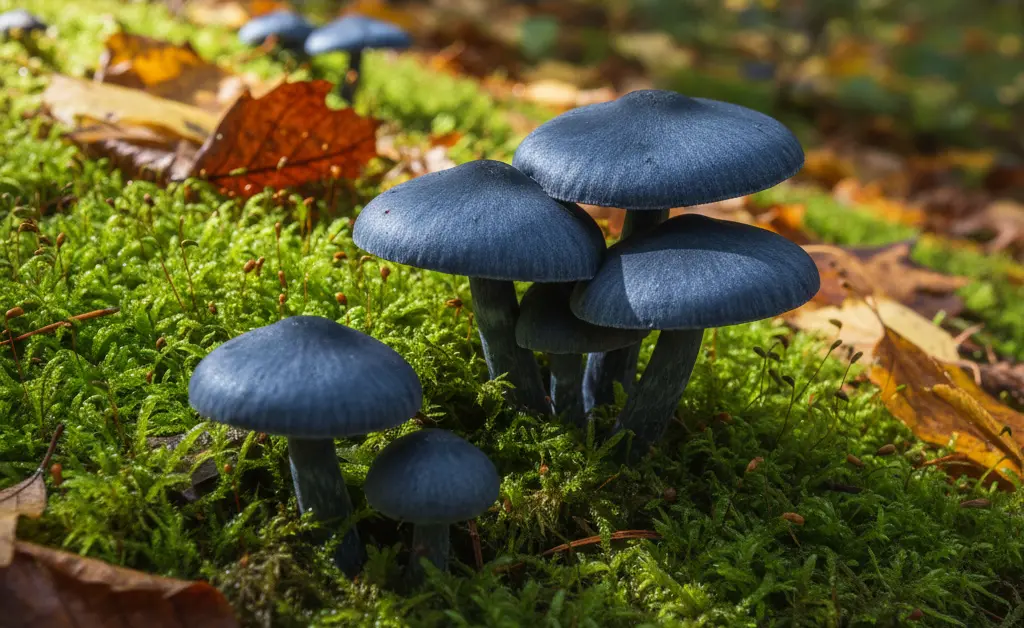
Imagine wandering through a sun-dappled forest, a sense of quiet wonder filling your exploration, when suddenly, a splash of unexpected blue catches your eye. This vibrant discovery often sparks a profound curiosity about nature’s hidden gems and their secrets. Among these fascinating finds is a mushroom that stands out not just for its striking coloration, but also for the intriguing ‘milk’ it exudes when cut. Understanding such unique species can deepen our connection to the natural world and enhance our foraging knowledge. This guide will delve into the remarkable characteristics and identification of the drinking milk cap mushroom, helping enthusiasts confidently distinguish this intriguing fungi from others in its habitat.
What is the Drinking Milk Cap Mushroom?
The drinking milk cap mushroom, scientifically known as Lactarius indigo, is a striking and distinctive species that captivates with its remarkable blue coloration. It belongs to the Russulaceae family, a group of fungi known for their brittle gills and the production of “milk” or latex when cut or bruised. This particular species is renowned for its vibrant, indigo-blue hue, which is present not only on its cap but also throughout its gills and stem, and most notably, in the latex it secretes. This unique feature sets it apart from many other fungi, making it a memorable find for foragers and nature enthusiasts. Its common name, “drinking milk cap,” directly refers to this milky exudate, which is also blue, reinforcing its unusual visual appeal and aiding in its identification.
Is the Drinking Milk Cap Mushroom Real or Fake?
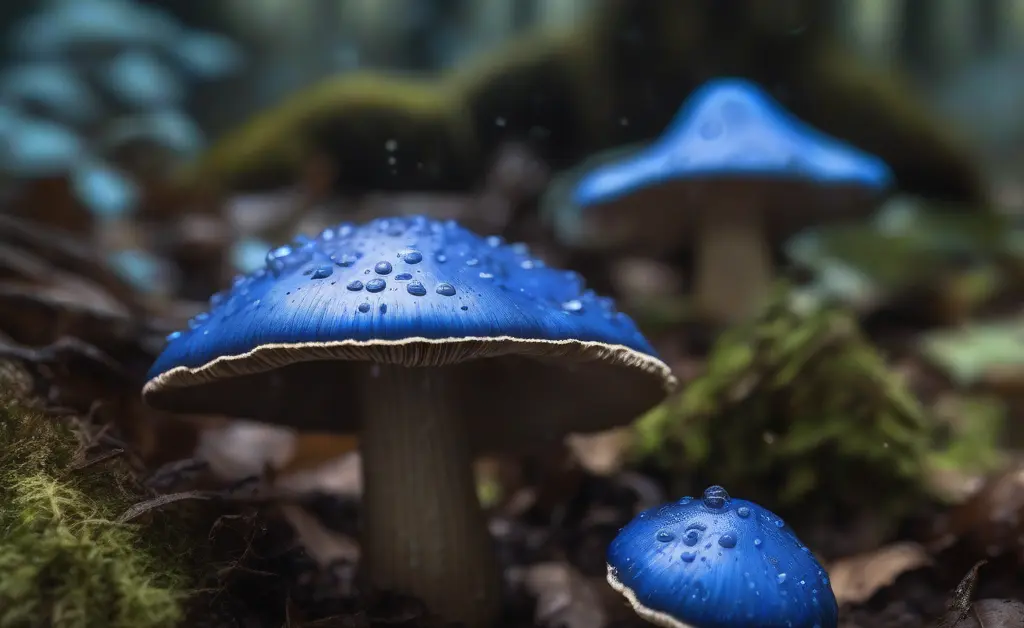
Despite its almost fantastical appearance, the drinking milk cap mushroom is unequivocally real. The vibrant blue color and the distinctive blue “milk” it exudes can sometimes lead people to question its authenticity, especially when encountered in photographs or online content. The viral nature of some mushroom discoveries and the spread of misinformation have contributed to an occasional perception that such an unusually colored fungus might be a hoax or an artificially altered image. However, mycological evidence, extensive documentation, and countless observations by foragers and scientists confirm its genuine existence. The mushroom, Lactarius indigo, has been formally classified and studied for centuries, with its unique properties well-documented in scientific literature and field guides. Its striking appearance is entirely natural, a testament to the diverse and often surprising wonders of the fungal kingdom.
Characteristics of Lactarius indigo
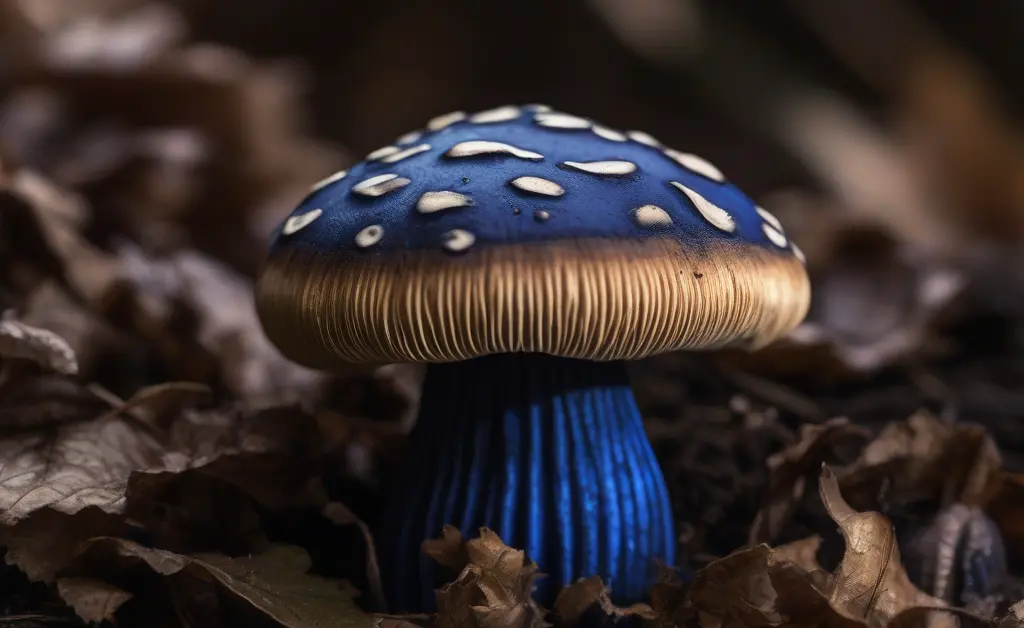
Understanding the specific characteristics of Lactarius indigo is crucial for accurate identification. This mushroom possesses several key features that, when observed together, leave little doubt about its identity. Its overall structure and unique secretions are pivotal in distinguishing it from other fungi.
Cap Appearance
The cap of Lactarius indigo typically ranges from 5 to 15 centimeters in diameter, though larger specimens are not uncommon. Its most defining characteristic is its rich indigo to grayish-blue color, which can vary in intensity depending on age and moisture levels. Young caps are often convex, flattening out with age, sometimes developing a central depression. The surface can be sticky or slimy when moist but becomes dry and often scaly or pitted with age. Concentric zones of lighter and darker blue may sometimes be visible, adding to its distinctive look.
Gills and Stem
Beneath the cap, the gills of Lactarius indigo are typically adnate to decurrent, meaning they are broadly attached to the stem or run slightly down it. They maintain the same indigo-blue coloration as the cap, sometimes appearing slightly paler. When bruised or cut, the gills will also exude the characteristic blue latex. The stem, or stipe, usually measures between 2 and 8 centimeters in length and 1 to 2.5 centimeters in thickness. It is often tapered towards the base, solid when young, and may become hollow with age. The stem’s color matches that of the cap and gills, presenting a consistent blue appearance throughout the mushroom.
Latex Color and Properties
Perhaps the most definitive feature for the drinking milk cap mushroom is its latex. When any part of the mushroom, particularly the gills or cap, is cut or damaged, it exudes a distinctive, bright indigo-blue liquid. This “milk” is unique to Lactarius indigo and provides an immediate and unmistakable identification marker. The latex initially appears deep blue but may slowly change to greenish upon exposure to air. This color change, though subtle, further confirms its identity. The latex is not just a visual cue; it is also reported to have a mild, slightly acrid taste.
Key Identification Features
For reliable drinking milk cap mushroom identification, several features must be considered collectively. The most prominent is the overall indigo-blue coloration of the entire fruiting body, including the cap, gills, and stem. Secondly, the exudation of bright blue latex upon injury is a critical and unique diagnostic. Additionally, the presence of concentric zones on the cap, though not always apparent, can be a helpful indicator. Its typical growth habit, often found scattered or in groups on the ground, and its association with certain tree species (mycorrhizal relationship) also contribute to identification. Always look for these combined traits to confidently identify the drinking milk cap mushroom.
Where to Find Drinking Milk Cap Mushrooms
The drinking milk cap mushroom thrives in specific environmental conditions, making its location somewhat predictable for informed foragers. Its geographic distribution is primarily across eastern North America, Mexico, and Central America, but it also has closely related species found in parts of Asia. These mushrooms typically form mycorrhizal relationships with various hardwood and conifer trees, meaning they have a symbiotic association with tree roots. Common host trees include oaks, pines, and other deciduous or coniferous species. They are frequently found growing on the ground in mixed woodlands and forests. Optimal habitat preferences include moist, well-drained soil, often among leaf litter or moss. The seasonal availability for finding the drinking milk cap mushroom generally spans from summer through fall, with peak sightings often occurring after periods of significant rainfall. Knowing these location indicators can greatly improve the chances of a successful search.
Edibility and Uses of Lactarius indigo

The edibility of Lactarius indigo is a topic of considerable interest, particularly due to its striking appearance. It is generally regarded as an edible mushroom, though opinions on its culinary quality can vary. Some describe its flavor as mild and slightly peppery, while others find it somewhat woody or earthy. Despite its vibrant blue color, the mushroom typically loses much of its blue hue during cooking, turning to a grayish color. It has been used in various culinary applications, often sautéed, fried, or incorporated into stews and stir-fries. Exploring various mushroom drinks can also be a way to enjoy fungi. Beyond its culinary notes, the drinking milk cap mushroom has also been studied for potential bioactive compounds.
While not a primary focus, its unique chemical makeup has garnered some scientific interest. As with any wild mushroom, proper identification is paramount before consumption, and it is always advised to cook wild mushrooms thoroughly. For comprehensive information on food safety regulations, one might consult the FDA.
Distinguishing Lactarius indigo from Similar Species
While Lactarius indigo is remarkably distinctive, especially with its blue latex, there are other species that might, at first glance, appear somewhat similar or belong to the same genus. Careful examination of all identification features is critical to avoid confusion with potentially non-edible or less desirable look-alikes. Understanding the subtle differences is key to accurately identifying the drinking milk cap mushroom.
Potential Look-alikes
One common group of look-alikes includes other species within the Lactarius genus, which also produce latex. However, most other Lactarius species produce white, orange, or reddish latex, not blue. For instance, Lactarius deliciosus, another well-known edible species, produces orange latex. While its cap may have greenish tones, it lacks the distinct indigo blue of Lactarius indigo. Some purple or blue-tinged mushrooms from other genera might also cause confusion, but they will not exude blue latex. The combination of overall blue coloration and, most critically, the bright indigo-blue “milk” upon cutting, remains the most reliable differentiator for the drinking milk cap mushroom, separating it from all other species.
The drinking milk cap mushroom, or Lactarius indigo, stands out as a true marvel of the fungal world. Its unmistakable indigo-blue coloration, coupled with the unique blue latex it exudes, makes it one of the most easily identifiable and visually stunning mushrooms found in North American forests. Far from being a mythical creation, it is a genuine and fascinating species, offering a unique opportunity for both aesthetic appreciation and culinary exploration. Foragers and nature enthusiasts can confidently seek out this remarkable fungus by understanding its key characteristics, preferred habitats, and growth seasons. As with all wild edibles, careful and thorough identification is essential to ensure a safe and rewarding experience.
This information should be viewed as educational rather than medical advice. It is provided for general knowledge and understanding only. Always consult with a qualified expert, such as a trained mycologist or a healthcare professional, for specific guidance on mushroom identification, edibility, or any health-related concerns. Self-medication or consumption of wild products without expert verification can be dangerous.
FAQ
Does the drinking milk cap mushroom actually bleed milk?
Yes, when cut or bruised, the drinking milk cap mushroom releases a milky latex-like substance from its gills. This distinct characteristic is how it earns its common name. The color and consistency of this exudate can vary depending on the specific species within the Lactarius genus.
Is the drinking milk cap mushroom edible?
Some species of drinking milk cap mushrooms are considered edible and are consumed in various culinary traditions around the world. However, edibility varies greatly by species, and some can be bitter or even toxic. It is crucial to correctly identify the mushroom before considering it for consumption.