
A Forager’s Guide to Edible Mushrooms in California
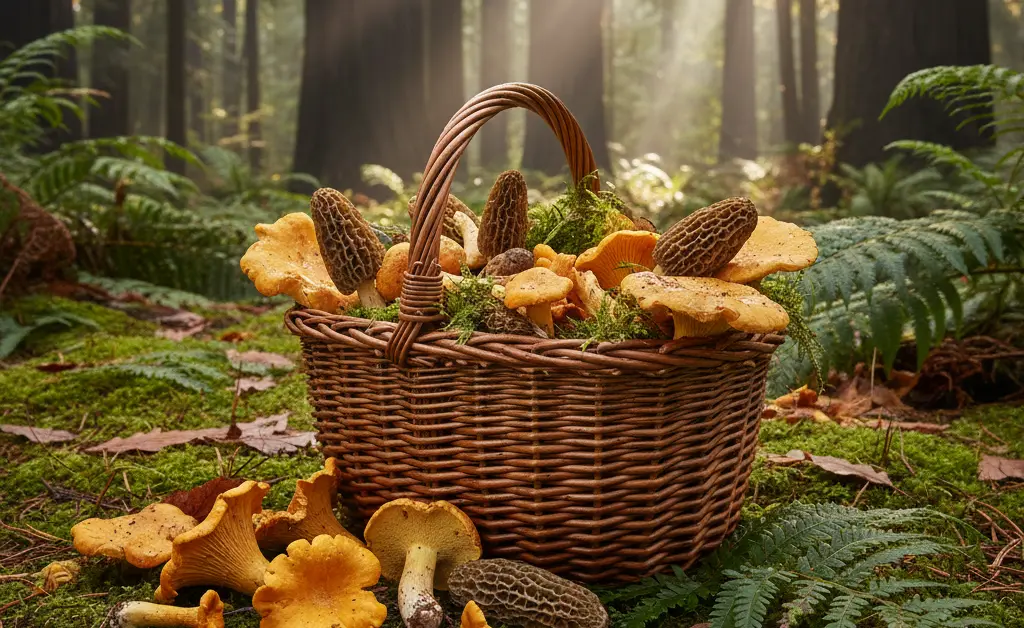
Just as exploring a new culinary landscape reveals unique flavors and ingredients, venturing into California’s diverse ecosystems uncovers a remarkable array of fungi. The state’s varied climates, from coastal forests to high Sierra elevations, create ideal conditions for numerous mushroom species to thrive. Many guides are available for edible mushrooms USA, covering the diverse fungi found across the country. Foraging for these natural treasures can be a rewarding experience, offering both the thrill of discovery and the delight of fresh, wild ingredients. However, identifying edible species requires careful attention and expert guidance to ensure safety and sustainability. This guide aims to equip enthusiasts with essential knowledge for safely locating, identifying, and enjoying edible mushrooms California has to offer, emphasizing responsible practices for preserving these natural resources.
Edible Mushrooms California Identification
The journey of identifying edible mushrooms in California is both an art and a science, demanding keen observation and a methodical approach. It is crucial to develop a foundational understanding of key identification features before attempting to forage. Learning to differentiate between species is paramount, as many edible varieties have poisonous look-alikes that can be dangerously similar in appearance. Trusting reliable field guides, attending local mycological society events, and seeking guidance from experienced foragers are excellent starting points for anyone interested in foraging for edible mushrooms California.
Edible Mushrooms California Identification
Accurate identification involves examining several aspects of a mushroom. Begin by observing the cap, noting its shape (convex, flat, umbonate), color, texture (smooth, scaly, sticky), and margin. Next, inspect the underside of the cap to determine if it has gills, pores, or teeth, paying attention to their attachment to the stem, spacing, and color. The stem (stipe) should be examined for its shape, texture, presence of a ring (annulus), and any volva at the base. Spore print color is another critical identifier, obtained by placing the cap gill-side down on paper overnight. Additionally, consider the mushroom’s smell, consistency, and how it changes color when cut or bruised. Every detail contributes to a complete identification profile, helping to distinguish a desirable edible mushroom from a toxic imposter.
Edible Mushrooms California Pictures
Visual aids play an indispensable role in learning to identify mushrooms. High-quality pictures in field guides can help illustrate the subtle differences between species, showcasing variations in color, form, and habitat. When using pictures for identification, it is important to compare your find against multiple images and descriptions. Focus on the distinct features mentioned previously, as lighting and angle can sometimes alter a mushroom’s apparent characteristics. It is also beneficial to consult guides specifically tailored to the fungi of California, as regional variations can exist. Remember, while pictures are helpful, they are best used in conjunction with detailed descriptions and, ideally, guidance from an expert.
Where to Find Edible Mushrooms in California
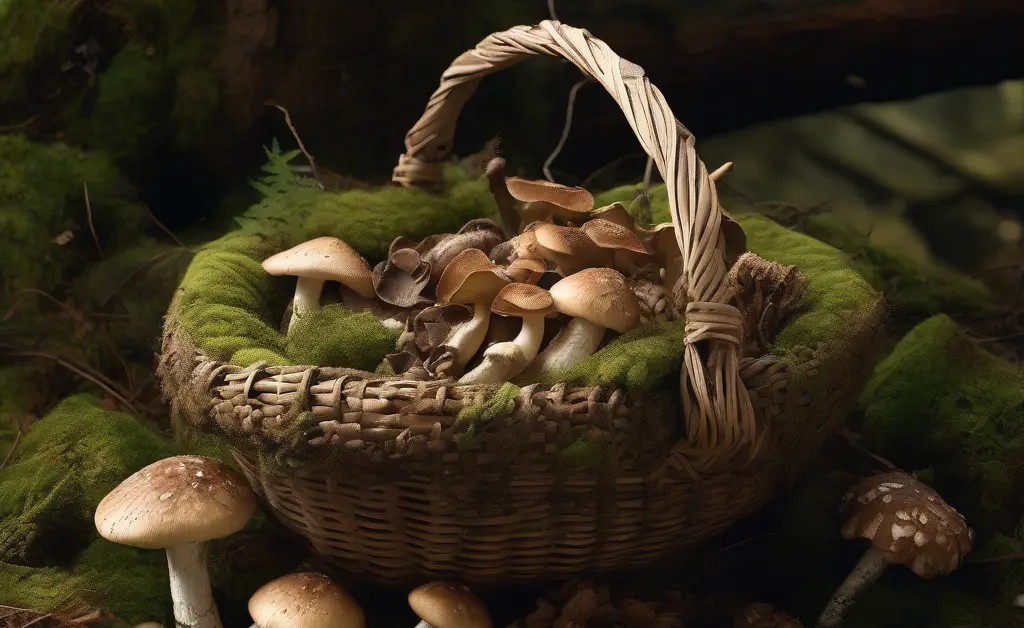
California’s vast and varied landscape offers a plethora of habitats for fungi, making the search for edible mushrooms an exciting endeavor. The best time to forage typically follows significant rainfall, usually from late fall through early spring, though some species fruit in summer. Different ecosystems will yield different types of mushrooms. For instance, edible mushrooms Massachusetts offer a different range of species due to its unique climate. Coniferous forests, especially those with Douglas fir, pine, and redwood trees, are prime locations for many sought-after species. Deciduous forests, with oak and madrone, also host a diverse fungal population. Elevation plays a role, with coastal forests often providing different species than the higher elevations of the Sierra Nevada. Similarly, those seeking edible mushrooms Colorado will find distinct varieties adapted to its mountainous terrain. Always consider the associated trees, soil type, and moisture levels, as many fungi form symbiotic relationships with specific plants.
Edible Mushrooms of Northern California
Northern California, with its extensive redwood forests, coastal fog, and ample rainfall, is particularly renowned for its rich mushroom diversity. Like Northern California, the diverse landscapes of edible mushrooms Montana also present unique foraging opportunities. Areas near the coast, extending inland into the mixed evergreen forests, are hotspots for many popular edible varieties. Regions like the Mendocino, Humboldt, and Sonoma counties, as well as the coastal areas around the San Francisco Bay, often provide fertile ground for foragers. Specific environments, such as redwood groves, coastal live oak woodlands, and riparian corridors, create microclimates conducive to fungal growth. Understanding these regional distinctions can significantly narrow down the search for edible mushrooms in Northern California.
Common Edible Mushrooms Found in California
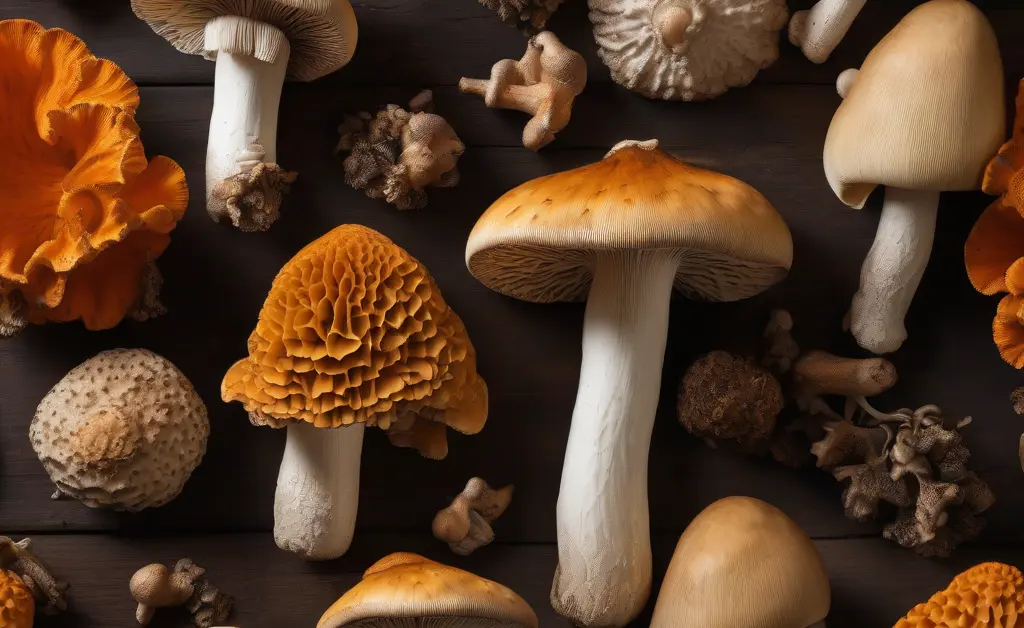
California is home to a delightful array of common edible mushrooms, each with its unique flavor and culinary appeal. Among the most prized are Morels, identifiable by their distinctive honeycomb-like caps and hollow stems; they often appear in spring, especially after forest fires or in disturbed ground. Chanterelles, known for their vibrant orange or yellow color, funnel shape, and blunt, gill-like ridges that run down the stem, are sought after in late fall and winter. Oyster Mushrooms grow in shelf-like clusters on decaying wood and are recognized by their fan-shaped caps and decurrent gills. Boletes, a large group characterized by pores instead of gills under their cap, include the highly esteemed King Bolete (Porcini), which has a robust, meaty texture. Puffballs, particularly the giant puffball, are spherical and white throughout when young and edible. While these are some of the more common edible mushrooms California offers, always exercise extreme caution and certainty in identification before consumption.
Recipes for California Edible Mushrooms
Once properly identified, edible mushrooms found in California can elevate a wide range of dishes with their earthy, umami-rich flavors. The key to preparing these wild treasures is to highlight their natural taste without overpowering it. Simple preparations often work best. Sautéing mushrooms with a touch of butter or olive oil, garlic, and fresh herbs allows their unique characteristics to shine. They can be added to risottos, pasta dishes, or omelets for a burst of flavor. Some varieties, like morels, are excellent in creamy sauces, while robust boletes can be sliced and grilled or used in stews. Delicate chanterelles are perfect for lighter dishes, such as being incorporated into a frittata or a light cream sauce for poultry. Proper cleaning and preparation are essential, often involving a gentle brush or damp cloth rather than washing, to preserve their texture and flavor. Always ensure mushrooms are thoroughly cooked before eating.
Responsible Foraging Practices in California
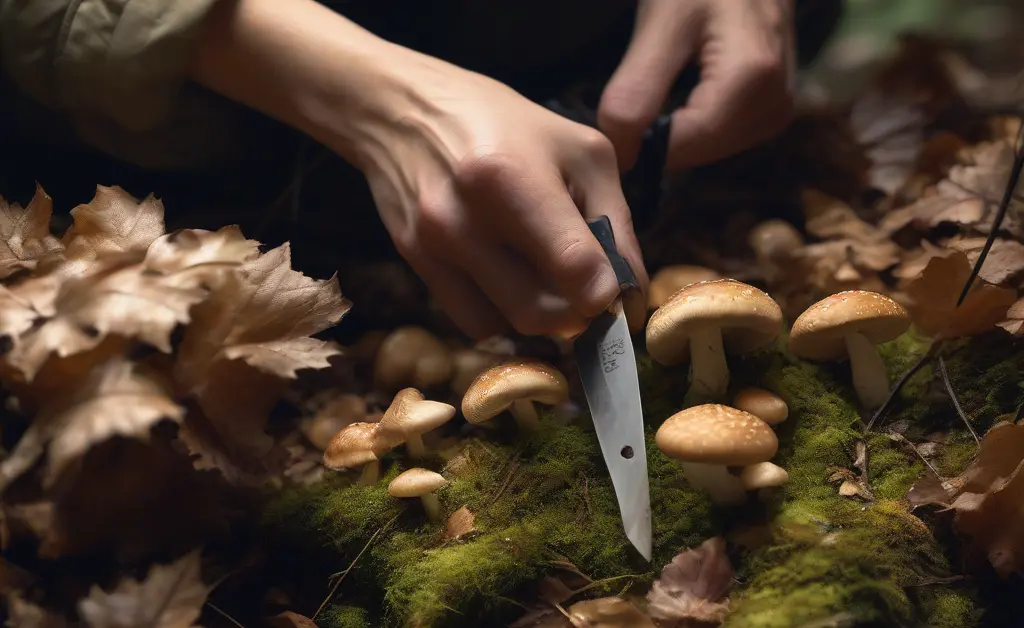
Responsible foraging is essential for protecting California’s delicate ecosystems and ensuring the sustainability of its mushroom populations for future generations. This involves more than just identifying edible species; it encompasses ethical harvesting and environmental awareness. Always obtain proper permits where required and respect all posted signs regarding private property and protected areas. When harvesting, use a knife to cut the mushroom at the base of the stem, leaving the mycelial network intact. Avoid overharvesting a single patch; take only what you need and leave plenty for other foragers, wildlife, and for the mushrooms to reproduce. Carrying a mesh bag allows spores to disperse as you walk, aiding in propagation. Furthermore, it is crucial to learn about and avoid common poisonous look-alikes. If there is ever any doubt about a mushroom’s identity, the safest approach is to “when in doubt, throw it out.” Official bodies like the EFSA provide guidelines on food safety, including wild-foraged foods. Proper storage and handling of your harvest are also important to maintain freshness and prevent spoilage.
The pursuit of edible mushrooms in California offers a unique connection to nature and a delicious reward. By prioritizing education, practicing meticulous identification, adhering to responsible foraging ethics, and always putting safety first, enthusiasts can enjoy the bounty of California’s fungi while contributing to the preservation of its natural wonders. Approach each foraging trip with respect for the environment and an eagerness to learn, ensuring a safe and enriching experience.
The information presented in this article is educational and not meant as professional medical counsel. It is intended for general knowledge and informational purposes only, and does not address individual circumstances. Foraging for wild mushrooms carries inherent risks, and misidentification can lead to serious health consequences. Always consult with a qualified expert or mycologist before consuming any wild mushroom.
FAQ
What edible mushrooms grow in Northern California?
Northern California’s diverse climate and terrain support a variety of edible fungi, including popular varieties like King Bolete (Porcini), Chanterelles, and Morel mushrooms. These mushrooms often thrive in specific woodland environments, appearing after rainfall during certain seasons. Their presence is a testament to the region’s rich biodiversity and suitable ecological conditions for fungal growth.
What are the easiest edible mushrooms to identify in California?
Certain edible mushrooms are generally considered easier for beginners to identify due to distinct characteristics and fewer toxic look-alikes. For instance, the Chanterelle mushroom is known for its unique funnel shape, often found in clusters and possessing a fruity aroma, making it a popular choice for novice foragers. Identifying these mushrooms requires careful observation of their cap, gills, stem, and habitat.
Are there poisonous mushrooms in California?
Yes, California is home to several species of poisonous mushrooms that can cause significant illness or be fatal if ingested. Among these is the Death Cap (Amanita phalloides), an introduced species known for its insidious toxins that can damage vital organs. Proper identification is crucial, as mistaking a poisonous mushroom for an edible one can have severe consequences.
Where can I legally forage for mushrooms in California?
Foraging for mushrooms on public lands in California is generally permitted, though regulations can vary by specific park or national forest. It is essential to check with the local land management agency, such as the U.S. Forest Service or the California Department of Parks and Recreation, for any restrictions or required permits. Private property always requires explicit permission from the landowner.
How can I tell if a mushroom is edible?
Determining whether a mushroom is edible involves a multi-faceted identification process that relies on detailed knowledge of mushroom morphology and ecology. This includes carefully observing characteristics such as cap shape and color, gill type and attachment, spore print color, stem features, and the mushroom’s growing environment and associated trees. Relying solely on one or two characteristics is insufficient and potentially dangerous.
Are any backyard mushrooms edible?
While it is possible for certain edible mushroom species to grow in backyards, identification is paramount as many common backyard fungi are not edible or can be toxic. Species like the Shaggy Mane (Coprinus comatus) might appear in lawns under favorable conditions and are edible when young. However, due to the risk of contamination from pesticides or herbicides in urban or suburban settings, caution and expert verification are always advised.
What are some examples of toxic mushrooms that look like edible mushrooms?
Some toxic mushrooms bear a striking resemblance to their edible counterparts, posing a significant risk to foragers. For instance, the deadly Destroying Angel (Amanita species) can be mistaken for certain edible Agaricus species, and the Jack-o’-lantern mushroom (Omphalotus species), which is poisonous, is often confused with edible Chanterelles. These similarities underscore the absolute necessity of precise identification.
What psychedelic mushrooms grow in California?
California is known to support the growth of several species of psilocybin-containing mushrooms, often referred to as “magic mushrooms.” These fungi, such as Psilocybe cubensis and species within the Psilocybe genus, typically flourish in damp, nutrient-rich environments, often appearing in pastures, wood chips, or forest litter following periods of rain. Their presence is part of the state’s natural fungal diversity.
When is the Best Time to Forage for Edible Mushrooms?
The prime season for foraging edible mushrooms in California generally spans from late fall through spring, with variations depending on rainfall and temperature. Following significant rainfall, especially in coastal and northern regions, is often when mushrooms emerge in abundance. Different species have their own optimal windows for fruiting within this broader period.
Edible Mushroom Identification: Safety First
Safety in edible mushroom identification is the absolute priority, demanding rigorous study and caution above all else. Misidentification can lead to severe poisoning, making it imperative to consult multiple reliable field guides and, ideally, learn from experienced mycologists. Never consume a wild mushroom unless you are 100% certain of its identity and edibility.