
A Guide to Common Edible Mushrooms in the USA
Exploring the diverse world of fungi offers both profound culinary delight and a deep connection to the natural environment. As an experienced guide in this fascinating realm, I understand the immense fascination and the careful, respectful approach required to truly appreciate these unique organisms. This comprehensive guide provides essential insights into some of the most sought-after edible mushrooms USA has to offer, focusing on common varieties you can confidently identify and enjoy. My aim is to equip you with the fundamental knowledge to safely discover the distinct flavors and potential benefits of these natural treasures, transforming your foraging endeavors into immensely rewarding culinary adventures. We will meticulously delve into practical identification tips and optimal foraging locations, ensuring your journey is both safe and satisfying for years to come.
Common Edible Mushrooms USA
The landscape of the United States is home to an incredible array of fungal species, many of which are highly prized for their unique flavors and textures. Foraging for edible mushrooms USA offers a direct connection to nature and a chance to enjoy truly seasonal delicacies. However, safe and responsible foraging begins with a thorough understanding of the specific varieties that are commonly sought after and their distinguishing characteristics.
List of Common Edible Mushrooms
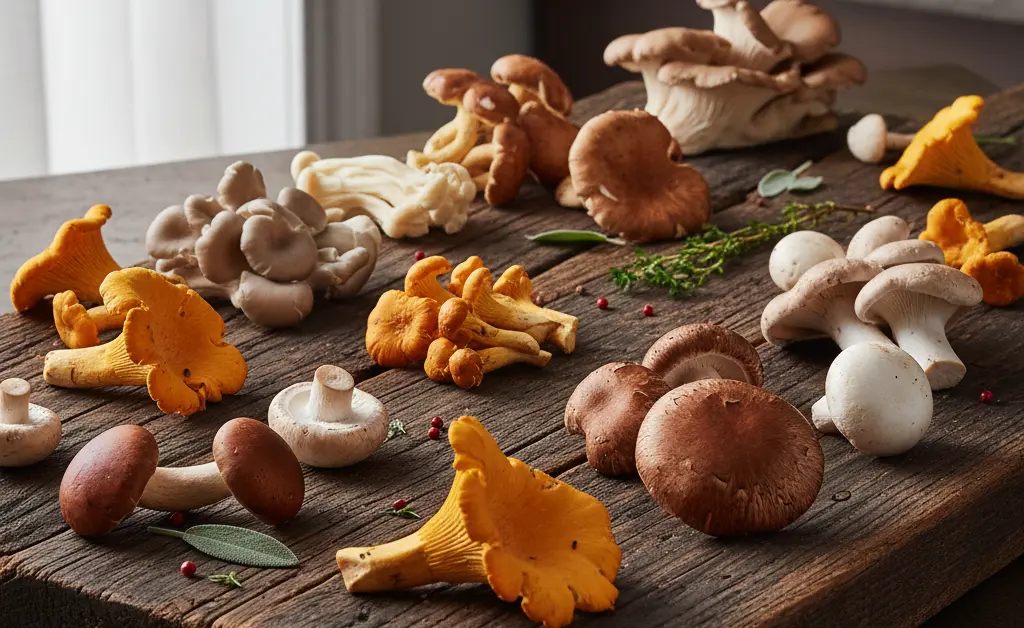
Among the many species of fungi, certain edible mushrooms are particularly well-known and often found across various regions of the USA. These include the robust Morel, often recognized by its honeycombed cap and distinct, earthy flavor. Chanterelles, with their trumpet-like shape and fruity aroma, are another favorite, growing in a variety of colors from golden to white. The tender Oyster mushroom, frequently found on decaying wood, is valued for its delicate taste and versatile culinary applications. Furthermore, the meaty King Bolete, or Porcini, is a highly esteemed mushroom with a rich, nutty flavor, while Hen of the Woods (Maitake) is known for its large, ruffled appearance and umami taste. These Common Edible Mushrooms, when correctly identified, can add remarkable depth to various dishes, making them a staple for many culinary enthusiasts.
Pictures of Edible Wild Mushrooms
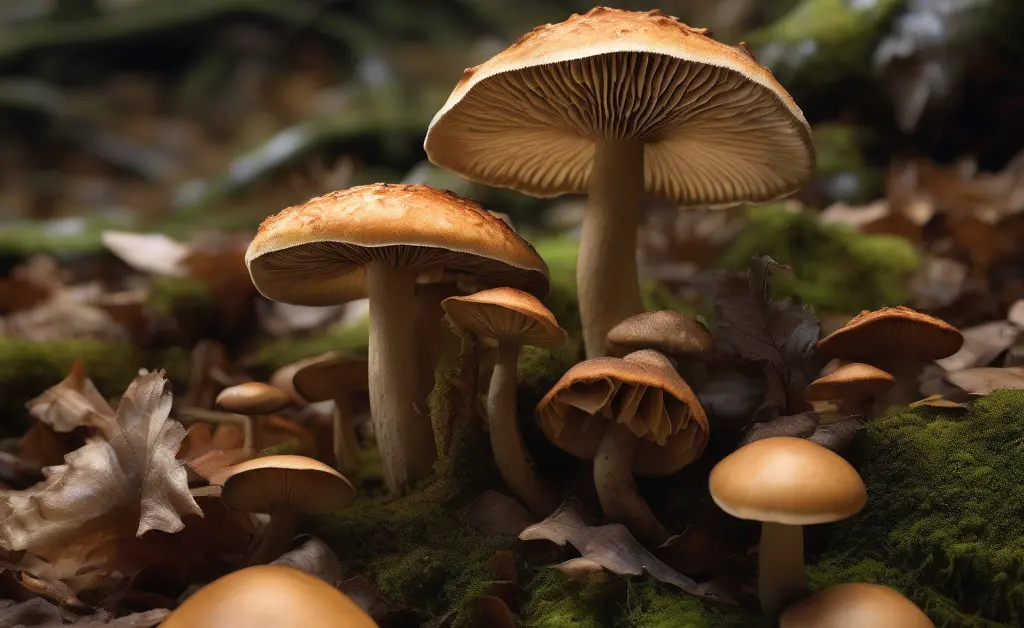
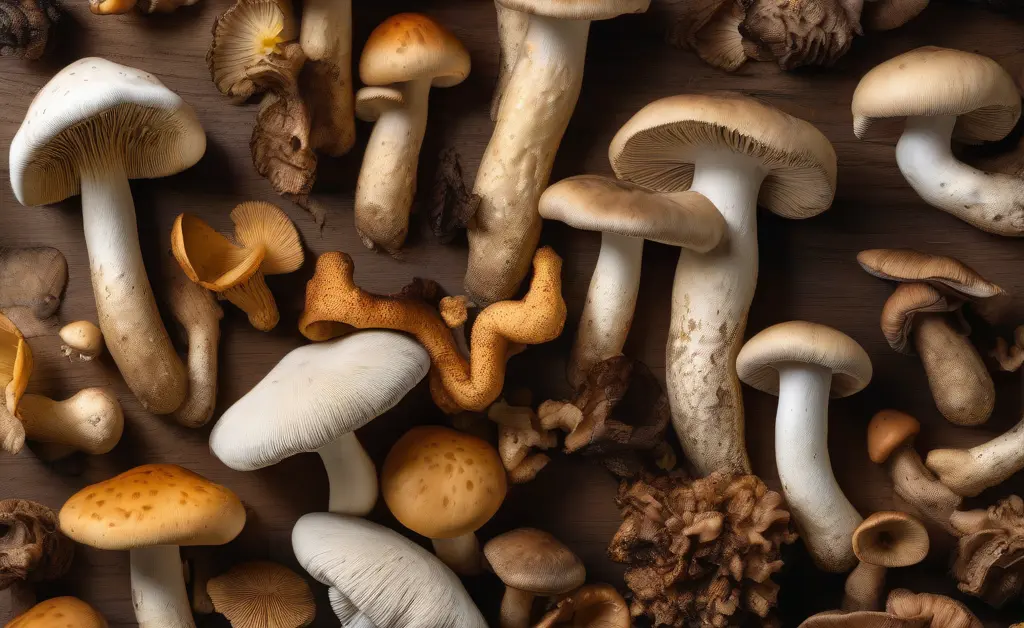
While words can describe features, visual identification is paramount when foraging for edible wild mushrooms. High-quality images illustrating various angles and stages of growth are crucial learning tools. When examining a mushroom, pay close attention to features such as the cap shape, color, and surface texture; the presence or absence of gills, pores, or teeth underneath the cap; the stem’s characteristics, including its shape, color, and any rings or volvas; and the context of its growth, such as the type of wood it grows on or the surrounding vegetation. Understanding these visual cues, alongside reliable field guides and resources, significantly aids in the accurate identification of edible mushrooms, helping to differentiate them from non-edible or toxic species.
Identifying Edible Mushrooms Safely in the USA
Safety is the paramount concern when foraging for edible mushrooms USA. The ability to correctly identify a species is not just about recognizing an edible type, but equally about distinguishing it from its poisonous counterparts. The Risks of Misidentification and Poisoning are significant, making careful observation and verification indispensable steps for any aspiring forager.
Common Edible vs. Poisonous Look-alikes
Many delicious wild mushrooms have incredibly similar-looking poisonous counterparts, often referred to as “look-alikes.” For instance, true Morels must be distinguished from false Morels, which can cause gastrointestinal distress. Similarly, some edible species of Russula can be confused with other Russula species that are not palatable. The Importance of Expert Verification cannot be overstated; consulting with experienced mycologists, joining local mushroom clubs, or using multiple reliable field guides is essential. Focusing on Key Identification Features, such as spore print color, habitat specifics, and the presence or absence of unique structural elements like rings or volvas, is critical. Never consume a mushroom unless you are 100% certain of its identity. When in doubt, throw it out. The benefits of consuming wild mushrooms, including their unique flavors and potential nutritional value, are considerable, but these benefits must always be weighed against the potential risks of misidentification. For further guidance on health-related concerns, particularly regarding potential poisonings, resources like the NHS offer valuable information.
Where to Find Edible Mushrooms in the USA
Locating edible mushrooms USA can be an exciting treasure hunt, as different species prefer different environments and seasons. Understanding the typical habitats of various fungi is key to successful foraging. For instance, specific varieties of edible mushrooms Colorado offers may vary significantly from other states.
Forests and Woodlands, particularly those with a mix of deciduous and coniferous trees, are prime locations. Many species form mycorrhizal relationships with tree roots, meaning they are often found near specific types of trees. For example, Chanterelles frequently thrive in mossy areas under hardwoods, while King Boletes often appear under conifers. Moist, shaded areas are generally favorable. Similarly, the best places to find edible mushrooms Michigan is known for often include hardwood forests. Meadows and Fields, especially after periods of rain, can host species like Meadow Mushrooms or certain Puffballs. Look for areas undisturbed by pesticides and pollution. Even Urban and Suburban Environments can yield edible fungi, with Oyster mushrooms sometimes growing on dead trees in parks or yards, and Shaggy Manes appearing in lawns or disturbed soil. Understanding the unique climate of a state like Louisiana is crucial for identifying its native edible mushrooms Louisiana boasts. Always consider the local ecosystem, elevation, and climate, as these factors significantly influence mushroom distribution. Before foraging, research the common species in your specific region and their preferred growing conditions.
Exploring the world of edible mushrooms in the USA offers a rewarding journey into nature and culinary discovery. These unique ingredients are essential for exploring various culinary mushrooms. From the thrilling hunt to the joy of cooking and savoring these unique ingredients, the experience can be deeply fulfilling. Always prioritize safety through careful identification, utilizing multiple resources, and considering expert verification. With knowledge and respect for the natural environment, your foraging endeavors can lead to a lifetime of delicious and memorable experiences. Remember to forage responsibly, ensuring the sustainability of these precious natural resources for future generations. Many of these Wild Edible Mushrooms also offer interesting flavors for Simple Cooking Methods and can be used in various Edible Mushroom Recipes and Cooking Tips. Experiment with Flavor Pairings and learn about proper Storage and Preservation techniques to make the most of your harvest. Beyond their culinary appeal, certain mushrooms are studied for their Nutritional Value and Potential Health Benefits, adding another dimension to their allure.
It is important to note that this content is not intended as medical advice. The information provided is for general knowledge and informational purposes only, and does not constitute medical advice, diagnosis, or treatment recommendations. Always consult with a qualified healthcare professional before making any decisions about your health or treatment. This content should not be used as a substitute for professional medical advice.
FAQ
What are the most common edible mushrooms found in the US?
Several popular species are cultivated and foraged across the United States. These include varieties like button mushrooms (Agaricus bisporus), shiitake (Lentinula edodes), and oyster mushrooms (Pleurotus ostreatus), which are widely available in grocery stores and enjoyed for their culinary versatility.
Where can I find wild edible mushrooms in the USA?
Wild edible mushrooms can be discovered in diverse natural environments throughout the USA, such as forests, woodlands, and meadows, depending on the species. Foraging is often most successful in areas with specific types of trees, appropriate soil conditions, and adequate moisture, particularly after rainfall.
How do I identify edible mushrooms in the USA?
Accurate identification of edible mushrooms in the USA requires careful observation of physical characteristics like cap shape, gill structure, stem features, and spore color. Learning from experienced foragers, using detailed field guides, and understanding the specific habitats of different species are essential steps in developing this skill.
Are there poisonous mushrooms in the USA that look like edible ones?
Yes, several toxic mushroom species in the USA can bear a striking resemblance to their edible counterparts, presenting a significant risk to untrained individuals. For instance, some varieties of deadly Amanitas may be mistaken for edible puffballs or field mushrooms, highlighting the critical importance of absolute certainty before consumption.