
A Forager’s Guide to Michigan’s Edible Mushrooms
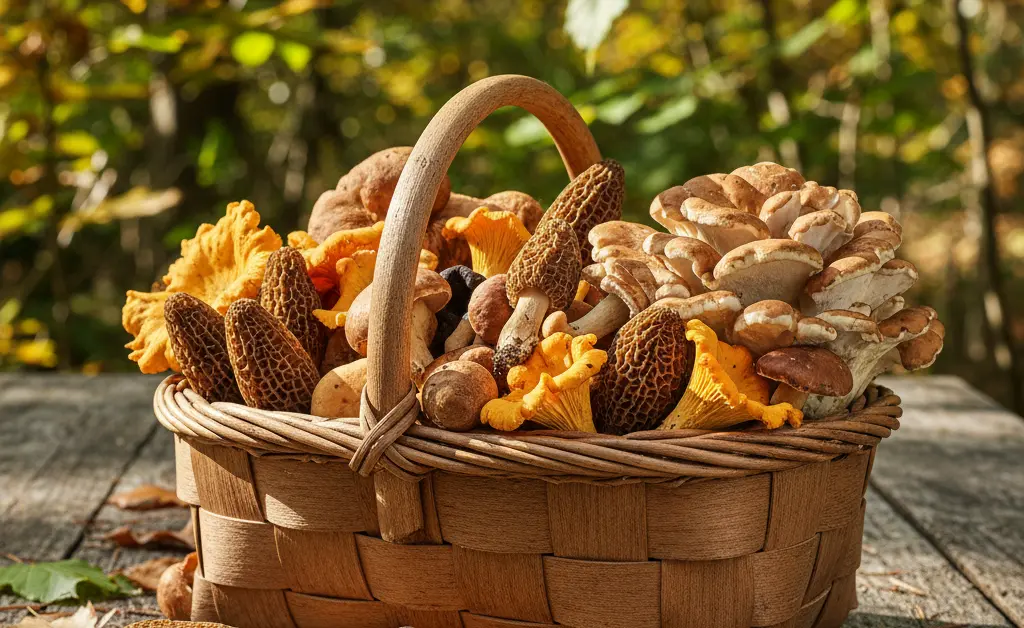
Foraging for wild foods has been a human activity for millennia, connecting people directly with nature’s bounty. In Michigan, the landscape offers a rich harvest of fungal delicacies for those who know where and how to look. This guide delves into the fascinating world of edible mushrooms Michigan, providing essential information for both novice and experienced foragers. Understanding the distinct characteristics of various species and knowing the safest foraging practices are crucial for a successful and enjoyable experience. From the sought-after morel to the distinctive hen-of-the-woods, this resource outlines key identification features, prime habitats, and important safety considerations for exploring the state’s fungal treasures responsibly.
Common Edible Mushrooms Found in Michigan
Michigan’s diverse ecosystems support a wide array of fungi, and among them are several highly prized edible species. Knowing the specific characteristics of these edible mushrooms in Michigan is the first step toward a successful and safe foraging adventure. Always remember that positive identification is paramount before consumption. For a general understanding of widespread species, information on edible mushrooms across the USA can be helpful.
Morel Mushrooms
Morel mushrooms are arguably the most sought-after edible fungi in Michigan. They are easily recognized by their distinctive honeycomb-like, pitted caps, which can range in color from tan to dark brown. The cap is entirely hollow and is fused directly to a hollow stem. Morels typically appear in the spring, often found near decaying elm trees, old apple orchards, and in recently disturbed areas such as burn sites. Their season is relatively short, making their appearance a celebrated event for many foragers.
Chanterelle Mushrooms
Chanterelles are another popular find, known for their delightful fruity aroma, often likened to apricots. Their color typically ranges from golden yellow to orange. Instead of true gills, chanterelles have blunt, gill-like ridges that run down the stem. They grow in association with various hardwood trees, especially oaks, and are typically found from summer through early fall. Proper identification is important to distinguish them from certain look-alikes.
Oyster Mushrooms
Oyster mushrooms are characterized by their oyster-shell-shaped caps, which grow in shelf-like clusters on decaying hardwood trees. Their color can vary from white to gray to tan, with white gills running down a short, often eccentric stem, or sometimes no stem at all. These mushrooms can be found year-round in Michigan during milder periods, but are most abundant in the fall and winter. They are often found on fallen logs and stumps.
Chicken of the Woods
This vibrant fungus is unmistakable with its bright orange to sulfur-yellow coloring and large, shelf-like growth habit. Chicken of the Woods, or *Laetiporus sulphureus*, typically grows on living or dead hardwood trees, especially oak, and occasionally on conifers. It has pores on its underside, not gills, and appears in summer and fall. When young and tender, its texture and flavor are often compared to chicken, hence its common name.
Hen-of-the-Woods
Also known as Maitake, Hen-of-the-Woods (*Grifola frondosa*) grows in large, rosette-like clusters at the base of oak trees, sometimes weighing many pounds. It consists of numerous overlapping, fan-shaped caps that are grayish-brown with white undersides. Like Chicken of the Woods, it has pores instead of gills. This species is highly prized for its rich, earthy flavor and firm texture, typically appearing in the fall. It is a substantial find for any mushroom hunter.
Giant Puffball Mushrooms
Giant puffball mushrooms (*Calvatia gigantea*) are impressive for their size, often growing as large as a soccer ball or even bigger. They are round or pear-shaped, white, and have a smooth, leathery outer skin. When sliced open, the interior must be uniformly pure white and firm to be edible. If it shows any signs of yellowing, browning, or gills, it is either too old or not a true puffball. They grow in fields, meadows, and open woodlands during summer and fall.
Shaggy Mane Mushrooms
Shaggy Mane mushrooms (*Coprinus comatus*) are easily identified by their tall, cylindrical white caps covered in shaggy scales, which often turn black and “ink” as they mature. They typically grow in disturbed ground, lawns, and along roadsides in late summer and fall. They must be consumed shortly after picking, as they begin to deliquesce quickly. While generally considered a choice edible, some reports suggest potential interactions with alcohol in certain individuals.
Dryad’s Saddle
Also known as Pheasant’s Back mushroom (*Cerioporus squamosus*), Dryad’s Saddle is recognizable by its fan or saddle shape, often adorned with dark, concentric scales on a creamy-tan surface. It has a distinctive cucumber or watermelon rind scent, especially when fresh. The underside features large, angular pores. It grows on dead or dying hardwood trees, particularly elm and maple, appearing from spring through fall. It is best harvested when young and tender, as it can become tough with age.
Where to Find Edible Mushrooms in Michigan
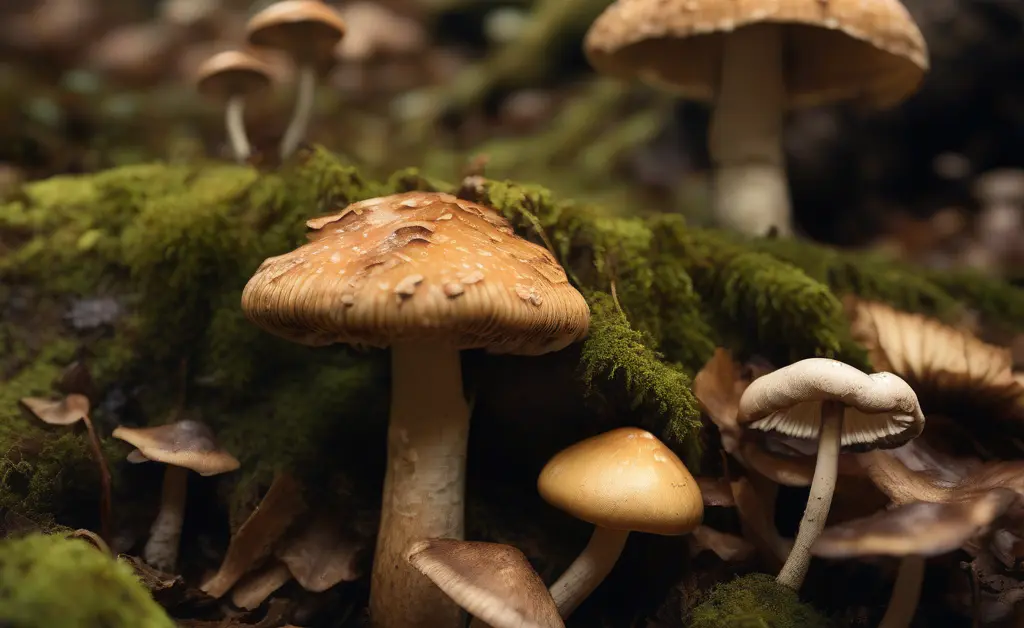
Locating edible mushrooms in Michigan requires an understanding of their preferred habitats and environmental conditions. Different species favor different settings, and successful foraging often means knowing where to direct your search.
Michigan’s extensive **Forests and Woodlands** are prime locations for many species. Hardwood forests, particularly those dominated by oak, maple, and beech, are excellent for chanterelles, hen-of-the-woods, and chicken of the woods. Conifer forests, while less diverse for edibles, can still yield certain varieties. Morels often thrive in specific areas within deciduous forests, especially near older, dying elms or ash trees, and in disturbed ground from past fires or logging. Similarly, specific habitats for edible mushrooms Missouri can be explored by local foragers.
**State Parks and National Forests** across Michigan offer vast areas for foraging, but it is crucial to check local regulations before collecting. Some parks may require permits, or have restrictions on the quantity and type of materials that can be gathered. Always respect park rules and practice ethical foraging to preserve these natural resources.
Many edible species form symbiotic relationships with **Specific Tree Species**. For instance, hen-of-the-woods is almost exclusively found at the base of oak trees. Morels have a strong association with elms, ash, and sometimes poplars. Oyster mushrooms prefer dead or dying hardwoods. Learning these associations can significantly narrow down your search and increase your chances of finding desirable edible mushrooms Michigan has to offer.
Identifying Edible Mushrooms Safely
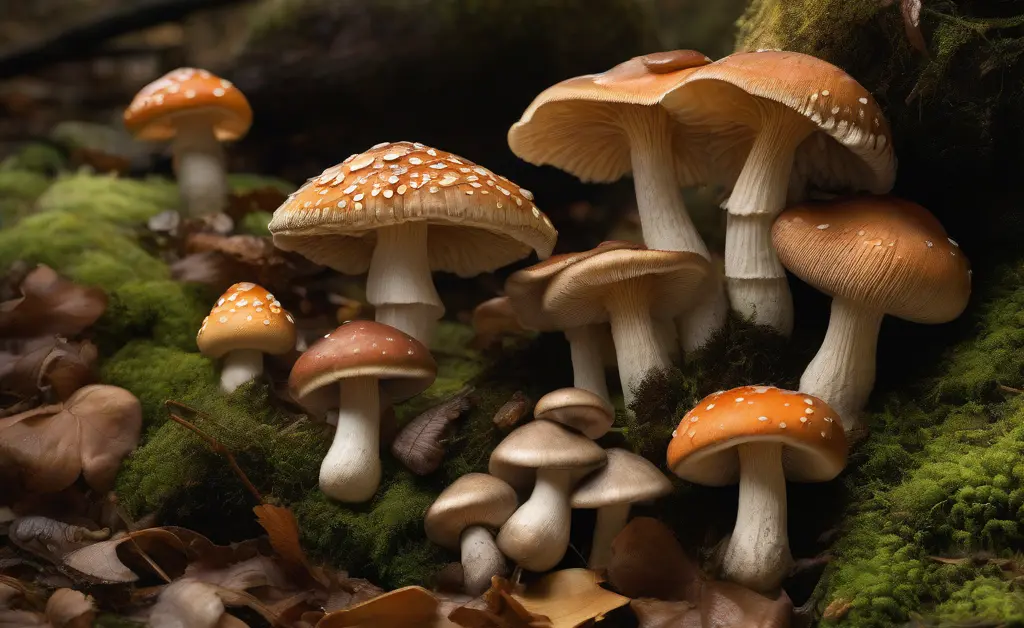
Safe identification is the single most critical aspect of foraging for edible mushrooms in Michigan. Mistakes can have serious health consequences. Never consume a mushroom unless you are 100% certain of its identification. Further information on health impacts related to foraging can often be found from reputable sources like the NIH.
Focus on **Key Identification Features**: This includes the mushroom’s cap shape, color, texture, and size; the presence, color, and attachment of gills, pores, or teeth; the stem’s characteristics (presence of a ring, base shape, hollowness); the presence of a volva (cup-like structure at the base); the spore print color; and any distinctive smells or bruising reactions. Learn to examine all these features comprehensively.
Be aware of **Common Edible vs. Poisonous Look-alikes**. Many delicious edible mushrooms have toxic doppelgangers that can be confusing for beginners. For example, some false morels can be toxic if not properly prepared. The “Jack O’Lantern” mushroom (Omphalotus illudens) is often mistaken for chanterelles due to its similar color, but it has true gills and grows on wood, unlike chanterelles. Always cross-reference multiple reliable sources and pay close attention to the subtle differences that distinguish safe from unsafe species. For those exploring other regions, specific guidance on edible mushrooms Minnesota also emphasizes caution in identification.
The **Importance of Expert Identification** cannot be overstated. Beginners should always go foraging with an experienced mentor or join a local mycological society. These groups often host forays and identification sessions, providing invaluable hands-on learning. When in doubt, throw it out. Never rely on a single source or a quick glance from an app for identification when dealing with edible mushrooms Michigan has to offer.
Edible Mushroom Foraging Best Practices

To ensure a sustainable and safe foraging experience, it’s important to follow certain best practices. These guidelines help protect both the environment and the foragers seeking edible mushrooms in Michigan.
**Ethical Foraging Guidelines** are crucial. Always forage respectfully and minimally. Only take what you need and leave plenty behind for wildlife and for the mushroom to reproduce. Avoid disturbing the surrounding ecosystem; walk lightly and do not uproot plants or damage moss beds. Use a mesh bag or basket to collect mushrooms, which allows spores to disperse as you walk, aiding in future growth. Avoid over-harvesting specific patches to allow them to replenish.
Knowing **When to Forage Edible Mushrooms** is key to success. Different species have specific seasons. Morels are a spring mushroom, while chanterelles and chicken of the woods typically appear in summer and fall. Hen-of-the-woods is primarily a fall mushroom. Weather patterns, especially recent rainfall and temperature, also play a significant role. A good rain followed by warm, humid conditions often signals a good time to look for many species. Seasonal foraging advice, like that for edible mushrooms PA, can vary based on local climate patterns.
Consider **What to Bring When Foraging**. Essential items include a sharp knife for clean cuts, a mesh bag or basket for spore dispersal, a field guide specific to Michigan fungi, a compass or GPS device, water, snacks, and appropriate clothing for the weather and terrain. It’s also wise to carry a small first-aid kit. For safety, always inform someone of your foraging plans and estimated return time, especially when exploring remote areas.
Michigan offers a rewarding landscape for mushroom foragers, but success and safety depend on knowledge, caution, and respect for nature. By understanding the species, their habitats, and practicing responsible foraging, enthusiasts can safely enjoy the culinary delights of the state’s wild mushrooms.
The information presented in this article is educational and not meant as professional medical counsel. Foraging for wild mushrooms carries inherent risks, and misidentification can lead to serious health issues. Always consult with a qualified expert or join a local mycological society for hands-on identification guidance. This content should not be used as a substitute for professional advice or treatment.
FAQ
What are the most common edible mushrooms in Michigan?
Morels, hen-of-the-woods, and oyster mushrooms are frequently found edible varieties in Michigan. These species are recognizable by their distinct shapes, colors, and growing habitats, making them popular among foragers. Their presence is often linked to specific tree types and environmental conditions prevalent in the region.
Can you eat mushrooms foraged in Michigan?
Many wild mushrooms found in Michigan are indeed edible and enjoyed by many. However, it is crucial to have definitive identification before consuming any foraged mushroom, as some species are toxic. Thorough research and expert guidance are recommended for anyone venturing into wild mushroom consumption.
Where can I legally forage for mushrooms in Michigan?
Foraging for mushrooms is generally permitted on public lands in Michigan, such as state and national forests, with a few exceptions. It’s always best to check specific regulations for the particular park or forest, as some areas may have restrictions. Private property requires explicit permission from the landowner.
When is the best season to find edible mushrooms in Michigan?
The peak season for many edible mushrooms in Michigan, particularly morels, is during the spring, typically from April through June. Other varieties, like hen-of-the-woods and some oyster mushrooms, can be found in the late summer and fall. The timing can vary based on rainfall and temperature fluctuations throughout the year.
How can I tell if a mushroom is edible?
Accurate identification is paramount when determining if a mushroom is edible, and this requires careful observation of multiple characteristics. Key features to consider include the cap shape and color, gill structure and attachment, stem details, spore print color, and any scent or bruising reactions. Relying on a single characteristic is unreliable, and expert knowledge or field guides are essential for safe foraging.