
A Forager’s Guide to Edible Mushrooms in Canada
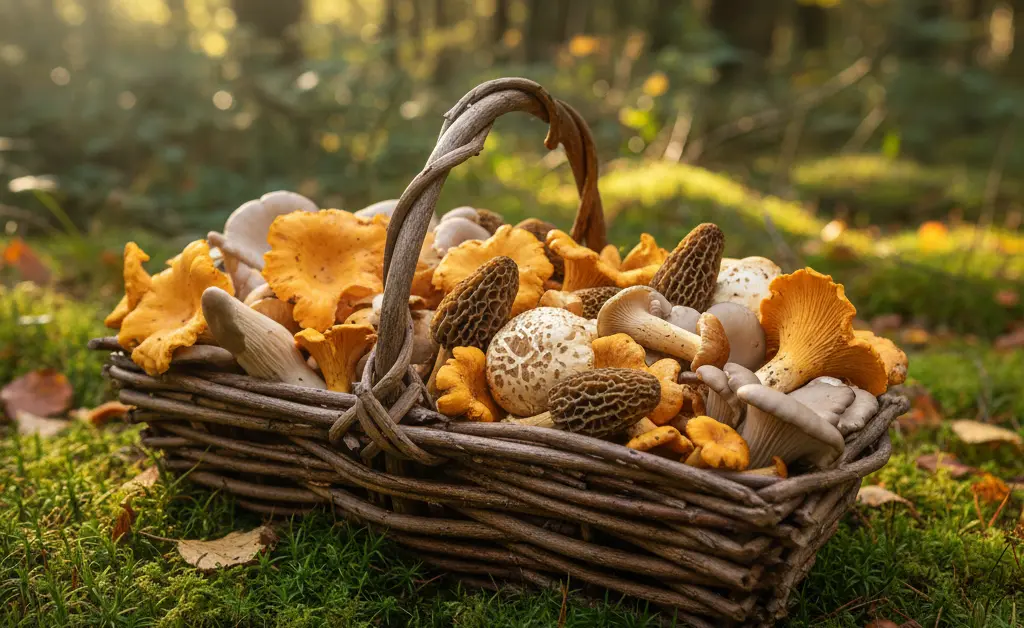
Many people believe that foraging for wild mushrooms is an inherently risky endeavor, reserved only for expert mycologists, due to the daunting task of distinguishing between safe and toxic varieties. This perception often discourages individuals from exploring the rich biodiversity found in local forests. However, with careful study and adherence to proven identification techniques, venturing into the world of edible mushrooms in Canada can be a truly enriching experience. This guide aims to demystify the process, providing essential information for safely identifying, locating, and harvesting some of the most sought-after fungal treasures across the country. We will cover key identification features, common species, prime foraging locations, and important regulations to ensure a responsible and successful foraging journey.
Edible Mushrooms Canada Identification
Successful and safe foraging for edible mushrooms in Canada hinges on rigorous identification. Before consuming any wild mushroom, it is paramount to be 100% certain of its identity. This involves a multi-faceted approach, focusing on several key identification features such as cap shape and color, gill or pore structure, stem characteristics, presence of a ring, volva, or universal veil remnants, spore print color, and the mushroom’s growing environment and season. Learning how to identify edible mushrooms safely requires patience and meticulous observation, often cross-referencing multiple field guides and seeking expert verification when in doubt. Mastering these fundamental techniques helps distinguish between safe species and their potentially dangerous look-alikes.
Poisonous edible mushrooms canada
The wilderness of Canada is home to a vast array of fungi, some of which are not only inedible but also highly poisonous. The challenge lies in the fact that many toxic species closely resemble popular edible varieties, leading to potentially dangerous misidentifications. Therefore, understanding the characteristics that differentiate common edible mushrooms from their poisonous counterparts is crucial. Foragers must exercise extreme caution and assume that any mushroom they cannot definitively identify as edible could be a poisonous edible mushroom. The golden rule in foraging is: “When in doubt, throw it out.” Never rely on folklore or anecdotal evidence for identification, and always be prepared to discard any specimen that raises the slightest suspicion.
Common Edible Mushroom Species in Canada
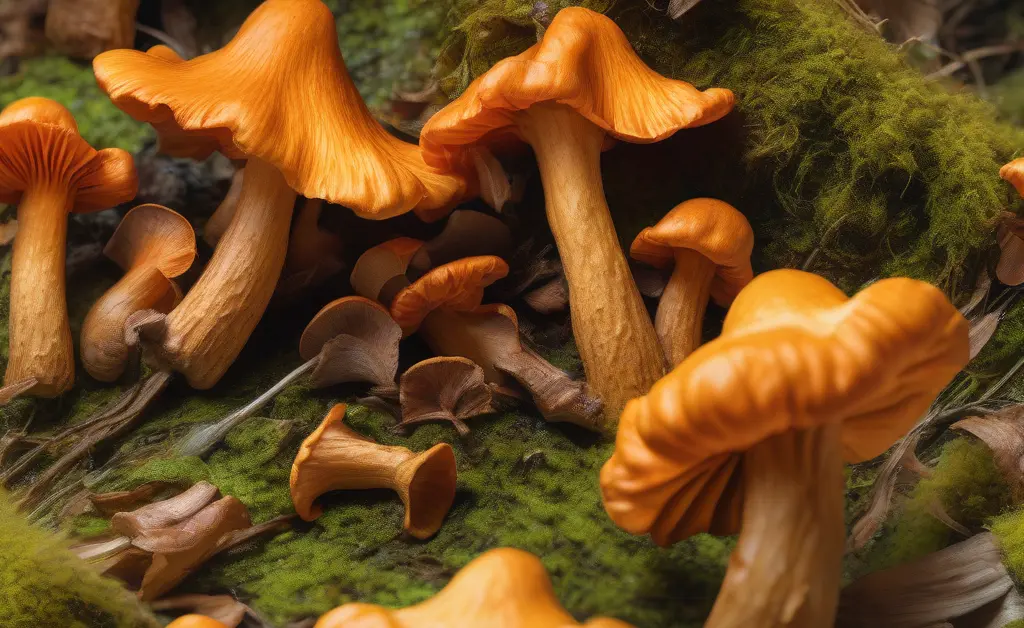
Canada’s diverse ecosystems provide a rich habitat for a variety of desirable fungi, making it an excellent place to seek out delicious edible mushrooms. From coastal rainforests to boreal forests, different regions offer unique opportunities for foragers. Familiarizing oneself with the distinct features of these common species is a vital step in becoming a proficient mushroom hunter. These are just a few examples of the many highly prized edible mushrooms found across the Canadian landscape.
Oyster Mushrooms (Pleurotus ostreatus)
Oyster mushrooms are a popular choice for foragers due to their distinctive appearance and widespread presence. They typically grow in shelf-like clusters on decaying hardwood trees, often found on logs, stumps, or even living trees. Their caps are usually fan-shaped or oyster-shaped, ranging in color from white to gray or tan, with white, decurrent gills that run down the stem. Oyster mushrooms are valued for their delicate flavor and firm texture, making them a versatile ingredient in many culinary applications.
Morel Mushrooms (Morchella species)
Morel mushrooms are among the most sought-after edible fungi in Canada, prized for their unique honeycomb-like cap and rich, earthy flavor. They emerge in spring, often in deciduous forests, particularly near ash, elm, apple, or poplar trees, and sometimes in recently disturbed areas or burn sites. True morels have a hollow stem and cap that is fully attached to the stem, distinguishing them from potentially toxic look-alikes. Their elusive nature and seasonal availability contribute to their high value among chefs and foragers alike.
Chanterelle Mushrooms (Cantharellus species)
Chanterelles are easily recognizable by their vibrant golden-yellow or orange color, trumpet-like shape, and distinctive apricot-like aroma. Unlike many other mushrooms, chanterelles do not have true gills but rather blunt, fork-like ridges or folds that run down the stem. They typically grow on the ground in mossy areas of coniferous and mixed forests, forming mycorrhizal relationships with trees. Their delicate, peppery flavor makes them a culinary favorite, adding a touch of elegance to various dishes.
Boletes (Boletus species)
Boletes are a large and diverse group of mushrooms characterized by having pores instead of gills on the underside of their caps. Many species within the Boletus genus, such as the King Bolete (Boletus edulis), are highly esteemed edible mushrooms, known for their robust, nutty flavor and firm texture. Identification can be complex due to the sheer number of species, some of which are inedible or mildly toxic. Key identification features often include cap color, pore color (which can change with age or bruising), stem characteristics, and their mycorrhizal association with specific tree species in forest environments.
Lion’s Mane Mushroom (Hericium erinaceus)
Lion’s Mane, also known as “pom pom mushroom” or “bear’s head tooth mushroom,” is a striking and unmistakable edible fungus. It grows as a shaggy, white, cascading mass of spines, resembling a waterfall or a lion’s mane, typically found on dead or dying hardwood trees. Beyond its unique appearance and delicious, seafood-like flavor, Lion’s Mane mushroom has been traditionally used and is studied for its potential health benefits. Further research into its potential health benefits is often supported by institutions like the NIH. It is a distinctive and rewarding find for any Canadian forager.
Where to Find Edible Mushrooms in Canada
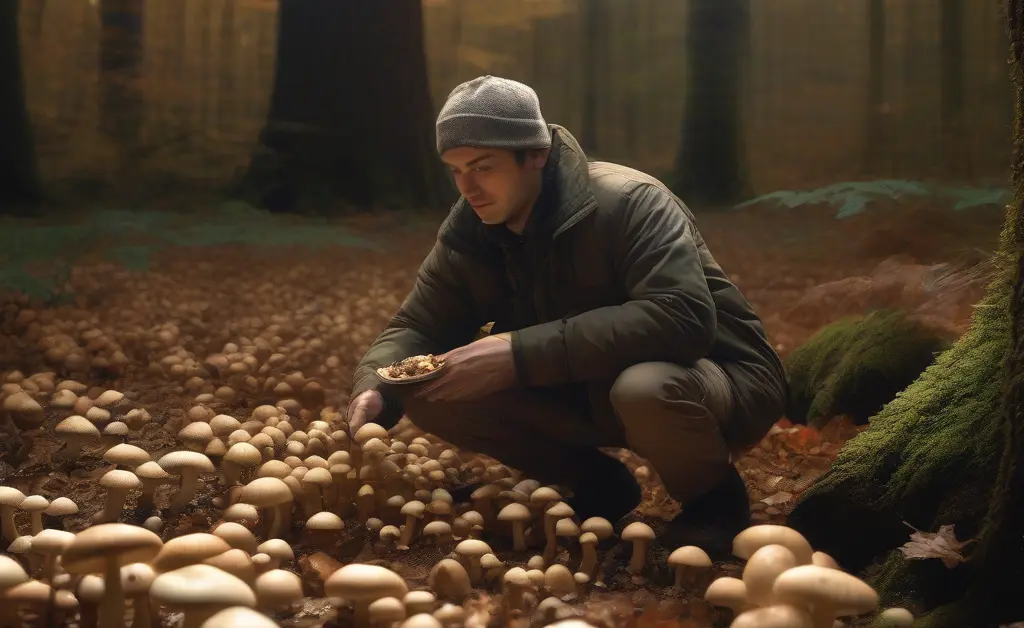
The vast and varied landscapes of Canada offer numerous prime locations for finding edible mushrooms. General foraging environments often include diverse forest ecosystems, ranging from dense coniferous stands to mixed deciduous woodlands. The presence of specific tree species, moisture levels, and soil composition all play significant roles in determining where certain fungi will fruit. Knowing the typical habitats and seasonal availability of desired species greatly increases a forager’s success rate. Exploring different regional hotspots can reveal distinct populations of edible mushrooms Canada is known for. Additionally, keen foragers can discover a wide array of edible mushrooms Alberta has to offer in its diverse landscapes.
Edible Mushrooms In Ontario
Ontario, with its extensive forests and varied climate, offers abundant opportunities for finding edible mushrooms. Common species found in the province include morels in the spring, chanterelles and boletes in the summer and fall, and oyster mushrooms year-round in suitable conditions. Areas like the vast Northern Ontario forests, provincial parks (where permitted), and private woodlands can be fruitful. Foragers seeking edible mushrooms in Ontario should research local forest types and seasonal patterns, paying close attention to specific tree associations like oak, maple, birch, and pine, which often host particular fungal partners. Understanding the microclimates and tree species within different areas of the province can lead to successful finds.
The vast wilderness of the Yukon also presents opportunities for discovering unique edible mushrooms Yukon has to offer, particularly in its northern boreal forests.
Edible Mushroom Foraging Regulations in Canada
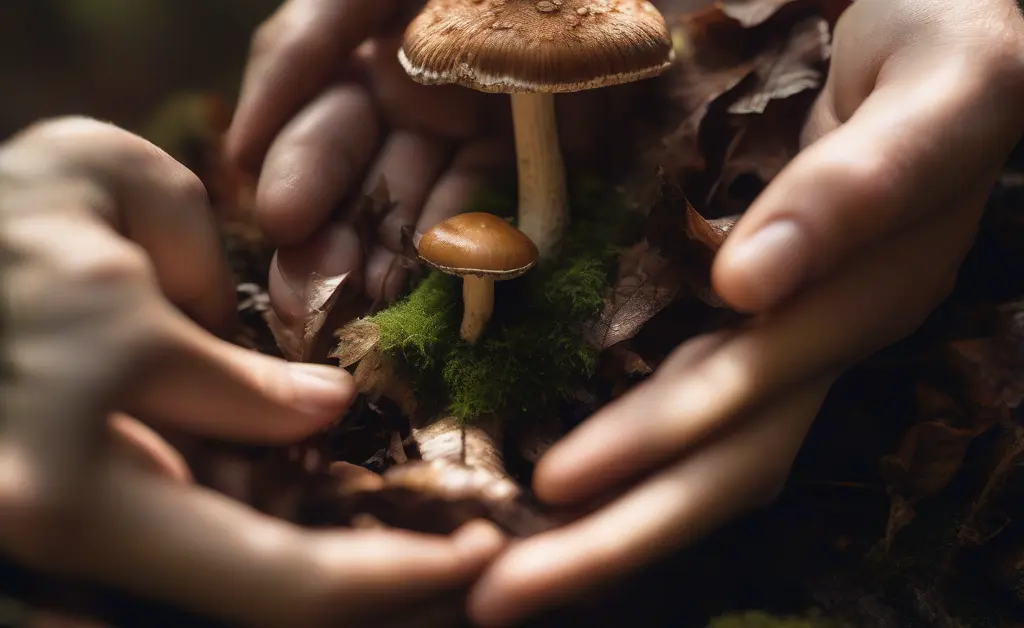
Responsible foraging for edible mushrooms in Canada requires a thorough understanding of local regulations and ethical practices. While foraging may seem like a simple act, rules can vary significantly depending on the land ownership and designation. For instance, foraging in national parks is generally prohibited, while provincial parks may have specific regulations, sometimes requiring permits for commercial harvesting or restricting personal collection to small quantities. Private land always requires explicit permission from the landowner. Adhering to sustainable harvesting practices, such as leaving enough mushrooms to spore and avoiding damage to the mycelial network, is crucial for preserving fungal populations for future generations. Before heading out, always consult provincial and national park rules, and inquire about any necessary permits or licenses to ensure a lawful and respectful foraging experience for edible mushrooms Canada has to offer. For example, specific regulations might apply to finding edible mushrooms Nova Scotia‘s unique ecosystems provide.
Embarking on the journey of foraging for edible mushrooms in Canada can be an immensely rewarding experience, connecting you with nature and providing delicious culinary treasures. By prioritizing safety through rigorous identification, understanding the unique characteristics of common species, and respecting foraging regulations, enthusiasts can confidently explore the fungal biodiversity that Canada offers. Always remember that knowledge and caution are your most important tools when venturing into the wild world of mushrooms.
This information should be viewed as educational rather than medical advice. The content provided is for general knowledge and informational purposes only, and does not constitute any form of health recommendation. Always consult with a qualified professional for any health concerns or before making any decisions related to your health or diet. The author and publisher are not responsible for any adverse effects that may result from the use of the information contained herein.
FAQ
What are the most common edible mushrooms found in Canada?
Commonly found edible mushrooms in Canada include varieties like morels, chanterelles, oyster mushrooms, and puffballs. These fungi thrive in diverse Canadian ecosystems, from forests to fields, offering delicious and nutritious options for those who know where to look. Many commercially cultivated mushrooms, such as button, cremini, and shiitake, are also widely available across edible mushrooms canada.
Where can I legally forage for edible mushrooms in Canada?
Foraging for edible mushrooms is permitted on Crown land and in many provincial and national parks, though regulations can vary significantly by region. Always verify local bylaws and park rules before collecting, as some areas may have restrictions or require permits. Private property requires explicit permission from the landowner.
How can I be sure a wild mushroom is safe to eat in Canada?
Positive identification is crucial before consuming any wild mushroom. Relying on expert knowledge, detailed field guides, and joining local mycological societies are essential steps. Misidentification can lead to severe illness, so absolute certainty is paramount.
What is the best season for mushroom foraging in Canada?
The prime season for mushroom foraging in Canada generally spans from late spring through autumn. Specific timing depends on the mushroom species, local climate, and recent weather patterns, with rainfall often stimulating growth. Cooler temperatures in the fall typically bring out a different array of delicious varieties.
Are there any poisonous mushrooms in Canada that look like edible ones?
Yes, Canada has several poisonous mushrooms that closely resemble edible varieties, making identification a critical skill. For example, the toxic Funeral Bell can be mistaken for the edible Honey Mushroom, and certain deadly Amanitas might be confused with puffballs or field mushrooms. This highlights the importance of expert knowledge to distinguish between safe and hazardous species.