
A Forager’s Guide to Colorado’s Edible Mushrooms
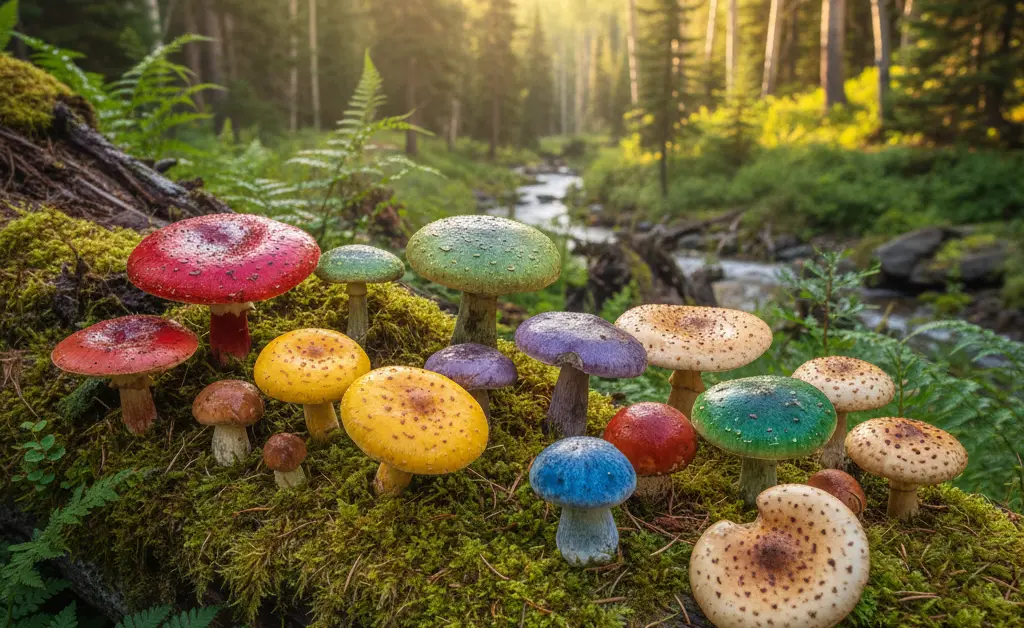
Nature offers a fascinating array of culinary delights, and among the most sought-after are edible mushrooms – a diverse group of fungi prized for their earthy flavors, unique textures, and often beneficial nutritional profiles. Foraging for these wild treasures has become a cherished activity for many enthusiasts, offering both the thrill of discovery and the reward of gourmet ingredients. Colorado, with its varied ecosystems ranging from high mountain forests to semi-arid plains, provides an ideal habitat for numerous species throughout the year. This guide explores the fascinating world of edible mushrooms Colorado has to offer, helping both novice and experienced foragers identify, locate, and safely enjoy the bounty of the state’s forests. Understanding their preferred habitats, seasons, and crucial identification features is paramount to a successful and safe foraging experience.
Common Edible Mushrooms Found in Colorado
Colorado’s diverse landscapes host a remarkable variety of edible mushrooms, making it a prime destination for foragers. From the humid forest floors to drier, sun-drenched areas, different species thrive in specific ecological niches. Discovering these natural treasures requires patience, knowledge, and a keen eye. Exploring the range of edible mushrooms Colorado provides can be a rewarding journey for any outdoor enthusiast. To learn more about fungi across the entire country, explore edible mushrooms USA.
Oyster Mushrooms
Oyster mushrooms (Pleurotus ostreatus) are a widespread and relatively easy-to-identify species, often found growing on dead or dying deciduous trees, particularly aspen and cottonwood, throughout Colorado. Their distinctive fan or oyster-shell shape and gills that run down a short, off-center stem make them recognizable. They typically grow in shelf-like clusters and can range in color from white to gray or tan. These versatile fungi are prized for their delicate flavor and tender texture, making them a popular choice for many culinary applications.
Morel Mushrooms
Morel mushrooms (Morchella species) are among the most highly coveted edible fungi, known for their unique honeycomb-like cap and rich, earthy flavor. In Colorado, morels typically emerge in the spring, often after forest fires or in disturbed areas, around dead or dying elms, aspens, or cottonwoods. Their elusive nature adds to the thrill of the hunt, and finding a patch of these distinctive mushrooms is a true triumph for any forager. Proper identification is crucial, as false morels, which can be toxic, exist.
Chanterelle Mushrooms
Chanterelle mushrooms (Cantharellus species) are celebrated for their vibrant golden color, fruity aroma, and peppery taste. These beautiful fungi have distinctive gill-like ridges (not true gills) that run down the stem and a wavy, often funnel-shaped cap. In Colorado, chanterelles typically appear in late summer and early autumn, often in mossy areas under coniferous or deciduous trees, particularly spruce and fir. Their unique characteristics help distinguish them from potentially toxic look-alikes.
Lobster Mushrooms
Lobster mushrooms (Hypomyces lactifluorum) are not a single species of mushroom but rather a parasitic fungus that transforms certain edible mushrooms, most commonly Russula and Lactarius species, into a vibrant orange-red, seafood-flavored delicacy. The parasitic fungus encases the host mushroom, changing its texture to firm and dense, and imparting a distinct aroma reminiscent of seafood, hence its name. They are typically found in Colorado’s forests during the late summer and fall, often near coniferous trees. Their bright color and firm texture make them easily identifiable and a unique culinary find.
5 Favorite Edible Mushrooms of Colorado
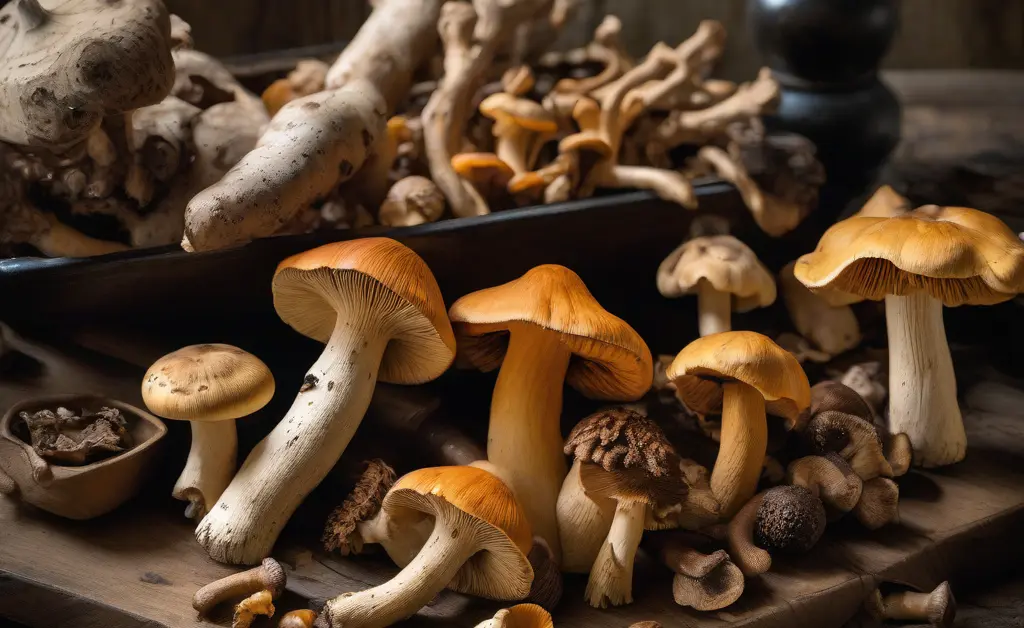
Among the many delectable fungi found in the state, certain species stand out as particular favorites for their exceptional flavor, texture, and abundance. These sought-after varieties represent some of the finest edible mushrooms Colorado has to offer, drawing foragers to its diverse ecosystems year after year. Their culinary versatility and distinct characteristics make them a highlight of any foraging expedition. For those interested in coastal foraging, learning about edible mushrooms Maryland can be a fascinating alternative.
King Bolete (Porcini)
The King Bolete (Boletus edulis), also widely known as Porcini, is a robust and highly prized mushroom celebrated for its rich, nutty flavor and meaty texture. It features a thick, often bulbous stem and a convex, brownish cap, with a spore surface consisting of pores rather than gills. In Colorado, King Boletes are typically found from late summer through fall, growing terrestrially in coniferous and mixed forests, often in association with spruce, fir, and pine trees. These magnificent fungi are excellent for sautéing, grilling, drying, or adding to risottos and pasta dishes, making them a gourmet favorite.
When and Where to Find Edible Mushrooms in Colorado
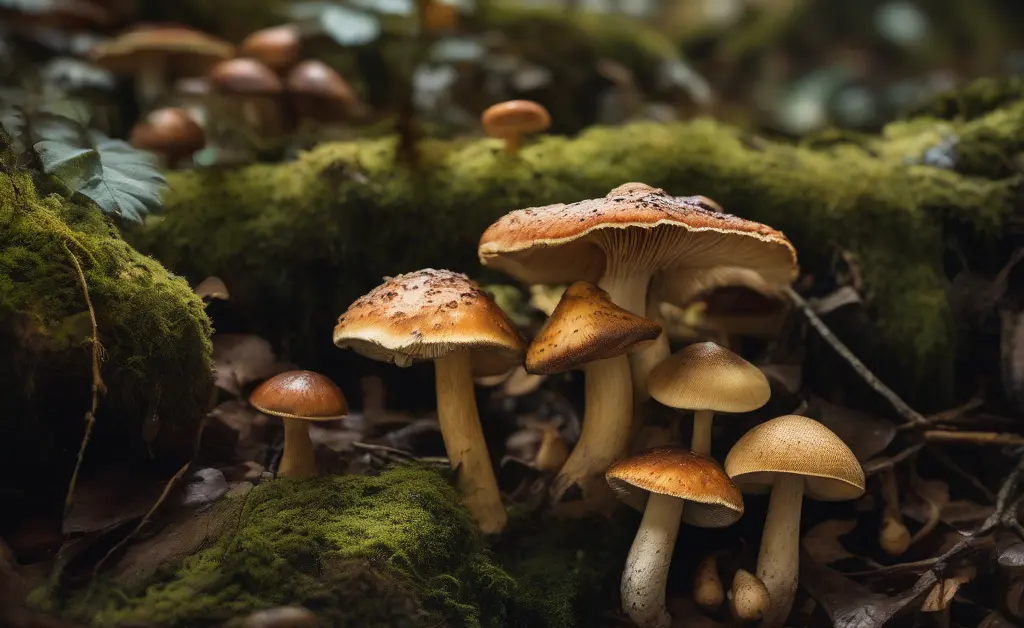
Successfully foraging for edible mushrooms in Colorado often hinges on understanding their seasonal availability and preferred habitats. The state’s varied elevations and microclimates mean that different species fruit at different times and in specific environments. Knowing when and where to look significantly increases the chances of a successful harvest of edible mushrooms Colorado has to offer. Foragers should consult local conditions and recent weather patterns, as these can greatly influence mushroom growth. Different climates, like those offering edible mushrooms East Tennessee, present unique challenges and rewards.
Shaggy mane mushroom colorado
The Shaggy Mane mushroom (Coprinus comatus) is a distinctive and delicious edible mushroom often found in Colorado. Known for its tall, cylindrical cap covered in shaggy scales, which gradually dissolves into an inky black liquid as it ages, this mushroom is quite unique. It typically appears in disturbed areas, lawns, fields, and along roadsides, often in clusters, from late summer through fall. The key to enjoying the Shaggy Mane is to harvest and consume it while it is still young and firm, before the caps begin to deliquesce. This particular edible mushroom colorado offers is excellent when sautéed or added to various dishes, but it should be cooked soon after picking.
Colorado Wild Edible Mushrooms
Colorado’s wilderness is a treasure trove for those seeking wild edible mushrooms. The state’s vast forests, ranging from montane to subalpine zones, provide ideal conditions for a wide array of fungal species. Foraging for Colorado wild edible mushrooms offers not only a culinary adventure but also an an opportunity to connect with nature and appreciate the ecological diversity of the region. From the lower elevations to high mountain passes, the types of mushrooms encountered will shift with the altitude and tree species present. This exploration of the state’s natural bounty is a rewarding pursuit for patient and knowledgeable individuals. Foragers in other states might also be interested in what edible mushrooms Illinois has to offer.
Identifying Edible Mushrooms in Colorado Safely

The identification of edible mushrooms in Colorado is a critical skill for any forager, as misidentification can have serious consequences. While the pursuit of wild fungi is exciting, safety must always be the top priority. Many edible species have toxic look-alikes, making accurate identification paramount. It is essential to learn key identification features such as cap shape, gill attachment, spore print color, stem characteristics, and growth habit. Consulting multiple reliable field guides specific to Colorado and cross-referencing information is highly recommended. Beginners should always forage with an experienced guide or join local mycological societies to learn from experts. When in doubt, it is always best to err on the side of caution and discard any mushroom that cannot be positively identified. Understanding the potential dangers of poisonous mushrooms in Colorado is just as important as knowing the safe ones. Global health organizations like the WHO provide guidance on various health risks.
Foraging for edible mushrooms in Colorado offers a delightful blend of outdoor adventure and culinary reward. By understanding the diverse species available, knowing their preferred habitats and seasons, and prioritizing safe and accurate identification, foragers can enjoy the rich bounty the state’s natural landscapes provide. Remember to always respect nature, forage sustainably, and never consume a mushroom unless its identity is absolutely certain.
The purpose of this content is to educate, not to diagnose or treat. This article provides general information about edible mushrooms found in Colorado and is not intended as a substitute for professional guidance or identification. Wild mushroom foraging carries inherent risks, and misidentification can lead to severe health consequences. Always consult with a qualified mycologist or expert before consuming any wild mushroom, and never rely solely on online resources for identification. This information should not be used for self-diagnosis or self-treatment of any health condition.
FAQ
What are the best edible mushrooms to find in Colorado?
Several varieties of delicious and nutritious mushrooms thrive in Colorado’s diverse ecosystems. Morels, with their distinctive honeycomb appearance, are highly sought after in the spring, while King Bolete (Porcini) are prized for their meaty texture and nutty flavor, often found in conifer forests during summer and fall. Other popular options include Chanterelles, known for their delicate aroma and apricot-like scent, and Oyster mushrooms, which grow in clusters on dead or dying wood throughout much of the year.
When is the season for edible mushrooms in Colorado?
The prime season for mushroom foraging in Colorado generally spans from late spring through fall, with variations depending on the species and specific environmental conditions. Morels typically emerge as the snow melts in late spring, often appearing in disturbed soil or near certain tree species. As summer progresses into autumn, the conditions become favorable for a wider array of mushrooms like Bolete and Chanterelles, especially following periods of rain.
How can I identify edible mushrooms in Colorado?
Identifying edible mushrooms requires careful observation and a thorough understanding of their unique characteristics. Key features to examine include the cap’s shape, color, and texture, the type of gills or pores underneath, the presence or absence of a ring on the stem, and the base of the stem where it meets the soil. Consulting reliable field guides specific to Colorado and, if possible, learning from experienced foragers are crucial steps in accurate identification.
Are there any poisonous mushrooms in Colorado that look like edible ones?
Yes, Colorado is home to several poisonous mushrooms that can closely resemble edible species, making accurate identification absolutely critical. For instance, some toxic Amanita species can be mistaken for edible mushrooms by inexperienced foragers. It is vital to learn to distinguish between these look-alikes, as consuming even a small amount of a poisonous mushroom can lead to severe illness or be fatal.
Where are the best places to forage for mushrooms in Colorado?
The best places to forage for edible mushrooms in Colorado are often found in its vast forests and mountainous regions, particularly after significant rainfall. Areas with mixed conifer and aspen stands are particularly promising for species like Bolete and Chanterelles. Exploring national forests and BLM lands can yield rewarding finds, but it’s essential to be aware of any local regulations regarding foraging. For those new to the area, considering guided tours or local workshops can also be beneficial for learning about prime locations for edible mushrooms Colorado offers.